
YouTube's AI Deepfake Tool: A Creator's Digital Shield
YouTube is expanding its AI likeness detection system to help eligible creators combat deepfakes. This tool allows users to identify and request removal of AI-generated videos that imitate their face, voice, or speaking patterns, offering a crucial defense in the evolving landscape of synthetic media.

The proliferation of sophisticated AI deepfakes presents a profound challenge for online creators. As AI-generated videos become increasingly convincing, discerning authentic content from manipulated media featuring someone's likeness grows exponentially difficult. This alarming trend directly threatens creators who depend on their genuine online identity to foster trust and connect with their audience. Imagine seeing your face, hearing your voice, or even witnessing your distinct speaking patterns in a video you never made – this is the uncomfortable reality many creators face. YouTube is acknowledging this growing concern by rolling out a new defense mechanism, offering a crucial weapon in the fight against digital impersonation.
What is YouTube's New AI Deepfake Detection Tool?
YouTube is significantly expanding access to its AI likeness detection system, moving it beyond a limited pilot program to a broader base of eligible creators over the age of 18. This pivotal feature is integrated directly into YouTube Studio, providing a centralized hub for creators to manage their digital identity. At its core, the system is designed to scan for and identify AI-generated or altered videos uploaded to the platform that appear to replicate a creator’s unique attributes – specifically their face, voice, and even subtle speaking mannerisms.
When a potential match is found by YouTube's detection tools, creators are alerted and given the opportunity to review the suspicious content. If, upon review, the creator confirms that the video is an unauthorized AI-generated impersonation and violates YouTube's privacy policies, they can then initiate a request for its removal directly through the Studio interface. This proactive approach aims to empower creators with greater control over how their likeness is used, or rather, misused, across the platform.
User Experience: Setup and Ongoing Monitoring
Setting up this new deepfake detection system appears to be a straightforward process, accessible through the desktop version of YouTube Studio. Creators will navigate to the "Content Detection" section, then select "Likeness," and finally click "Start Now." The process requires granting YouTube explicit permission to utilize likeness detection technology and involves a one-time identity verification. This verification step is crucial to ensure that only the legitimate creator can claim ownership over their digital identity and manage potential deepfake reports.
Once activated, the system begins its silent vigil, continuously scanning for any AI-generated or manipulated videos that might be leveraging a creator's image or voice. It's important to note, as YouTube itself clarifies, that immediate results are not guaranteed. Creators might not see flagged videos right after enrollment, and this shouldn't be interpreted as a malfunction. The absence of immediate matches could simply mean that, at that moment, there aren't any AI-generated uploads featuring their likeness circulating on the platform. The company emphasizes that the detection system operates perpetually in the background, offering ongoing protection even when no alerts are triggered.
The Good: A Timely Defense in the AI Era
The introduction and widespread rollout of this AI likeness detection system by YouTube is a highly positive and necessary step. In an era where AI tools are evolving at an unprecedented pace, often outpacing existing moderation capabilities, platforms have a responsibility to implement robust safeguards. This tool directly addresses a critical vulnerability for creators: the potential for their identity to be hijacked and manipulated without their consent. By empowering creators to identify and report deepfakes, YouTube is providing a tangible defense against a form of digital identity theft that can be incredibly damaging, both reputationally and emotionally.
For content creators whose personal brand is inextricably linked to their authentic appearance and voice, deepfake videos can quickly erode trust and spread misinformation. This system enhances their ability to protect their brand and maintain the integrity of their online presence. Furthermore, this initiative also benefits the broader YouTube audience. By helping creators flag and remove synthetic impersonations, the platform reduces the likelihood of viewers encountering misleading or confusing content. This contributes to a safer, more transparent viewing environment, where audiences can have greater confidence in the authenticity of the creators they follow. It signifies YouTube's commitment to building a more robust defense against the darker side of generative AI, demonstrating that user protection is a priority as synthetic media becomes more prevalent.
The Not-So-Good: Limitations and Lingering Questions
While YouTube's new deepfake detection tool is a welcome development, it's not without its potential limitations and inherent challenges. The most immediate concern for creators might be the non-instantaneous nature of match detection. YouTube explicitly states that "creators may not immediately see flagged videos after enrolling," and that "matches may take time" to appear. This implies that the system isn't a real-time deepfake shield, and there could be a delay between a deepfake appearing and a creator being notified, potentially allowing harmful content to spread before action can be taken.
Another aspect to consider is the scope of "eligibility." While the source states it's for "eligible creators over 18," the specific criteria for eligibility beyond age are not detailed. This could exclude a segment of creators who might also be vulnerable to deepfakes but do not meet YouTube's undefined "eligible" status. The reliance on YouTube's internal detection tools also raises questions about their accuracy and comprehensiveness. While described as scanning for "suspicious" content, the effectiveness of any AI-based detection system can vary, and sophisticated deepfakes might still slip through the cracks, requiring a reactive rather than proactive response from creators or the platform.
Ultimately, while the system empowers creators to request removal, it places the onus of review and action squarely on them. This could add to the workload of creators, particularly those with a large online presence who might face more frequent deepfake attempts. While it's better than having no tools, it's not a fully automated, hands-off solution.
Recommendation: A Necessary Step, But Not a Silver Bullet
YouTube's expanded AI likeness detection system is a commendable and necessary addition to its creator tools. In the rapidly evolving landscape of AI-generated content, empowering creators to defend their digital identity is paramount. This tool offers a practical mechanism for identifying and addressing deepfakes, providing a crucial layer of protection against the damaging potential of synthetic media. It's a clear signal that YouTube is taking the issue of AI impersonation seriously and is investing in safeguards.
However, creators should view this tool as an important part of their overall digital security strategy, rather than a complete solution. Its limitations, such as the potential for delayed detection and the need for manual review, mean that vigilance remains essential. For eligible creators, activating this feature is a no-brainer, offering a significant advantage in the ongoing battle against deepfakes. It's a positive step forward, strengthening the platform's commitment to creator safety and content authenticity, even if the fight against increasingly sophisticated AI manipulation is far from over. This system won't eliminate deepfakes entirely, but it certainly makes it harder for malicious actors to operate undetected.
FAQ
Q: Who can use YouTube's new AI likeness detection system?
A: The system is being rolled out to all eligible creators over 18 years of age on YouTube. Previously, it was only available to a smaller pilot group within the YouTube Partner Program.
Q: How do I set up the deepfake detection feature?
A: You can set it up through YouTube Studio on your desktop. Go to "Content Detection," then "Likeness," and click "Start Now." You'll need to give YouTube permission for likeness detection and complete a one-time identity verification process.
Q: If I don't see any flagged videos after enrolling, does that mean the feature isn't working?
A: Not necessarily. YouTube states that creators may not immediately see flagged videos, and matches can take time to appear. It could simply mean there aren't currently any AI-generated uploads using your likeness on the platform. The system continues to work quietly in the background even if no matches are found.
Related articles
Android 17 QPR2 Beta 7.1: The Performance Relief You've Been Waiting
Android 17 QPR2 Beta 7.1: Finally Fixing the QPR1 Performance Woes Verdict: Android 17 QPR2 Beta 7.1 is a crucial and highly anticipated software update for Google Pixel users, specifically targeting and resolving the

DJI Solo Video Setups: Smart Choices for Lone Creators
This review delves into DJI's recommended solo video setups, highlighting the Osmo Pocket 3 Creator Combo as a top pick for its integrated camera, gimbal, and mic. It also covers stabilizers like the Osmo Mobile 8 and RS 4, and the DJI Mic Mini series for enhanced audio, providing honest pros, cons, and clear buying advice.
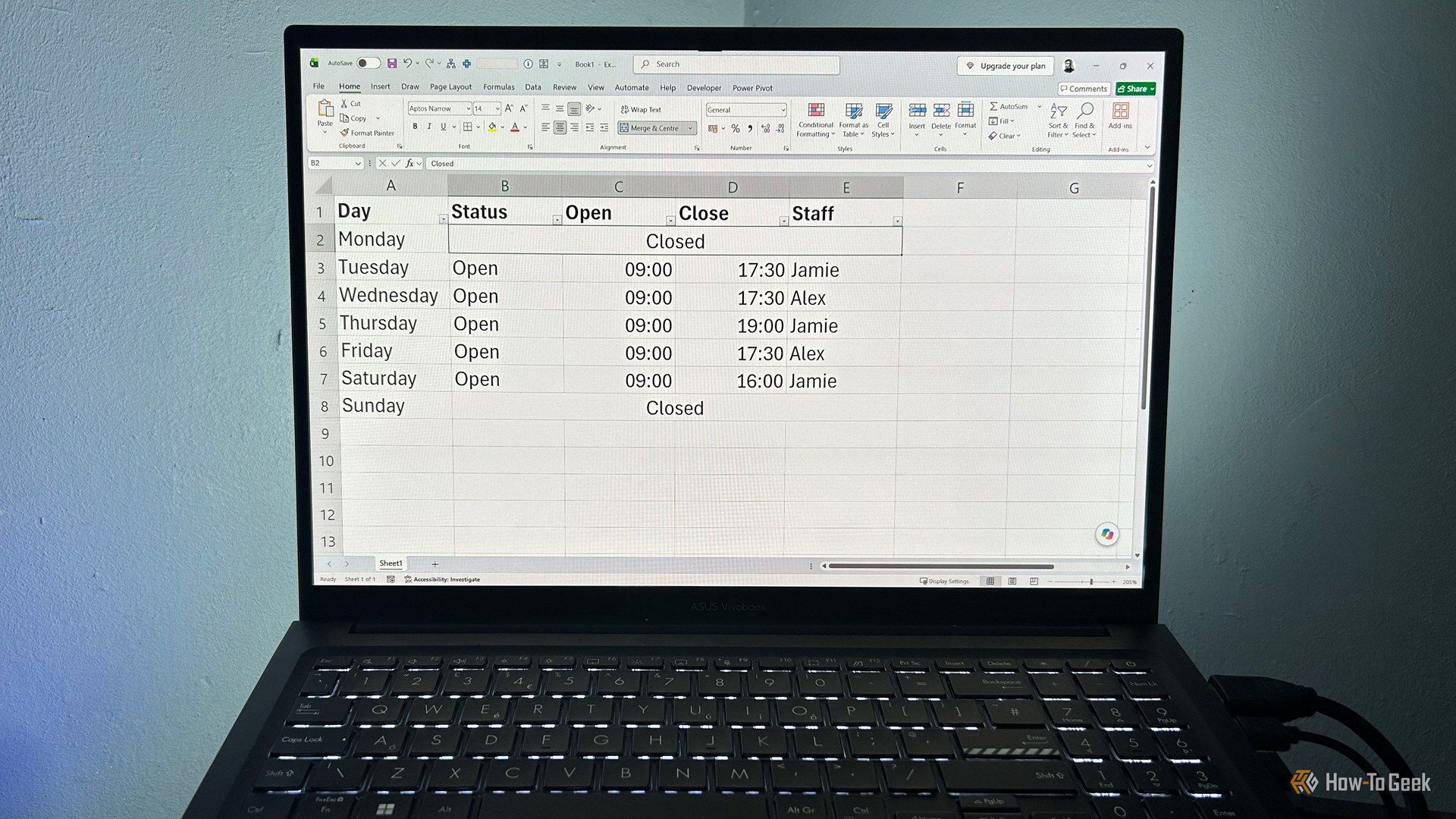
Ditch Merge & Center: The Better Way to Align Text in Excel
Learn to use Excel's "Center Across Selection" to align text across cells without merging, avoiding common data manipulation issues. This guide provides steps to utilize this newly accessible feature and add it to your Quick Access Toolbar.

Ars Technica's Rocket Report: Your Essential Space Industry Briefing
Quick Verdict Ars Technica's Rocket Report, presented by veteran space reporter Stephen Clark, offers an invaluable and meticulously organized weekly (or similar frequency, implied by "Edition 9.15") digest of the most
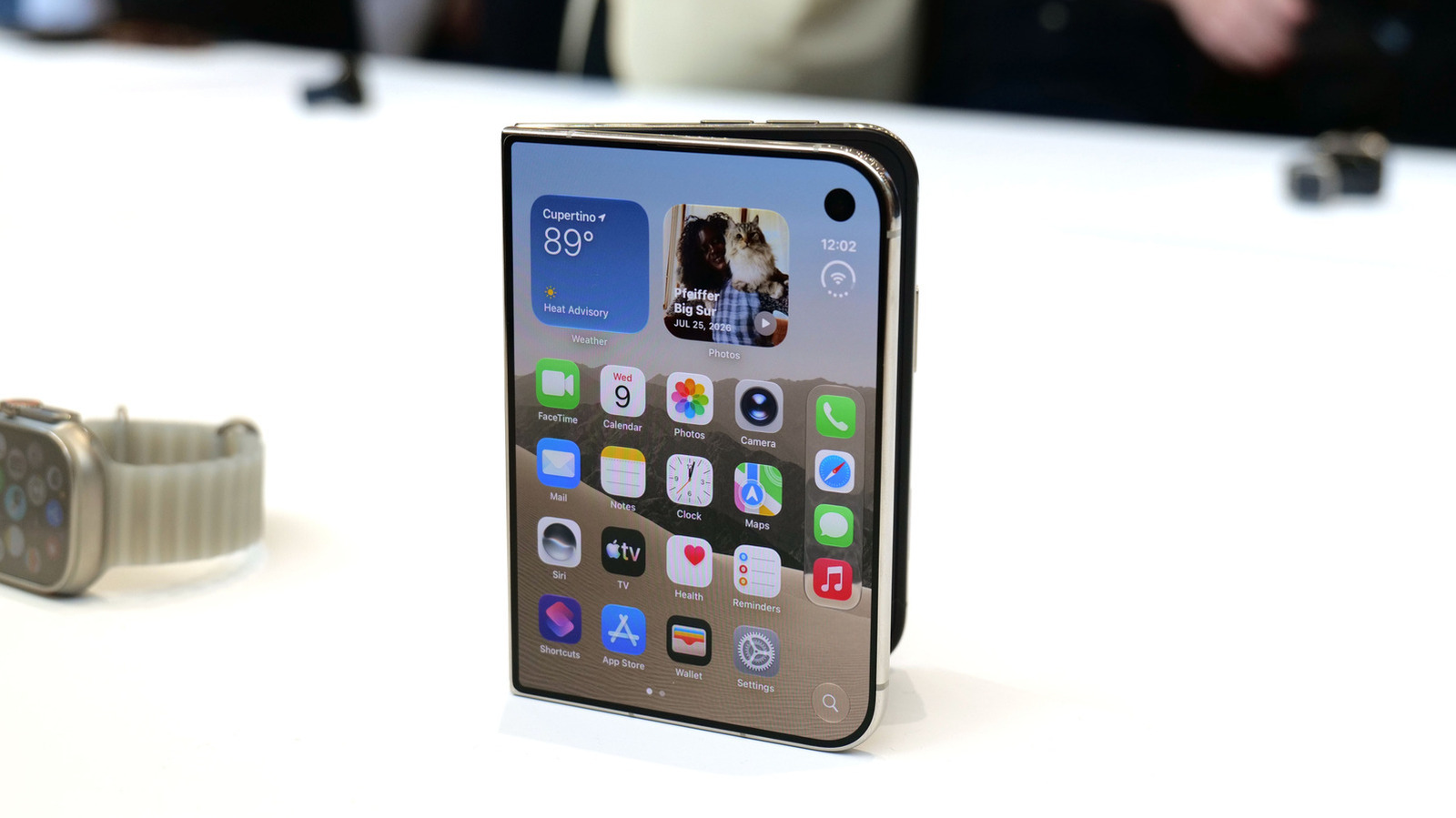
Apple iPhone Duo: A Daring Debut with Notable Compromises
Apple's highly anticipated iPhone Duo, priced at $2,000, has gone on pre-order. While hailed as "Apple's most exciting device in a decade" for its innovative foldable design and immersive display, it comes with significant drawbacks like the absence of FaceID and a premium camera.
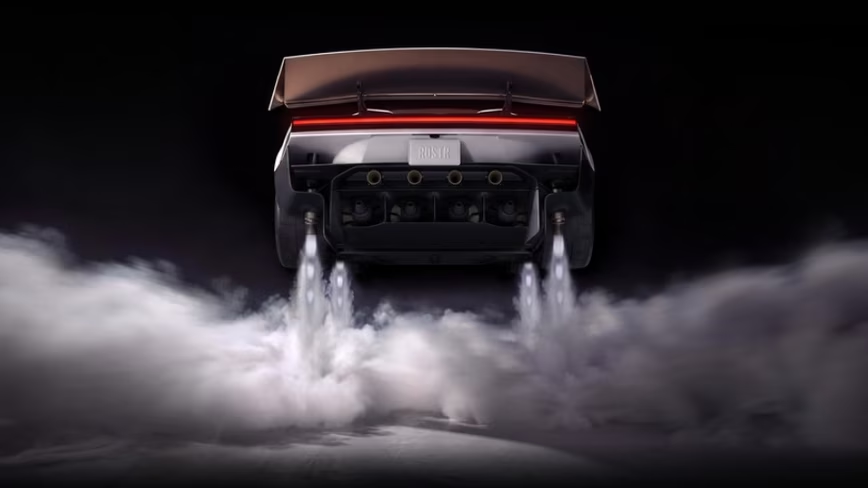
Tesla Unveils Thruster-Equipped Roadster, 2028 Production Targeted
Tesla has unveiled its second-generation Roadster, featuring cold-gas thrusters co-developed with SpaceX, enabling it to jump and flip. The electric sports car demonstrated 0-60mph in an astonishing 0.81 seconds, with production targeted for 2028. This highly anticipated reveal also serves as a key recruitment tool for Tesla's ambitious AI and robotics initiatives.