
Why no magnets in Galaxy S26? Samsung R&D chief explains (Smartphone
Samsung's R&D chief, Won-Joon Choi, has clarified why the Galaxy S26 will not feature internal magnets, citing concerns over added device thickness. He noted that with 80-90% of users already employing cases, many with magnetic capabilities, the trade-off for internal magnets is deemed unnecessary. This approach contrasts with competitors like Apple and Google.

Why No Magnets in Galaxy S26? Samsung R&D Chief Explains
Key Takeaways
- Samsung has confirmed its continued design philosophy for the upcoming Galaxy S26, opting not to integrate internal magnets into the device itself.
- This decision is primarily driven by Samsung's commitment to maintaining a slender device profile, viewing the added thickness required for internal magnets as an unfavorable compromise.
- The company justifies this stance by highlighting the widespread use of protective cases among smartphone users, with an estimated 80 to 90 percent of consumers already utilizing such accessories, many of which now feature integrated magnetic capabilities.
What Happened
The enduring appeal of magnetic accessory ecosystems has become a prominent feature in the modern smartphone landscape. As observed by a recent report, the convenience offered by magnetic rings for enhanced grip, secure mounting, and effortless attachment and detachment of various accessories has become a significant factor in user experience. Indeed, the market abounds with such innovations, and even Samsung itself participates, offering its own line of specialized magnetic accessories, including practical items like folding magnetic mirrors.
However, a notable divergence exists between Samsung and some of its primary competitors, namely Apple and Google, both of whom have embraced the integration of magnets directly within the chassis of their flagship devices. This stark contrast in design philosophy prompted a direct inquiry to Samsung's Won-Joon Choi, a pivotal executive overseeing both the research and development as well as the operational facets of Samsung's expansive mobile business. When questioned about the company's consistent refusal to embed magnets directly into its smartphones, Choi offered a clear explanation.
According to Choi, the primary impediment to internal magnet integration is the consequential increase in device thickness. He articulated Samsung's perspective that this added bulk represents an unacceptable trade-off, especially considering the prevailing consumer habits. Choi emphasized that a substantial majority of smartphone users—estimated by Samsung to be between 80 to 90 percent—routinely encase their devices in protective covers. Furthermore, he highlighted the significant popularity of cases that already incorporate magnetic features, rendering the inclusion of internal magnets by the manufacturer largely redundant in their view.
Why It Matters
Samsung's steadfast decision regarding the absence of integrated magnets in its forthcoming Galaxy S26 series, as articulated by its R&D chief, carries substantial implications for both consumers and the broader mobile accessory ecosystem. This policy underscores a core tenet of Samsung's design ethos: prioritizing physical thinness and sleek aesthetics over incorporating certain functionalities directly into the device hardware when external solutions are widely adopted.
For consumers, this means that those desiring the convenient magnetic functionality enjoyed by users of competing brands will continue to rely exclusively on third-party or Samsung-branded cases that include magnets. While this offers flexibility in terms of case choice and style, it also means that the core device itself lacks this inherent capability, potentially impacting the seamless integration and power efficiency that might come with an internally embedded solution. The user experience, in this regard, remains largely tethered to the accessory market.
From an industry perspective, Samsung's approach solidifies its reliance on a robust ecosystem of external accessories. This could further stimulate innovation within the magnetic case market for Galaxy devices, as manufacturers strive to meet consumer demand for magnetic functionality. However, it also creates a clear differentiator from Apple and Google, whose integrated magnetic systems offer a consistent base for accessory developers, regardless of whether a case is used. This divergence necessitates different design considerations for accessory makers targeting the various flagship platforms.
Ultimately, Samsung's position reflects a calculated assessment of consumer behavior and design priorities. By offloading magnetic functionality to cases, the company aims to deliver a thinner device while tacitly acknowledging that the majority of users will achieve magnetic utility through their chosen protective gear. This strategic choice defines a particular path for the Galaxy S26's feature set and its interaction with the burgeoning world of smartphone accessories.
Key Details
The definitive explanation for Samsung's stance on internal magnets comes directly from Won-Joon Choi, the executive vice president responsible for both research and development and operations within Samsung's expansive mobile division. His insights provide an authoritative perspective on the company's design strategy for devices like the upcoming Galaxy S26.
Choi's central argument against embedding magnets within the phone's structure revolves around the issue of device thickness. He contends that the additional millimetres required to house these magnets constitute an undesirable compromise, suggesting that the aesthetic and ergonomic benefits of a thinner phone outweigh the perceived advantages of integrated magnetic features. This prioritisation of slimness is a consistent theme in modern smartphone design.
Crucially, this decision is bolstered by Samsung's internal data regarding consumer habits. Choi estimates that a significant majority of smartphone users—specifically between 80 to 90 percent—choose to protect their devices with a case. This high adoption rate is a critical factor in Samsung's rationale. Furthermore, he points out that magnetic cases have experienced a surge in popularity, indicating that consumers are already finding external solutions for their magnetic accessory needs.
This strategic outlook places Samsung in contrast with major competitors such as Apple and Google, both of whom have chosen to integrate magnetic arrays directly into the internal architecture of their smartphones. While Samsung sells its own range of magnetic accessories, such as practical folding magnetic mirrors, it relies on these and third-party cases to deliver the magnetic experience, rather than building it into the core device itself.
What Happens Next
Samsung's articulated position suggests a consistent trajectory for its future smartphone releases, including the Galaxy S26 and subsequent models. Consumers can anticipate that future Galaxy devices will likely continue to prioritize a slim form factor, relying on external solutions for magnetic functionality rather than internal integration.
For the vast majority of users who already employ a protective case, this approach means that their magnetic accessory experience will continue to be governed by the features of their chosen case. The market for magnetic-enabled cases, both from Samsung itself and third-party manufacturers, is expected to remain robust and perhaps even grow as demand for compatible accessories persists. Users who desire features like secure mounting, improved grip through magnetic rings, or seamless attachment of various modular accessories will continue to seek out cases that fulfill these needs.
This strategy also subtly shapes the innovation landscape for Galaxy accessories. Rather than developing peripherals that connect directly to an integrated magnetic system within the phone, accessory makers will continue to focus on creating cases with robust magnetic capabilities, or accessories that attach magnetically to these cases. The emphasis will remain on external solutions to enhance the device's utility.
Going forward, the debate between integrated functionalities versus modular, case-based enhancements is likely to continue in the broader tech discourse. Samsung's R&D chief's explanation provides clarity on the company's current philosophy, setting expectations for how Galaxy users will interact with magnetic technologies for the foreseeable future.
Related articles

Apple Unveils iPhone Duo: Pricey Foldable Sees Soaring Demand
Apple has officially entered the foldable smartphone arena with the long-anticipated launch of the iPhone Duo. Priced starting at a hefty $1,999, the device features a 5.4-inch outer display and a larger 7.6-inch inner

in-depth: Chicago-Area Cops Helped HSI Spy on Minnesota Anti-ICE
Chicago-area law enforcement, including local police and HSI agents, conducted undercover surveillance on Minnesota anti-ICE activists at an April 2, 2022, talk in Chicago. This operation was part of a federal conspiracy probe into 15 Minnesota activists facing felony charges related to immigration enforcement resistance. Civil liberties advocates have condemned the surveillance as a troubling intrusion into protected political activity.

Mark Wahlberg on using AI in film ‘the right way’ and being open to
Actor Mark Wahlberg believes AI has a place in filmmaking if used responsibly for enhancement, not script generation or actor replacement. At TechCrunch Disrupt, he expressed openness to an AI likeness carrying on his legacy, managed by his family, and emphasized storytelling.

Tesla Unveils Thruster-Equipped Roadster, 2028 Production Targeted
Tesla has unveiled its second-generation Roadster, featuring cold-gas thrusters co-developed with SpaceX, enabling it to jump and flip. The electric sports car demonstrated 0-60mph in an astonishing 0.81 seconds, with production targeted for 2028. This highly anticipated reveal also serves as a key recruitment tool for Tesla's ambitious AI and robotics initiatives.

Amazon Prime Video Launches AI-Powered Prime 360 for NBA Coverage
Amazon Prime Video is elevating its NBA coverage with the introduction of Prime 360, an AI-powered replay system offering immersive, 'fly through' views of the action. Kicking off its second season, Prime Video also adds Yahoo fantasy integration and gains exclusive Eastern Conference Finals rights, expanding its tech-driven sports broadcast. The new features aim to deliver a unique and interactive viewing experience for basketball fans.
regional: A two-person Seattle startup lands $1M to reinvent
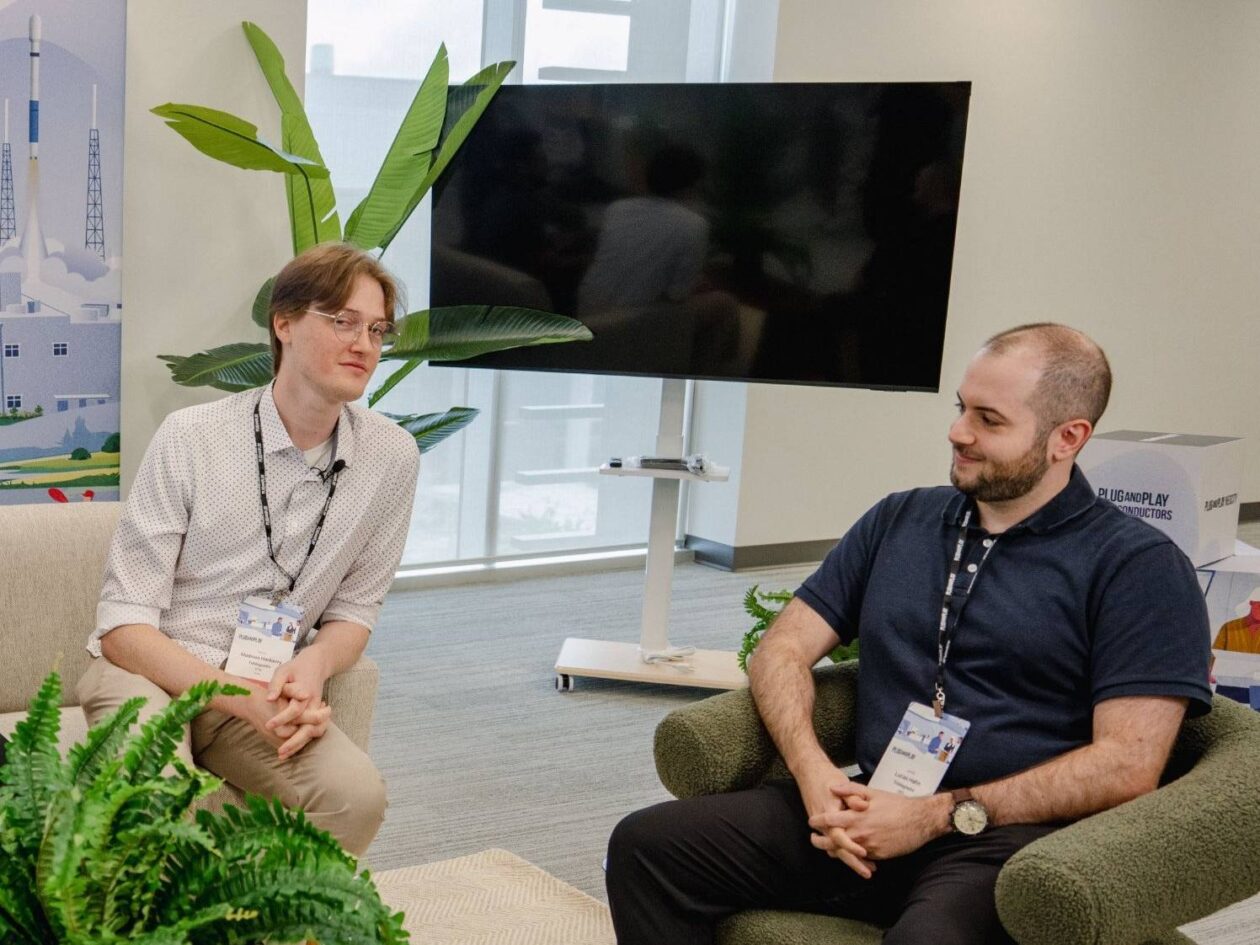
Seattle startup TriMagnetix has secured $1 million to develop semiconductor chips that consume 800 times less energy and are radiation-resistant. The two-person company, leveraging nanomagnetic technology, is targeting space applications and data centers. With new funding and key partnerships, TriMagnetix aims for commercial sales within a year.