
Why Japan Said Goodbye to Traditional Flip Phones: A Detailed Look at
Japan's beloved _gara-kei_ flip phones are becoming extinct, as detailed in this Engadget article. The analysis highlights their unique cultural ties, advanced features, and the primary drivers of their decline: carrier 3G network shutdowns, changing consumer habits, and an aging population embracing smartphones.
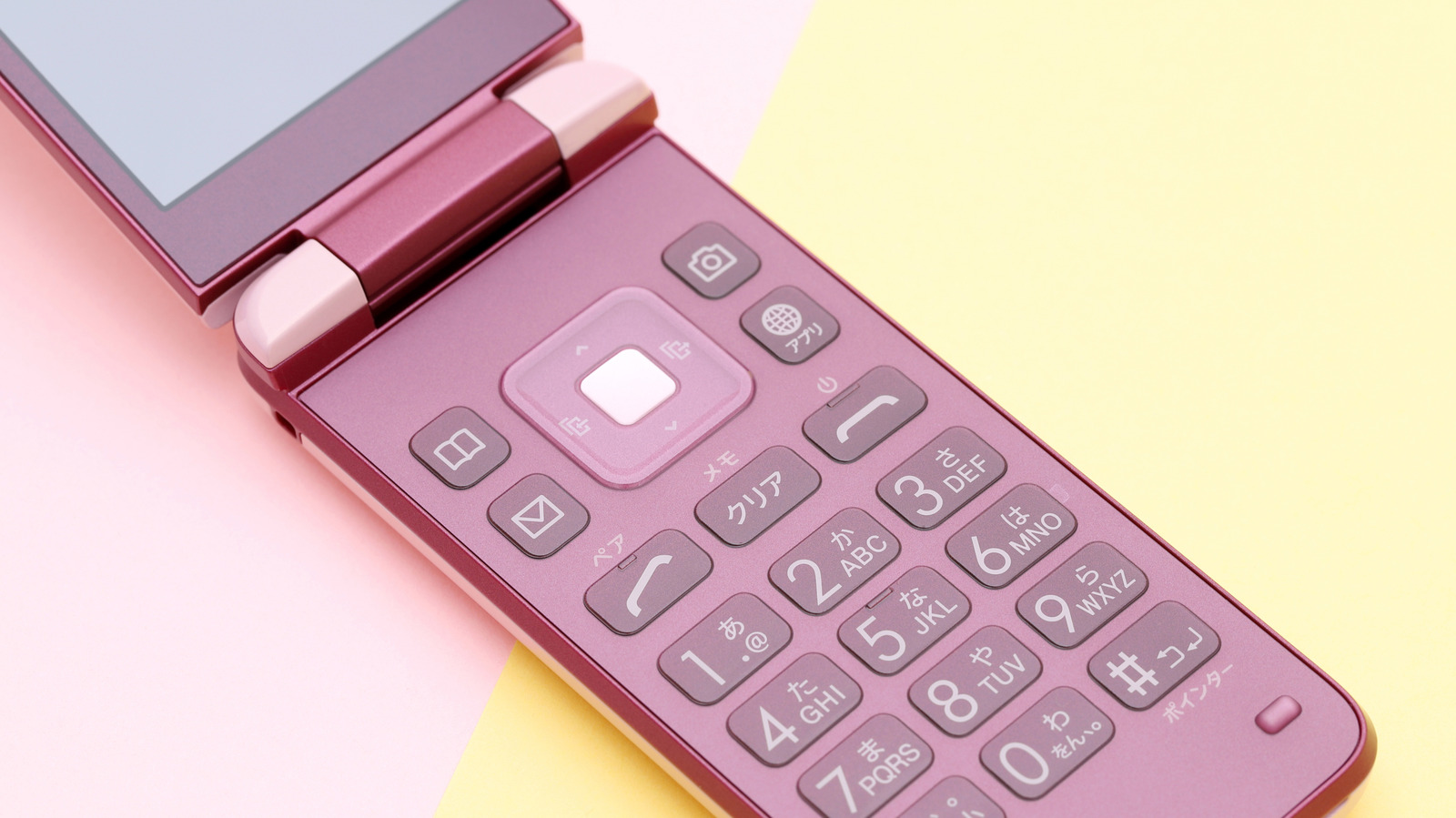
Japan's iconic gara-kei flip phones, once a distinct feature of the nation's tech landscape, are now rapidly becoming a thing of the past. This Engadget article provides a comprehensive and honest look into why these beloved devices, deeply intertwined with Japanese culture, are finally giving way to the ubiquitous smartphone. It's a fascinating study of market evolution, cultural shifts, and technological obsolescence.
For decades, while the rest of the world embraced increasingly complex smartphones, Japan held steadfast to its unique gara-kei, or "Galapagos keitai." These clamshell phones, known for their physical keyboards and robust designs, were more than just communication tools; they were integrated into daily life with features far beyond typical Western flip phones. But even in a market known for its unique tech ecosystem, change is inevitable, driven by evolving consumer demands and, crucially, the sunsetting of foundational network infrastructure.
The Unique Allure of the Gara-kei
The gara-kei's enduring popularity wasn't just about nostalgia; it was rooted in practical features and a strong cultural connection. These devices were celebrated for their durable builds and tactile keyboards, offering a satisfying physical response that many smartphone users now miss. Beyond the basics, many gara-kei models boasted advanced functionalities long before they became common globally. We're talking about built-in One-Seg TV tuners, enabling users to watch broadcast television on the go, and infrared transmitters for effortlessly sharing contact information – a precursor to modern solutions like Apple's NameDrop. Their designs were often vibrant and eye-catching, complete with lanyard holes for personalizing with exotic keychains, reflecting a distinct aesthetic.
Economically, the gara-kei offered significant advantages. Many came with cheap contracts and integrated vital services, such as embedded chips for train fare and grocery payments. This made them an indispensable part of daily living in Japan. For a generation, these phones represented a seamless blend of utility and personal expression, proving that a device didn't need a large touchscreen to be powerful and deeply integrated into life. Even today, there's a growing subset of users, particularly among Gen Z, who seek out simpler, "distraction-free" phones, a philosophy the gara-kei embodied naturally, albeit accidentally.
The Irreversible Shift: Why They're Vanishing
The decline of the gara-kei is not a sudden collapse but a slow, accelerating trend. Data from the MM Research Institute indicates a significant drop in feature phone shipments, falling over 25 percent to under 400,000 units in the first half of fiscal year 2025. Meanwhile, a Docomo survey highlights the rapid shift in consumer habits, with smartphone ownership jumping from 90 percent in 2021 to 98 percent by 2025.
The most critical factor sealing the gara-kei's fate is the nationwide shutdown of 3G data services. NTT Docomo, a major carrier, ended its remaining 3G service in March, following similar moves by au in 2022 and SoftBank in 2024. This isn't just about calls and texts; the retirement of 3G, particularly Docomo's i-mode mobile internet, impacts an estimated half a million people and over 400 phone models, along with crucial systems like car navigation and vending machines. Without 3G connectivity, the core functionalities that made gara-kei so useful—like lightweight internet access and payment features—are severely hampered or completely non-existent.
Japan's aging population also plays a significant role. With 29 percent of its population aged 65 or above in 2024, there's a growing need for digital literacy and connectivity. Governments are actively promoting smartphone adoption, with initiatives like Tokyo handing out 3,000 smartphones to senior citizens in 2021 to boost tech accessibility. While some individuals might initially resist the shift, the increasing reliance on smartphones for daily information, communication, and essential services makes the transition increasingly unavoidable.
Gara-kei vs. Modern Smartphones: A Comparative Overview
While direct comparisons are challenging given the fundamental differences, we can look at what the gara-kei offered versus the modern smartphone, based on the article's insights. It's less about which is "better" and more about evolving needs and technological capabilities. The article also mentions "hybrid garaho" phones from brands like Kyocera, which attempted to bridge the gap by combining the clamshell form factor with Android and 4G, representing a transitional phase.
| Feature/Aspect | Gara-kei (Traditional Flip Phone) | Modern Smartphone (e.g., iPhone, Galaxy) |
|---|---|---|
| Form Factor | Clamshell/Flip with physical keyboard | Slab/Touchscreen |
| Connectivity | Primarily 3G (now largely defunct) | 4G, 5G (current standard) |
| Internet Access | Lightweight applications, limited browsing via i-mode (defunct) | Full web browsing, app ecosystem, high-speed data |
| Key Features | One-Seg TV, infrared sharing, payment chips, lanyard holes | High-resolution cameras, GPS, vast app store, biometric security |
| Durability | Often known for robust, durable builds | Variable, often fragile screens; more water/dust resistance in high-end models |
| User Experience | Tactile input, dedicated function buttons, simpler UI | Gesture-based, touch input, complex multitasking |
| Battery Life | Generally longer due to simpler features and smaller screens | Varies, but typically shorter with heavy use, faster charging |
| Cultural Impact | Deeply embedded, symbol of unique Japanese tech | Global standard, essential for modern digital life |
Final Thoughts: An Era's End, A Future's Beginning
The story of the gara-kei's decline is a compelling narrative about how technology and culture intersect. While the physical form factor of the flip phone may enjoy a nostalgic resurgence in minimalist devices like the Light Flip, the specialized, culturally tailored ecosystem of the Japanese gara-kei is truly coming to an end. It signifies not just a change in device preference but a broader societal shift towards universal digital connectivity and literacy. Carriers like Docomo are even setting up in-store smartphone classrooms to help facilitate this transition, teaching basic web browsing and gesture controls.
For those who grew up with the satisfying click of a clamshell and the tactile feedback of a physical keyboard, this shift marks the end of an era. It’s a move towards a more globally homogenized tech landscape, where the convenience and capabilities of smartphones ultimately outweigh the unique charm and focused functionality of their predecessors. While the change might bring new challenges, such as the potential for "doomscrolling," it also opens up a world of new possibilities for communication, information, and services that are increasingly vital in the modern world.
Recommendation
Understanding Japan's farewell to the gara-kei isn't about deciding which phone to buy, but rather appreciating the powerful forces that shape technological adoption. This Engadget analysis is highly recommended for anyone interested in mobile technology history, cultural impacts on tech, or the challenges and opportunities presented by digital transformation. It serves as an excellent case study on how even deeply ingrained technologies eventually give way to innovation and evolving infrastructure. For consumers, it’s a reminder that even beloved features and unique experiences can become obsolete when foundational infrastructure changes, and that adapting to new technologies often becomes a necessity rather than a choice.
FAQ
Q: What is a gara-kei and why was it so popular in Japan?
A: A gara-kei (short for Galapagos keitai) is a traditional Japanese flip phone with a physical keyboard. They were popular due to their durable builds, tactile input, unique advanced features like One-Seg TV and infrared data sharing, embedded payment chips for daily transactions, and affordable contracts, all of which made them integral to Japanese daily life.
Q: What is the primary reason for the gara-kei's decline?
A: The primary reason is the sunsetting of 3G mobile data services by major Japanese carriers like NTT Docomo, au, and SoftBank. Since gara-kei primarily relied on 3G for their lightweight internet features, the discontinuation of this network makes many of their functionalities obsolete, pushing users towards 4G/5G-compatible smartphones.
Q: How does Japan's aging population relate to the shift away from gara-kei?
A: Japan has a significant aging population, and while many seniors were comfortable with gara-kei, there's an increasing need for digital literacy and access to modern smartphone features for essential services and staying connected. Government initiatives are even distributing smartphones to seniors and offering classes to help them adapt, highlighting the necessity for this demographic to transition.
Related articles

Ars Technica's Rocket Report: Your Essential Space Industry Briefing
Quick Verdict Ars Technica's Rocket Report, presented by veteran space reporter Stephen Clark, offers an invaluable and meticulously organized weekly (or similar frequency, implied by "Edition 9.15") digest of the most

Apple iPhone Duo: A Daring Debut with Notable Compromises
Apple's highly anticipated iPhone Duo, priced at $2,000, has gone on pre-order. While hailed as "Apple's most exciting device in a decade" for its innovative foldable design and immersive display, it comes with significant drawbacks like the absence of FaceID and a premium camera.

Tesla Unveils Thruster-Equipped Roadster, 2028 Production Targeted
Tesla has unveiled its second-generation Roadster, featuring cold-gas thrusters co-developed with SpaceX, enabling it to jump and flip. The electric sports car demonstrated 0-60mph in an astonishing 0.81 seconds, with production targeted for 2028. This highly anticipated reveal also serves as a key recruitment tool for Tesla's ambitious AI and robotics initiatives.

KDE Plasma 6.8: A Future-Focused 30th Anniversary Update
Quick Verdict KDE Plasma 6.8, arriving as the "30th Anniversary Edition," is a pivotal release that decisively pushes the desktop environment into the future. With a definitive farewell to native X11 sessions and a
Galaxy Watch One UI 9 Beta: Promising Progress, But Patience Needed
Galaxy Watch 8, Watch Ultra, and Watch 7 are receiving a new One UI 9 Watch beta build with bug fixes and a security patch. Active development signals progress, but a stable release date remains elusive.

Enterprise AI Beyond Chatbots: A Vision for Actionable Intelligence
Quick Verdict: Redefining Enterprise AI's Potential TechRadar Pro's opinion piece, "What it takes to move enterprise AI beyond the chatbot," delivers a refreshingly honest and vital perspective on the current state and