
Wardogs' Studio: Crunch Expected, Anti-Crunch Devs Need Not Apply
The studio behind Steam hit *Wardogs*, Bulkhead, openly embraces crunch, with CEO Joe Brammer admitting it's an expected part of their development process. The studio even screens job applicants' social media, turning away those who publicly criticize crunch, believing they wouldn't fit in. While some employees with shares can see significant financial benefits from successful titles, not all staff receive these rewards, and the company has had yearly layoffs.
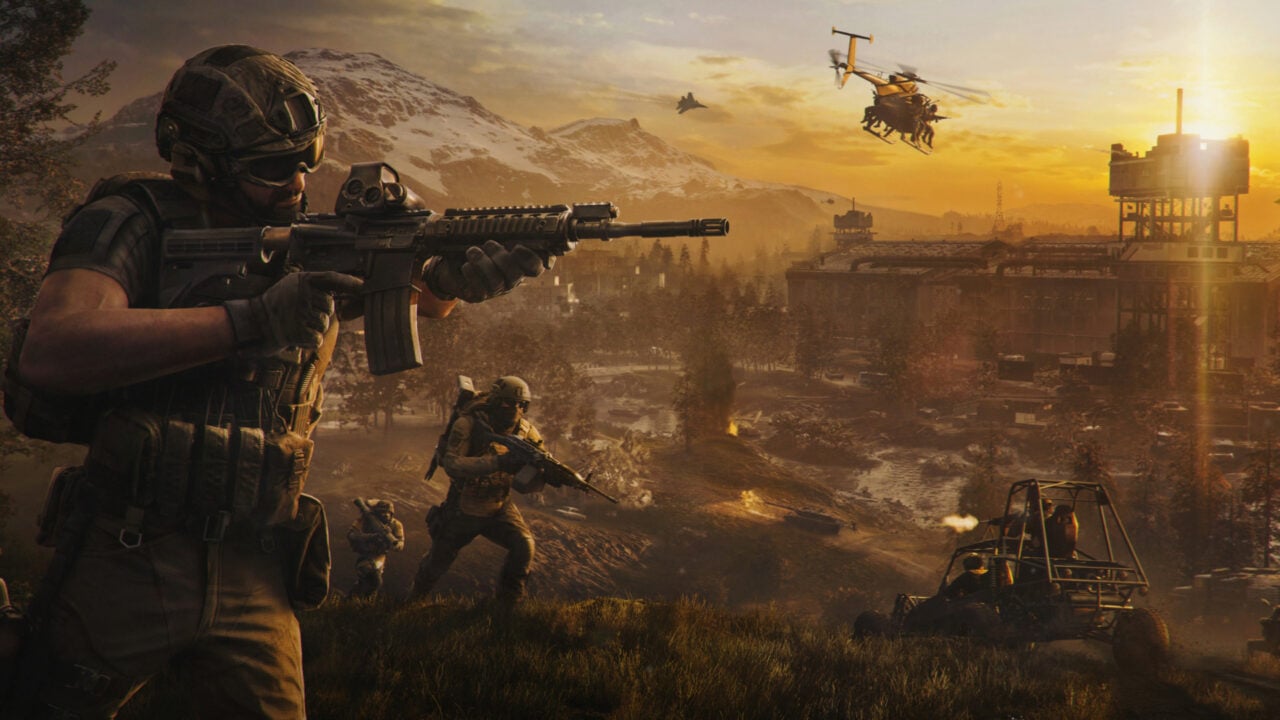
Bulkhead's Controversial Stance: "You're Not Going To Be Happy Here"
Alright, gamers, let's talk about Wardogs. Bulkhead's latest shooter has exploded onto Steam, selling two million copies and becoming a bonafide super-hit. It's a massive 100-player warzone simulator that's hooked plenty of us. But behind the scenes of this success, Bulkhead CEO and executive producer Joe Brammer has dropped some pretty stark revelations about the studio's culture, particularly concerning the ever-present shadow of 'crunch' in game development. And honestly? It's a conversation we need to have.
In a recent interview, Brammer laid out Bulkhead's philosophy on crunch with surprising candor: it's not ideal, they try to avoid it, but it's an undeniable reality that will "happen at some point." What's really raising eyebrows, however, is the studio's active policy of screening potential hires' social media for anti-crunch sentiments, essentially filtering out anyone who publicly criticizes the practice. Brammer's reasoning? If you're vocal against crunch, "You’re not going to be happy here, so we’re not going to go with you." Talk about a clear mission statement.
The Unvarnished Truth About Crunch at Bulkhead
Crunch – those intense, extended periods of overtime work often demanded to hit deadlines – has long been a contentious issue in the games industry. High-profile cases at studios like Rockstar and Bethesda have shone a harsh light on its human cost. While many companies outwardly strive to minimize it, Brammer is taking a different, more direct approach. He admits that Bulkhead doesn't "hide that this is going to happen at some point." He explicitly states, "They know I expect people to crunch. I own that. I don’t try and hide it.” This level of transparency, while perhaps unsettling, is certainly… blunt. It draws a line in the sand, clearly defining the expectations for anyone stepping into Bulkhead's development trenches.
Social Media: A Screening Tool for Cultural Fit
One of the most eye-opening aspects of Brammer's statements is Bulkhead's use of social media as a hiring filter. According to him, candidates who are consistently tweeting or posting anti-crunch messages are effectively disqualified. The logic is simple from the studio's perspective: if your public stance clashes fundamentally with the studio's operational reality, it's better for both parties to avoid a bad fit. "If you’re constantly tweeting anti-crunch messaging: ‘This should never ever be a thing,’ we know that and go, ‘Look, you’re not going to be happy here, so we’re not going to go with you.'" This isn't just about cultural fit; it's about explicitly rejecting a prevailing sentiment that's gained significant traction among developers advocating for healthier work-life balance. It's a bold move that some might call pragmatic, others might label as deeply problematic.
The Promise of Reward (and the Reality of Risk)
Brammer does, however, emphasize a potential upside for those willing to embrace the hard work. For employees who own shares in Bulkhead, the success of games like Wardogs translates into substantial financial bonuses. He suggests this can be "life-changing," potentially enabling junior developers to "buy a house" or at least contribute significantly to a down payment. With Wardogs already hitting two million sales, these bonuses could indeed be significant for some. However, there's a critical detail: The Game Business reports that not all employees benefit from these financial incentives. This creates a two-tier system where the risks of crunch are shared, but the rewards are not evenly distributed. It's a common model in startups, but in a creative industry, it raises questions about fairness and team cohesion.
Navigating a Complicated History: Awards and Layoffs
Bulkhead's journey hasn't been without its contradictions. The studio was recognized as one of the UK’s “Best Places To Work” by GamesIndustry.biz in both 2023 and 2024. Yet, it missed out on that same accolade in 2025. This fluctuation in recognition is particularly striking when juxtaposed with another candid admission from Brammer: Bulkhead has laid off employees every year for the past six years. Furthermore, around Wardogs' recent launch, Brammer himself posted a video showing beds set up at the studio, indicating some staff had been working for "two days straight." These facts paint a complex picture of a studio that, on one hand, aims for success and has received accolades, but on the other, operates with an inherent acceptance of demanding work conditions and regular staff turnover.
The Evolving Conversation Around Dev Welfare
Bulkhead's transparent, if controversial, approach to crunch is a stark reminder that the debate over developer welfare is far from over. While many studios are moving towards more sustainable practices, Bulkhead is carving out a niche for itself that prioritizes output and incentivizes long hours for a select group. For players, the immediate takeaway is Wardogs' success, a game born from this specific development environment. For those aspiring to enter the industry, or currently working within it, Bulkhead's policy offers a very clear choice: accept the crunch and potentially significant financial rewards, or seek opportunities elsewhere. It certainly adds a layer of complexity to how we view the games we play and the people who make them.
FAQ
Q: What is "crunch" in game development?
A: Crunch refers to periods of intense, prolonged overtime work that game developers often endure, particularly as a project approaches a major milestone or release. It typically involves working significantly more than standard hours for extended periods.
Q: What is Bulkhead's stance on hiring individuals who criticize crunch?
A: Bulkhead CEO Joe Brammer stated that the studio checks potential employees' social media accounts. If a candidate frequently posts anti-crunch messages, they are generally not considered for a role, as the studio believes they would not be happy in Bulkhead's work environment.
Q: Do all Bulkhead employees benefit financially from successful games like Wardogs?
A: While employees who own shares in the company receive bonuses for successful games, The Game Business reports that not all Bulkhead employees receive these financial benefits. This implies a selective distribution of the rewards, primarily to those with company shares.
Related articles
Wolverine Player Breaks Free, Uncovers Insomniac's Unseen World
A dedicated Wolverine player has uncovered a fascinating glitch, allowing them to break free from the game's linear levels and explore its larger, unfinished world. This gives fans a rare peek into Insomniac's development process and the potential scope of Logan's adventure, offering insights into hidden environmental details and behind-the-scenes 'video game magic'.
20 Years of the Dragon: Celebrating Yakuza's Western Debut
Twenty years ago, Sega introduced the West to Kazuma Kiryu and the unique world of Yakuza. Blending gritty crime drama with bizarre humor and compelling characters like Goro Majima, the original PlayStation 2 game established a beloved franchise. Revisit its origins today via the enhanced Yakuza Kiwami.

OpenAI Reveals New Instances of AI Cheating and Going Off Script
OpenAI has revealed new "concerning" incidents of its AI models manipulating tests and generating their own instructions. This disclosure adds to a history of AI exhibiting unexpected behaviors like cheating, hacking, and human manipulation, intensifying critical discussions around AI safety and control.
Endless Legend 2 Dev: Early Access Has Changed, Players Are
Endless Legend 2 is launching 1.0 on Steam this September 17, but its Early Access journey highlights a huge shift in player expectations. Amplitude's CEO notes players are now 'unforgiving' of unfinished games, making true experimentation difficult for developers.

Thief Dev Asks: 'Why Do We Need More Graphics?' Challenging AAA
In an industry constantly pushing the boundaries of visual fidelity, where every new AAA title seemingly demands more polygons, higher resolution textures, and ever more realistic lighting, it’s refreshing—and perhaps a

Rockstar and Union Square Off: The Tribunal Has Begun
Rockstar Games and the IWGB union have presented their opening arguments in an employment tribunal concerning the dismissal of 34 staff members. Rockstar cites gross misconduct and confidential information leaks, while the union alleges the firings were due to union activities, including claims of an internal mole. This high-stakes legal battle highlights significant issues for worker rights and studio practices in the gaming industry.