
VPN Blocking Your Printer or Chromecast? The 10-Second Fix
Learn how to quickly resolve common issues where your VPN prevents local network devices like printers and Chromecasts from connecting, all in under a minute with a simple setting change.
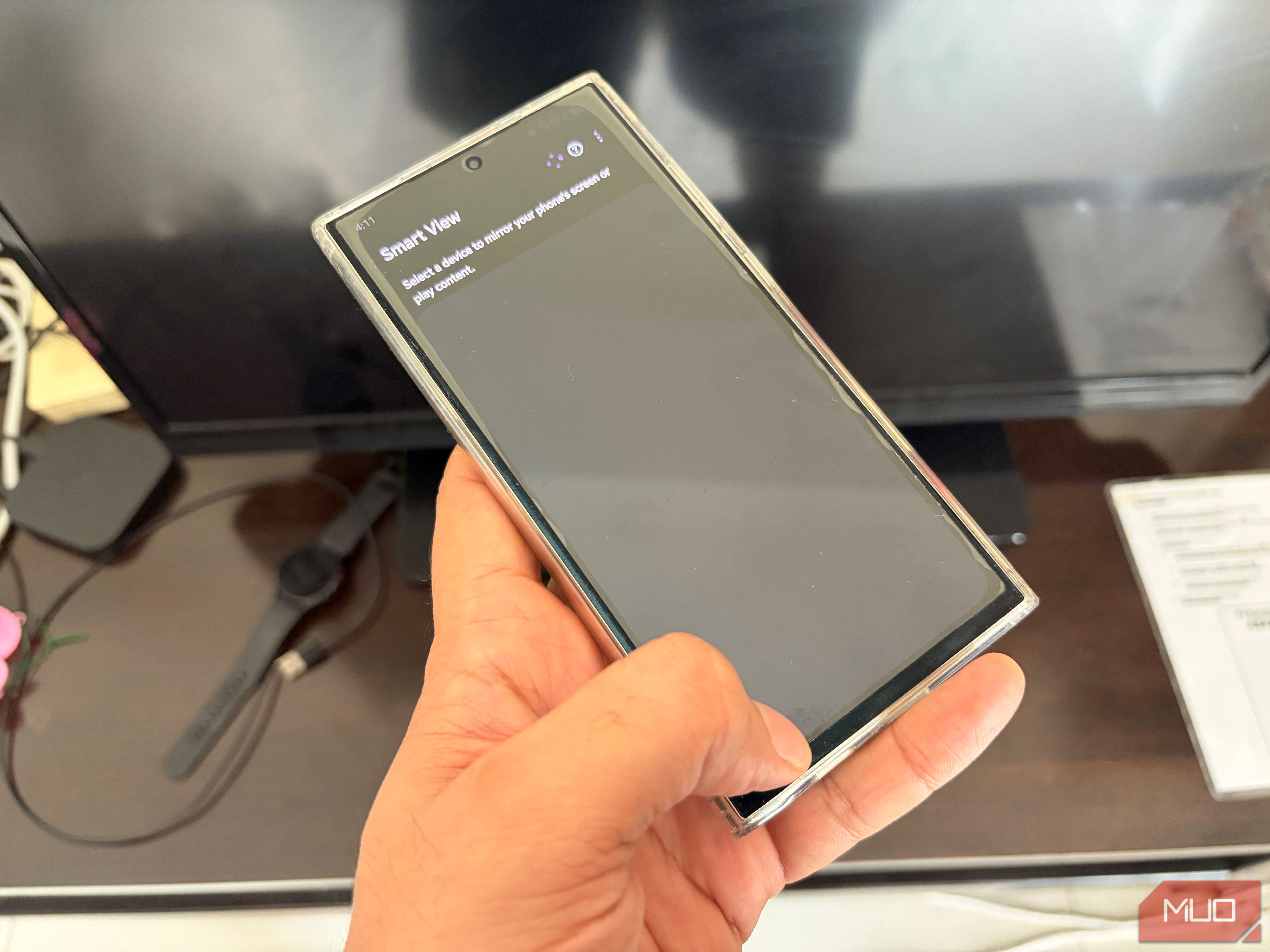
Restore Local Network Access While Staying Secure
Have you ever experienced the frustration of your printer suddenly going offline, or your Chromecast refusing to appear in your device list, even though everything is connected to the same Wi-Fi network? You've tried restarting your router, reinstalling drivers, and checking cables, only to find no apparent problem with your hardware or internet connection. What if we told you the hidden culprit was likely your VPN, and the fix takes mere seconds?
This guide will walk you through a simple, yet incredibly effective, solution to get your local network devices communicating again, all while maintaining the privacy and security benefits of your Virtual Private Network (VPN). You'll learn why your VPN creates this "invisible wall" and how to toggle a single setting to bring your smart home devices back into sync, saving you countless hours of needless troubleshooting.
Before You Begin: What You'll Need
To follow this guide, you'll need just a few things:
- An active VPN subscription: This solution typically applies to premium VPN services that offer advanced network settings.
- Access to your VPN application: Be it on your smartphone, computer, or tablet.
- Your devices connected to the same Wi-Fi: Ensure your printer, Chromecast, or other smart home devices are on the exact same local network as the device running your VPN.
Why Your VPN Blocks Local Network Devices
A VPN is a powerful tool designed to protect your online privacy and security. It works by creating a secure, encrypted "tunnel" between your device and the internet, masking your IP address and routing your traffic through a remote server. This process effectively places your device on a completely different virtual network, away from your actual physical location.
While excellent for secure browsing, this secure tunneling has an unintended side effect: it can wall off your device from your local network. To your computer or phone, which is now virtually situated within this hidden tunnel, other local devices like your printer, smart TV, or Chromecast essentially cease to exist on the same network. Even though they are all physically connected to the same Wi-Fi router, the VPN creates an invisible barrier that prevents direct communication. This often leads to that baffling moment where the "Cast" icon is present, but no devices appear, or your printer stubbornly remains "offline."
The 10-Second Fix: Reconnecting Your Local Devices
The good news is you don't have to choose between online privacy and smart home convenience. Most reputable VPN services include a built-in feature specifically designed to address this problem. Toggling this feature on typically takes less than a minute.
This setting is commonly referred to as:
- "Allow access to local network"
- "Invisible on LAN" (where disabling it allows LAN access)
- A bundled option within "Split tunneling" settings
When activated, this feature instructs your VPN to continue routing your internet traffic through its secure tunnel, but it makes an exception for local network traffic. This allows your device to "see" and communicate with other devices on your home Wi-Fi network, such as your printer or Chromecast, without compromising your internet privacy.
Here’s a general step-by-step guide to applying this fix, using Proton VPN as an example. The exact wording and menu locations might vary slightly depending on your VPN provider, but the core concept remains the same:
- Launch your VPN app. Open the VPN application on your smartphone, tablet, or computer.
- Navigate to Settings. Look for a gear icon, three dots, or a "Settings" option within the app's interface.
- Find Advanced settings. Within the settings menu, you'll typically find an "Advanced," "Connections," or "Network" section. Tap or click on it.
- Locate LAN connections. Search for an option related to "LAN connections," "Local Network Access," or "Allow access to local devices."
- Enable the feature. You'll usually see a toggle switch next to this option. Turn it ON. If the option is called "Invisible on LAN," you would typically turn it OFF to allow local network access.
Once you’ve enabled this setting, you should instantly notice your local devices reappearing. Your printer should become available, and your Chromecast should show up in your device list, ready for casting. This simple adjustment can save you from a lot of frustration and unnecessary troubleshooting steps.
Troubleshooting Tips
If enabling the setting doesn't immediately resolve the issue, consider these troubleshooting steps:
- Verify VPN Status: Double-check that your VPN is actually connected and active. Sometimes, the issue might be as simple as the VPN not being enabled.
- Restart the VPN App or Device: After changing VPN settings, it's a good practice to fully close and relaunch the VPN application. In some cases, a full device restart (phone, computer) might be necessary for the changes to take full effect.
- Confirm Wi-Fi Connectivity: Ensure all your devices (the one running the VPN and the local device you're trying to reach) are connected to the exact same Wi-Fi network. Issues can arise if one device is on a guest network or a different band (e.g., 2.4GHz vs. 5GHz).
- Check for Alternative Setting Names: If you can't find "LAN connections" or "Local Network Access," browse through your VPN's advanced settings for terms like "Allow LAN Traffic," "Bypass VPN for Local," or settings related to "Network Exceptions" or "Split Tunneling."
- Consider Split Tunneling: Some VPNs offer a "Split Tunneling" feature. This allows you to selectively choose which applications use the VPN tunnel and which bypass it. If you can't find a direct "LAN access" toggle, you might be able to configure your printer's app or casting apps (like Google Home) to bypass the VPN, thus enabling them to see local devices.
Best Practices for a Seamless Smart Home
- Prioritize Checking Your VPN: The next time your printer or Chromecast disappears, make checking your VPN settings your first troubleshooting step. It's often the fastest and easiest fix.
- Don't Sacrifice Privacy for Convenience: With this setting, you truly can have the best of both worlds – secure online browsing and full access to your smart home devices.
- Leverage Split Tunneling for Granular Control: If your VPN offers it, split tunneling provides an even more refined way to manage network traffic, allowing specific apps to always connect locally or always go through the VPN.
FAQ
Q: What if I don't see "LAN connections" or a similar setting in my VPN app?
A: The exact terminology varies between VPN providers. Look for options like "Allow LAN traffic," "Local Network Access," "Bypass VPN for local devices," or "Stealth Mode" (where disabling it might enable LAN access). If you still can't find it, consult your VPN provider's support documentation or contact their customer service, mentioning you need to allow local network access.
Q: Does enabling "Allow access to local network" compromise my privacy or security?
A: No, not for your internet traffic. This feature is specifically designed to allow communication with devices only on your local home network (e.g., your printer or smart TV) while all your internet traffic still goes through the secure VPN tunnel. It maintains your online privacy while restoring local functionality.
Q: Can I use Split Tunneling instead of the "LAN connections" toggle?
A: Yes, in many cases, Split Tunneling can achieve a similar outcome, especially if a dedicated "LAN connections" toggle isn't available. With Split Tunneling, you would configure the specific apps that need to communicate locally (like your printer's app or Google Home for Chromecast) to bypass the VPN tunnel. This allows them to see and interact with local devices directly.
Make Your VPN Work Smarter for You
A smart home network should simplify your life, not complicate it. This simple, 10-second fix ensures you can keep your online browsing private, unlock geo-locked content, and still use all your smart home devices without a hitch. Remember this trick, and you’ll save yourself from the sudden panic of disconnected devices. It's one of the easiest and most impactful tech adjustments you can make for your home network.
Related articles
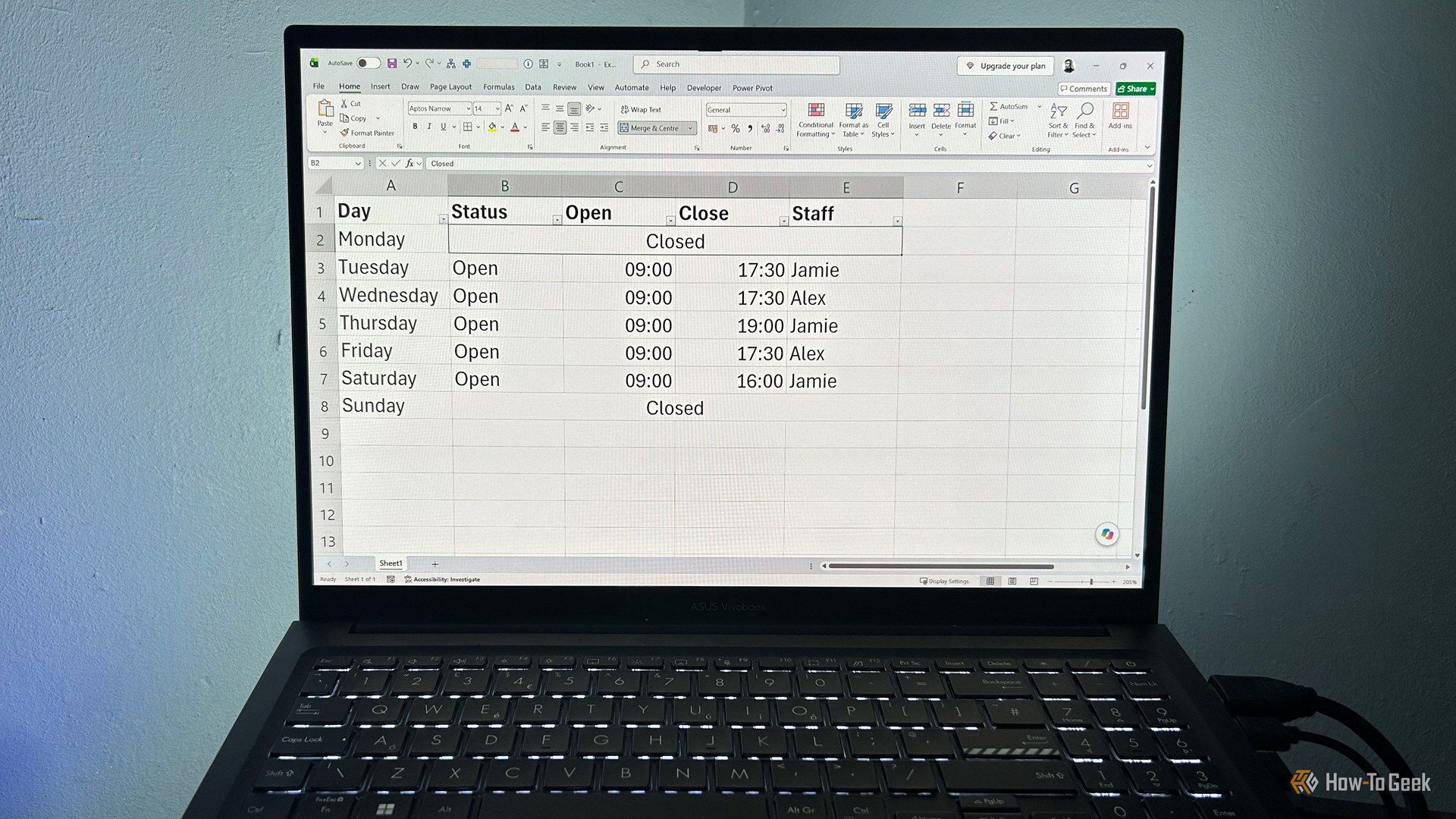
Ditch Merge & Center: The Better Way to Align Text in Excel
Learn to use Excel's "Center Across Selection" to align text across cells without merging, avoiding common data manipulation issues. This guide provides steps to utilize this newly accessible feature and add it to your Quick Access Toolbar.

Ars Technica's Rocket Report: Your Essential Space Industry Briefing
Quick Verdict Ars Technica's Rocket Report, presented by veteran space reporter Stephen Clark, offers an invaluable and meticulously organized weekly (or similar frequency, implied by "Edition 9.15") digest of the most
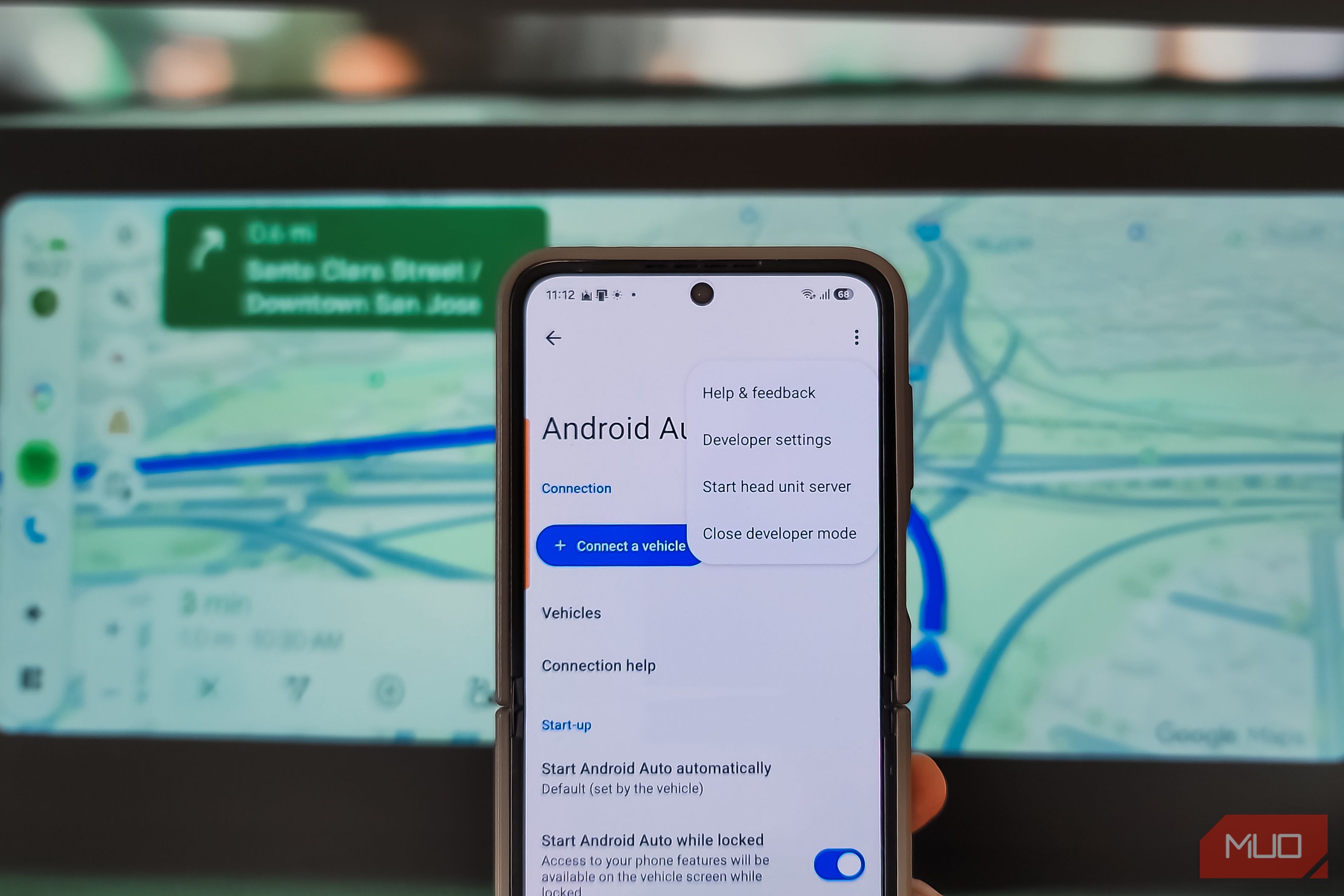
Stop Android Auto Battery Drain: Essential Features to Disable and
Android Auto offers unparalleled convenience, bringing your phone's most useful features directly to your car's display. From navigation and calls to messages and music, it keeps you connected without distracting you
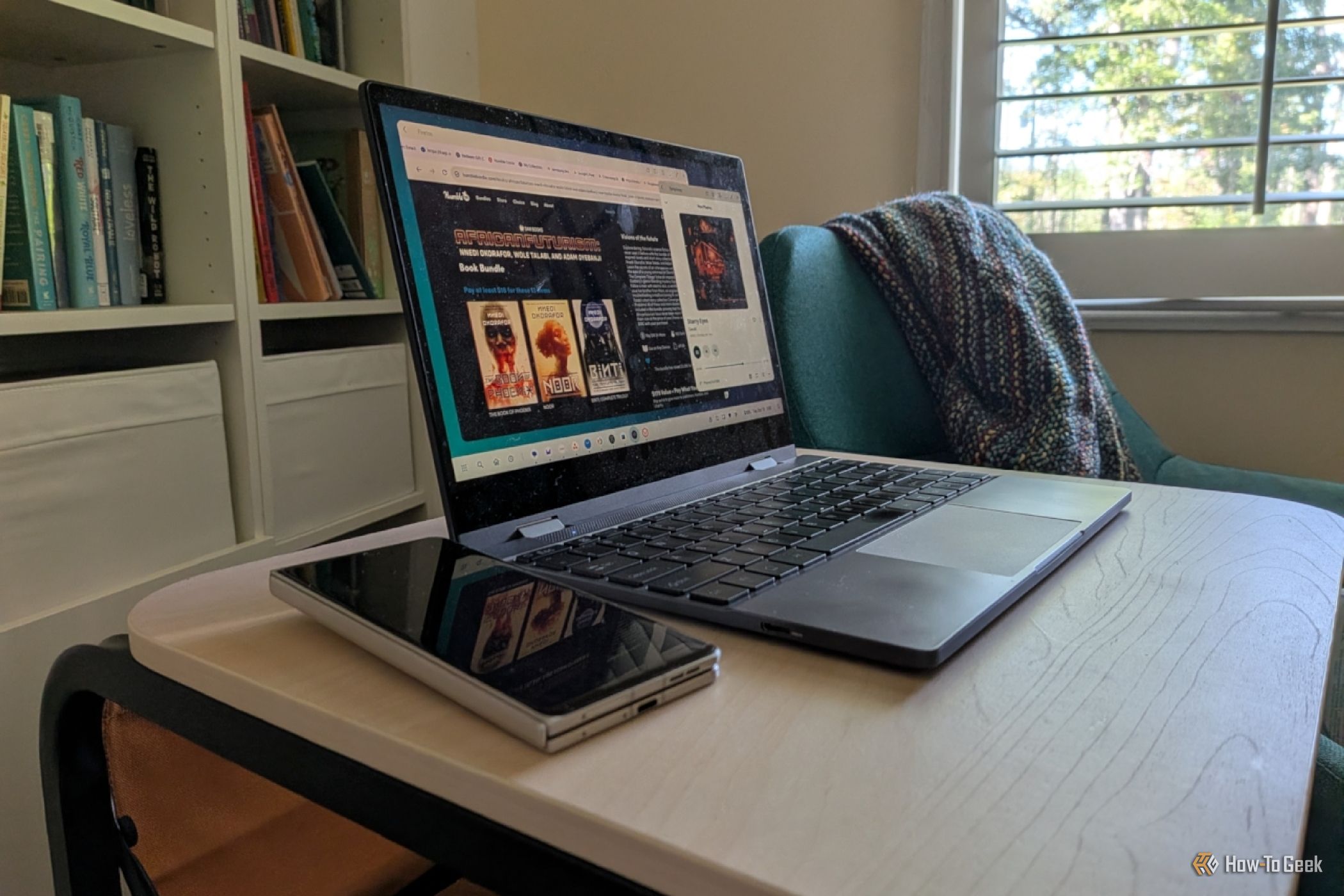
Turn Your Android Phone into a Powerful Desktop Replacement
Learn how to transform your Android phone into a full-fledged desktop computer using external displays and accessories, providing a cost-effective and integrated alternative to new Googlebooks.

howto: Four Ways the Fitbit Edge Is Better Than the Charge 6, and Two
Learn the key differences between the Fitbit Edge and Charge 6, including four advantages of the Edge and two areas where it falls short, to help you choose the best fitness tracker for your needs.
How to Connect Your Googlebook to a Printer - Print Documents with
Learn to quickly connect your Googlebook to a printer via Wi-Fi, USB, or Bluetooth and print documents in minutes. This guide covers direct printing, app-specific connections, troubleshooting, and even printing screenshots as a workaround.