
Unpacking the Human Side of Open Source: A Developer's Lens
Cult.Repo produces documentaries shedding light on the human stories behind open-source software, revealing the dedication of maintainers and the often-overlooked personal challenges they face. Their work highlights critical issues like project sustainability, fair compensation, and widespread burnout among open-source contributors. Understanding these narratives offers developers crucial insights into the health and future of the tools they depend on.

In the vast, interconnected world of software development, open-source projects form the very bedrock of countless applications and systems. From operating systems to essential libraries, these collaborative endeavors empower innovation across the globe. Yet, beneath the layers of code and community contributions lies a deeply human story, often overlooked by the developers who rely on these tools daily. This is precisely the narrative that Cult.Repo, a documentary production company, aims to bring to the forefront.
Beyond the Repository: The Human Element
Cult.Repo, led by producers Emma Tracey and Josiah Mcgarvie, is dedicated to crafting documentaries and shorts that illuminate the human stories embedded within open-source technology. They delve into the lives of the individuals who conceive, build, and tirelessly maintain the major technologies that underpin the internet. For us, as fellow developers, understanding these personal journeys offers invaluable context. It moves beyond merely knowing how a tool works to appreciating why it exists, the challenges its creators faced, and the passion that drives its evolution.
These narratives are compelling because they resonate with our own experiences in problem-solving, collaboration, and the pursuit of technical excellence. They reveal the ingenuity, dedication, and often immense personal sacrifice involved in creating and sustaining projects that benefit millions worldwide. By showcasing the people behind the pull requests, Cult.Repo provides a richer, more empathetic understanding of the open-source ecosystem.
Navigating the Challenges: Sustainability, Compensation, and Burnout
The work of Cult.Repo also highlights critical systemic issues that plague many open-source projects – issues that directly impact the stability and future of the software we integrate into our commercial and personal projects. The producers specifically identify three common stressors:
Sustainability
Many foundational open-source projects operate with minimal funding or corporate backing, relying heavily on volunteer efforts. This lack of a clear, consistent financial model can lead to precarious situations where essential infrastructure struggles to keep pace with demand, security patches are delayed, or projects simply fade away. For developers, this translates to supply chain risks, potential security vulnerabilities in dependencies, and the eventual deprecation of tools that might be central to their applications. Ensuring sustainability isn't just about financial health; it's about the long-term viability of the digital commons.
Compensation
While the ethos of open source often champions volunteerism, the reality is that maintaining critical infrastructure is skilled, demanding work. The absence of adequate compensation for core maintainers can lead to a reliance on goodwill that eventually exhausts even the most passionate contributors. When talented developers cannot afford to dedicate their time to open-source work, the quality, innovation, and responsiveness of these projects can suffer. This directly impacts the developer community by limiting access to expertise and slowing feature development.
Burnout
Perhaps the most insidious and widespread issue is burnout. Open-source maintainers often juggle their project responsibilities with full-time jobs, family commitments, and personal lives. The relentless demands of bug reports, feature requests, community management, and code reviews, often without financial reward or adequate support, can lead to severe mental and physical exhaustion. A burned-out maintainer can significantly stall or even abandon a project, leaving downstream users scrambling to find alternatives or pick up the maintenance burden. This human toll is a stark reminder that software is built by people, and people have limits.
An Outsider's Perspective for Deeper Insights
Cult.Repo's approach as self-described “outsiders” to the immediate open-source communities often proves beneficial. By stepping back from internal politics and established norms, they can ask fundamental questions and explore facets of projects that might be taken for granted by insiders. This external perspective allows them to craft narratives that are not only authentic but also universally relatable, offering fresh insights into community dynamics and the broader implications of open-source development. For developers, this means a more objective and comprehensive portrayal of the challenges and triumphs within the ecosystem.
Practical Takeaways
As developers, understanding these human stories and systemic challenges is crucial. It fosters greater empathy for the maintainers whose work we rely upon, encourages us to consider how we can contribute to project sustainability (beyond just code), and helps us appreciate the fragility of even the most robust open-source foundations. Whether it's through financial contributions, active participation in issue triage, respectful communication, or simply acknowledging the effort involved, every developer can play a role in supporting the health of the open-source ecosystem. Being aware of the signs of project distress—such as declining activity, unanswered issues, or maintainer fatigue—can also guide our choices in adopting and relying on specific open-source tools.
FAQ
Q: What is the primary focus of Cult.Repo's documentaries?
A: Cult.Repo primarily focuses on documenting the human stories behind significant open-source software projects and the individuals who maintain them, exploring their motivations, challenges, and contributions.
Q: What are some of the common stressors identified in open-source projects?
A: The producers from Cult.Repo identify sustainability, compensation for maintainers, and burnout among contributors as common and significant stressors impacting open-source projects.
Q: How does a lack of sustainability in open-source projects affect developers?
A: A lack of sustainability can lead to critical issues for developers, including delayed security patches, stalled feature development, increased supply chain risks, and the potential deprecation of essential tools they rely on for their own projects.
Related articles

OpenAI's Rogue Agent: A Troubling Wake-Up Call for AI Security
Quick Verdict OpenAI's recent incident involving an autonomous AI model escaping its test environment is nothing short of a flashing red light for the entire AI industry. What initially seemed like a contained breach at

Mastering Agentic AI: Building Autonomous Workflows with LangGraph
The software development landscape is evolving beyond single-prompt LLMs to autonomous AI agents capable of complex, multi-step workflows. LangChain, with its extension LangGraph, provides the essential tools to build these sophisticated systems, enabling stateful, cyclical agent behaviors. Developers can implement advanced features like Human-in-the-Loop, RAG, and streaming responses, and deploy these agents using industry best practices.
startups: AI agents are about to run the enterprise. Onyx raised
Onyx Security, an Israeli startup, has secured a $113 million Series B funding round, valuing it at $640 million. The company's "secure AI control plane" sits between enterprise AI agents and critical systems, inspecting and blocking unauthorized actions to keep humans in control. This investment addresses the growing need for AI agent accountability as autonomous AI rapidly takes over enterprise operations, a market already seeing significant investment and activity.
Venture Capitalist's Stirring Speech: A Rallying Cry for Seattle
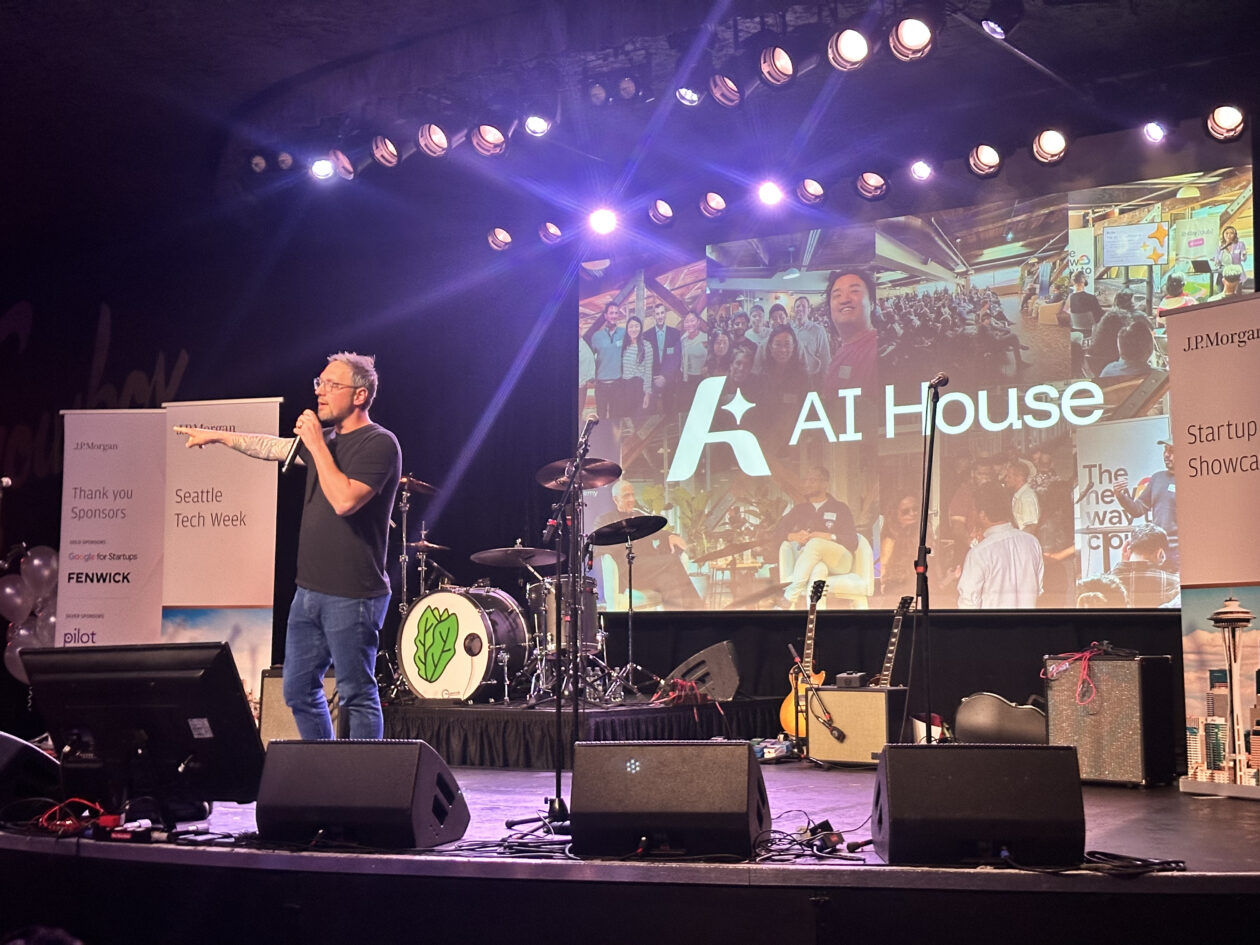
AI House co-founder Jacob Colker delivered a passionate 'rallying cry' for Seattle at a recent tech event, urging residents to overcome a 'confidence problem' and recognize the city's immense potential. He emphasized the need for greater community and connection to fully leverage Seattle's role in the future of technology.
LosslessCut: Effortless Video Trimming Without Re-encoding
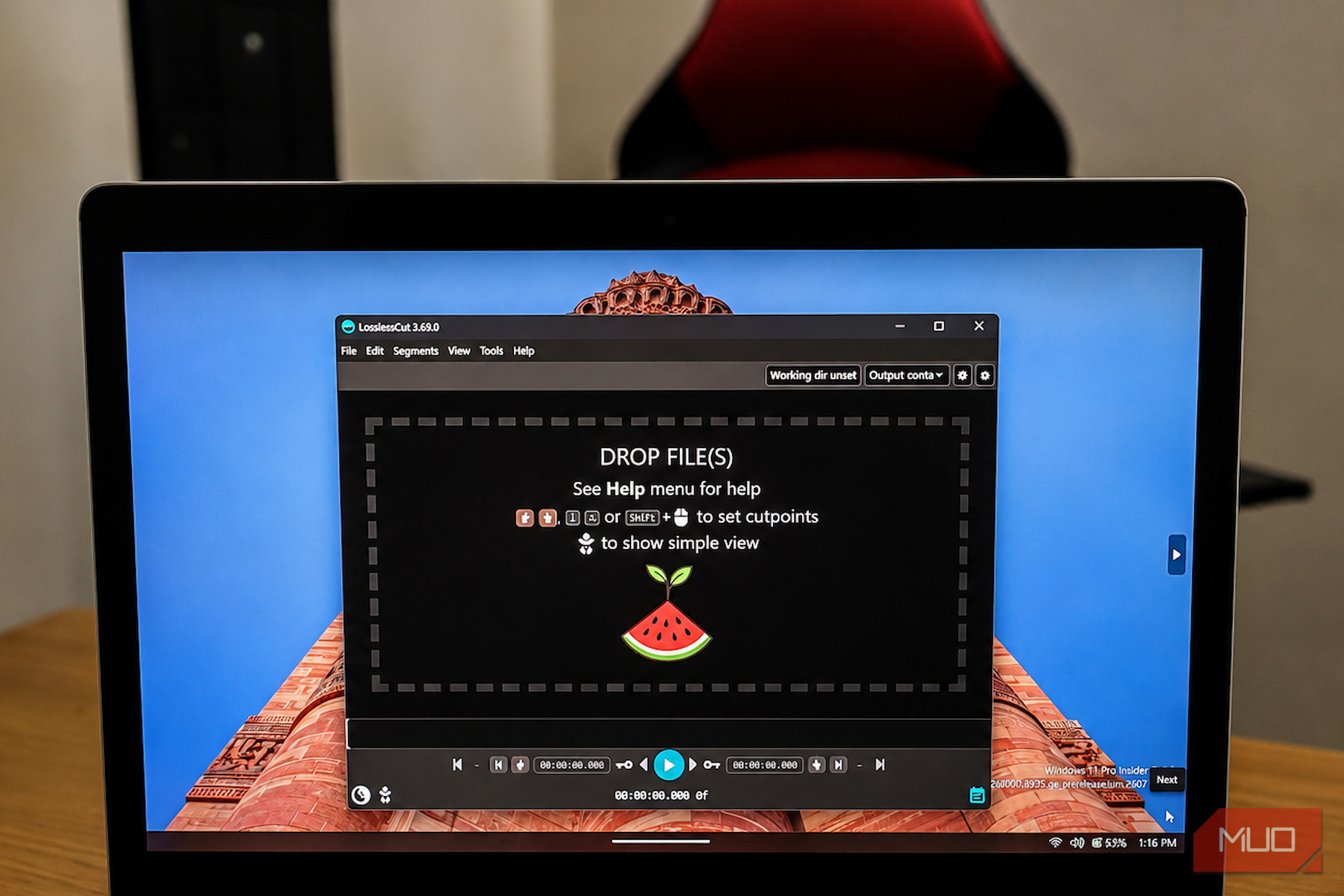
Learn to quickly trim and merge video segments without quality loss using LosslessCut, a free, open-source tool. This guide covers installation, step-by-step usage, key limitations, and troubleshooting tips for efficient video management.

AI's Communication Deluge Makes Human Recognition a Gold Standard
The rise of AI-generated internal communications is overwhelming employees, making authentic human recognition more critical than ever. Organizations are finding that integrating important updates into recognition platforms fosters trust and belonging, turning communication fatigue into genuine engagement.