
Ukraine's Rocket Factory Strike: A Decisive Strategic Blow
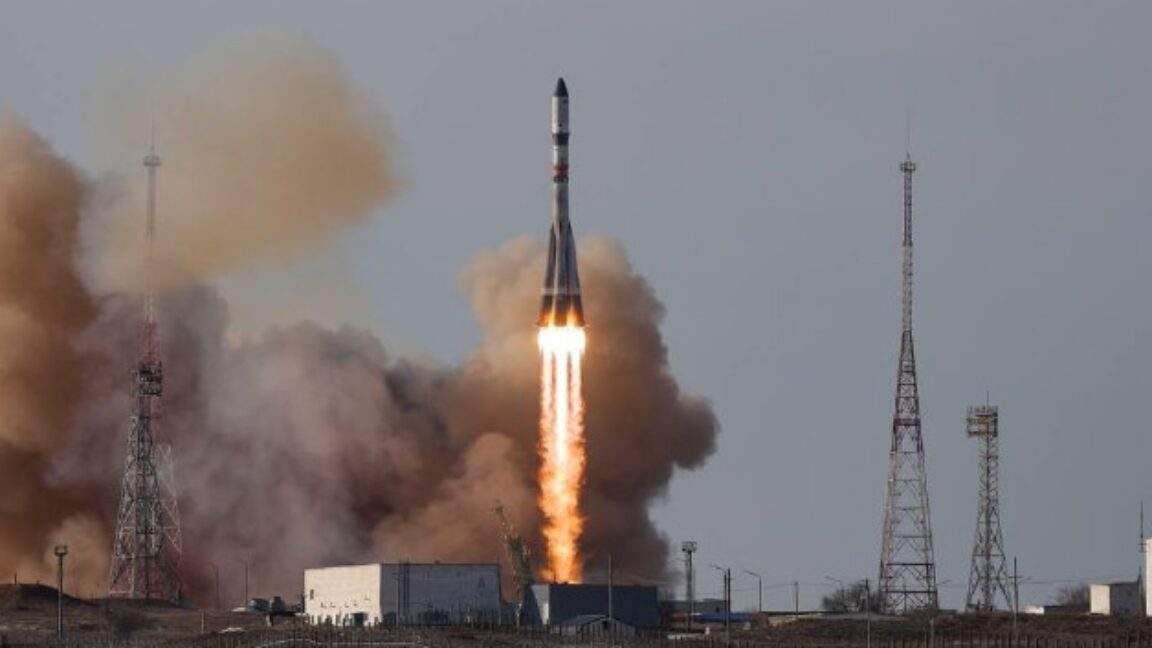
Ukraine's recent cruise missile strike on Russia's vital Progress Rocket Space Center demonstrates advanced long-range capabilities, hitting a critical military and civil space asset and potentially exacerbating Russia's rocket production shortages.
Quick Verdict
Ukraine's recent long-range cruise missile strike on the Progress Rocket Space Center in Russia's Samara region represents a significant strategic achievement. Utilizing the domestically developed FP-5 "Flamingo" missiles, this operation targeted a critical component of Russia's military and civil space infrastructure. While the full extent of the damage remains unconfirmed, the strike highlights Ukraine's evolving offensive capabilities and could severely impact Russia's already strained rocket production capacity, particularly for the indispensable Soyuz-2 launch vehicle.
Key Details and Specifications
On August 15, 2026, Ukrainian forces executed a precision strike deep within Russian territory, targeting the Progress Rocket Space Center in Samara. This facility, approximately 900 kilometers from the Ukrainian border, is a cornerstone of Roscosmos, Russia's state space corporation. It's responsible for the assembly of the country's primary launch vehicles, the Soyuz-2 and the newer Soyuz-5 rockets, and plays a crucial role in military satellite production, including electronics. Ukrainian President Volodymyr Zelenskyy confirmed the attack, specifically mentioning the use of "Flamingo missiles" and calling it "a good achievement."
The weapon employed was the FP-5 "Flamingo" cruise missile. Developed by the Ukraine-based defense group Fire Point, these ground-launched missiles boast a range of several thousand kilometers. They have a documented history of use against strategic targets within Russia, including energy infrastructure and other military production facilities. The strategic nature of the target – a key rocket manufacturing plant involved in both civil and military space endeavors – aligns with the missile's established role in targeting high-value assets.
While specific details regarding the extent of the damage are still emerging, open-source reports suggested a clean room for avionics, a component critical for electronics production, may have been hit. Given the dual-use nature of Russia's space industry, where civil and military programs are deeply intertwined, the strike, even if not explicitly aimed at civilian space infrastructure, carries significant implications for both sectors.
Strategic Execution and Impact
From an operational standpoint, this strike demonstrates a notable enhancement in Ukraine's long-range projection capabilities and intelligence gathering. Penetrating 900 km into Russian territory with a ground-launched cruise missile speaks volumes about the FP-5 Flamingo's reach and the sophistication of its deployment. The targeting of a high-value industrial asset, rather than solely military installations near the front lines, signifies a shift towards disrupting Russia's long-term strategic capabilities and industrial base.
The Progress Rocket Space Center is not just any factory; it is Russia's most critical manufacturer of launch vehicles. Its primary output, the Soyuz-2 family of rockets, accounts for over 85 percent of all Russian rocket launches since 2020. This vehicle is pivotal for a wide array of civil and military applications, including critical missions to the International Space Station, carrying a lift capacity of around 8 metric tons to low-Earth orbit.
Any sustained damage to this facility, particularly to sensitive areas like avionics production, could have a crippling effect on Russia's space programs. Even prior to this incident, Russian space officials had reported that demand for Soyuz rockets significantly outstripped production capacity, projecting a deficit of 30 to 50 percent for the period between 2027 and 2030. This strike is likely to exacerbate these pre-existing logistical and manufacturing bottlenecks, potentially causing further delays and impacting Russia's ability to maintain its space presence and military satellite constellations.
Pros and Cons
Pros (for Ukraine/Impact on Russia):
- Strategic Disruption: Directly impacts Russia's ability to produce its most important rockets for both military and civil applications.
- Advanced Capability Demonstration: Showcases Ukraine's growing capacity for long-range, precision strikes deep within adversary territory, utilizing indigenous technology.
- Exacerbated Production Shortages: Worsens Russia's pre-existing struggle to meet demand for Soyuz rockets, potentially affecting future space missions and military deployments.
- Psychological Impact: Delivers a significant blow to Russian industrial confidence and signals Ukraine's ability to hold critical assets at risk.
Cons (Potential Challenges/Risks):
- Escalation Risk: Strikes on high-value industrial targets could provoke a strong response from Russia.
- Limited Immediate Impact (if damage is minor): If the damage is quickly repairable or less extensive than hoped, the long-term strategic benefit might be reduced.
- Resource Expenditure: Long-range cruise missiles like the Flamingo are high-value assets, and their use must be carefully weighed against the strategic return.
Comparison to Russian Rocket Alternatives
To understand the full impact of the strike on the Soyuz-2 program, it's helpful to consider its position within Russia's broader launch vehicle ecosystem:
| Rocket Type | Primary Role & Status | Capacity (LEO) | Production Site |
|---|---|---|---|
| Soyuz-2 | Workhorse vehicle; ~85% of Russian launches since 2020; civil/military; ISS human launches. Demand exceeds capacity. | ~8 metric tons | Progress Rocket Space Center (Samara) |
| Proton | Older heavy-lift vehicle; aging out of service. | Higher (various variants) | Khrunichev State Research and Production Space Center (Moscow) |
| Angara | Newer generation; intended to replace Proton; very slow launch cadence due to production challenges. | Various (light to heavy) | Khrunichev (Omsk/Moscow) |
The Progress Rocket Space Center's role in assembling the Soyuz-2 highlights its critical importance. Unlike the Proton, which is aging out, or the Angara, which has struggled with production rates, the Soyuz-2 is the backbone of Russia's current space operations. Disrupting its production at Samara directly targets the most active and reliable part of Russia's launch capability.
Strategic Recommendation
From a purely analytical perspective, Ukraine's strike on the Progress Rocket Space Center represents a high-value, high-impact strategic maneuver. The use of the FP-5 "Flamingo" cruise missile to reach such a distant and critical target demonstrates advanced capability and a clear understanding of Russia's strategic vulnerabilities. While the immediate operational impact on Russia's space program will depend on the full extent of the damage and repair timelines, the long-term implications are significant. Given Russia's pre-existing production shortages for the Soyuz-2, this strike is likely to further strain its space industrial base, affecting both military satellite deployments and commitments to international partners like the ISS. This move underscores a calculated effort by Ukraine to degrade Russia's strategic assets far from the front lines, affecting its long-term technological and military posture. For those monitoring strategic military and technological developments, this event is a crucial indicator of evolving battlefield dynamics and capabilities.
FAQ
Q: What is the significance of the Progress Rocket Space Center?
A: The Progress Rocket Space Center is Russia's most vital manufacturer of launch vehicles, particularly the Soyuz-2 rocket. It's responsible for assembling rockets used in both civil and military space programs, including human spaceflight to the International Space Station and military satellite production, making it a critical strategic asset.
Q: How far is the Progress Rocket Space Center from Ukraine?
A: The Progress Rocket Space Center in the Samara region of Russia is located approximately 900 kilometers (about 560 miles) from the Ukrainian border.
Q: What are the FP-5 "Flamingo" missiles?
A: The FP-5 "Flamingo" missiles are ground-launched cruise missiles developed by Fire Point, a Ukraine-based defense group. They possess a range of several thousand kilometers and have been previously used by Ukraine to target energy infrastructure, military production facilities, and other strategic objectives deep within Russia.
Related articles
Android 17 QPR2 Beta 7.1: The Performance Relief You've Been Waiting
Android 17 QPR2 Beta 7.1: Finally Fixing the QPR1 Performance Woes Verdict: Android 17 QPR2 Beta 7.1 is a crucial and highly anticipated software update for Google Pixel users, specifically targeting and resolving the

DJI Solo Video Setups: Smart Choices for Lone Creators
This review delves into DJI's recommended solo video setups, highlighting the Osmo Pocket 3 Creator Combo as a top pick for its integrated camera, gimbal, and mic. It also covers stabilizers like the Osmo Mobile 8 and RS 4, and the DJI Mic Mini series for enhanced audio, providing honest pros, cons, and clear buying advice.

Ars Technica's Rocket Report: Your Essential Space Industry Briefing
Quick Verdict Ars Technica's Rocket Report, presented by veteran space reporter Stephen Clark, offers an invaluable and meticulously organized weekly (or similar frequency, implied by "Edition 9.15") digest of the most

Apple iPhone Duo: A Daring Debut with Notable Compromises
Apple's highly anticipated iPhone Duo, priced at $2,000, has gone on pre-order. While hailed as "Apple's most exciting device in a decade" for its innovative foldable design and immersive display, it comes with significant drawbacks like the absence of FaceID and a premium camera.
KDE Plasma 6.8: A Future-Focused 30th Anniversary Update
Quick Verdict KDE Plasma 6.8, arriving as the "30th Anniversary Edition," is a pivotal release that decisively pushes the desktop environment into the future. With a definitive farewell to native X11 sessions and a
Galaxy Watch One UI 9 Beta: Promising Progress, But Patience Needed
Galaxy Watch 8, Watch Ultra, and Watch 7 are receiving a new One UI 9 Watch beta build with bug fixes and a security patch. Active development signals progress, but a stable release date remains elusive.