
Three Ways to Safely Adapt to Exercising in the Heat - Boost
Learn three effective ways to adapt your body to exercising in the heat, from normal training in warm conditions to post-workout sauna sessions. Enhance your comfort and performance in just two weeks.

Exercising in the heat can feel like a daunting challenge, often leading to sluggishness and intense sweating. While the comfort of an air-conditioned gym is appealing, your body has an incredible ability to adapt to hot conditions. By following a structured approach, you can not only make summer workouts more bearable but also potentially gain a performance advantage when the temperatures drop.
This guide will walk you through three effective strategies to gradually acclimate your body to exercising in warm weather. You'll learn how to leverage scientific protocols to enhance your body's natural cooling mechanisms, increase blood volume, and ultimately feel more comfortable and perform better in the heat.
Important Safety First: Before you begin any heat adaptation protocol, it's crucial to prioritize your safety. Always:
- Drink to thirst: Or even a little more, to stay well-hydrated.
- Listen to your body: Stop immediately and seek help if you experience symptoms of heat illness such as nausea, dizziness, or weakness.
- Know your limits: If the temperature is too extreme for you to handle, stay indoors.
- Check air quality: Hot days often come with poorer air quality, which can further impact your workout and health.
Why Heat Adaptation Matters
When you exercise, your body temperature naturally rises. In hot weather, this internal heat combines with external heat, forcing your body to work much harder to cool itself down. Your heart, for instance, has to pump blood to both your working muscles and to the surface of your skin for cooling – a demanding task that contributes to feelings of exhaustion.
Interestingly, your brain also plays a protective role. It proactively perceives effort differently in the heat, making you feel sluggish even before your core temperature reaches dangerous levels. This is a built-in mechanism to conserve energy and prevent overheating. Studies have shown that athletes are slower in hot conditions from the start, not just after they've overheated.
By adapting to the heat, you train your body to cool itself more efficiently. One significant benefit is an increase in blood volume. This allows your body to better distribute blood to your skin for cooling, while still supplying enough oxygen and nutrients to your muscles. This effect has even been compared to a mild, natural form of 'blood doping,' offering a legitimate performance boost.
However, heat adaptation requires effort. Simply avoiding the heat all summer won't improve your tolerance. You need to actively expose your body to warm conditions over a period of time. After a few weeks of consistent exposure, your body will become more efficient at cooling itself, and those hot-weather workouts will feel less arduous. While you'll still feel warm, you'll be able to sustain a higher level of effort for longer before your body temperature reaches unsafe levels.
Three Ways to Get Used to Exercising in the Heat
These methods generally require about two weeks of consistent effort to see significant results. Choose the option that best fits your lifestyle and training schedule.
Way 1: Train Normally, Without Avoiding the Heat
This is a straightforward approach for many athletes. Instead of seeking air-conditioned environments, simply commit to doing your regular workouts outdoors in the heat for approximately two weeks.
- Protocol: Scientific research often uses protocols involving 7 to 10 consecutive days of exercising in the heat for 60 to 90 minutes each day. For individuals or teams, a simpler method is to just perform your normal training routine in the heat for about two weeks.
- Start Gradually: It's vital to ease into this. On your first day, reduce your usual workload significantly. The Occupational Safety and Health Administration (OSHA) recommends workers start with just 20% of their typical workload on their first day in the heat, gradually ramping up to 100% within a week. Apply this same caution to your workouts.
- Troubleshooting: Your brain will initially tell you that you're super tired and need to slow down. Acknowledge this, but continue safely, knowing that this is part of the adaptation process.
Way 2: Spend Two Hours in the Heat Every Day (Exercising or Not)
This method emphasizes consistent heat exposure, whether you're actively exercising for the entire duration or not. It's based on U.S. Army training protocols.
- Protocol: Aim to spend at least two hours in a hot environment each day. This exposure should include some form of cardiovascular exercise, such as running, cycling, or any activity that elevates your heart rate, as part of that two-hour period.
- Gradual Progression: If you find two hours too challenging initially or start to feel symptoms like nausea or dizziness, reduce your time. View the two-hour benchmark as a goal to work towards gradually.
- Results: While full adaptation takes about two weeks of this daily exposure, you might start noticing positive changes in just a few days.
Way 3: Visit the Sauna After Each Workout
This option allows you to achieve heat adaptation without relying solely on the outdoor weather. It's particularly convenient if your gym has a sauna.
- Protocol: After finishing your workout, step into a sauna or take a hot bath. The key here is that your body temperature is already elevated from your exercise, which enhances the adaptation effect.
- Duration: Start with shorter sessions, around 15 minutes, and gradually work your way up to 30 minutes. The total time spent in the sauna should be between 15 and 30 minutes post-workout.
- Tip: If you skip your workout but still want to use the sauna for heat adaptation, you'll need to extend your session by approximately 20 minutes to achieve a similar effect, as your body won't be pre-heated from exercise.
Maintaining Your Heat Adaptations
Once you've achieved heat adaptation, you'll need to continue exposing yourself to warm conditions to maintain your 'hot-weather superpowers.' Taking a few days off is fine, but if you slack off for a week, you'll start to lose these adaptations. The U.S. Army estimates that you can lose about 75% of your adaptations after just three weeks of no heat exposure.
To keep your heat training benefits even when the weather cools:
- Strategic Layering: Consider wearing long sleeves and tights during your cooler-weather workouts, similar to how elite athletes maintain their edge.
- Choose Hotter Conditions: If possible, occasionally run at the hottest time of day, on exposed asphalt roads with no shade, to simulate warmer environments.
- Continue Sauna Use: Revisit the post-workout sauna protocol to provide regular heat exposure regardless of the outside temperature.
By consistently incorporating heat exposure into your routine, you can maintain your adaptations and continue to reap the performance benefits year-round. Stay safe, listen to your body, and enjoy your enhanced endurance and comfort in challenging conditions.
FAQ
Q: How long does it typically take to adapt to exercising in the heat? A: Significant heat adaptation generally takes about two weeks (7-14 days) of consistent exposure, following one of the protocols mentioned above. You may start noticing improvements within a few days.
Q: What are the critical signs that I should stop exercising in the heat immediately? A: Always stop and seek help if you experience symptoms of heat illness such as nausea, dizziness, or weakness. Your body proactively slows you down in the heat, so listen to these early warning signs.
Q: Will heat training make me a faster runner or athlete in cooler weather too? A: Yes, research suggests that adapting to the heat can lead to a small performance boost even when the weather cools down. This is partly due to an increase in blood volume, which helps your body cool more efficiently and deliver more oxygen to your muscles, an effect compared to mild blood doping.
Related articles
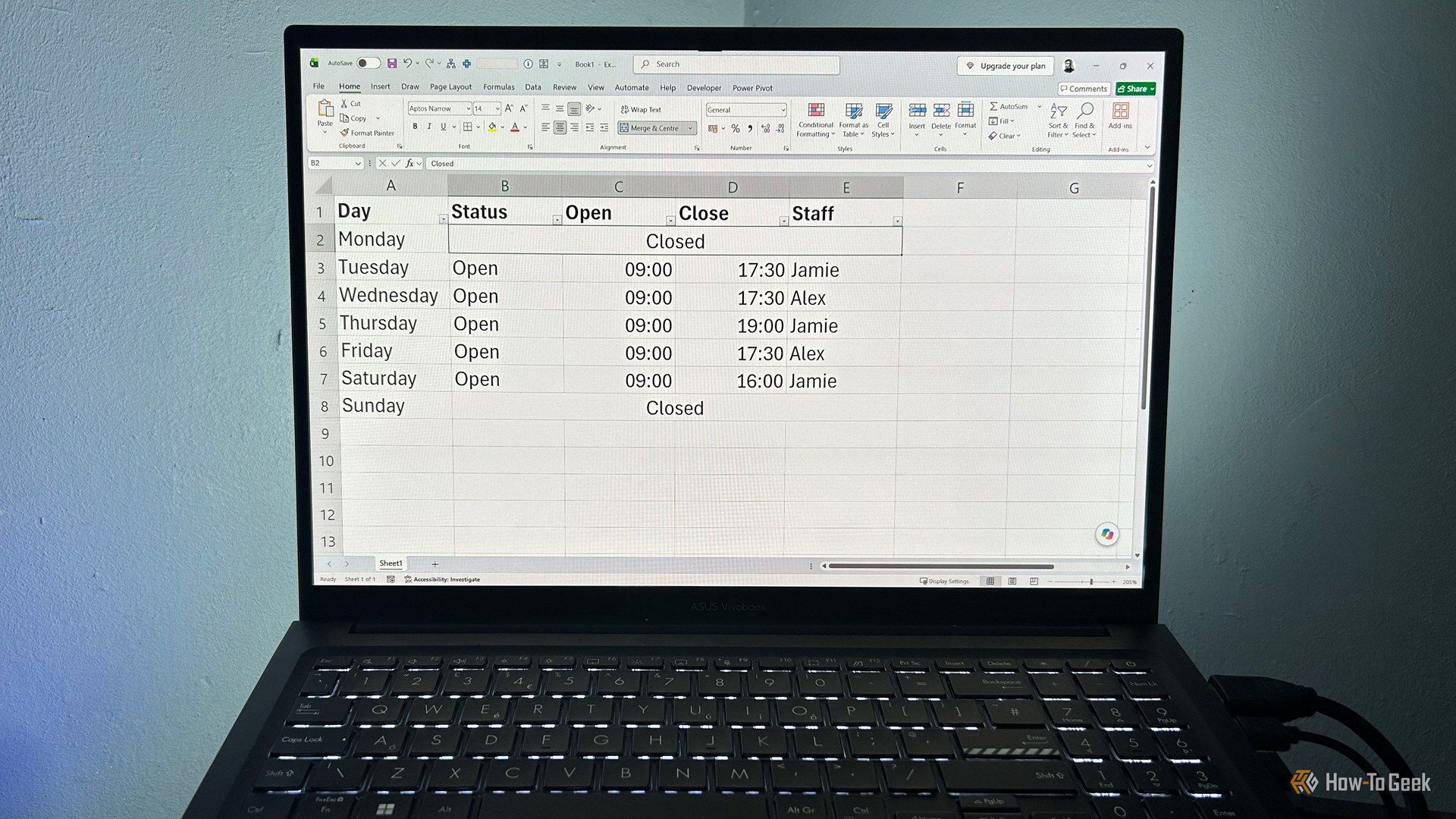
Ditch Merge & Center: The Better Way to Align Text in Excel
Learn to use Excel's "Center Across Selection" to align text across cells without merging, avoiding common data manipulation issues. This guide provides steps to utilize this newly accessible feature and add it to your Quick Access Toolbar.

Stop Android Auto Battery Drain: Essential Features to Disable and
Android Auto offers unparalleled convenience, bringing your phone's most useful features directly to your car's display. From navigation and calls to messages and music, it keeps you connected without distracting you

Beyond the Bugs: Conquering Studio Headaches in Indie Dev
This guide, part three in a series on running an indie studio, tackles the crucial but often overlooked aspect of dealing with non-development related issues. It introduces creating a shared 'studio backlog' for collective problems and using the IDS (Identify, Discuss, Solve) framework to address them constructively. The core message is to build powerful habits that keep studios from getting quietly derailed by lingering challenges.
Turn Your Android Phone into a Powerful Desktop Replacement
Learn how to transform your Android phone into a full-fledged desktop computer using external displays and accessories, providing a cost-effective and integrated alternative to new Googlebooks.

howto: Four Ways the Fitbit Edge Is Better Than the Charge 6, and Two
Learn the key differences between the Fitbit Edge and Charge 6, including four advantages of the Edge and two areas where it falls short, to help you choose the best fitness tracker for your needs.

How to Connect Your Googlebook to a Printer - Print Documents with
Learn to quickly connect your Googlebook to a printer via Wi-Fi, USB, or Bluetooth and print documents in minutes. This guide covers direct printing, app-specific connections, troubleshooting, and even printing screenshots as a workaround.