
This robotic self-driving toilet comes to you: Robotics — Key Details
Chinese company Yueban has unveiled Xiaoban, an autonomous, self-driving toilet designed to enhance accessibility for individuals with mobility issues. Featuring lidar navigation, a built-in bidet, self-cleaning, and automated waste disposal, it seeks to bring personal hygiene solutions directly to the user.

Chinese company Yueban has unveiled an autonomous, self-driving toilet named Xiaoban, designed to revolutionize accessibility for individuals with mobility challenges. Debuted at a recent Shanghai expo focused on elderly care and assistive devices, the robotic commode navigates independently to the user, offering a significant improvement over traditional bathroom setups. This innovative solution aims to enhance independence for those affected by age, injuries, or disabilities.
The Xiaoban utilizes advanced navigational technology, similar to modern robot vacuums, to maneuver through homes or care facilities. Equipped with lidar and ultrasonic sensors, it meticulously plans safe routes, deftly avoiding obstacles and stairs upon command, whether by remote or voice activation. While users may still require assistance to position themselves on the toilet, the device handles most other aspects of the sanitation process autonomously.
Beyond its self-driving capabilities, the Xiaoban integrates a comprehensive suite of features for user hygiene and waste management. It includes a built-in bidet and a warm air drying mechanism, eliminating the need for toilet paper. For cleanliness, the toilet bowl self-cleans, and waste is securely sealed within an enclosed receptacle. Ultraviolet (UV) lights are also employed to eliminate bacteria, collectively working to minimize odors and reduce any social stigma associated with using a toilet outside a conventional bathroom.
Once a user has finished, the Xiaoban autonomously transports itself for waste disposal. According to video demonstrations, this involves an extending robotic arm that empties the sealed waste into a traditional toilet. The system is designed to provide a completely self-contained and hygienic experience from start to finish.
The Shanghai expo, dedicated to showcasing innovations in elderly care and rehabilitation, provided a fitting platform for Yueban's debut. The emphasis on improving daily life through technology resonated strongly, highlighting the growing demand for solutions that support an aging global population and those with permanent or temporary physical limitations. The Xiaoban's design reflects a holistic approach, considering not just the act of toileting but also the entire user experience, from summoning to cleaning and disposal.
Its ability to minimize odors and self-clean addresses key concerns regarding hygiene and the comfort of using a portable or in-room sanitation device. This meticulous attention to detail underscores the potential for the Xiaoban to be more than just a functional tool, offering a dignified and discreet option for personal care. The integration of advanced sensors ensures it can safely operate in diverse home layouts, a crucial factor for widespread adoption.
Currently, the Xiaoban is projected to cost ¥28,999 yuan in China, which converts to approximately $4,300. While this positions it as a premium assistive device, global availability has not yet been confirmed by Yueban. The high price point, however, could be a barrier for many potential users. Future iterations or increased production might eventually lead to more accessible pricing, making this transformative technology available to a broader demographic. Nevertheless, the Xiaoban stands as a testament to how robotics and AI can be harnessed to tackle deeply personal and challenging aspects of daily living, pushing the boundaries of what assistive devices can achieve.
FAQ
Q: What is the primary purpose of the Yueban Xiaoban toilet?
A: The Yueban Xiaoban is an autonomous, self-driving toilet designed to improve accessibility and provide independence for individuals with mobility challenges due to age, injuries, or disabilities, by coming directly to them.
Q: How does the Xiaoban navigate and clean itself?
A: The toilet uses lidar and ultrasonic sensors to autonomously navigate and plan safe routes through a home, avoiding obstacles. For cleaning, it features a built-in bidet, warm air drying, a self-cleaning bowl system, an enclosed waste receptacle, and UV lights to kill bacteria and minimize odors.
Q: What is the estimated cost and availability of the Xiaoban?
A: The Xiaoban is expected to sell for nearly $4,300 (¥28,999 yuan) in China. Global availability details have not yet been confirmed by Yueban.
Related articles

Apple Unveils iPhone Duo: Pricey Foldable Sees Soaring Demand
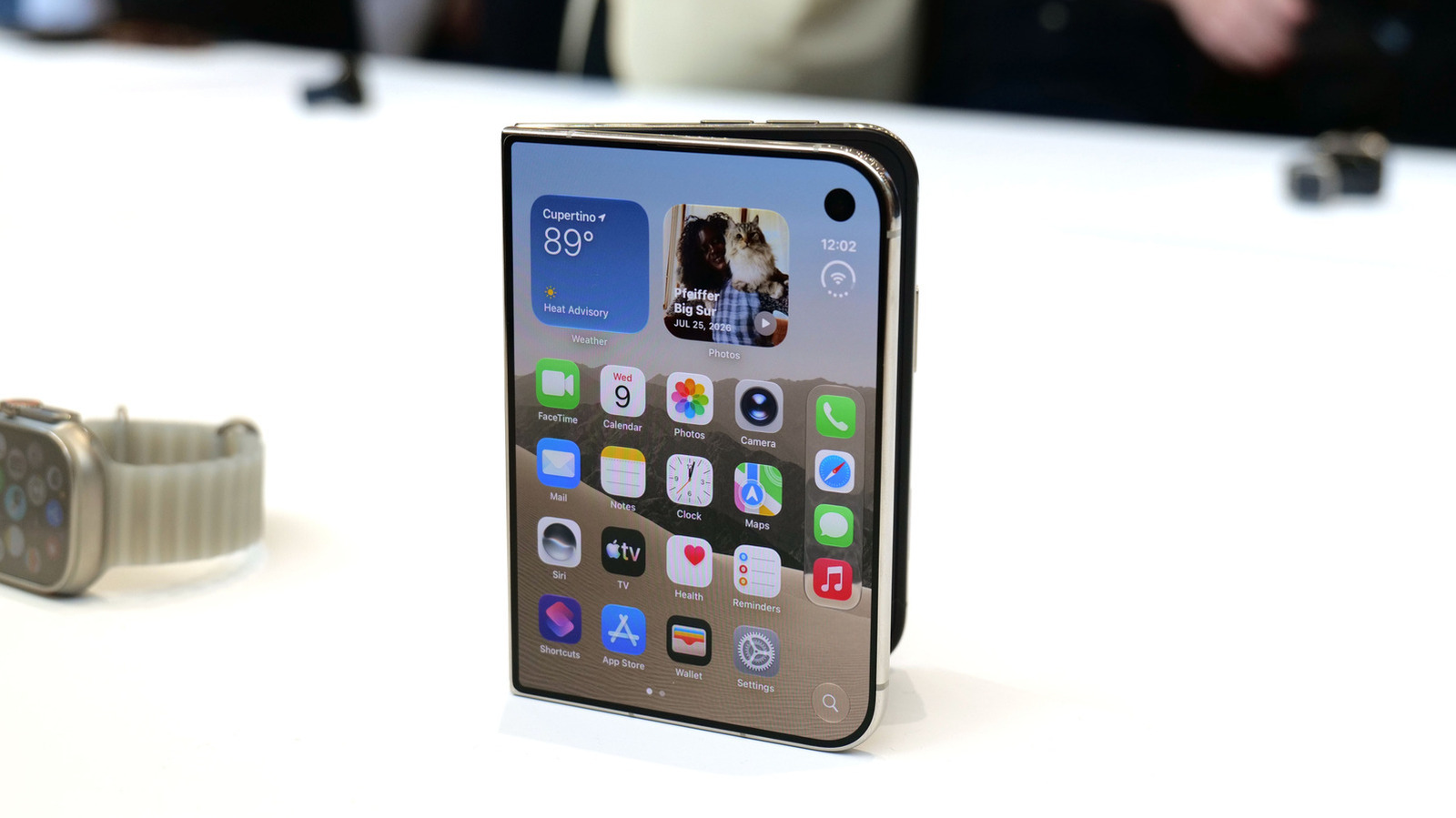
Apple has officially entered the foldable smartphone arena with the long-anticipated launch of the iPhone Duo. Priced starting at a hefty $1,999, the device features a 5.4-inch outer display and a larger 7.6-inch inner

in-depth: Chicago-Area Cops Helped HSI Spy on Minnesota Anti-ICE
Chicago-area law enforcement, including local police and HSI agents, conducted undercover surveillance on Minnesota anti-ICE activists at an April 2, 2022, talk in Chicago. This operation was part of a federal conspiracy probe into 15 Minnesota activists facing felony charges related to immigration enforcement resistance. Civil liberties advocates have condemned the surveillance as a troubling intrusion into protected political activity.

Mark Wahlberg on using AI in film ‘the right way’ and being open to
Actor Mark Wahlberg believes AI has a place in filmmaking if used responsibly for enhancement, not script generation or actor replacement. At TechCrunch Disrupt, he expressed openness to an AI likeness carrying on his legacy, managed by his family, and emphasized storytelling.
Apple iPhone Duo: A Daring Debut with Notable Compromises
Apple's highly anticipated iPhone Duo, priced at $2,000, has gone on pre-order. While hailed as "Apple's most exciting device in a decade" for its innovative foldable design and immersive display, it comes with significant drawbacks like the absence of FaceID and a premium camera.

Tesla Unveils Thruster-Equipped Roadster, 2028 Production Targeted
Tesla has unveiled its second-generation Roadster, featuring cold-gas thrusters co-developed with SpaceX, enabling it to jump and flip. The electric sports car demonstrated 0-60mph in an astonishing 0.81 seconds, with production targeted for 2028. This highly anticipated reveal also serves as a key recruitment tool for Tesla's ambitious AI and robotics initiatives.
Amazon Prime Video Launches AI-Powered Prime 360 for NBA Coverage
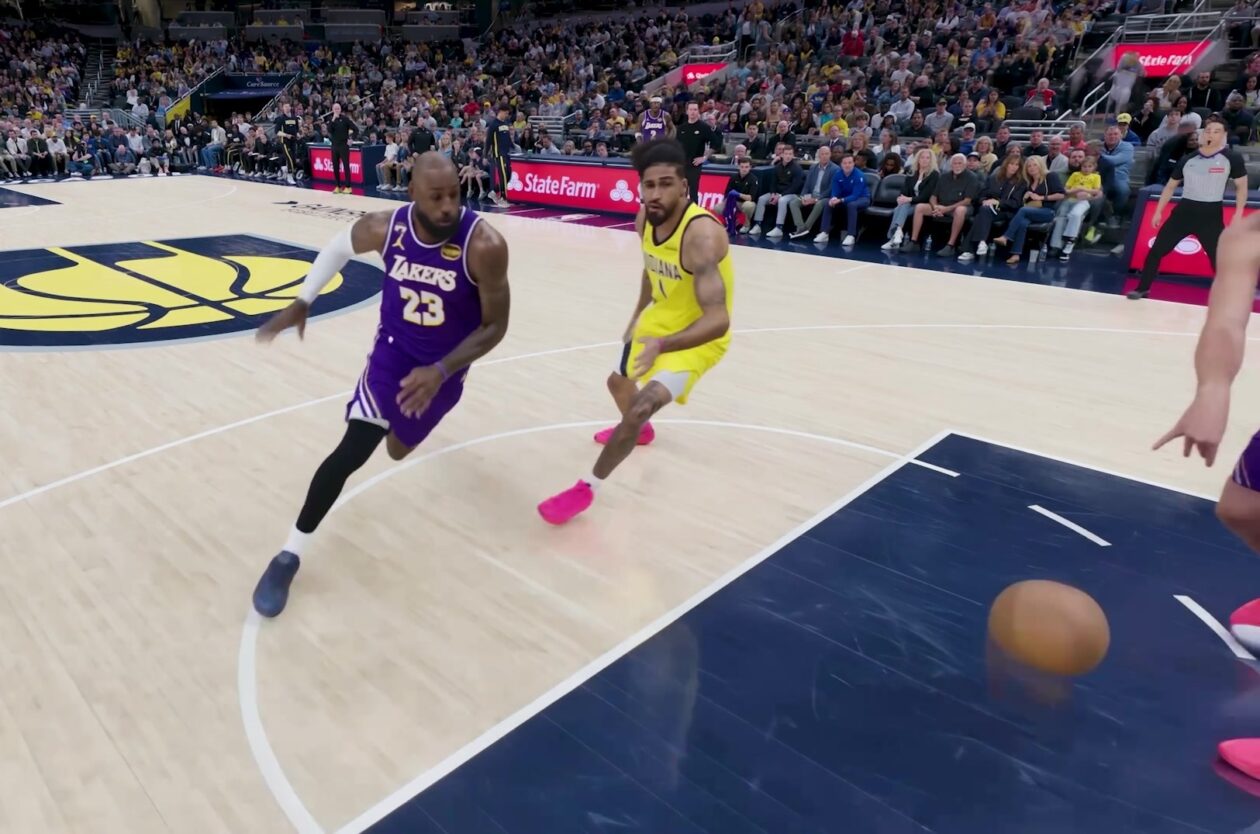
Amazon Prime Video is elevating its NBA coverage with the introduction of Prime 360, an AI-powered replay system offering immersive, 'fly through' views of the action. Kicking off its second season, Prime Video also adds Yahoo fantasy integration and gains exclusive Eastern Conference Finals rights, expanding its tech-driven sports broadcast. The new features aim to deliver a unique and interactive viewing experience for basketball fans.