
The Guardian’s Kai Wright refuses to buy a new phone: Smartphone
Journalist Kai Wright, co-host of The Guardian's *Stateside with Kai and Carter*, revealed in a Verge interview his deliberate choice to not buy new smartphones, citing frustration with planned obsolescence. He relies on hand-me-down devices, advocating for technology that endures rather than constantly requiring upgrades. His views reflect a growing consumer sentiment for durable, less complicated gadgets and a more sustainable tech industry.

In a candid interview with The Verge, Kai Wright, co-host of The Guardian's Stateside with Kai and Carter, has voiced a sentiment increasingly common among consumers: a staunch refusal to participate in the endless cycle of smartphone upgrades. Wright, a Peabody Award-winning journalist, expressed frustration with devices designed for planned obsolescence, revealing he has not purchased a new phone in years, instead relying on his partner's hand-me-downs.
Wright's stance emerged during "The Verge Weekend Questionnaire" published on June 27, 2026. When asked about one desired change for his phone, he stated his wish to buy a single smartphone and never have to replace it, questioning why devices are designed to "constantly go obsolete." This perspective from a prominent figure highlights a broader conversation about device longevity, consumer expectations, and the environmental impact of rapid technological turnover.
Wright's Journey and Perspective
Kai Wright boasts an impressive journalistic career, marked by deep dives into complex societal issues. Beyond his current role at The Guardian, he has hosted acclaimed programs such as Notes From America, The United States of Anxiety, and Indivisible. His work has explored topics ranging from sex, race, and politics to chronicling the AIDS epidemic, providing him with a unique lens through which to view technology's role in modern life.
His aversion to frequent phone upgrades isn't an isolated view but rather a reflection of a desire for simplicity and durability. Wright's practical approach of using inherited devices underscores a growing trend where consumers are seeking to extend the lifespan of their electronics, challenging the industry's push for annual or biannual purchases.
A Broader Disdain for Over-Complication
Wright's interview responses reveal a consistent preference for straightforward, functional tools over overly complex gadgets. While he considers a wine key his most indispensable tool and praises the "brilliant utility" of a wheelbarrow, he points to an unnamed coffee machine as his most disappointing gadget, lamenting its excessive complication. This suggests a philosophical alignment against technology that prioritizes features over fundamental ease of use and longevity.
Even in his digital habits, Wright displays a measured approach, noting a "reasonable" 10 tabs open in his primary browser window, albeit with 11 other windows he couldn't "bring himself to account for." This blend of deliberate simplicity and a touch of digital clutter paints a picture of a user who engages with technology on his own terms, rather than being dictated by it.
Beyond the Screen: Simple Pleasures
Away from the demands of technology and his impactful journalistic work, Wright finds solace in decidedly low-tech activities. He enjoys gardening and listening to the jazz legend John Coltrane, reinforcing a persona that values tangible experiences and timeless art over the fleeting allure of the latest tech. These interests provide a stark contrast to the rapid pace of the tech industry, embodying a desire for stability and enduring value.
Wright's public stance, though personal, resonates with a global movement advocating for the right to repair and a more sustainable electronics industry. His voice adds to a chorus of consumers and policymakers pushing for manufacturers to design products that last longer, are easier to fix, and reduce electronic waste. As the tech world grapples with its environmental footprint and the demands for greater product longevity, figures like Kai Wright serve as a reminder that not everyone is eager to jump on the upgrade treadmill.
FAQ
Q: Who is Kai Wright? A: Kai Wright is a Peabody Award-winning journalist and the co-host of Stateside with Kai and Carter at The Guardian. He has also hosted several other notable programs, including Notes From America and The United States of Anxiety.
Q: Why does Kai Wright refuse to buy a new phone? A: Wright expressed frustration with the concept of planned obsolescence, wishing that smartphones could be a one-time purchase that never becomes obsolete. He chooses to use his partner's hand-me-down phones instead of buying new ones.
Q: What other insights did Wright share about technology? A: He considers a wine key his most indispensable tool and a wheelbarrow the most underappreciated. He also found an unnamed, overly complicated coffee machine to be his most disappointing gadget, highlighting a preference for simplicity and practicality in his tools.
Related articles

Apple Unveils iPhone Duo: Pricey Foldable Sees Soaring Demand
Apple has officially entered the foldable smartphone arena with the long-anticipated launch of the iPhone Duo. Priced starting at a hefty $1,999, the device features a 5.4-inch outer display and a larger 7.6-inch inner

in-depth: Chicago-Area Cops Helped HSI Spy on Minnesota Anti-ICE
Chicago-area law enforcement, including local police and HSI agents, conducted undercover surveillance on Minnesota anti-ICE activists at an April 2, 2022, talk in Chicago. This operation was part of a federal conspiracy probe into 15 Minnesota activists facing felony charges related to immigration enforcement resistance. Civil liberties advocates have condemned the surveillance as a troubling intrusion into protected political activity.

Mark Wahlberg on using AI in film ‘the right way’ and being open to
Actor Mark Wahlberg believes AI has a place in filmmaking if used responsibly for enhancement, not script generation or actor replacement. At TechCrunch Disrupt, he expressed openness to an AI likeness carrying on his legacy, managed by his family, and emphasized storytelling.

Apple iPhone Duo: A Daring Debut with Notable Compromises
Apple's highly anticipated iPhone Duo, priced at $2,000, has gone on pre-order. While hailed as "Apple's most exciting device in a decade" for its innovative foldable design and immersive display, it comes with significant drawbacks like the absence of FaceID and a premium camera.

Tesla Unveils Thruster-Equipped Roadster, 2028 Production Targeted
Tesla has unveiled its second-generation Roadster, featuring cold-gas thrusters co-developed with SpaceX, enabling it to jump and flip. The electric sports car demonstrated 0-60mph in an astonishing 0.81 seconds, with production targeted for 2028. This highly anticipated reveal also serves as a key recruitment tool for Tesla's ambitious AI and robotics initiatives.
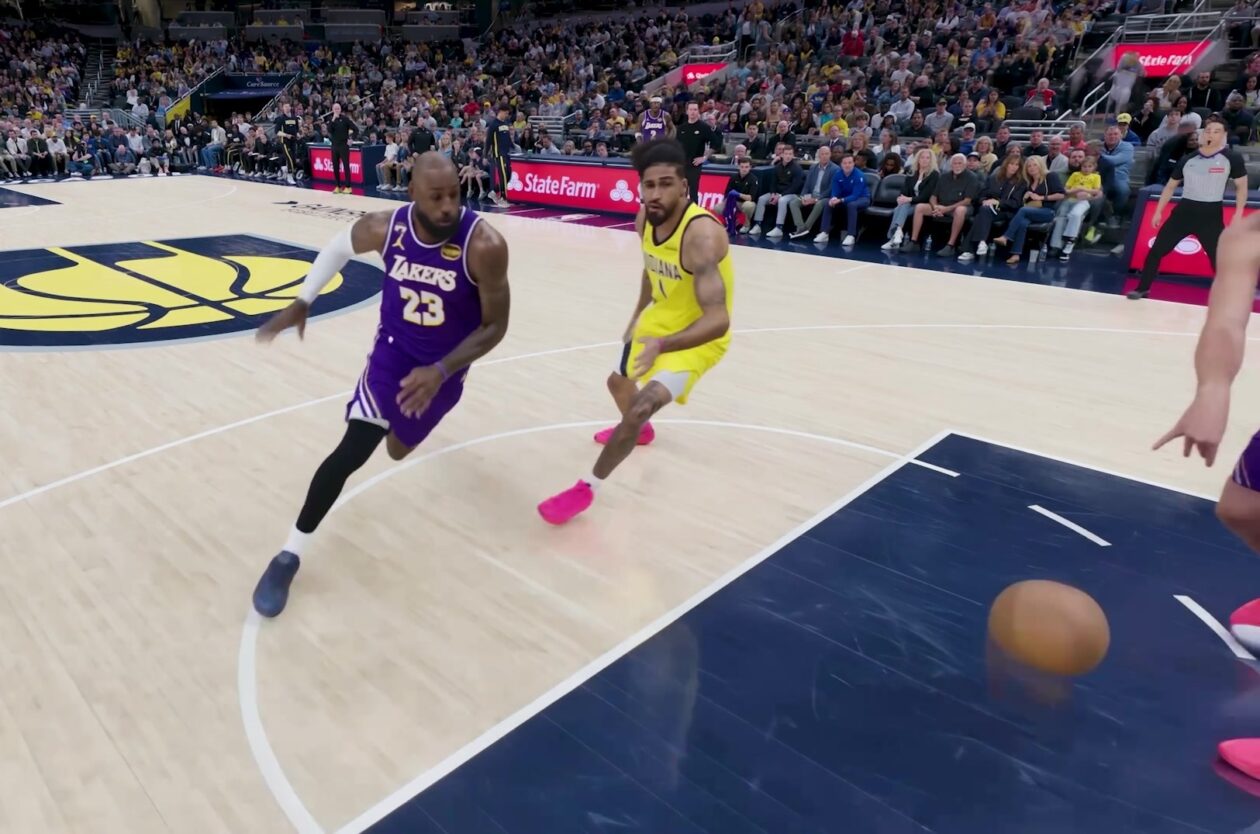
Amazon Prime Video Launches AI-Powered Prime 360 for NBA Coverage
Amazon Prime Video is elevating its NBA coverage with the introduction of Prime 360, an AI-powered replay system offering immersive, 'fly through' views of the action. Kicking off its second season, Prime Video also adds Yahoo fantasy integration and gains exclusive Eastern Conference Finals rights, expanding its tech-driven sports broadcast. The new features aim to deliver a unique and interactive viewing experience for basketball fans.