
The Force Forsakes SWTOR: BioWare's Goodbye Leaves Out a Living Legacy
The recent closure of BioWare brought shockwaves, but for fans and developers of Star Wars: The Old Republic, it also brought a 'heartbreaking' snub. The MMO's lead writer, Caitlin Sullivan Kelly, expressed profound sadness that BioWare's farewell message completely omitted the game that's run for nearly 15 years, sustaining the studio with income and manpower, sometimes to its own detriment. It's a poignant reminder of the human element behind game development and corporate shifts.
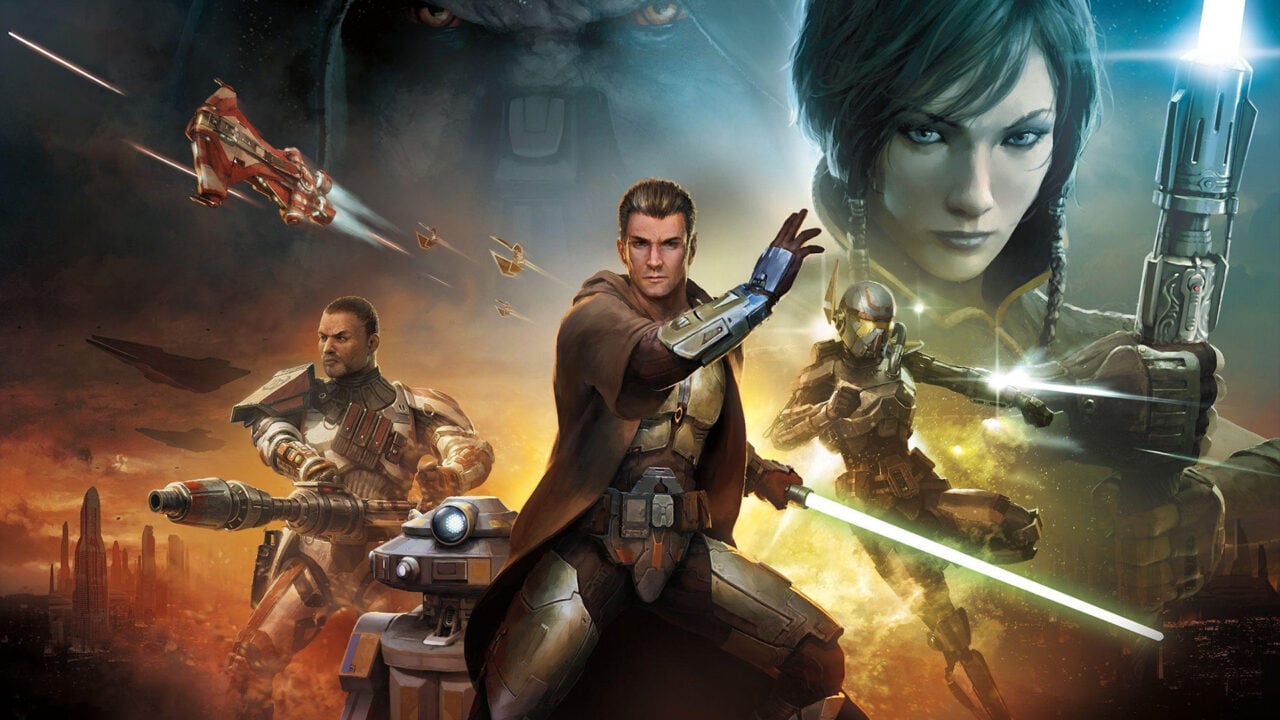
The Force Forsakes SWTOR: BioWare's Goodbye Leaves Out a Living Legacy
The gaming world reeled this week with the bombshell news: Electronic Arts announced the closure of BioWare, the legendary studio behind some of the most beloved RPGs of all time, alongside the unfortunate cancellation of the next Mass Effect game. It’s a somber end for a developer that has shaped countless digital adventures, but amidst the shockwaves and tributes, a poignant note of heartbreak emerged from a corner of BioWare's legacy that, against all odds, is still very much alive: Star Wars: The Old Republic.
While the industry mourned the loss of a titan, one developer's voice cut through the noise, expressing a deep, personal sorrow not just for the studio, but for its apparent oversight. The long-running Star Wars MMORPG, a game that has spanned nearly fifteen years, providing countless hours of galactic storytelling and sustaining the studio in various ways, was conspicuously absent from BioWare's public farewell. For SWTOR's Lead Writer, Caitlin Sullivan Kelly, this snub was nothing short of "heartbreaking."
A Star Wars Saga Spanning A Galaxy (and Developers)
Let's cast our minds back to 2011. BioWare, already a household name for its narrative-driven RPGs, dared to venture into the uncharted territory of the massively multiplayer online genre. Star Wars: The Old Republic launched as their ambitious first attempt at a large-scale multiplayer experience. Set in the rich, lore-heavy period that its spiritual predecessor, Knights of the Old Republic, had popularized, SWTOR promised a BioWare-grade story experience within an MMO framework. And by many accounts, it delivered, earning widespread praise for its engaging writing and stellar voice acting – hallmarks of the BioWare brand.
This PC-only MMORPG quickly built a dedicated player base, immersing them in the eternal struggle between the Galactic Republic and the Sith Empire. Over the years, SWTOR evolved, with numerous updates and expansions keeping the narrative fresh and the galaxy alive. However, the corporate landscape shifted. In 2023, EA made a significant move, transitioning SWTOR's development away from BioWare and entrusting its future to Broadsword, the experienced studio known for stewarding Ultima Online. This decision allowed SWTOR to continue its journey, maintaining its online presence and receiving regular content updates, a unique position for a game whose original creator would soon cease to exist.
The Unceremonious Omission: BioWare's Final Bow
When the news broke of BioWare's closure, the studio released a public goodbye message to its fans, a bittersweet farewell reflecting on its storied past. Naturally, fans anticipated a nostalgic journey through the studio's iconic titles – Mass Effect, Dragon Age, Baldur's Gate, Knights of the Old Republic. Yet, as the message was digested, a glaring omission became painfully clear: there was no mention of Star Wars: The Old Republic. Not a single nod to the MMO that, for over a decade, carried the BioWare name and its unique narrative style into the multiplayer realm.
This silence resonated deeply with those still dedicated to the game, particularly its creative team. Caitlin Sullivan Kelly, the Lead Writer for SWTOR, quickly took to social media to express her profound disappointment. Her post encapsulated the sentiment of many, highlighting the profound disconnect between the studio's farewell and the living legacy it was seemingly leaving behind without a word. It's a tough pill to swallow for anyone who poured their heart and soul into a project, only for it to be overlooked in such a significant moment.
More Than Just Code: A Writer's Heartbreak
Kelly's raw emotion wasn't just professional, it was deeply personal. "No mention of the game that’s been going for almost fifteen years," she posted, capturing the disbelief. She emphasized SWTOR's often-unseen role in the larger BioWare ecosystem: "That supported the studio and all of its projects with income and manpower and time sometimes to our own detriment. Heartbreaking." This isn't just about a game; it's about the labor, the dedication, and the sacrifices made by its developers to keep it thriving, even as resources might have been diverted elsewhere within the company.
Her connection to BioWare runs even deeper. Kelly revealed that it was games like Dragon Age: Origins that ignited her ambition to become a game developer in the first place. She even started playing SWTOR specifically because it bore the BioWare name, seeing it as an extension of the storytelling mastery she admired. To then be part of a team that continued to nurture that game, only to feel erased from the narrative of the studio's history, is a heavy blow. "I can’t help but feel sad that the studio a lot of us loved, even before we worked there, leaves us out of the history book," she lamented, echoing a sentiment likely shared by many who dedicated years to the ever-expanding galaxy of The Old Republic.
Still Kicking in a Galaxy Far, Far Away
Here's the kicker: while BioWare may be gone, Star Wars: The Old Republic is still very much alive and well. Unlike the now-cancelled Mass Effect 5, SWTOR continues to receive updates and expansions under the diligent stewardship of Broadsword. It's a living, breathing MMO that has defied the odds, persisting through corporate shifts and evolving industry trends. The fact that it's "still kicking" even after its original creator's closure is a testament to its enduring appeal and the continued dedication of the team at Broadsword.
This creates a rather bittersweet dichotomy. On one hand, the end of BioWare is a tragic loss for the industry. On the other, a vibrant piece of their legacy, a massive online world steeped in Star Wars lore, continues its journey. It’s a complex situation, highlighting the messy reality of game development and corporate ownership. While BioWare's spiritual successor to KOTOR is still years away, being developed by Casey Hudson, SWTOR remains the active torchbearer for The Old Republic era, continually weaving new tales for its ardent fans.
The Cost of Corporate Memory: A Message to Developers
Kelly's comments serve as a stark reminder of the human element behind the monolithic corporate decisions that shape the gaming industry. When a studio closes, it's not just a business entity ceasing operations; it's a profound loss for the hundreds of individuals who poured their creativity, passion, and years of their lives into crafting those virtual worlds. To then have a significant, long-standing, and still-active project like SWTOR omitted from a final farewell, feels like a historical revision, diminishing the contributions of everyone involved.
For an enthusiast audience, this resonates deeply. We celebrate games, but we also connect with the people who make them. The perceived slight against SWTOR isn't just about a game; it's about acknowledging the value of work, the longevity of a passion project, and the complex, often unglamorous, reality of keeping a live-service game running for nearly fifteen years. It reminds us that behind every pixel and every line of dialogue, there are real people with real feelings, who simply want their efforts to be remembered.
As BioWare closes its doors, we reflect on its monumental impact. But let's not forget the enduring, vibrant legacy of Star Wars: The Old Republic—a game that continues to thrive, carrying the spirit of BioWare's storytelling into a new era, even if its original creator decided to leave it out of the final chapter.
FAQ
Q: Is Star Wars: The Old Republic still receiving updates?
A: Yes, absolutely! Despite BioWare's closure, SWTOR continues to be developed and updated by Broadsword, the studio that took over its development in 2023. It's a living, evolving MMO with ongoing content releases and a dedicated community.
Q: Why didn't BioWare mention SWTOR in its farewell message?
A: While BioWare's exact reasoning hasn't been shared publicly, the game's development was officially moved to Broadsword in 2023. Lead writer Caitlin Sullivan Kelly, who works on SWTOR, expressed that the omission was "heartbreaking," especially given the game's nearly fifteen-year run and its significant contributions to BioWare's income and support over the years.
Q: What other BioWare games were affected by the recent news?
A: The primary impact of the news was the closure of BioWare itself and the cancellation of the highly anticipated next Mass Effect game (Mass Effect 5). While other beloved BioWare franchises like Dragon Age and the original Mass Effect trilogy remain celebrated parts of their historical legacy, SWTOR stands out as an ongoing project that BioWare originated.
Related articles

Sakurai Shrugs Off AI Games: Why Human Creativity Still Reigns Supreme
Masahiro Sakurai, creator of *Super Smash Bros.*, believes most AI-created games will be "unprofitable titles" and "low-quality goods." He argues AI can only reproduce existing systems, not generate truly original artistic works like those from Fumito Ueda. In an era of mass production and industry shifts to AI-first models, Sakurai stresses the growing importance of unique human creativity and vision.
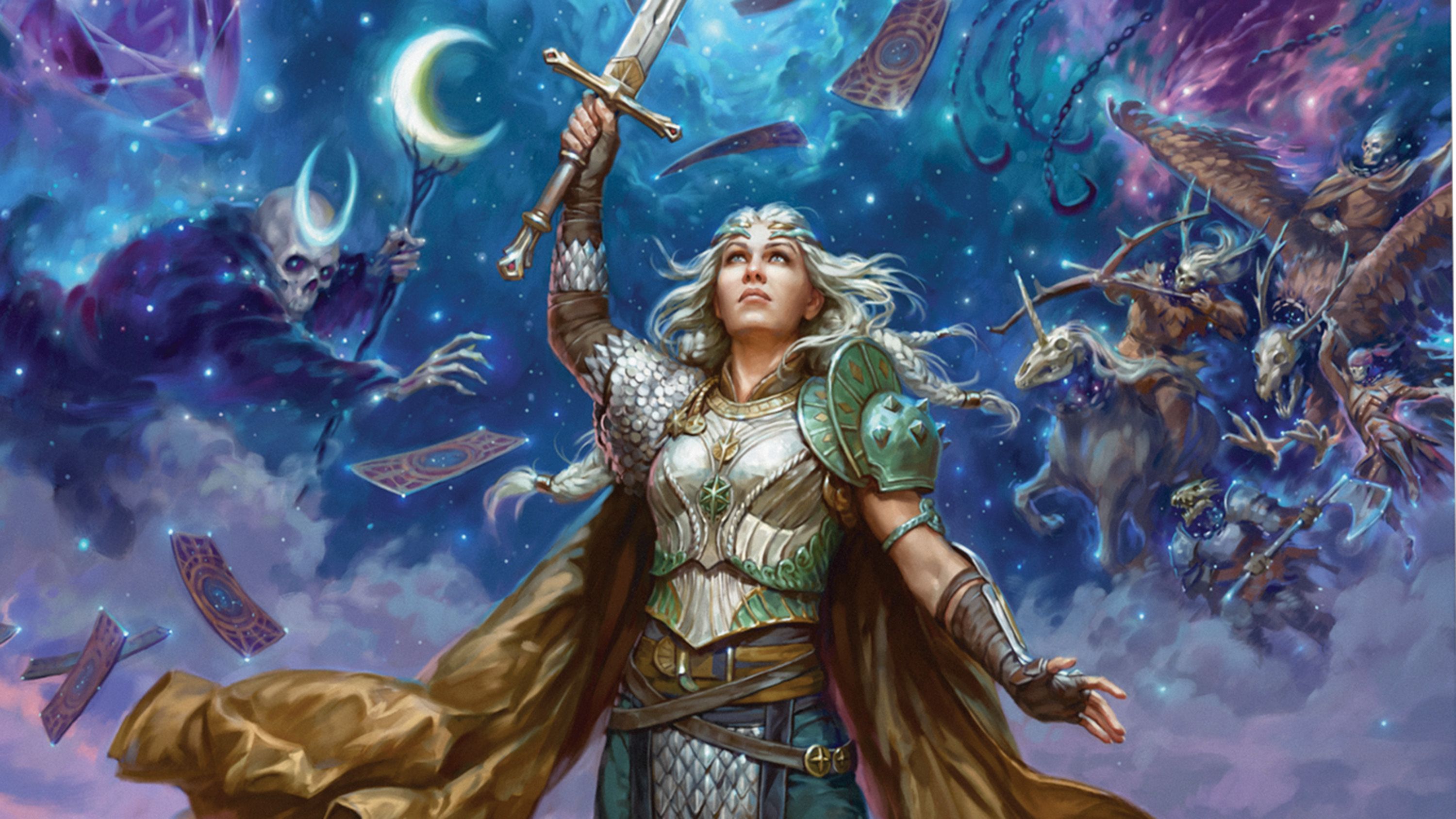
Wizards of the Coast Crowns New President, Signaling a Digital Future
Dan Ayoub, former Senior VP of D&D and an ex-Halo studio head, is the new President of Wizards of the Coast and Hasbro Digital Games. His appointment signals a strong push into digital and video games for the company, creators of Magic: The Gathering and Dungeons & Dragons. Upcoming titles include the sci-fi RPG Exodus and the D&D action-adventure Warlock.
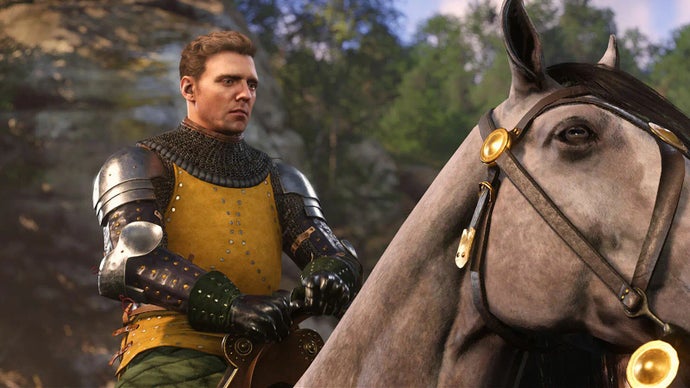
Warhorse Studios Under Siege: Cyberattack Hits Kingdom Come Dev
Warhorse Studios, known for Kingdom Come: Deliverance 2, has been hit by a cyberattack, resulting in unauthorized access to their company systems and data. CEO Martin Frývaldský called it a "serious incident," and the studio is working with cybersecurity experts to investigate. This incident follows similar breaches at Capcom and Rockstar, highlighting a growing industry concern.

UK Gaming's Future on the Line: UKIE Pushes for Modern Tax Credits
UKIE is urging the government to modernize the Video Games Expenditure Credit (VGEC) and introduce a new 'Games Scale-Up Fund' ahead of the Autumn Budget. This move is critical to keep the UK competitive in global game development, address outdated rules, and prevent studios and talent from relocating, ensuring a vibrant future for British-made games.

Wildwood: Laika Unleashes a Dark Fairy Tale From The Decemberists
Laika's *Wildwood*, from The Decemberists' Colin Meloy and artist Carson Ellis, brings a dark stop-motion fairy tale to life. Embracing unsettling folklore and a rare PG-13 rating, the film delves into the grimmer side of storytelling, inspired by classics like *The Dark Crystal*.
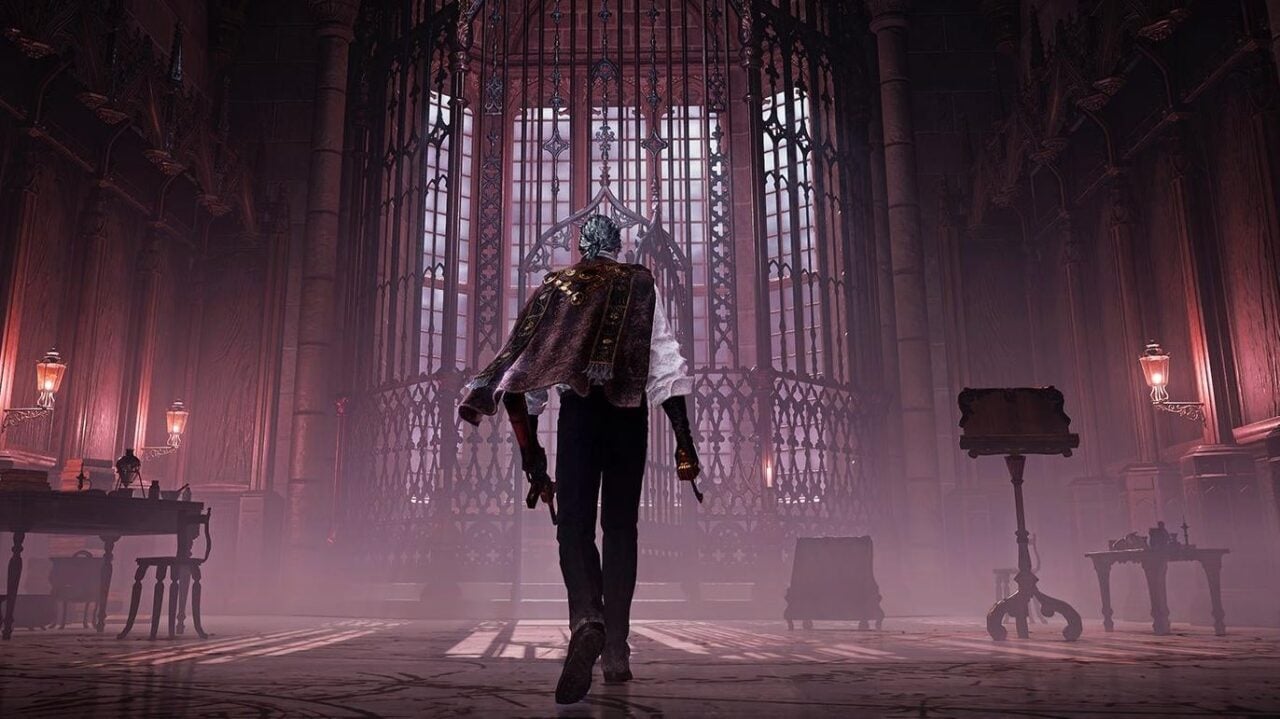
Is FromSoftware's Spooky Specter, The Duskbloods, Haunting 2027
As Halloween approaches, fans are increasingly convinced FromSoftware's *The Duskbloods* has been delayed to 2027. A lack of a firm 2026 release date, a crowded holiday schedule, and mixed feedback from its August network test fuel the speculation. While no official word exists, many expect an update at The Game Awards.