
TechRadar's 2026 Laptop Specs Guide: Cutting Through the AI Clutter
Quick Verdict TechRadar’s “Laptop specs are getting more confusing – here’s what actually matters in 2026” offers a much-needed, no-nonsense approach to navigating the increasingly complex laptop market. It effectively

Quick Verdict
TechRadar’s “Laptop specs are getting more confusing – here’s what actually matters in 2026” offers a much-needed, no-nonsense approach to navigating the increasingly complex laptop market. It effectively demystifies the new wave of AI-centric terminology while wisely reminding consumers that traditional core specifications remain paramount for day-to-day usability. While it could delve deeper into specific use cases, it's an honest and highly valuable resource for anyone feeling overwhelmed by marketing jargon and aiming for an informed purchase in 2026.
Navigating the AI PC Maze: A Timely Guide
In an era where every piece of consumer electronics seems to be boasting AI capabilities, laptops are no exception. TechRadar’s latest article tackles the challenge head-on, acknowledging that what was once a relatively straightforward purchasing decision – picking a processor, RAM, storage, and screen size – has become a labyrinth of new acronyms and buzzwords. The piece posits that by 2026, terms like “AI PC” and “Copilot+ PC” dominate spec sheets, potentially obscuring the fundamental aspects that truly define a laptop's utility. As an experienced reviewer, I appreciate the candor and the focus on what truly impacts the user experience.
Demystifying AI Terminology: AI PC vs. Copilot+ PC
The article begins by clarifying the distinction between “AI PC” and “Copilot+ PC,” which is critical given the current marketing landscape. The term “AI PC” is rightly identified as a broad, somewhat flexible label, generally indicating the presence of dedicated AI hardware, typically a Neural Processing Unit (NPU). This flexibility, while allowing manufacturers some leeway, can be a source of confusion for consumers.
In contrast, “Copilot+ PC” is presented as Microsoft’s more stringent, defined category. To earn this moniker in 2026, a Windows laptop must meet specific hardware requirements: a compatible processor with an NPU capable of at least 40 TOPS (trillions of operations per second), a minimum of 16GB of DDR5 or LPDDR5 RAM, and at least 256GB of SSD storage. This clarity is a major strength of TechRadar's guide. It provides a tangible benchmark for users who specifically want to leverage Microsoft’s latest on-device AI features, such as smarter search and Live Captions. However, the guide astutely points out that simply meeting the Copilot+ PC standard doesn't automatically ensure a laptop's overall graphics prowess or sufficient storage for every user, which is a crucial caveat.
NPU and TOPS: The New AI Metric Decoded
The NPU and its associated TOPS rating are perhaps the most novel and confusing additions to laptop specifications. TechRadar correctly highlights the NPU as a dedicated chip component designed for more efficient AI task handling than the CPU alone. The TOPS metric, measuring "trillions of operations per second," offers a quantifiable measure of an NPU's AI processing power.
The guide's advice here is spot-on: while a 40 TOPS NPU is the gateway to Copilot+ PC features, blindly chasing higher TOPS numbers isn't necessarily beneficial for the average user. The current software ecosystem is still catching up to the hardware, meaning diminishing returns beyond the baseline for most general-purpose tasks. The article wisely advises against prioritizing NPU performance over more tangible, daily-impact specs like battery life or screen quality. This aligns perfectly with a consumer-focused philosophy – don't pay a premium for features you won't meaningfully use.
Processors: Beyond the AI Hype
When it comes to CPUs, the guide zeroes in on Qualcomm’s Snapdragon X chips as a significant disruptor, particularly for Windows on Arm laptops. It highlights their focus on extended battery life and sleek, lightweight designs, traditionally strong suits of Apple’s MacBooks. The mention of newer Snapdragon X2 chips promises further NPU and graphics improvements. The core buying question for Snapdragon X, as TechRadar rightly frames it, revolves around app compatibility on the Arm architecture. The good news is that most everyday applications (browsers, Microsoft 365, video conferencing, media, and many creative tools) are either native or perform well via Windows' translation layer. This nuanced perspective is vital, as it manages expectations and provides practical advice for potential buyers.
While Intel Core Ultra and AMD Ryzen AI are mentioned as counterparts in the AI PC space, the article doesn't delve into their specific strengths or architectural differences as deeply as it does for Snapdragon X. This is a minor missed opportunity for a more comprehensive comparison of the major processor players in the AI laptop arena, though the article implicitly prioritizes the more disruptive Arm shift.
Enduring Fundamentals: RAM, Storage, and Battery Life
Crucially, TechRadar brings the discussion back to the enduring importance of foundational laptop specifications. It explicitly states that RAM “still matters more than most AI labels,” a statement that resonates deeply with practical experience. While the guide sets 16GB as a requirement for Copilot+ PCs, it implicitly suggests that even for non-AI-focused tasks, adequate RAM is key to a smooth user experience. This is a vital reminder not to get lost in the AI hype at the expense of general system responsiveness.
Storage-wise, the article sets a clear minimum of 256GB SSD for 2026, which is a sensible baseline. For many users, particularly those with large media libraries or numerous applications, 512GB or even 1TB would be more practical, but 256GB is indeed the bare minimum for comfortable use today.
Battery life, another critical daily-use factor, is emphasized as needing real-world testing data rather than relying solely on battery size. This is a nuanced but important point, as processor efficiency and software optimization play a huge role in actual endurance. The guide's inclusion of “boring specs” – CPU speed, screen quality, ports, and weight – as still relevant underscores its commitment to a holistic, user-centric view of laptop evaluation.
The Bottom Line: What Really Matters in 2026
TechRadar’s guide provides excellent direction for navigating the 2026 laptop market. Its core recommendation is sound: understand your specific needs, prioritize established metrics like RAM, storage, screen, and battery life, and view AI-specific features like Copilot+ PC as an enhancement rather than the sole decision driver. The article successfully cuts through much of the marketing noise, empowering consumers to make choices based on practical utility rather than just impressive-sounding numbers. It’s a commendable piece of honest, detailed analysis that every prospective laptop buyer should consult.
FAQ
Q: Do I really need an "AI PC" or "Copilot+ PC" in 2026?
A: Not necessarily for every user. An "AI PC" simply means it has dedicated AI hardware (like an NPU). A "Copilot+ PC" meets Microsoft's specific requirements (40+ TOPS NPU, 16GB RAM, 256GB SSD) to run its latest on-device AI features. If those specific Microsoft AI features are important to your workflow, then a Copilot+ PC is worth considering. Otherwise, a laptop without these specific designations might still perform excellently for your needs at a potentially lower cost.
Q: How much RAM and storage should I prioritize in a new laptop?
A: According to the guide, 16GB of RAM is a requirement for Copilot+ PCs and remains a strong recommendation for general smooth performance, being more impactful than many AI labels. For storage, 256GB SSD is the recommended minimum in 2026. For heavy users or those with large files, 512GB or more would offer greater comfort and longevity.
Q: Are Snapdragon X (Windows on Arm) laptops truly compatible with all my existing apps?
A: For most common everyday applications like web browsers, Microsoft 365, video call software, and many media/creative apps, the answer is likely yes, either natively or through Windows' efficient translation layer. However, it's always wise to check specific, specialized, or legacy applications you rely on, as some might still have compatibility nuances on the Arm architecture.
Related articles
Android 17 QPR2 Beta 7.1: The Performance Relief You've Been Waiting
Android 17 QPR2 Beta 7.1: Finally Fixing the QPR1 Performance Woes Verdict: Android 17 QPR2 Beta 7.1 is a crucial and highly anticipated software update for Google Pixel users, specifically targeting and resolving the

DJI Solo Video Setups: Smart Choices for Lone Creators
This review delves into DJI's recommended solo video setups, highlighting the Osmo Pocket 3 Creator Combo as a top pick for its integrated camera, gimbal, and mic. It also covers stabilizers like the Osmo Mobile 8 and RS 4, and the DJI Mic Mini series for enhanced audio, providing honest pros, cons, and clear buying advice.
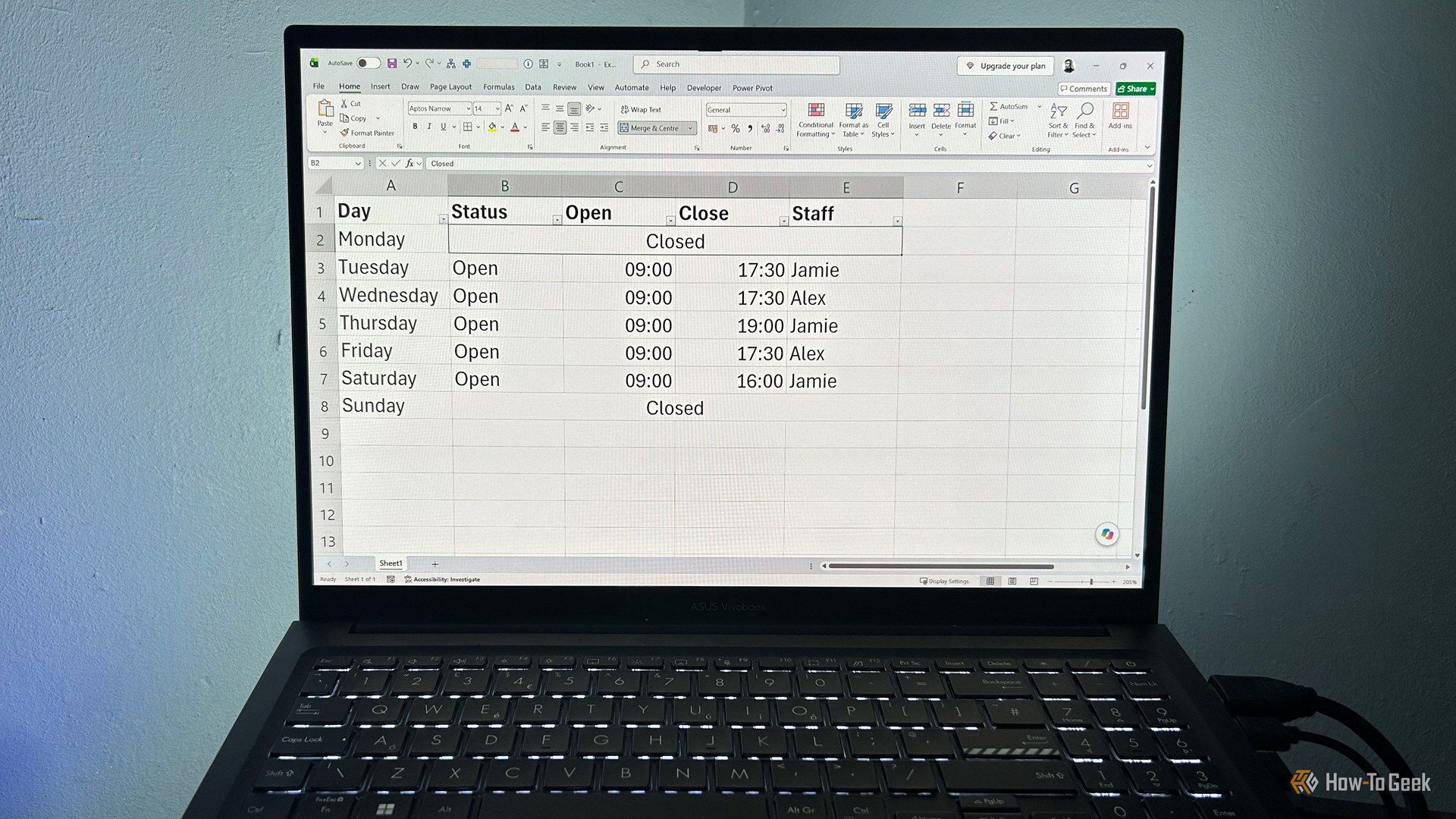
Ditch Merge & Center: The Better Way to Align Text in Excel
Learn to use Excel's "Center Across Selection" to align text across cells without merging, avoiding common data manipulation issues. This guide provides steps to utilize this newly accessible feature and add it to your Quick Access Toolbar.

Ars Technica's Rocket Report: Your Essential Space Industry Briefing
Quick Verdict Ars Technica's Rocket Report, presented by veteran space reporter Stephen Clark, offers an invaluable and meticulously organized weekly (or similar frequency, implied by "Edition 9.15") digest of the most

Apple iPhone Duo: A Daring Debut with Notable Compromises
Apple's highly anticipated iPhone Duo, priced at $2,000, has gone on pre-order. While hailed as "Apple's most exciting device in a decade" for its innovative foldable design and immersive display, it comes with significant drawbacks like the absence of FaceID and a premium camera.
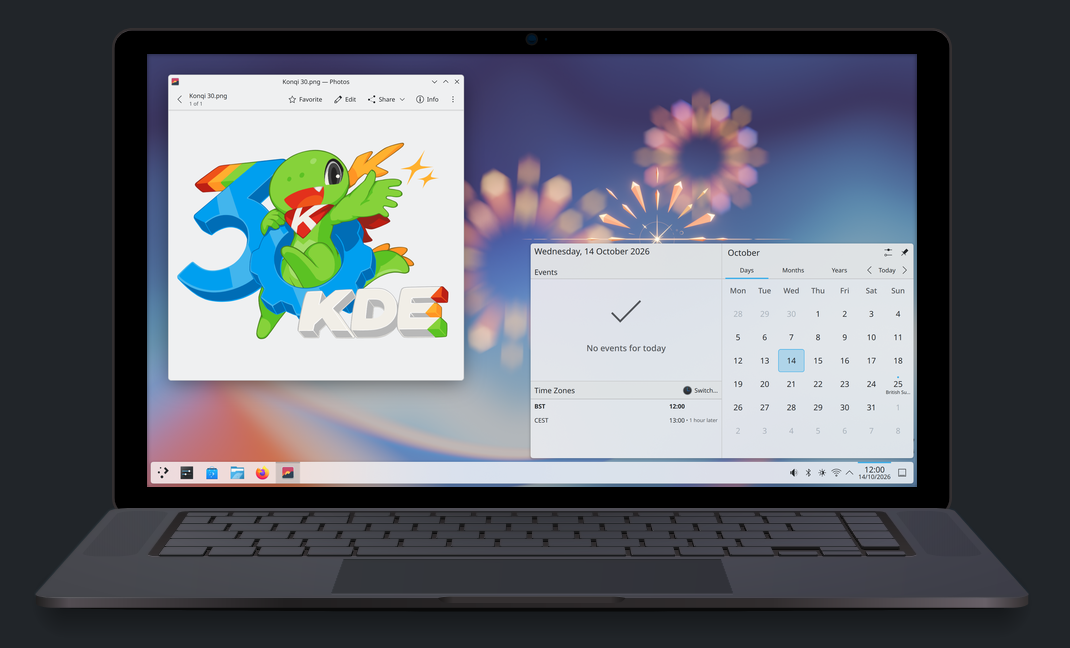
KDE Plasma 6.8: A Future-Focused 30th Anniversary Update
Quick Verdict KDE Plasma 6.8, arriving as the "30th Anniversary Edition," is a pivotal release that decisively pushes the desktop environment into the future. With a definitive farewell to native X11 sessions and a