
Still Kicking: The Division 2's Epic Seven-Year Comeback
The Division 2, initially slated to conclude support in 2020, has defied expectations, not only continuing but actively growing its player base seven years post-launch. Driven by player-centric development, ambitious new content like the Battle for Brooklyn expansion, and a steadfast commitment to its premium model, the game recently hit new concurrent player records. Massive Entertainment attributes this success to valuing its core audience and investing in a sustainable live service.
Back in 2016, Ubisoft launched The Division, a bold new step into the hybrid world of online MMO persistence blended with tactical cover-shooter action. It quickly racked up over ten million copies sold before its 2019 sequel, The Division 2, expanded the universe even further. To date, the franchise boasts an impressive 40 million players, a clear testament to its success. Yet, few might have predicted that seven years after its release, The Division 2 would be thriving, setting new player records, and ambitiously planning its biggest year of content yet.
Running a live-service game, as Ubisoft’s François-Xavier Deniele once put it, is like changing a car's engine while it's still driving. The Division team at Massive Entertainment agrees, though they refine the analogy to a bus. Senior Producer Fredrik Brönjemark emphasizes that everyone on this bus has an opinion on its direction, highlighting the critical importance of a core audience. “The biggest lesson is to not take our players for granted,” he states, acknowledging that this was learned the hard way. Keeping long-term fans engaged requires a continuous fight, not just an assumption of loyalty.
From Launch to Lifeline: Learning Live Service
When The Division 2 was in development, Massive was determined to learn from the first game’s shortcomings, particularly its lack of endgame content. Creative Director Yannick Banchereau reveals a fundamental shift in mindset: “We started with the endgame.” This focus on what players would do after the campaign proved crucial, playing a significant role in The Division 2’s extended lifespan compared to its predecessor. Beyond content, Brönjemark also stresses the need for constant investment in the game’s underlying technology. “You need to pay attention to the level of time and resources you put into refactoring old code and working on reducing the tech debt,” Banchereau explains, noting that neglecting this eventually limits what a developer can achieve. This lesson is now applied in a highly organized manner, ensuring the technical backbone supports future growth.
The Phoenix Rises: Battle for Brooklyn and Beyond
Initially, post-launch support for The Division 2 was slated to conclude in late 2020 following the ‘Warlords of New York’ expansion. Massive Entertainment was set to shift focus to other major projects like Star Wars Outlaws and Avatar: Frontiers of Pandora. However, the success of Warlords spurred Ubisoft to continue The Division 2’s journey. Rebuilding the team and producing new content took time, Brönjemark admits, but they’ve since been building at pace. This quiet effort was initially aimed at solidifying the existing player base, before moving on to new systems and foundations.
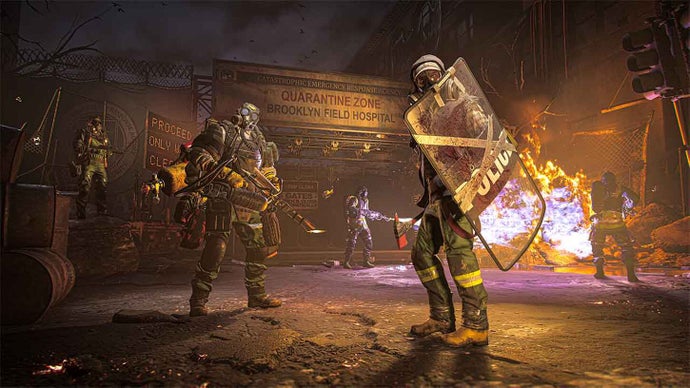
The real turning point arrived with the 2025 release of the ‘Battle for Brooklyn’ expansion. This DLC didn't just generate buzz; it propelled The Division 2 to new heights, smashing its previous Steam record with 27,482 concurrent players. Brönjemark proudly states that ‘Battle for Brooklyn’ was the moment people truly noticed The Division 2 was still here and stronger than ever. This success, combined with a steady stream of content, has attracted new players seeking a robust, long-lasting experience with a rich history. “We aren't just still going, we are growing,” he asserts, highlighting the game's increasing ambition and delivering more content than ever before – making this its biggest planned year.
A Premium Experience in a F2P World
In an industry increasingly embracing free-to-play (F2P) models for long-running titles—Ubisoft’s own Rainbow Six Siege went F2P in 2025—The Division 2 has steadfastly remained a paid game. The Massive team has explored the F2P route but concluded it “never made sense.” Banchereau believes their current model works perfectly. Brönjemark elaborates, saying they aim to be “protective of the experience of our players and the way we monetise.” While acknowledging the need for revenue to grow, they prioritize a respectful approach. Adapting to F2P would necessitate fundamental design changes, which they haven't seen a need for yet. This decision contrasts with Ubisoft’s cancelled free-to-play The Division Heartland and the recently released mobile title, The Division Resurgence, which indicates the franchise’s willingness to diversify its business models outside of the core mainline game.
Paving the Way for the Future (and Division 3)
The Division franchise isn't just about The Division 2 anymore. The mobile title, The Division Resurgence, has generated significant excitement, even attracting players outside their usual mobile comfort zones, demonstrating the deep passion of the fanbase. Moreover, The Division 3 was announced in 2023, though without a release date. Massive operates on two development tracks, allowing knowledge to flow between the ongoing live game and the nascent sequel. Banchereau notes this puts the Division 3 team in a “really great position,” benefiting from years of live-game expertise.
Even with the departure of Julian Gerighty, the franchise's overseer for 12 years, the team remains confident. Brönjemark assures that Gerighty’s move to DICE isn’t a distraction, as the roadmap for The Division 3 is already secure. A decade into The Division's journey, Banchereau has “zero doubt” it will still be thriving in another ten years. The key, he concludes, is simple: “It is all about having happy players and a thriving community.” That, he believes, is the foundation for continued growth, setting the stage for The Division 3 and new audiences through Resurgence.
FAQ
Q: How old is The Division 2 and how has it continued to grow?
A: The Division 2 was released in 2019, making it seven years old. It has grown by consistently delivering new content, managing technical debt, and prioritizing its core player base, notably after the success of expansions like ‘Battle for Brooklyn’.
Q: Is The Division 2 free-to-play?
A: No, The Division 2 remains a paid-for game. The developers considered a free-to-play model but decided against it, preferring to maintain their current business model and protect the player experience it offers.
Q: Is a new Division game in development?
A: Yes, The Division 3 was announced in 2023. Additionally, a mobile title called The Division Resurgence has recently been released, expanding the franchise to a new platform and audience.
Related articles

TCG Pocket Responds: A Much-Needed Pace Shift for Pokémon Fans
Pokémon TCG Pocket is rolling out a major update for its second anniversary, primarily addressing player concerns about overwhelming content releases by shifting to a six-week set schedule. This aims to curb player decline and improve overall engagement by giving trainers more time to collect and strategize. The update also adds new collection methods, improved deck-building features, and enhanced trading functionality.

Amazon Prime Video Launches AI-Powered Prime 360 for NBA Coverage
Amazon Prime Video is elevating its NBA coverage with the introduction of Prime 360, an AI-powered replay system offering immersive, 'fly through' views of the action. Kicking off its second season, Prime Video also adds Yahoo fantasy integration and gains exclusive Eastern Conference Finals rights, expanding its tech-driven sports broadcast. The new features aim to deliver a unique and interactive viewing experience for basketball fans.

Kojima Compares Divisive New Film 'Digger' to MGS2's Prescient Vision
Gaming icon Hideo Kojima has praised the divisive 2026 film *Digger*, drawing intriguing parallels to his own prophetic game, *Metal Gear Solid 2*. Both works, he explains, uniquely explore the dangers of misinformation and a fragmented digital reality, anxieties he shares with *Digger*'s director, Alejandro González Iñárritu.

Ubisoft Proposes German Studio Workforce Reduction Amidst
Ubisoft is planning a voluntary departure program for about 100 employees across its Düsseldorf, Berlin, and Mainz studios in Germany. This move is part of a larger, ongoing cost-reduction and restructuring effort by the publisher, aiming to better position its studios for future projects.

TGS 2026: These Forward-Looking Cosplays Are Already Living in the
Tokyo Game Show 2026 showcased incredible cosplay, with many fans embodying characters from unreleased games like *Blast Blade* and *Mononoke No Kuni*. This gallery highlights the community's foresight, alongside debut *Palworld* cosplay and refreshed takes on classics. It’s a testament to the passion that brings gaming's future to life.

Beyond the Bugs: Conquering Studio Headaches in Indie Dev
This guide, part three in a series on running an indie studio, tackles the crucial but often overlooked aspect of dealing with non-development related issues. It introduces creating a shared 'studio backlog' for collective problems and using the IDS (Identify, Discuss, Solve) framework to address them constructively. The core message is to build powerful habits that keep studios from getting quietly derailed by lingering challenges.