
startups: VC Quantonation closes €220M fund to back next-gen physics
Paris-based Quantonation Ventures has successfully closed its second flagship fund, Quantonation II, at €220 million, more than doubling its initial fund. This capital is earmarked for startups developing next-generation physics-based technologies like quantum computing, advanced materials, and sensing, with a strategic shift towards industrialization and commercial impact.
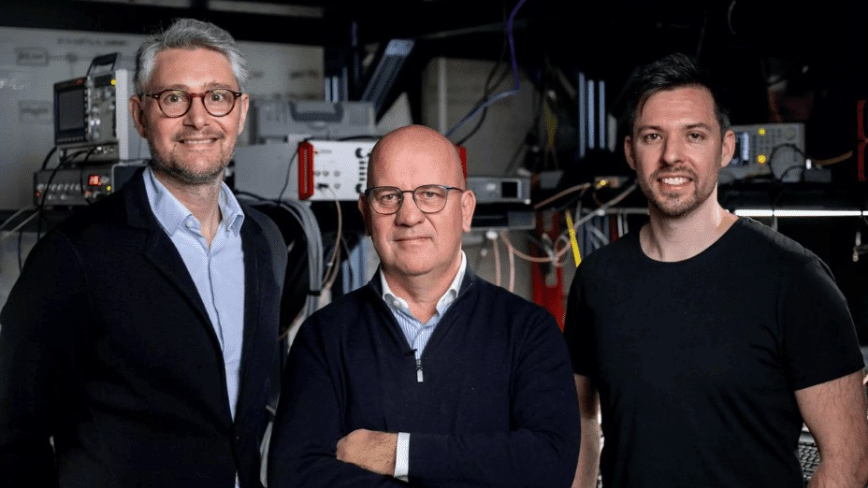
VC Quantonation closes €220M fund to back next-gen physics tech
Key takeaways
- Paris-based Quantonation Ventures has successfully closed its second flagship fund, Quantonation II, at €220 million.
- This new fund more than doubles the size of its first vehicle, demonstrating growing institutional confidence in physics-based technologies.
- Quantonation's investment strategy focuses on industrializing, scaling, and commercializing disruptive deep physics platforms, including quantum computing and advanced materials.
- A diverse group of institutional and strategic investors backed the fund, highlighting broad support for the sector's potential beyond the lab.
- The fund aims to bolster Europe's position in the global competition for next-generation computing and sensing by building a robust commercial ecosystem.
What happened
Quantonation Ventures, a Paris-based venture capital firm, has announced the successful closure of its second flagship fund, Quantonation II, securing €220 million. This significant achievement marks a substantial increase from its initial fund, more than doubling its capital base.
From its inception, Quantonation has carved a niche by investing in startups that are developing
Related articles

Apple iPhone Duo: A Daring Debut with Notable Compromises
Apple's highly anticipated iPhone Duo, priced at $2,000, has gone on pre-order. While hailed as "Apple's most exciting device in a decade" for its innovative foldable design and immersive display, it comes with significant drawbacks like the absence of FaceID and a premium camera.
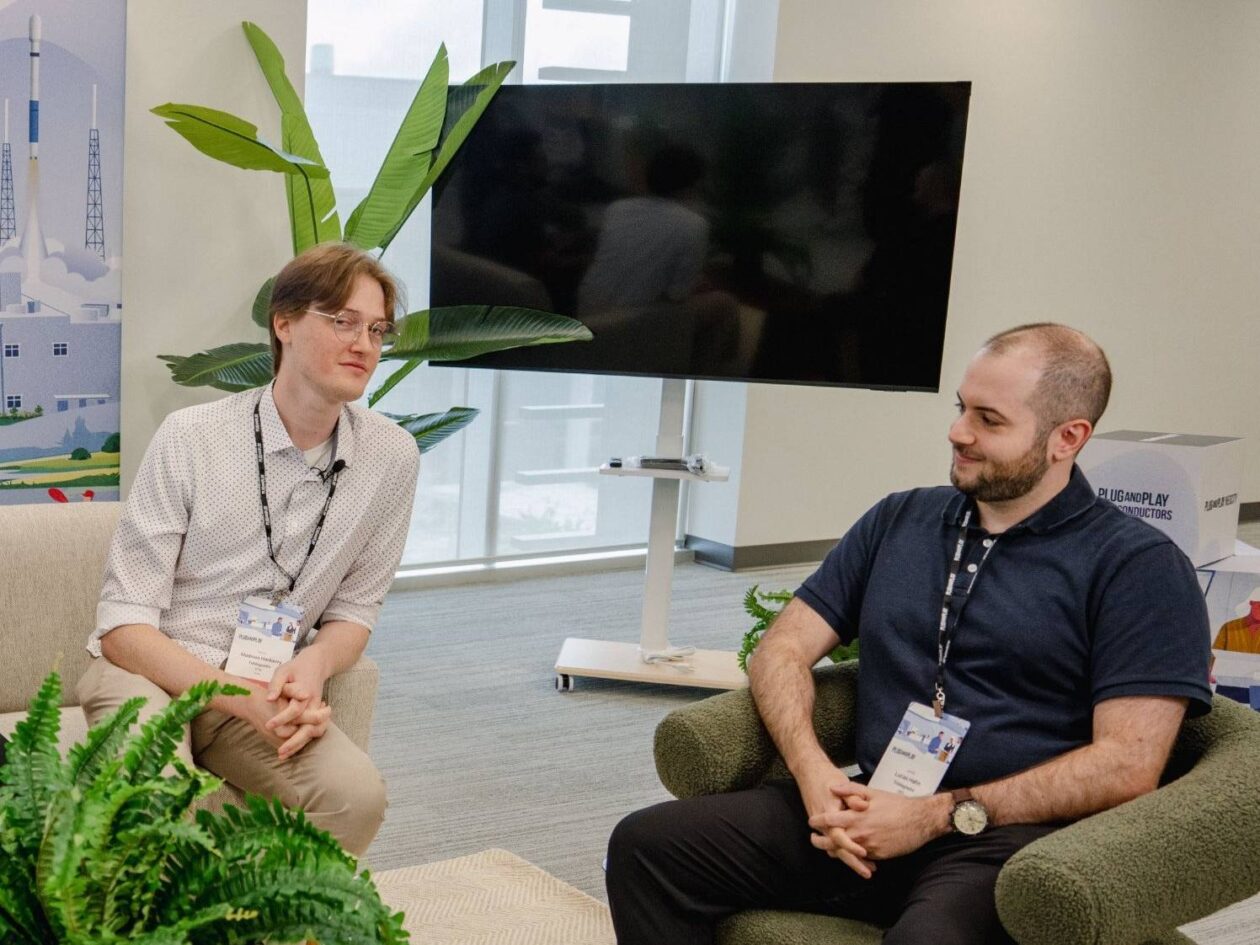
regional: A two-person Seattle startup lands $1M to reinvent
Seattle startup TriMagnetix has secured $1 million to develop semiconductor chips that consume 800 times less energy and are radiation-resistant. The two-person company, leveraging nanomagnetic technology, is targeting space applications and data centers. With new funding and key partnerships, TriMagnetix aims for commercial sales within a year.

Beyond the Bugs: Conquering Studio Headaches in Indie Dev
This guide, part three in a series on running an indie studio, tackles the crucial but often overlooked aspect of dealing with non-development related issues. It introduces creating a shared 'studio backlog' for collective problems and using the IDS (Identify, Discuss, Solve) framework to address them constructively. The core message is to build powerful habits that keep studios from getting quietly derailed by lingering challenges.
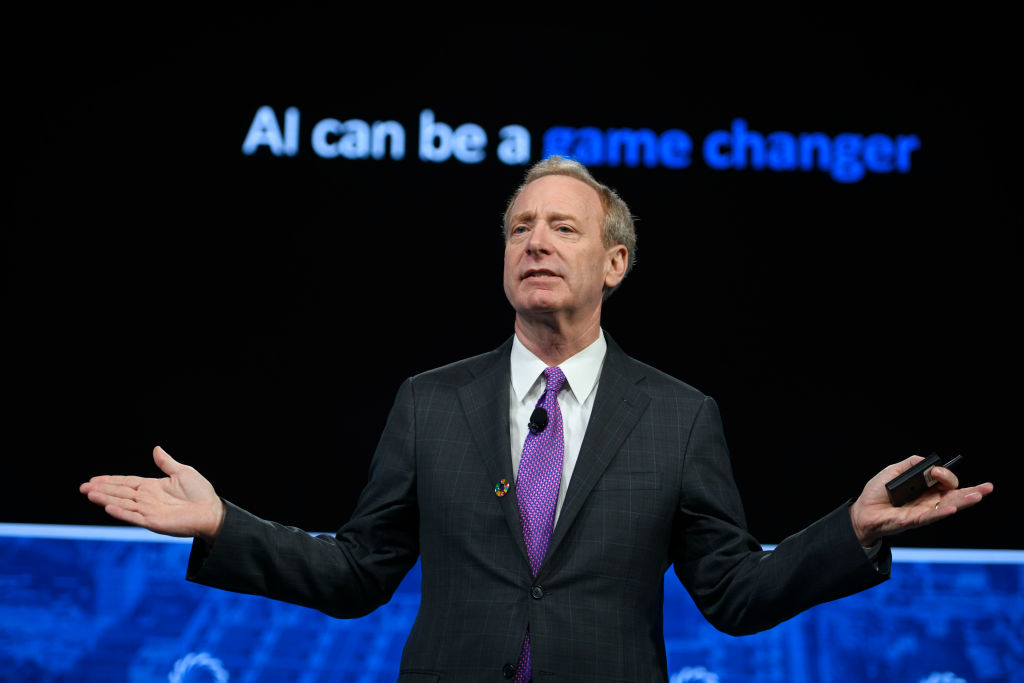
Microsoft president says UK is best placed to drive AI regulation
Microsoft President Brad Smith is advocating for urgent, legally binding AI regulation, arguing that current oversight lags behind basic consumer products. He highlights the UK's AI Security Institute (AISI) and its unique geopolitical position as ideal for leading global safety rules, despite recent US pushback. Smith proposes measures like breach reporting and "kill switches," rejecting voluntary agreements as insufficient.

GTA 6 Leaker’s Wild Ultimatum: Full Build for Meme Coin Millions
The infamous leaker Cyberleek is back, threatening to release the full build of _Grand Theft Auto 6_ if their meme coin hits a $30 million market cap. They demand Rockstar release physical game discs and issue a public apology to stop the leak. This follows previous footage dumps and a prior meme coin "rug pull" from the same leaker.
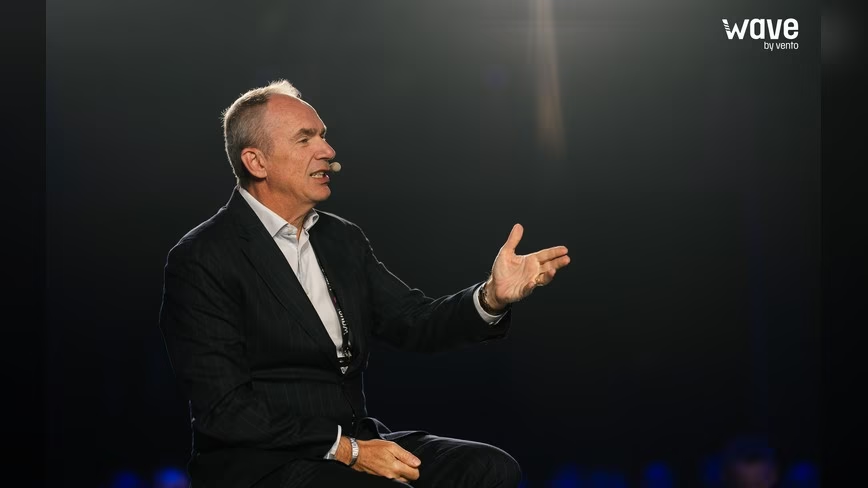
EIF’s Incoming Chief: Europe’s Tech Champions Funds Hold 15 Unicorns
Jean-Christophe Laloux, incoming EIF chief, announced that funds backed by the European Tech Champions Initiative now hold 15 unicorn companies. He detailed plans to expand the initiative to support smaller funds and attract co-investors, emphasizing the importance of scaling European startups within the continent for "sovereignty." The EIF will prioritize investments in deep tech, including AI, biotech, defense, and cleantech.