
startups: Meta employees protest new mouse-tracking software days
Meta employees across several US offices have launched a visible protest against the company's new mouse-tracking software, the “Model Capability Initiative,” just days before widespread layoffs are set to impact 8,000

Meta employees across several US offices have launched a visible protest against the company's new mouse-tracking software, the “Model Capability Initiative,” just days before widespread layoffs are set to impact 8,000 staff members. Flyers distributed throughout offices Tuesday denounced the program as an “Employee Data Extraction Factory,” fueling concerns over workplace surveillance and job automation under the guise of AI training.
The initiative, which captures mouse movements, clicks, keystrokes, and screenshots on a specific list of work applications, has been met with significant internal pushback. Employees, citing the National Labor Relations Act and their right to organize, are being urged to sign an online petition against the software. Concurrently, UK-based Meta colleagues have initiated a unionization drive with United Tech and Allied Workers, further amplifying the dissent.
Meta asserts that the data collected through the Model Capability Initiative is crucial for teaching AI agents how humans interact with software, enabling them to complete everyday tasks. The company stated that such models require “real examples of how people actually use them,” including mouse movements and navigation. It also highlighted that safeguards are in place to protect sensitive company information and that the program operates only on designated applications and websites, not across all computer activity.
However, many employees, as reported by Reuters, interpret the program as a form of workplace surveillance disguised as training data. This perception is particularly acute given its proximity to Meta’s May 20 layoffs, which will reduce the workforce by approximately 10 percent. Further job cuts are anticipated in the latter half of 2026. Chief Executive Mark Zuckerberg's January statement that 2026 would be “the year that AI starts to dramatically change the way that we work” is now being read internally as a direct reference to jobs being converted into datasets for automation.
While Meta describes the Model Capability Initiative as voluntary in spirit, it is effectively mandatory for staff utilizing the designated applications on company-issued machines. The legality and ethical implications of such a program remain ambiguous, especially in jurisdictions with stricter employee privacy regulations, such as the EU, which demands a higher bar for proportionality and worker consent than current US federal law.
This protest marks a rare instance of organized internal dissent at Meta, a company that has historically managed to avoid widespread staff unrest. A previous visible bout of employee dissatisfaction in 2018 regarding sexual-harassment policies ultimately led to policy changes. However, this current situation is compounded by earlier challenges, including a data breach at Meta’s AI data-labelling vendor, Mercor, last month, which temporarily halted some data work.
As the May 20 layoffs loom, the online petition against the Model Capability Initiative continues to circulate, underscoring the ongoing tension between Meta’s AI ambitions and its employees’ concerns over privacy and job security.
FAQ
Q: What is the Model Capability Initiative?
A: The Model Capability Initiative is new software implemented by Meta that captures mouse movements, clicks, keystrokes, and screenshots on a designated list of work applications used on company-issued machines. Meta states its purpose is to train AI agents on how humans navigate software.
Q: Why are Meta employees protesting this software?
A: Employees view the software as a form of workplace surveillance and a step towards automating their own jobs, particularly concerning given the impending mass layoffs. They have dubbed it an “Employee Data Extraction Factory” and are organizing a petition and unionization drive against it.
Q: What are the potential implications of this software, especially in the context of the upcoming layoffs?
A: Employees fear the data collected could directly contribute to the automation of their roles, aligning with CEO Mark Zuckerberg's statement about AI changing how work is done. The software also raises significant privacy concerns, particularly regarding its voluntary-yet-mandatory nature and its compliance with stricter employee privacy laws in regions like the EU.
Related articles

Apple Unveils iPhone Duo: Pricey Foldable Sees Soaring Demand
Apple has officially entered the foldable smartphone arena with the long-anticipated launch of the iPhone Duo. Priced starting at a hefty $1,999, the device features a 5.4-inch outer display and a larger 7.6-inch inner
Android 17 QPR2 Beta 7.1: The Performance Relief You've Been Waiting
Android 17 QPR2 Beta 7.1: Finally Fixing the QPR1 Performance Woes Verdict: Android 17 QPR2 Beta 7.1 is a crucial and highly anticipated software update for Google Pixel users, specifically targeting and resolving the

in-depth: Chicago-Area Cops Helped HSI Spy on Minnesota Anti-ICE
Chicago-area law enforcement, including local police and HSI agents, conducted undercover surveillance on Minnesota anti-ICE activists at an April 2, 2022, talk in Chicago. This operation was part of a federal conspiracy probe into 15 Minnesota activists facing felony charges related to immigration enforcement resistance. Civil liberties advocates have condemned the surveillance as a troubling intrusion into protected political activity.

Mark Wahlberg on using AI in film ‘the right way’ and being open to
Actor Mark Wahlberg believes AI has a place in filmmaking if used responsibly for enhancement, not script generation or actor replacement. At TechCrunch Disrupt, he expressed openness to an AI likeness carrying on his legacy, managed by his family, and emphasized storytelling.

Tesla Unveils Thruster-Equipped Roadster, 2028 Production Targeted
Tesla has unveiled its second-generation Roadster, featuring cold-gas thrusters co-developed with SpaceX, enabling it to jump and flip. The electric sports car demonstrated 0-60mph in an astonishing 0.81 seconds, with production targeted for 2028. This highly anticipated reveal also serves as a key recruitment tool for Tesla's ambitious AI and robotics initiatives.
Amazon Prime Video Launches AI-Powered Prime 360 for NBA Coverage
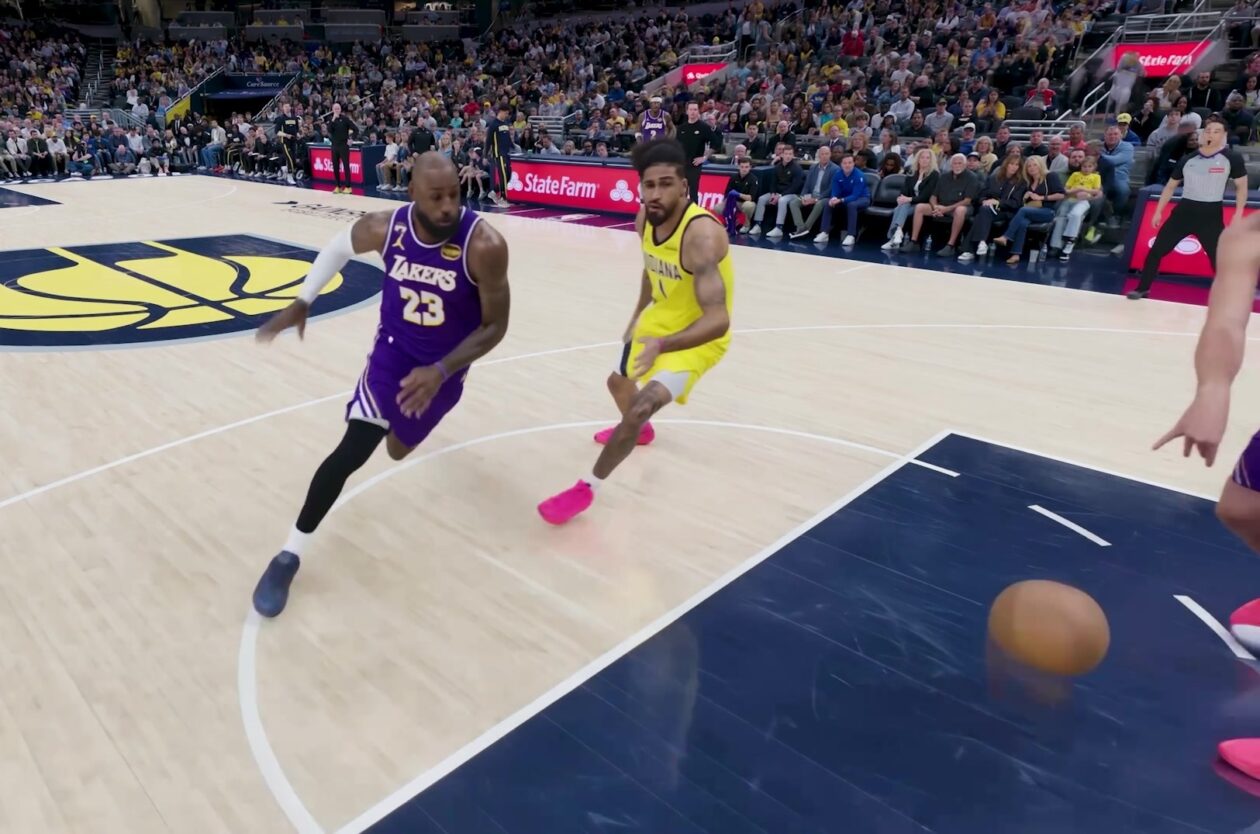
Amazon Prime Video is elevating its NBA coverage with the introduction of Prime 360, an AI-powered replay system offering immersive, 'fly through' views of the action. Kicking off its second season, Prime Video also adds Yahoo fantasy integration and gains exclusive Eastern Conference Finals rights, expanding its tech-driven sports broadcast. The new features aim to deliver a unique and interactive viewing experience for basketball fans.