
startups: Google I/O 2026: everything announced so far, from Gemini
Google I/O 2026 is poised to redefine its ecosystem with a groundbreaking push for AI integration, headlined by the new Gemini Intelligence layer for Android. Key pre-announcements also include the unveiling of Googlebooks, premium Android laptops replacing Chromebooks, and a first look at consumer-ready Android XR smart glasses. These developments signify Google's most aggressive AI-first strategy since 2023.
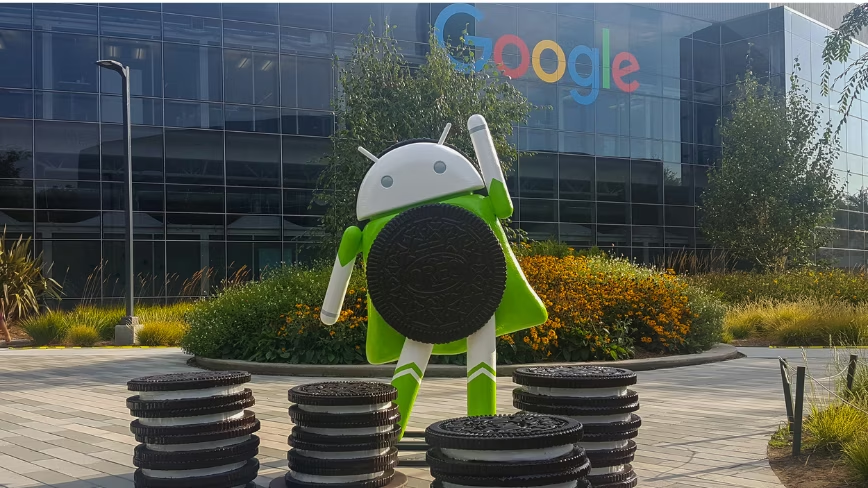
Google I/O 2026 is set to kick off in Mountain View, California, promising the most comprehensive integration of artificial intelligence into the company's consumer products yet. Ahead of the official keynote on May 19, Google has already revealed significant developments, including the introduction of Gemini Intelligence as an agentic AI layer across Android, the launch of premium Android-powered Googlebooks to replace Chromebooks, and a preview of consumer-ready Android XR smart glasses. These pre-announcements, rolled out earlier via an Android Show, signal a profound strategic shift towards embedding AI at the core of Google's ecosystem.
Unveiling Gemini Intelligence: AI as an Operating Layer
The cornerstone of Google's I/O revelations is Gemini Intelligence, an ambitious suite of agentic AI features moving Gemini beyond a mere chatbot. This intelligence layer is engineered to operate seamlessly across applications, grasp screen context, and autonomously execute multi-step tasks. Demonstrations showcased Gemini finding course syllabi in emails, identifying required textbooks, and adding them to a shopping cart without manual app switching.
Further augmenting this system are features like Smart Autofill, which leverages Gemini's contextual understanding to complete forms across apps and Chrome, and Rambler, a speech-to-text tool that refines dictated text by removing filler words. Users can also describe custom widgets using natural language, allowing Gemini to generate them on the fly, pulling data from various Google services. These capabilities will first arrive on the latest Samsung Galaxy and Google Pixel devices this summer, with broader expansion to watches, cars, glasses, and laptops anticipated later in the year. This move directly challenges Apple's upcoming Siri reboot and the burgeoning agentic AI market, though regulatory pressures like the EU's Digital Markets Act may necessitate adjustments for Android in Europe.
The Rise of Googlebooks and the Evolution of the Chromebook
In a significant strategic pivot, Google has announced Googlebooks, a new line of premium Android-powered laptops that will effectively supersede its long-standing Chromebook brand. These devices will run Aluminium OS, a customized version of Android 17 optimized for desktop environments, featuring a bespoke window manager, native multitasking, and deep Gemini integration at the operating system level. This development addresses a decade-old speculation about the merger of Android and ChromeOS.
Slated for release this autumn, Googlebooks will be available from hardware partners including Acer, ASUS, Dell, HP, and Lenovo. Key functionalities include Magic Pointer, an innovative feature that transforms the cursor into an AI agent capable of intelligent on-screen actions, and the Create My Widget system, mirroring its mobile counterpart. The laptops will natively support Android applications and can stream apps directly from a paired smartphone. Google positions Aluminium OS as a differentiated, AI-native computing platform, aiming to carve out a competitive space against established players like Windows and macOS.
Android XR: Google's Vision for Smart Glasses
Google is preparing to unveil its Android XR smart glasses at I/O 2026, offering the public a first glimpse at consumer-ready eyewear powered by Gemini. These smart glasses integrate cameras, microphones, and speakers, designed to function in conjunction with a user's Android smartphone. An optional in-lens display offers private, contextual information, while Gemini 2.5 Pro facilitates real-time translation, navigation, messaging, and advanced visual understanding.
To ensure broad market reach, Google has forged alliances with prominent hardware manufacturers such as Samsung, Warby Parker, Gentle Monster, and XREAL, aiming to offer diverse styles and price points. Samsung is expected to launch its Galaxy Glasses later this year, building on its existing Galaxy XR headset. This platform-centric approach seeks to replicate Android's success in the smartphone market, though it faces stiff competition from Meta, which currently dominates the smart glasses segment with over seven million Ray-Ban sales, and renewed privacy concerns stemming from previous industry challenges.
Android 17 and Broader Ecosystem Enhancements
Android 17, currently in its beta phase, is slated for a prominent showcase at I/O, highlighting several user experience and functionality upgrades. Notable features include the introduction of Noto 3D emoji, an enhanced Find Hub with biometric security capabilities and the option to mark devices as lost, and new operating system verification tools for increased security. While no extensive UI overhaul is anticipated, rumors hint at the integration of iOS-style blur and glass effects across certain interface elements.
Beyond core Android updates, Google also announced a dedicated wireless tool for iPhone-to-Android transfers, directly targeting users considering a platform switch. Digital well-being initiatives see the introduction of Pause Point, designed to mitigate mindless scrolling by prompting users to take breaks. Furthermore, Android Auto is receiving significant enhancements, adopting the Material 3 Expressive design, gaining widget support, video app compatibility, and Dolby Atmos audio integration, enriching the in-car experience.
The Road Ahead: Keynote Expectations and Strategic Vision
The sheer volume of pre-I/O announcements suggests the upcoming keynote will serve less as a platform for individual product reveals and more as a cohesive narrative emphasizing Google's strategic shift. The company's vision is clear: to embed advanced AI, particularly Gemini, into every aspect of its controlled digital and physical surfaces—from smartphones and laptops to smart glasses and automotive systems.
Anticipation is high for further Gemini model updates during the keynote, with reports suggesting a significant capability overhaul, possibly Gemini 4.0 or an advanced 3.x iteration, designed to compete with OpenAI's GPT-5.5. Integrations across Google Search, Chrome, and Workspace are also expected, alongside updates to cloud and developer tools. This aggressive, ecosystem-wide AI integration represents Google's most consequential strategic bet since the inception of Android. The success of this ambitious vision will hinge on seamless execution and user adoption, especially given past challenges with Gemini's rollout and Google's mixed history with new hardware categories.
FAQ
Q: What is Gemini Intelligence?
A: Gemini Intelligence is a new suite of agentic AI features integrated directly into Android. It allows Gemini to operate across apps, understand screen context, and autonomously complete multi-step tasks, effectively acting as an intelligent layer beneath the operating system.
Q: What are Googlebooks, and what do they replace?
A: Googlebooks are a new category of premium Android-powered laptops running Aluminium OS, a desktop-optimized version of Android 17. They are designed to replace Chromebooks, offering AI-native computing with features like Magic Pointer and native Android app support.
Q: When will the Google I/O 2026 keynote take place?
A: The Google I/O 2026 keynote is scheduled for Monday, May 19, at 10 a.m. PT (1 p.m. ET), and will be livestreamed on Google’s official I/O website and YouTube channel.
Related articles

Apple Unveils iPhone Duo: Pricey Foldable Sees Soaring Demand
Apple has officially entered the foldable smartphone arena with the long-anticipated launch of the iPhone Duo. Priced starting at a hefty $1,999, the device features a 5.4-inch outer display and a larger 7.6-inch inner
Android 17 QPR2 Beta 7.1: The Performance Relief You've Been Waiting
Android 17 QPR2 Beta 7.1: Finally Fixing the QPR1 Performance Woes Verdict: Android 17 QPR2 Beta 7.1 is a crucial and highly anticipated software update for Google Pixel users, specifically targeting and resolving the

in-depth: Chicago-Area Cops Helped HSI Spy on Minnesota Anti-ICE
Chicago-area law enforcement, including local police and HSI agents, conducted undercover surveillance on Minnesota anti-ICE activists at an April 2, 2022, talk in Chicago. This operation was part of a federal conspiracy probe into 15 Minnesota activists facing felony charges related to immigration enforcement resistance. Civil liberties advocates have condemned the surveillance as a troubling intrusion into protected political activity.

Mark Wahlberg on using AI in film ‘the right way’ and being open to
Actor Mark Wahlberg believes AI has a place in filmmaking if used responsibly for enhancement, not script generation or actor replacement. At TechCrunch Disrupt, he expressed openness to an AI likeness carrying on his legacy, managed by his family, and emphasized storytelling.

Tesla Unveils Thruster-Equipped Roadster, 2028 Production Targeted
Tesla has unveiled its second-generation Roadster, featuring cold-gas thrusters co-developed with SpaceX, enabling it to jump and flip. The electric sports car demonstrated 0-60mph in an astonishing 0.81 seconds, with production targeted for 2028. This highly anticipated reveal also serves as a key recruitment tool for Tesla's ambitious AI and robotics initiatives.
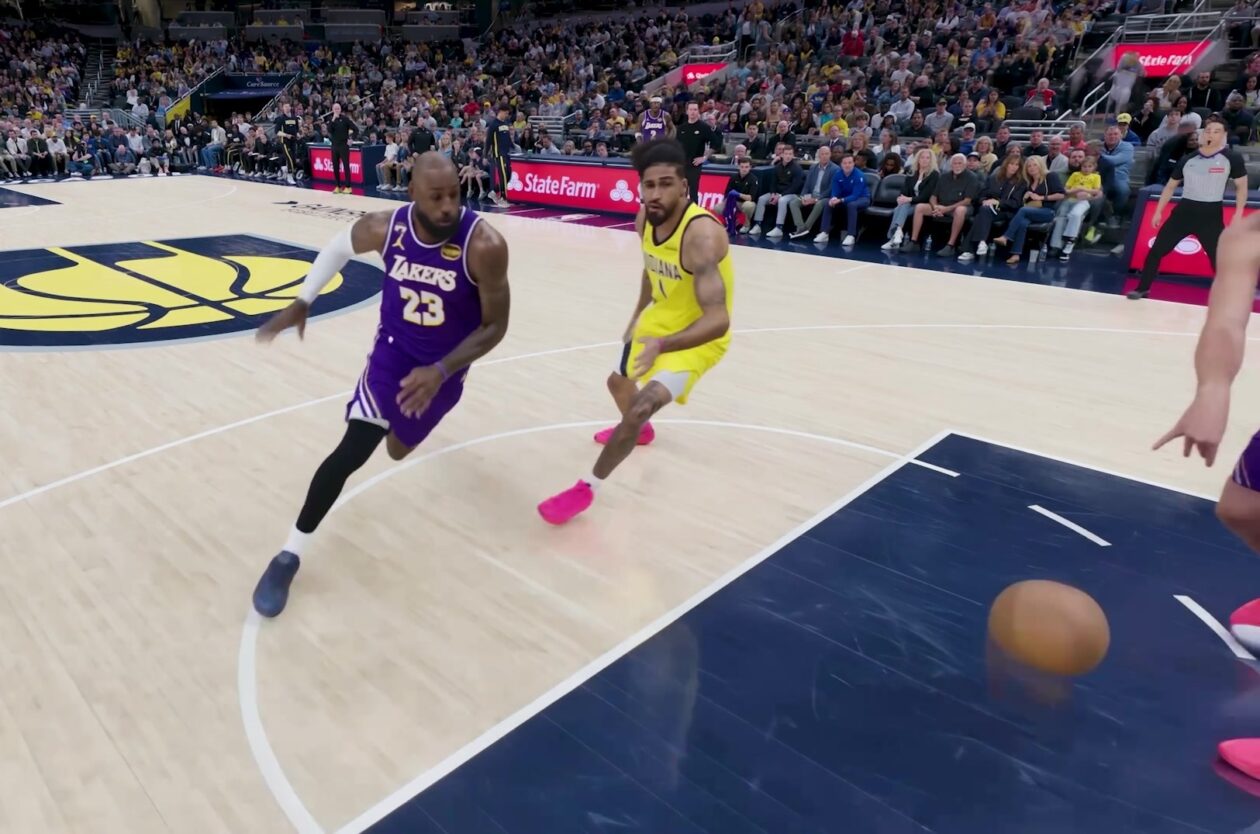
Amazon Prime Video Launches AI-Powered Prime 360 for NBA Coverage
Amazon Prime Video is elevating its NBA coverage with the introduction of Prime 360, an AI-powered replay system offering immersive, 'fly through' views of the action. Kicking off its second season, Prime Video also adds Yahoo fantasy integration and gains exclusive Eastern Conference Finals rights, expanding its tech-driven sports broadcast. The new features aim to deliver a unique and interactive viewing experience for basketball fans.