
Star Wars Goes Wild: Jabba's Buff Son Shakes Up Father-Son Lore
*The Mandalorian and Grogu* introduces Rotta the Hutt, Jabba’s buff son, as Star Wars' wildest father-son story yet. Voiced by Jeremy Allen White, Rotta rejects his infamous father's criminal legacy but embraces a life of gladiatorial combat. The film offers a memorable, if underdeveloped, take on inherited identity.
Star Wars Goes Wild: Jabba's Buff Son Shakes Up Father-Son Lore
Star Wars has always been more than just a galaxy far, far away; it's a sprawling saga steeped in core themes that resonate deeply, chief among them the often-fraught relationships between fathers and sons. From Luke and Vader to Anakin and Obi-Wan, these complicated bonds are the Force that flows through the franchise. Yet, with the recent release of The Mandalorian and Grogu, the series throws us a curveball so bizarre, so unexpected, that it redefines what we thought a Star Wars father-son story could be: enter Rotta the Hutt, Jabba’s notoriously buff son.
While Din Djarin and Grogu’s evolving connection certainly drives the narrative of the new film – charting their bond amidst the clash of differing lifespans – it's the sudden, bewildering appearance of Rotta that truly steals the spotlight and sparks some fascinating, if imperfect, thematic exploration. The concept alone is enough to make a seasoned fan scratch their head, and the execution is even wilder. (Note: Specific platforms and pricing for The Mandalorian and Grogu were not provided in the source material, but the film is out now.)
The Mandalorian and Grogu: A Familiar Quest, With a Hutt-Sized Twist
Before The Mandalorian and Grogu even hit screens, whispers of Rotta the Hutt’s inclusion had the Star Wars community buzzing with a mix of excitement and bewilderment. Rotta, last seen as a squishy infant in The Clone Wars movie, makes his grand return not as a mere cameo, but as a surprisingly central figure. Our stoic hero, Din Djarin, is on a New Republic mission to hunt down lingering Imperial warlords. This quest leads him to Jabba’s formidable cousins, known as the Twins (familiar from The Book of Boba Fett), who hold vital information. Their price? Din must rescue their nephew, Rotta, who they claim is being held prisoner and forced into gladiatorial combat on the planet Shakari.
Sounds like a straightforward rescue, right? Not quite. Upon arriving on Shakari, Din and Grogu discover that Rotta isn't a reluctant captive but a full-blown combat enthusiast, thriving in the fighting limelight. It’s a twist that immediately sets the stage for a character unlike any Hutt we've encountered before, physically and psychologically.
When 'Daddy Issues' Get Shredded: Rotta's Unexpected Debut
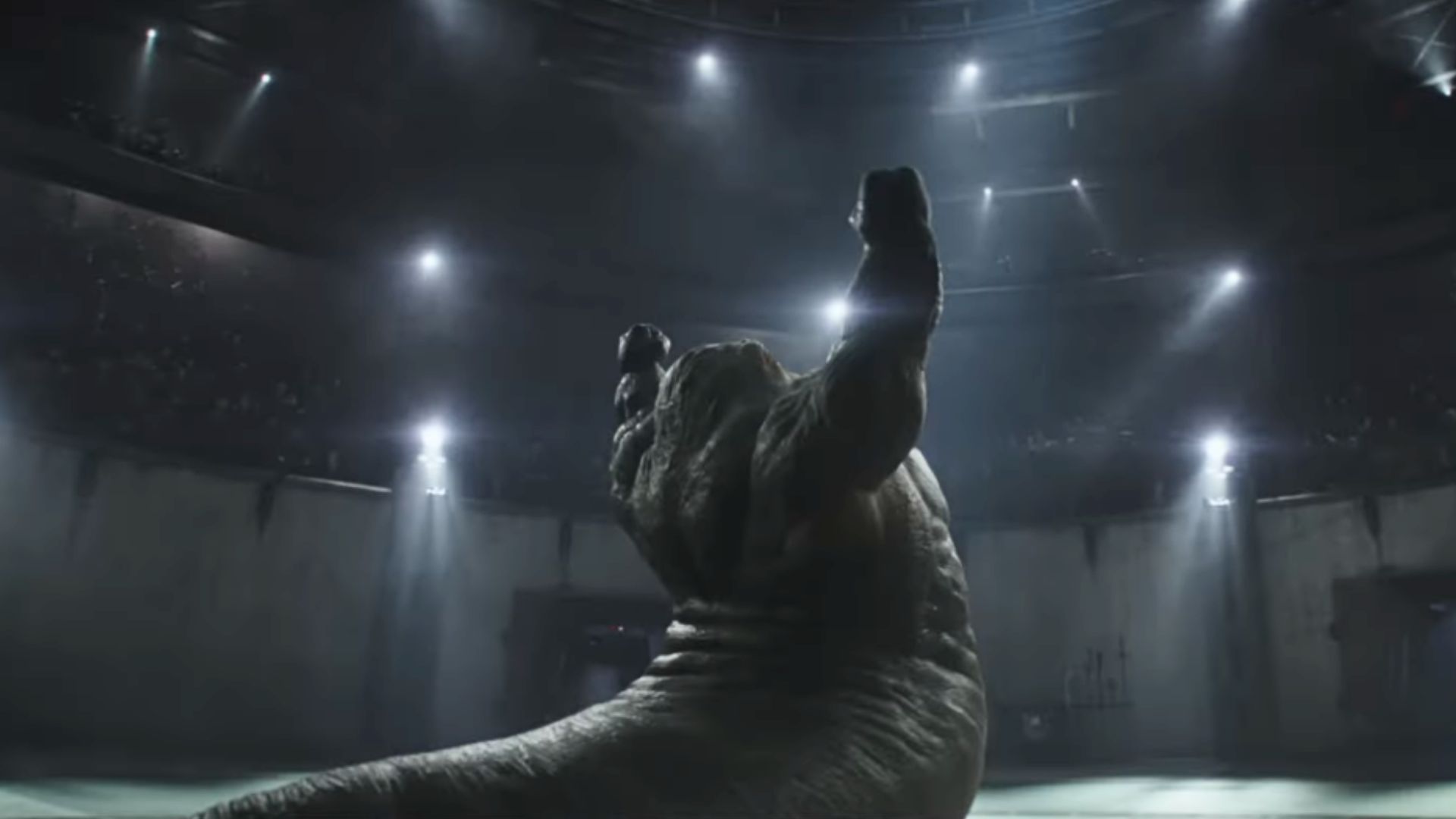
Forget the image of Jabba’s grotesque, slug-like form. Rotta, the supposed heir to the Hutt empire, is ripped. Seriously. We're talking washboard abs on a giant slug. This absurd visual alone is a stroke of genius, made even more captivating by the fact that he's voiced by none other than Jeremy Allen White, acclaimed for his role in The Bear. Director Jon Favreau, a chef himself both on and off-screen (remember 2014's Chef?), even quipped about White's connection to playing culinary masters, adding another layer of meta-commentary to this already bizarre casting choice.
Rotta’s motivations quickly become clear: he emphatically states he's not like his father and isn't interested in the family’s criminal enterprise. He’s convinced the Twins want him back not out of familial affection, but to eliminate him and seize control of Jabba’s vast empire. This rejection of inherited destiny – the fear that one is predetermined by their lineage – is classic Star Wars, seen in Luke’s defiance of Vader and Kylo Ren’s struggle with his Skywalker and Solo heritage. But exploring this through a surprisingly swole Hutt is, without a doubt, a first.
Rejecting the Legacy... Mostly: The Contradictions of a Combat Hutt
The central premise of Rotta rejecting his father's criminal path is genuinely compelling. Star Wars thrives on stories of inheritance and identity. However, The Mandalorian and Grogu seems to struggle with fully exploring the nuanced contradictions inherent in Rotta’s character. He repeatedly insists he's not like his dad, yet he readily engages in violent combat, dispatching opponents in the arena and Stormtroopers during a chase without a hint of remorse. He even attacks Din before realizing his actual captor, Janu, had sinister intentions.
It feels as though the film attempts to "speedrun" Rotta’s character arc, presenting his defiance without fully delving into the complexities of his actions. He’s rejecting the "family business" of organized crime, but he’s simultaneously built his very existence around a life of aggressive combat. The script, co-written by Jon Favreau, Dave Filoni, and Noah Kloor, doesn't quite manage to unpack this intriguing dichotomy with the depth it deserves, leaving a fascinating concept somewhat underdeveloped. The audience is left wishing for more insight into this Hutt who is so keen on distancing himself from his notorious lineage, while still embracing a life of visceral violence.
More Than a Punchline: Rotta's Unique Place in the Galaxy
Despite the criticisms regarding his rushed development, Rotta the Hutt is undeniably memorable. In a galaxy filled with supporting characters that often blend into the background, Rotta stands out like a neon sign. His absurd visual – a buff, sentient slug – combined with his earnest declarations of independence, makes him something truly special. Star Wars often categorizes non-human characters as either adorably plucky (looking at you, Grogu) or terrifyingly monstrous (hello, Sarlacc). Rotta, however, occupies a rare middle ground: he’s inherently humorous by design, yet portrayed with enough conviction to prevent him from becoming a mere joke.
Imagine an alternate timeline where Rotta becomes a cult favorite, his beach-side antics with Grogu becoming iconic memes. It almost works! He’s a character that sticks with you, prompting both laughter and thoughtful consideration about what he could have been. He represents a willingness for Star Wars to push boundaries and explore its lore in genuinely inventive ways, even if the execution doesn't always hit every mark.
A Promising Concept, Speedrun Development: The Verdict on Rotta
The Mandalorian and Grogu boldly introduces one of Star Wars’ most bizarre yet compelling father-son narratives to date through Rotta the Hutt. The idea of Jabba’s heir rejecting his infamous legacy, only to forge a different, equally violent path, is ripe with potential. It’s a refreshing, if confounding, expansion of the franchise’s core themes. However, the film doesn't quite commit to being as fearless and inventive as the character’s concept demands. Rotta is memorable, yes, but the movie stumbles in giving his complex identity the meaningful exploration it deserved.
While Rotta’s journey feels somewhat condensed, his presence signals a Star Wars unafraid to play with expectations and inject genuine oddity into its established lore. For fans, it's a thrilling, albeit imperfect, ride that reminds us the galaxy still holds plenty of surprises.
FAQ
Q: Who voices Rotta the Hutt in The Mandalorian and Grogu?
A: Jeremy Allen White, acclaimed for his work on The Bear, lends his voice to the unexpectedly muscular Rotta. Director Jon Favreau even playfully referenced their shared connection to on-screen chefs as a factor in the casting.
Q: What is Rotta the Hutt's main conflict in The Mandalorian and Grogu?
A: Rotta is found thriving in gladiatorial combat on Shakari, despite being "rescued" by Din Djarin. His core conflict is rejecting the criminal legacy of his father, Jabba, while also evading assassination attempts from his cousins, the Twins, who want to consolidate power over Jabba's empire. He insists he is not like his father.
Q: Does The Mandalorian and Grogu delve deeply into Rotta's character development?
A: While the film presents a truly fascinating premise for Rotta’s character – an heir rejecting his violent inheritance – the narrative is described as "speedrun," often highlighting his declarations of independence without fully exploring the complex contradictions between his desire to be different and his own penchant for violence. The source suggests it doesn't quite achieve the nuance one might hope for.
Related articles

Apple Unveils iPhone Duo: Pricey Foldable Sees Soaring Demand
Apple has officially entered the foldable smartphone arena with the long-anticipated launch of the iPhone Duo. Priced starting at a hefty $1,999, the device features a 5.4-inch outer display and a larger 7.6-inch inner
TCG Pocket Responds: A Much-Needed Pace Shift for Pokémon Fans
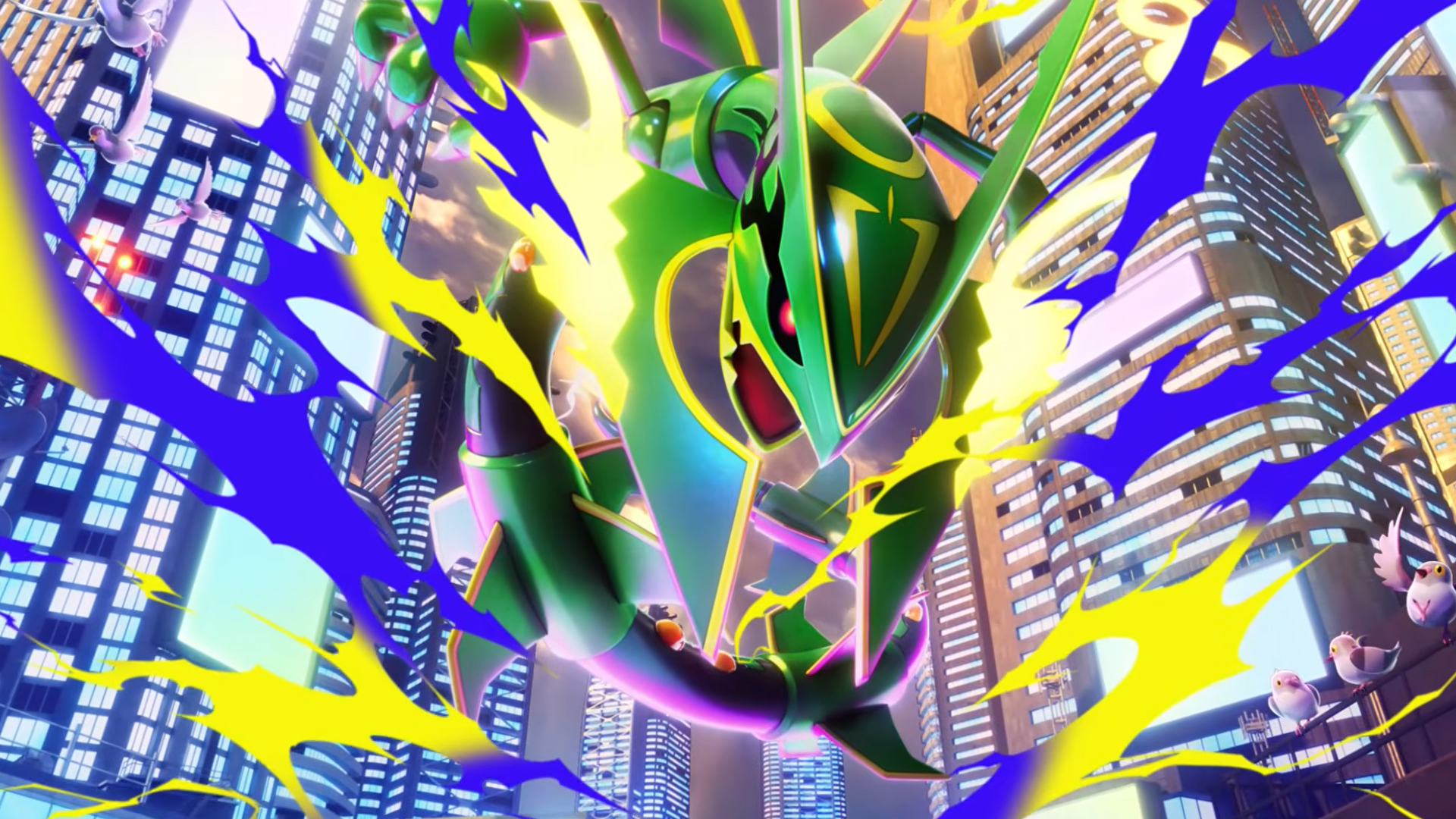
Pokémon TCG Pocket is rolling out a major update for its second anniversary, primarily addressing player concerns about overwhelming content releases by shifting to a six-week set schedule. This aims to curb player decline and improve overall engagement by giving trainers more time to collect and strategize. The update also adds new collection methods, improved deck-building features, and enhanced trading functionality.
regional: A two-person Seattle startup lands $1M to reinvent
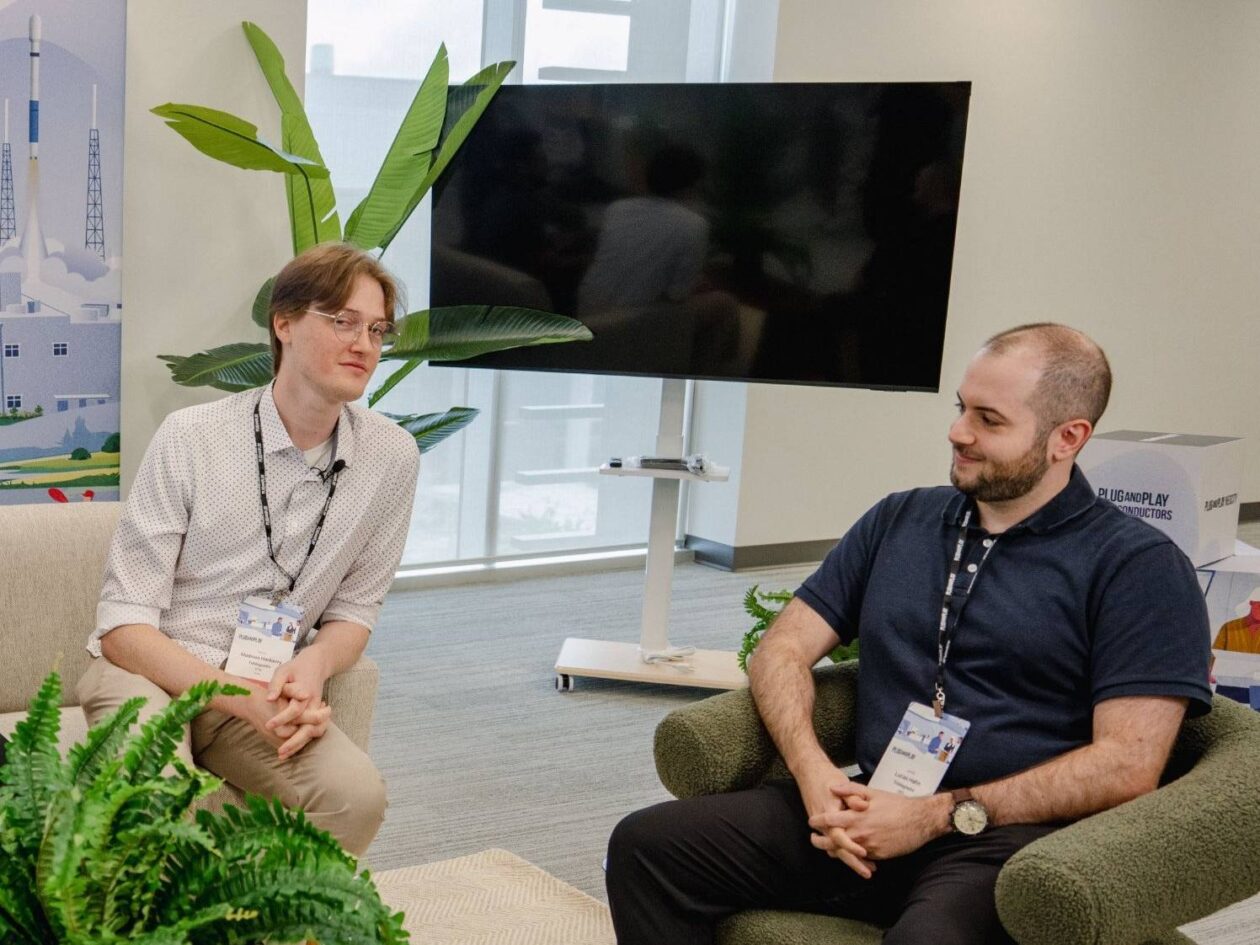
Seattle startup TriMagnetix has secured $1 million to develop semiconductor chips that consume 800 times less energy and are radiation-resistant. The two-person company, leveraging nanomagnetic technology, is targeting space applications and data centers. With new funding and key partnerships, TriMagnetix aims for commercial sales within a year.
Kojima Compares Divisive New Film 'Digger' to MGS2's Prescient Vision
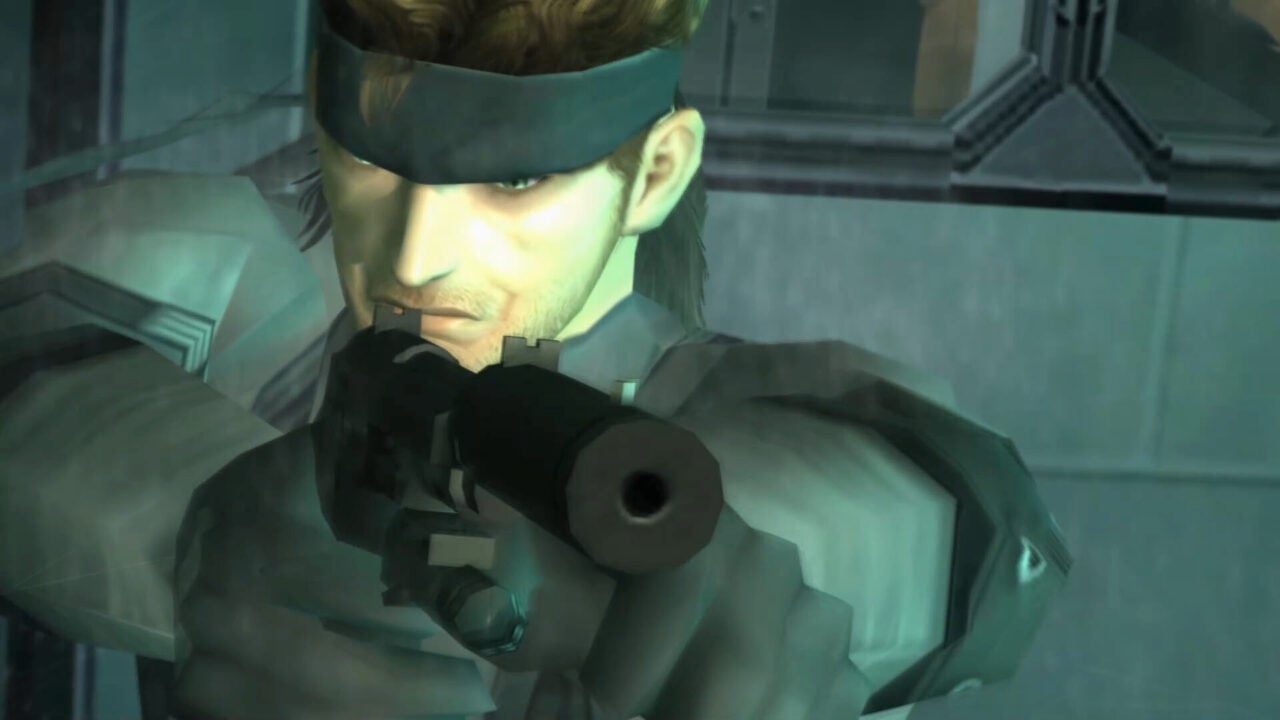
Gaming icon Hideo Kojima has praised the divisive 2026 film *Digger*, drawing intriguing parallels to his own prophetic game, *Metal Gear Solid 2*. Both works, he explains, uniquely explore the dangers of misinformation and a fragmented digital reality, anxieties he shares with *Digger*'s director, Alejandro González Iñárritu.
Ubisoft Proposes German Studio Workforce Reduction Amidst
Ubisoft is planning a voluntary departure program for about 100 employees across its Düsseldorf, Berlin, and Mainz studios in Germany. This move is part of a larger, ongoing cost-reduction and restructuring effort by the publisher, aiming to better position its studios for future projects.
regional: ‘What is fusion?’ Helion Energy harnesses the power of
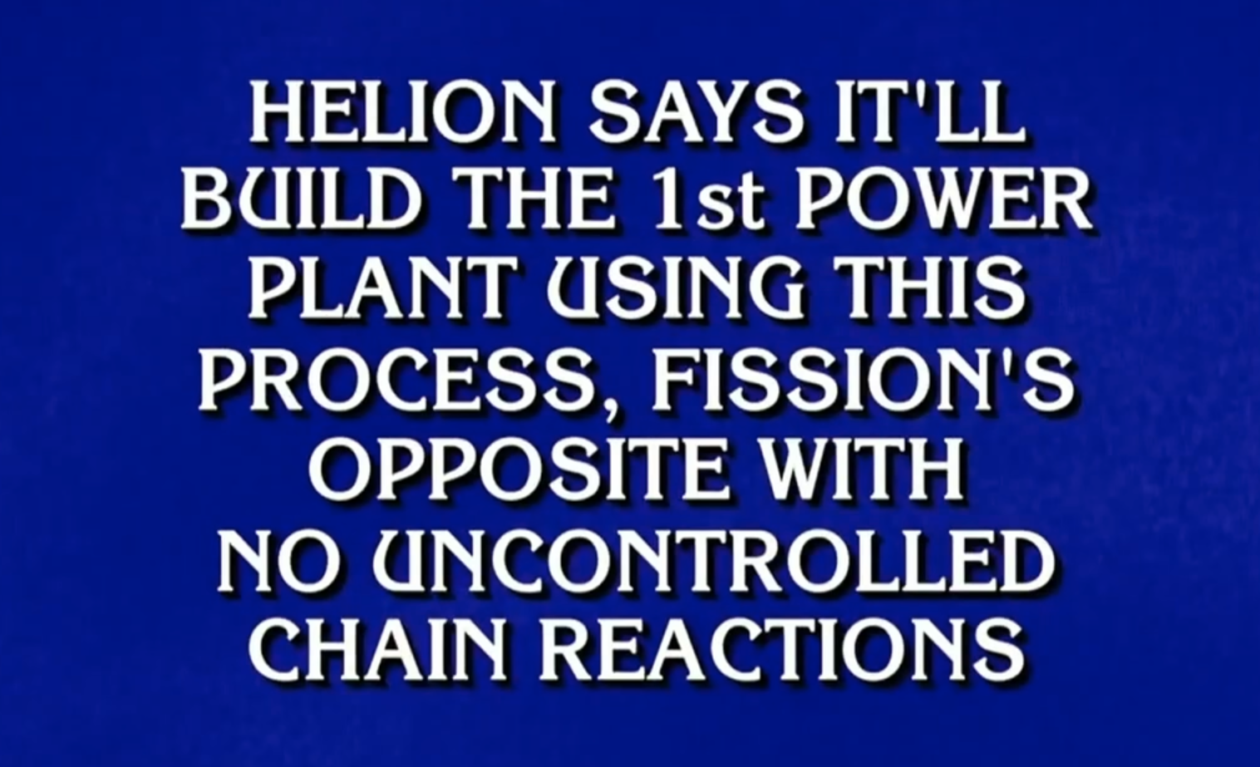
Helion Energy, the Everett-based fusion startup, gained mainstream attention this week after being featured as a clue on the popular game show "Jeopardy!". The $800 clue, part of a "Y Combinator" category, highlighted Helion's mission to build the first fusion power plant, bringing the concept of clean energy to a wider audience. CEO David Kirtley celebrated the "surreal" moment as a sign that reliable clean power is becoming more accessible.