
Star Fox's Original Artist Dives Into Controversial Switch 2 Remake
Original Star Fox artist Takaya Imamura has weighed in on the controversial new character designs for the upcoming Switch 2 remake of Star Fox 64, stating he personally prefers "the movie version" but acknowledges the new direction. Fans are divided over the more realistic looks, with many feeling characters like Fox McCloud have lost their iconic "aura."
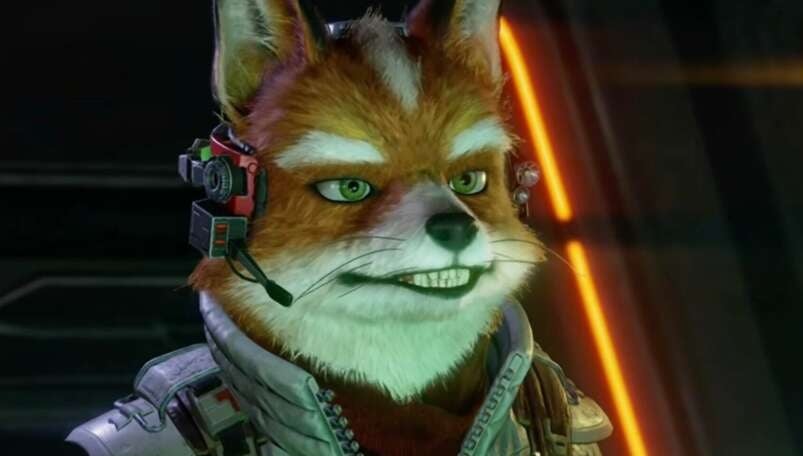
Star Fox's Original Artist Dives Into Controversial Switch 2 Remake Look
Well, buckle up, Star Fox fans, because the internet has been absolutely buzzing! Nintendo dropped a surprise announcement recently: a full-blown remake of the legendary Star Fox 64 is coming to the highly anticipated Switch 2. For many of us who grew up with Slippy's incessant cries for help and Peppy's timeless advice, this news alone would be enough to send us into orbit. But as is often the case with beloved classics getting a modern facelift, the reveal wasn't without its immediate, fiery debate. The new character designs, especially for our main man, Fox McCloud, have quickly become a hot topic, with many players feeling they're a little… off. And now, the man who started it all, original Star Fox character designer Takaya Imamura, has officially weighed in.
A Surprise Comeback, A Familiar Face…But Different
Imagine waking up to that kind of news! That's exactly what happened to Takaya Imamura, who, after retiring from Nintendo in 2021 after three decades, found his feed flooded with messages. "I wake up in the morning," Imamura shared on X, his excitement palpable even through machine translation. "A ton of messages have come in. Oh! Star Fox is finally making a comeback… I’ve gotta post about this… wait, this isn’t a dream, right?" This sentiment perfectly captures the collective gasp of joy (and perhaps a touch of apprehension) many fans felt.
The initial reveal showcased a Star Fox 64 that has received a "complete next-gen overhaul," but it was the revamped look of the iconic anthropomorphic pilot team that truly captured – and divided – attention. Accusations quickly surfaced that the new Switch 2 versions of Fox, Falco, Peppy, and Slippy looked "too realistic" and, in particular for Fox McCloud, had lost a certain "aura." It seems Nintendo opted for a more grounded, perhaps slightly more gritty, aesthetic for the beloved animal squad, and it’s fair to say it's not universally adored. The internet, as it always does, reacted swiftly, with comparisons flooding social media highlighting the perceived differences in charm and expressiveness.
The Original Lylat System Lineup: Who Was Who?
Before we delve deeper into the current controversy, it's worth remembering the origins of these iconic characters. Takaya Imamura was a core developer on the very first Star Fox game for the SNES in 1993. Guided by Shigeru Miyamoto's vision for an animal-based cast, Imamura set about crafting the distinct personalities of the Star Fox team. And here's a fun fact you might not know: the characters were actually inspired by real people at Nintendo!
Imamura once revealed that Fox McCloud's very "essence" was based on Shigeru Miyamoto himself, the game's legendary producer. "Fox is based on Miyamoto-san," he told Edge magazine, and he believed that "if you look closely, you can see the similarities." Peppy Hare, the wise old rabbit, took inspiration from director Katsuya Eguchi. Falco Lombardi, the hotshot pilot, was modeled after graphics team member Tsuyoshi Watanabe, whose "Roman nose" apparently inspired Falco's distinctive beak. And Slippy Toad, the lovable mechanic, was based on assistant director Yoichi Yamada, simply because he gave Imamura that impression and had a fondness for frogs. This behind-the-scenes detail underscores just how personal and ingrained these original designs were, making the current discussion around their new look all the more poignant for long-time fans.
Modern Makeover: Losing the Aura?
The journey from blocky polygons to detailed 3D models has been a long one for the Star Fox crew. While many anticipated a visual upgrade for the Switch 2 remake, the direction Nintendo has taken has genuinely surprised players. The prevailing sentiment among critics and a significant portion of the fanbase is that the characters' faces and overall aesthetic in the new Star Fox 64 remake lack the distinctive personality, or "aura," that defined their previous appearances. It’s a move toward realism that, for some, strips away the charm and distinctiveness that made them stand out.
Imamura, observing the new designs from his retirement, seemed to acknowledge his absence from the project with a subtle remark. "I guess this is how it turns out if I’m not supervising… or something like that," he mused on X. This comment, while lighthearted, hints at the designer's personal connection to his creations and perhaps a slight wistfulness regarding the new artistic direction taken without his direct input. It underscores the challenge of revisiting classic designs, especially when the original creator isn't at the helm.
Imamura's Nuanced Take: "I Prefer The Movie Version"
So, what does the architect of Fox McCloud's original look truly think of his latest incarnation? Imamura's comments are, unsurprisingly, quite nuanced. When asked about the controversial new character designs, he started by saying, "I think the concept is good." This suggests he appreciates the underlying artistic intent, even if the execution or specific stylistic choices aren't his personal favorite.
However, he then revealed his preference, stating clearly, "Personally, I prefer the movie version." While not explicitly stated in the source, for an enthusiast audience, this likely refers to the well-received character designs from the Star Fox Zero: The Battle Begins animated short, which struck a balance between classic charm and modern fidelity. This preference highlights a common fan sentiment: a desire for designs that evolve without losing the core appeal and expressiveness that defined the characters. Despite this personal inclination, Imamura concluded with an understanding nod to the developers: "but I thought this one was good in its own way, with a clear direction!" He acknowledges that the new designs have a distinct vision, even if it diverges from what he might have chosen. This speaks volumes about the respect among creators, even when differing artistic paths are taken. Still, as the source notes, "Not everyone agrees with the latter part of that sentiment," underscoring the ongoing fan divide.
The Lylat Wars Continue, But With A New Look
The announcement of a Star Fox 64 remake for Switch 2 is undeniably exciting. It promises a chance to relive one of Nintendo's most cherished space combat adventures with modern visuals and, presumably, enhanced performance. However, the early reveal has certainly stirred the pot, with the character redesigns becoming a central point of discussion. Takaya Imamura's insights offer a valuable perspective, coming from the very source of these iconic characters.
His preference for the "movie version" resonates with many fans who feel the new designs miss a certain je ne sais quoi, a particular "aura" that defines the Star Fox crew. Yet, his acknowledgment of the new designs having a "clear direction" also reminds us that artistic choices are subjective and often serve a specific vision. Ultimately, the success of these new designs will be determined by how players connect with them once the game is in their hands. Will this new, more realistic aesthetic help Star Fox 64 reach a new generation, or will it remain a point of contention for veterans? Only time, and perhaps some hands-on time with the Switch 2, will tell.
FAQ
Q: What is the new Star Fox game being discussed? A: Nintendo recently announced a surprise remake of the classic Star Fox 64, slated for release on the upcoming Switch 2 console.
Q: Who is Takaya Imamura and what was his role in the original Star Fox? A: Takaya Imamura is a retired Nintendo veteran who served as the character designer for the original Star Fox on the SNES, creating the iconic looks for Fox McCloud, Falco, Peppy, and Slippy.
Q: What is the main point of controversy regarding the new character designs? A: Many fans and critics argue that the new character designs for the Star Fox 64 remake on Switch 2 are "too realistic" and that characters like Fox McCloud have lost their unique "aura" or expressive charm compared to previous iterations.
Related articles

Apple Unveils iPhone Duo: Pricey Foldable Sees Soaring Demand
Apple has officially entered the foldable smartphone arena with the long-anticipated launch of the iPhone Duo. Priced starting at a hefty $1,999, the device features a 5.4-inch outer display and a larger 7.6-inch inner

DJI Solo Video Setups: Smart Choices for Lone Creators
This review delves into DJI's recommended solo video setups, highlighting the Osmo Pocket 3 Creator Combo as a top pick for its integrated camera, gimbal, and mic. It also covers stabilizers like the Osmo Mobile 8 and RS 4, and the DJI Mic Mini series for enhanced audio, providing honest pros, cons, and clear buying advice.

in-depth: Chicago-Area Cops Helped HSI Spy on Minnesota Anti-ICE
Chicago-area law enforcement, including local police and HSI agents, conducted undercover surveillance on Minnesota anti-ICE activists at an April 2, 2022, talk in Chicago. This operation was part of a federal conspiracy probe into 15 Minnesota activists facing felony charges related to immigration enforcement resistance. Civil liberties advocates have condemned the surveillance as a troubling intrusion into protected political activity.
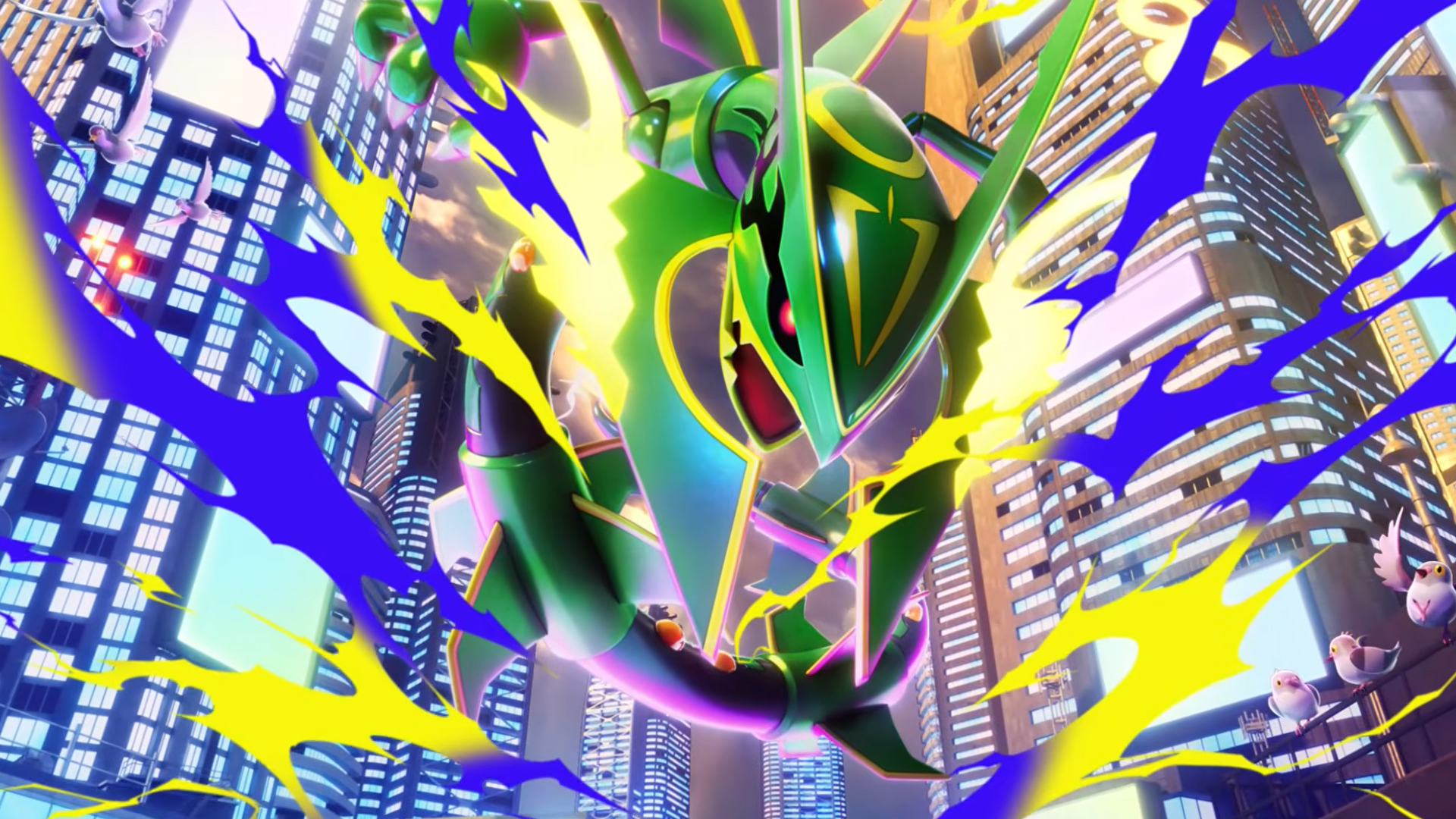
TCG Pocket Responds: A Much-Needed Pace Shift for Pokémon Fans
Pokémon TCG Pocket is rolling out a major update for its second anniversary, primarily addressing player concerns about overwhelming content releases by shifting to a six-week set schedule. This aims to curb player decline and improve overall engagement by giving trainers more time to collect and strategize. The update also adds new collection methods, improved deck-building features, and enhanced trading functionality.
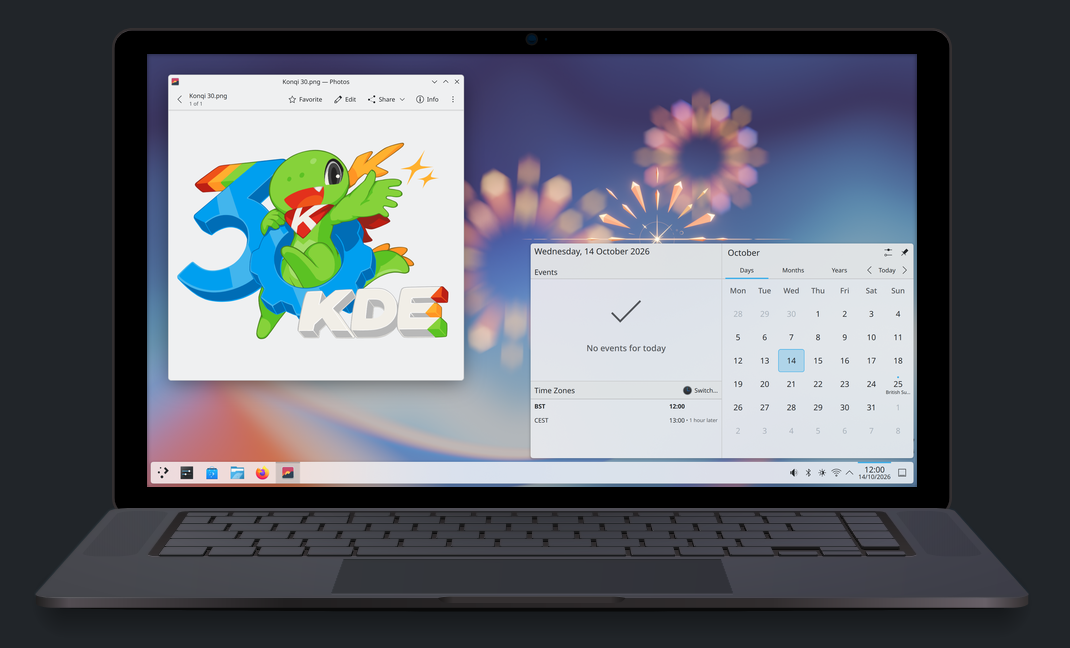
KDE Plasma 6.8: A Future-Focused 30th Anniversary Update
Quick Verdict KDE Plasma 6.8, arriving as the "30th Anniversary Edition," is a pivotal release that decisively pushes the desktop environment into the future. With a definitive farewell to native X11 sessions and a
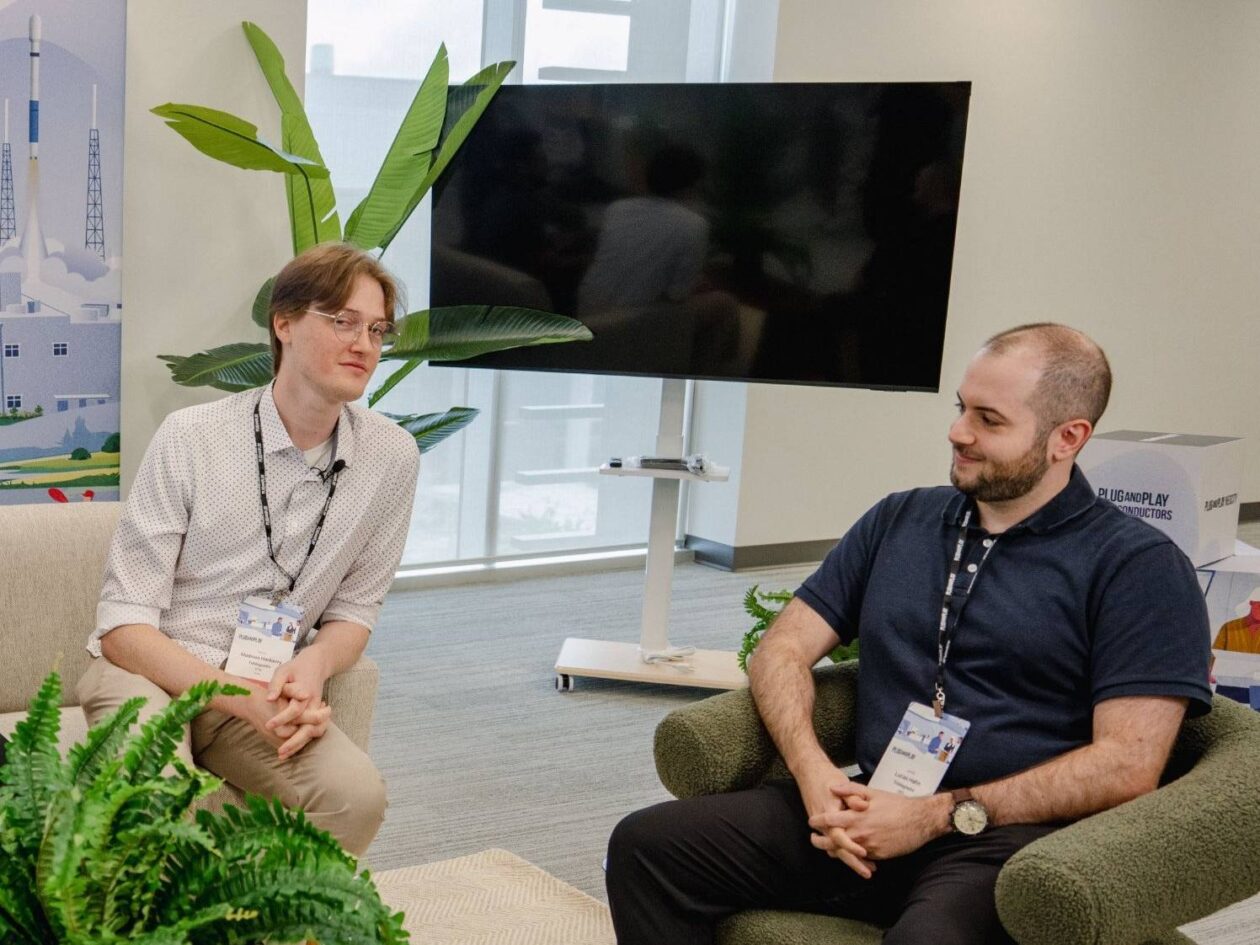
regional: A two-person Seattle startup lands $1M to reinvent
Seattle startup TriMagnetix has secured $1 million to develop semiconductor chips that consume 800 times less energy and are radiation-resistant. The two-person company, leveraging nanomagnetic technology, is targeting space applications and data centers. With new funding and key partnerships, TriMagnetix aims for commercial sales within a year.