
Spider-Man: Brand New Day's Dark Easter Egg Explained: Who is Jean
Unpack the brutal comic book origins of Jean DeWolff, the NYPD captain making her MCU debut in *Spider-Man: Brand New Day*. Learn about her tragic death, enduring legacy, and how her story shaped key moments for Spider-Man and even Venom.
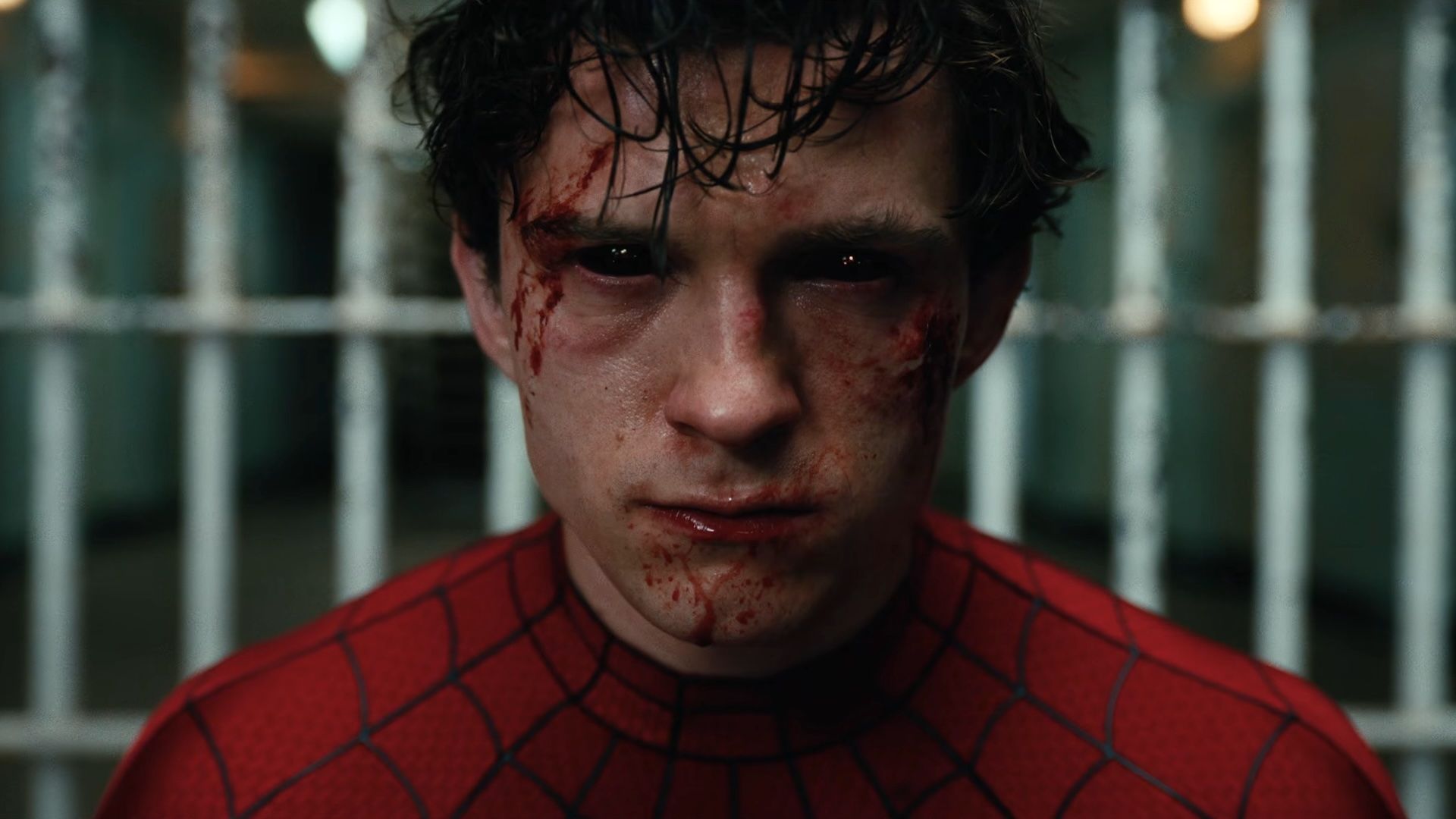
Spider-Man: Brand New Day's Dark Easter Egg Explained: Who is Jean DeWolff?
As a long-time Spider-Man fan who’s spent countless hours diving deep into comic book forums, there’s one question that always pops up: which characters would you resurrect if you had the chance? For me, the answer has always been the same, a surprisingly enduring supporting player who, despite her relatively low number of original appearances, has a peculiar staying power: Jean DeWolff. And now, she’s made her big screen Marvel Cinematic Universe debut in Spider-Man: Brand New Day.
This summer, as Peter Parker swings into action in Brand New Day, you’ll spot Liza Colón-Zayas, known for her role in The Bear, bringing Captain Jean DeWolff to life as a trusted friend within the NYPD. For casual viewers, she’ll be a new face, but for us comic book die-hards, her presence is a profound, even brutal, Easter egg — a direct nod to a classic, gritty story arc from 1985 that left an indelible mark on the web-slinger’s universe.
Beyond the Screen: Jean DeWolff's Enduring Legacy
It might seem odd that a character who’s been dead for over four decades in real-world time keeps showing up. But Jean DeWolff is no ordinary background character. Her influence stretches far beyond her page count, popping up in various alternate universes and transmedia adaptations over the years. You might have seen her reimagined in the Spider-Man Noir comics, in Spider-Gwen's original universe, or even in video games like the adaptation of The Amazing Spider-Man 2 and Insomniac’s acclaimed Marvel's Spider-Man from 2017. She even had a notable run in The Spectacular Spider-Man animated series from 2008. This consistent presence across different iterations speaks volumes about her quiet but firm grip on the hearts of creators and fans alike.
From Panel to Pavement: A Detective's Debut
Jean DeWolff first made her mark in Marvel Team-Up #48 (1976), in an issue titled "A Fine Night for Dying!" Co-created by writer Bill Mantlo and the legendary artist Sal Buscema, she was introduced as an NYPD police captain investigating a series of bombings. Her sharp wit and no-nonsense attitude quickly made her Spider-Man’s go-to police contact. She became an unofficial liaison between the web-head and the police department, making several appearances in Spidey’s titles over the next nine years. What made Jean truly stand out, beyond her competence, was her distinctive style: an inexplicable affection for 1930s fashion and automobiles. She often dressed like a classic "gun moll" and could be seen cruising in a vintage 1932 Ford, a unique touch that set her apart in the colorful world of Marvel Comics.
The Sin-Eater's Shadow: A Brutal Farewell
Jean’s story took a shocking turn and abruptly ended in 1985 with a four-part saga that ran through Peter Parker, The Spectacular Spider-Man v1 #107 to #111. This pivotal arc, aptly titled “The Death of Jean DeWolff,” was penned by the late, great Peter David (in some of his earliest Marvel work) and illustrated by the equally esteemed Rich Buckler. As the title suggests, the story kicks off with the grim discovery of Jean’s body, the first victim of a relentless, shotgun-wielding serial killer who ominously dubbed himself the Sin-Eater.
This storyline marked a significant tonal shift for Spectacular Spider-Man. Before this, readers were used to standard superheroics, but "The Death of Jean DeWolff" veered sharply into a dark, noir-infused crime drama. Spider-Man, consumed by a personal vendetta, transforms into a bitter sleuth against the grim backdrop of a volatile 1980s New York City. It’s a compelling, intense read that channels the "grim and gritty" post-Watchmen era of comics, drawing parallels to Frank Miller's groundbreaking work on Daredevil. Peter Parker as a hard-boiled detective shouldn't work as well as it does, but here, it absolutely shines.
Consequences That Echoed: From Identities to Venom
The repercussions of “The Death of Jean DeWolff” extended far beyond Jean herself, leaving a deep and lasting impact on the broader Marvel Universe. Perhaps its most significant outcome was the moment Peter Parker and Matt Murdock, aka Daredevil, revealed their secret identities to each other for the very first time. In 1985, when secret identities were still fiercely guarded, this was a monumental event that influenced both characters’ narratives for many years.
Furthermore, the urgent hunt for the Sin-Eater had another, more villainous consequence. As later revealed in Amazing Spider-Man v1 #300, a journalist named Eddie Brock staked his entire professional reputation on claiming he knew the Sin-Eater's identity. Tragically for Eddie, his scoop was based on a copycat. When Spider-Man captured the real Sin-Eater, Brock’s career was shattered, triggering the downward spiral that eventually led him to bond with a certain alien symbiote and become the formidable villain we all know as Venom. Talk about a brutal butterfly effect from one character’s tragic end!
A Spirit That Lingers: DeWolff's Modern Footprint
Even in death, Jean DeWolff has never truly been forgotten. Her legacy continues to inspire, particularly among later comic creators who find new ways to acknowledge her presence. There was even a brief attempt to bring her back, as she was one of several deceased supporting characters temporarily resurrected during the 2016 Clone Conspiracy storyline.
A more recent and significant example of Jean's lasting impact can be seen in the character of Yuri Watanabe. Introduced in the Spider-Man comics in 2009, Yuri started as an NYPD police captain who was notably friendly to superheroes, and to Spider-Man in particular. It was later revealed that her compassionate approach stemmed from her close friendship with Jean DeWolff. Yuri eventually evolved into a major player in Insomniac’s Spider-Man video game universe, not just as a supporting cast member but also in her costumed identity as the vigilante Wraith, directly echoing Jean’s spirit of fighting for justice.
The Brutal Best Easter Egg
So, there you have it: the surprisingly extensive backstory behind one of Spider-Man: Brand New Day's most poignant Easter eggs. While you don't need to know any of this to enjoy the film, understanding Jean DeWolff’s tragic yet impactful history deepens your appreciation for the rich tapestry of Spider-Man lore. For those of us who cherish these connections, her inclusion is a testament to the enduring power of even the most brutal, cult-favorite comic stories from decades past. Go see Brand New Day and keep an eye out for Peter’s friend at the precinct – she represents far more than meets the eye.
FAQ
Q: Who plays Jean DeWolff in Spider-Man: Brand New Day?
A: In the new Marvel Cinematic Universe film, Captain Jean DeWolff is portrayed by Liza Colón-Zayas, known for her role in The Bear.
Q: What is "The Death of Jean DeWolff" comic story?
A: "The Death of Jean DeWolff" is a brutal four-part comic arc from 1985, found in Peter Parker, The Spectacular Spider-Man v1 #107-111. It depicts Jean DeWolff’s murder by the serial killer known as the Sin-Eater.
Q: Why is Jean DeWolff considered a significant character in Spider-Man lore?
A: Despite her relatively limited initial appearances and early death, Jean DeWolff’s story profoundly impacted the Marvel Universe. It led to Spider-Man and Daredevil revealing their secret identities to each other and played a direct role in the origin of Eddie Brock becoming Venom. Her character has also continued to appear in various adaptations and inspired modern characters like Yuri Watanabe.
Related articles
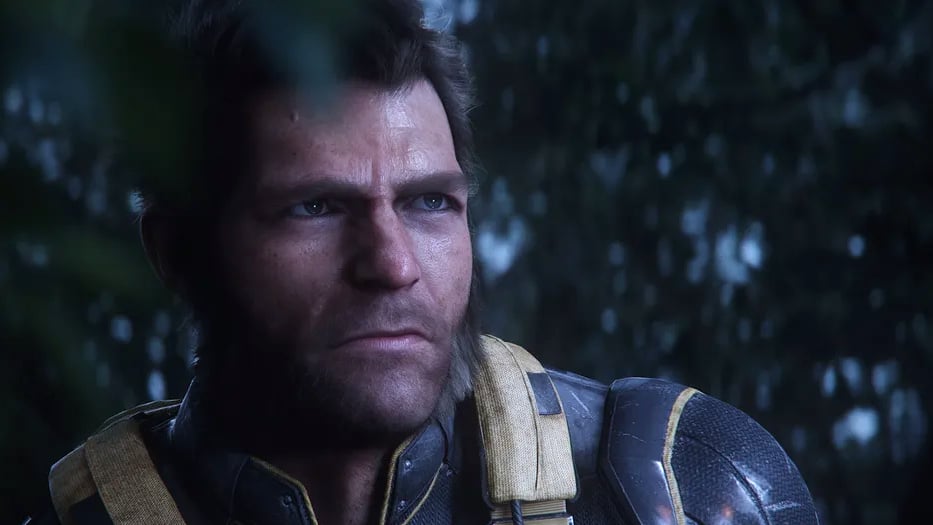
Wolverine Player Breaks Free, Uncovers Insomniac's Unseen World
A dedicated Wolverine player has uncovered a fascinating glitch, allowing them to break free from the game's linear levels and explore its larger, unfinished world. This gives fans a rare peek into Insomniac's development process and the potential scope of Logan's adventure, offering insights into hidden environmental details and behind-the-scenes 'video game magic'.
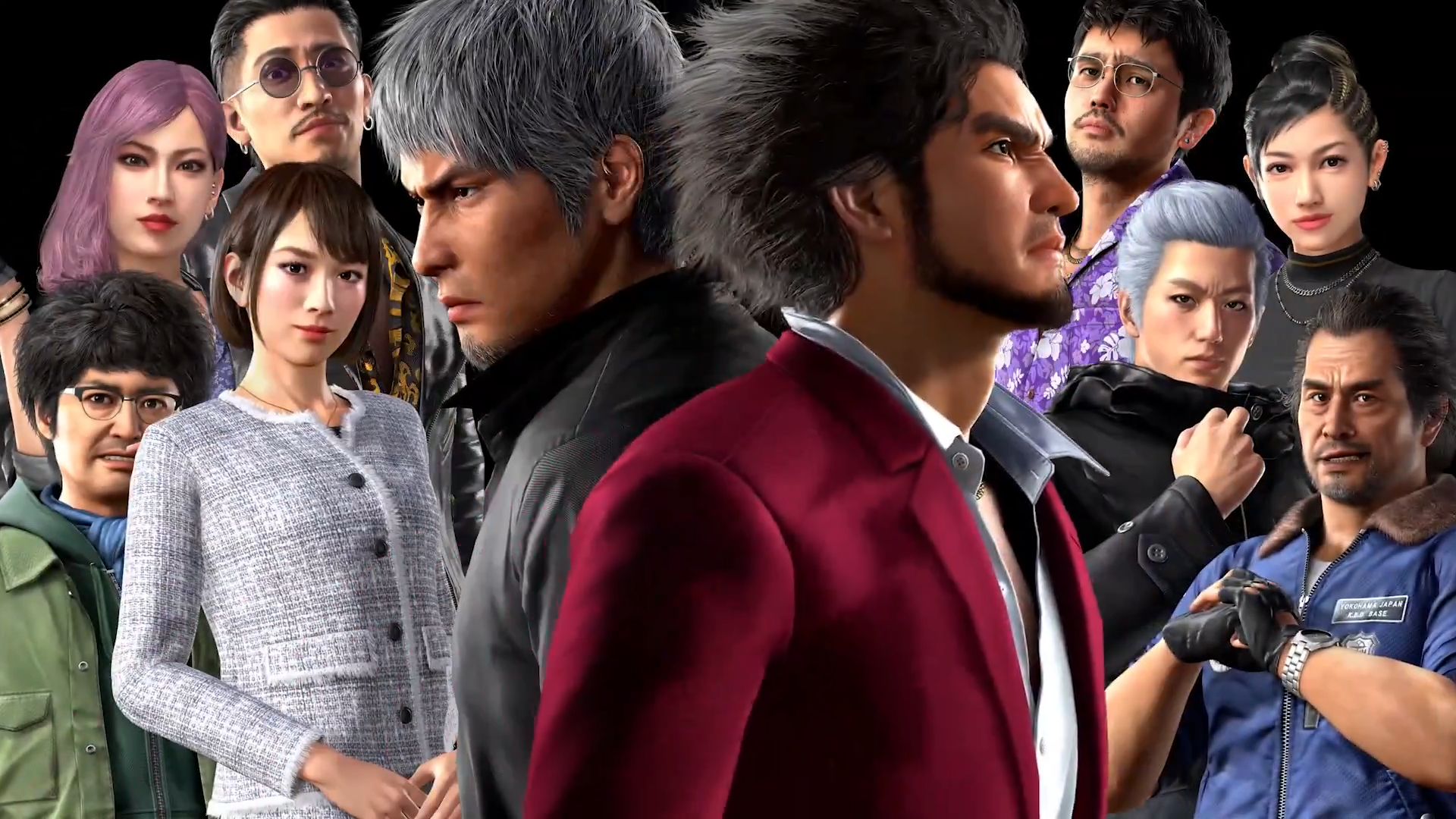
20 Years of the Dragon: Celebrating Yakuza's Western Debut
Twenty years ago, Sega introduced the West to Kazuma Kiryu and the unique world of Yakuza. Blending gritty crime drama with bizarre humor and compelling characters like Goro Majima, the original PlayStation 2 game established a beloved franchise. Revisit its origins today via the enhanced Yakuza Kiwami.
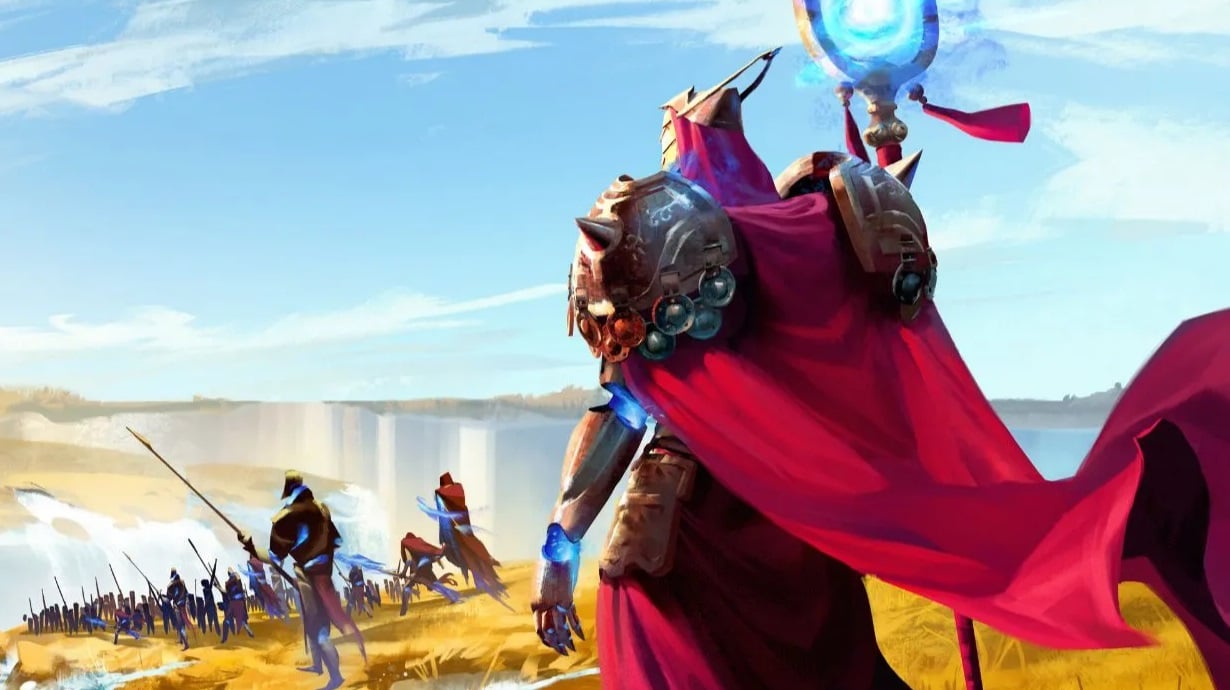
Endless Legend 2 Dev: Early Access Has Changed, Players Are
Endless Legend 2 is launching 1.0 on Steam this September 17, but its Early Access journey highlights a huge shift in player expectations. Amplitude's CEO notes players are now 'unforgiving' of unfinished games, making true experimentation difficult for developers.

Wardogs' Studio: Crunch Expected, Anti-Crunch Devs Need Not Apply
The studio behind Steam hit *Wardogs*, Bulkhead, openly embraces crunch, with CEO Joe Brammer admitting it's an expected part of their development process. The studio even screens job applicants' social media, turning away those who publicly criticize crunch, believing they wouldn't fit in. While some employees with shares can see significant financial benefits from successful titles, not all staff receive these rewards, and the company has had yearly layoffs.

Windows 11 Media Creation Tool: The Official Path to Bootable USBs
Verdict: Windows 11 Media Creation Tool - Your Gateway to a Fresh OS Install For anyone looking to install Windows 11, either on a brand-new PC or by performing a clean wipe on an existing one, Microsoft's official

Thief Dev Asks: 'Why Do We Need More Graphics?' Challenging AAA
In an industry constantly pushing the boundaries of visual fidelity, where every new AAA title seemingly demands more polygons, higher resolution textures, and ever more realistic lighting, it’s refreshing—and perhaps a