
SpaceX's Starmind: A Daring AI Orbit Ambition Hits Cosmic Roadblocks
SpaceX Starmind: A Daring AI Orbit Ambition Hits Cosmic Roadblocks SpaceX's audacious Starmind project, aiming to launch a million AI-powered satellites into low Earth orbit (LEO), is undeniably one of the most
SpaceX Starmind: A Daring AI Orbit Ambition Hits Cosmic Roadblocks
SpaceX's audacious Starmind project, aiming to launch a million AI-powered satellites into low Earth orbit (LEO), is undeniably one of the most ambitious undertakings in the tech world. Leveraging NVIDIA's cutting-edge GPUs to create an orbital data center, Elon Musk's vision promises to untether AI development from terrestrial constraints. While the ambition is sky-high, our deep dive reveals that the journey to the stars is fraught with significant technical, financial, and logistical challenges.
The Vision: AI in Orbit
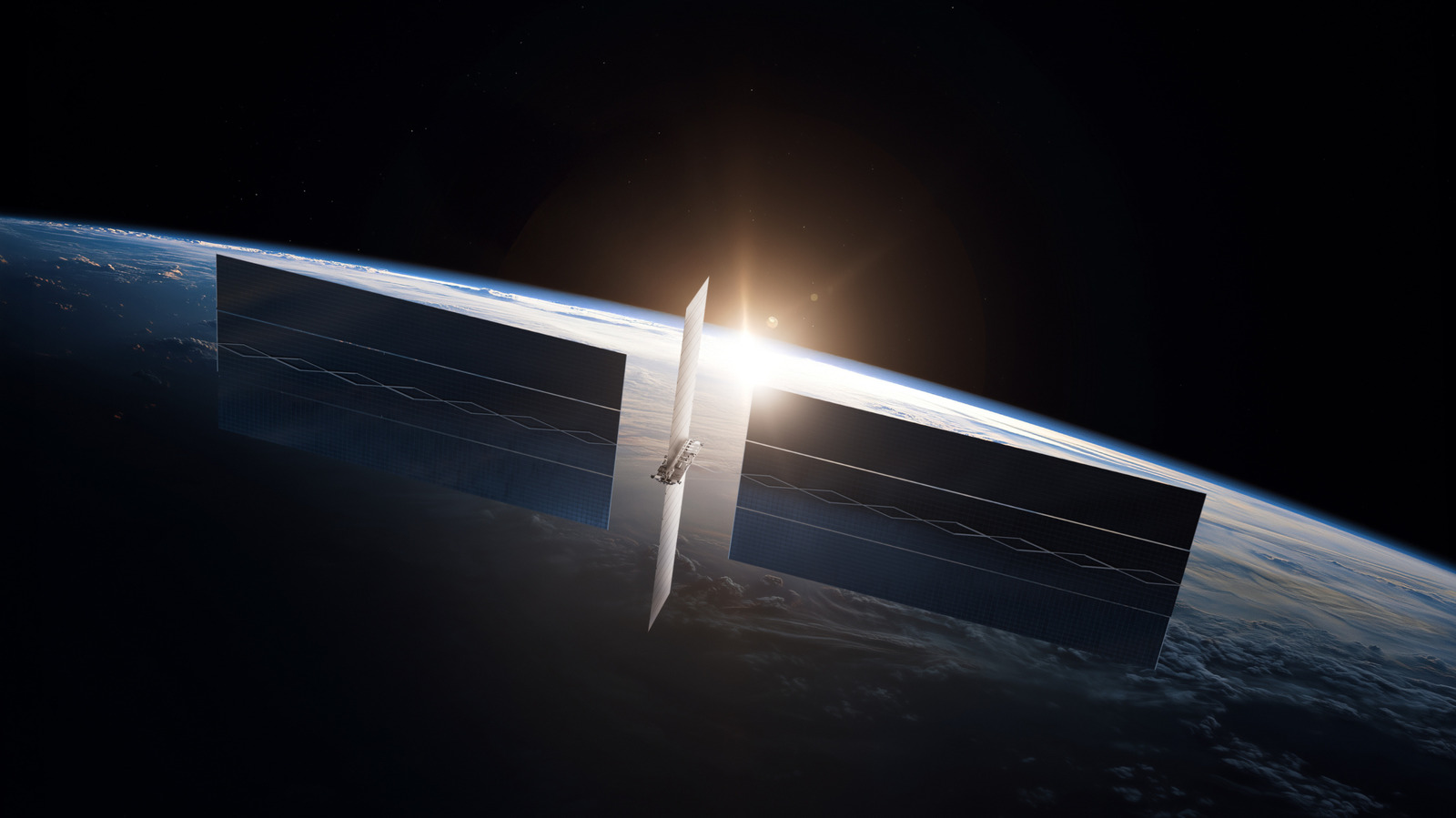
Starmind, as outlined in SpaceX's FCC application, plans to deploy a massive constellation of AI1 satellites, forming an orbital data center of unprecedented scale. Each AI1 unit is designed to function as a powerful AI server rack, equipped with approximately 72 NVIDIA chips. These satellites, powered by immense solar arrays, aim to generate an impressive 175kW of computing power on average. The concept is to beam AI results back to Earth using high-speed laser links integrated with the existing Starlink system, effectively creating a global, space-based AI computation network.
Musk's stated goal is to free AI's growth from Earth's limiting factors: land scarcity, environmental impact, and power shortages. By operating in a sun-synchronous orbit, the AI1 satellites can face the sun nearly continuously (98% of the time), generating 210kW of power from their extensive solar panels. Heat dissipation, a major concern for terrestrial data centers, is proposed to be managed by 1,700-square-foot liquid radiators designed to release heat efficiently into the vacuum of space. While the long-term plan involves SpaceX's own Terafab chip manufacturing facility, the immediate strategy, as revealed during a Q2 earnings call, is to rely on NVIDIA's advanced architecture to meet an optimistic 2027 launch timeline.
Hardware at the Edge of Space: NVIDIA's Rubin and Vera
The core of Starmind's computational prowess lies in NVIDIA's latest generation hardware. SpaceX has committed to using NVIDIA Rubin GPUs and Vera CPUs, specifically opting for the Vera Rubin NVL72 rackscale system as the project's chip platform. NVIDIA claims its Space-1 Vera Rubin module delivers a staggering 25 times more AI compute than the previous H100 GPU model. Musk lauded this choice during the earnings call, describing it as the "best architecture" and asserting that the NVL72 VR computer design is superior to standard rack-style designs, promising lower costs and greater effectiveness both in orbit and on the ground.
From a pure performance perspective, selecting NVIDIA's bleeding-edge chips makes sense. These components represent the pinnacle of current AI processing capabilities, essential for complex AI workloads. The integration of 72 chips per satellite, essentially an entire server rack in space, highlights the immense computational ambition behind each orbital node. However, this choice, while offering peak performance, introduces unique vulnerabilities when placed in the extreme environment of space.
The Crux: Design Meets the Cosmos
SpaceX's design attempts to mitigate the inherent challenges of operating advanced electronics in orbit. The massive solar panels address power concerns, aiming for self-sufficiency. The liquid radiators are an ambitious solution to the critical problem of heat management in a vacuum. The use of high-speed laser links piggybacks on Starlink's proven communication infrastructure, offering a tangible path for data transmission.
However, the user experience, in this context, refers to the reliability and efficiency of AI computation. And this is where Starmind faces its gravest challenges. The very miniaturization that makes modern GPUs powerful also makes them fragile in space. Dr. Benjamin Lee of the University of Pennsylvania highlights that newer chips, with their smaller transistors, are far more susceptible to "bit flips" caused by radiation from solar weather and other LEO events. The reduced charge required to represent binary data means these chips are more prone to errors. While AI systems can detect and correct these errors, the constant need to do so introduces significant computational overhead, potentially making orbital data centers less efficient than their terrestrial counterparts.
This concern contrasts with some industry optimism. Starcloud, another startup, has launched NVIDIA H100 GPUs into orbit, expressing confidence in their comparable shelf life to ground-based systems. Google also found that its V6e Trillium TPU compute tray could operate reliably in orbit for five years. These examples suggest that, with proper engineering, chips can endure space for a period. Yet, the question remains whether the latest, most powerful chips can operate efficiently enough when constantly battling radiation-induced errors, as Dr. Lee suggests.
Orbital Roadblocks: Beyond Radiation
The challenges for Starmind extend far beyond radiation susceptibility:
-
Financial Feasibility: A Bain policy brief from July 2026 stated that data center launches need to cost between $50 and $100 per kilogram to be economical. SpaceX's Falcon Heavy, its current most powerful operational rocket, operates at approximately $1,500 per kilogram – a fifteen-fold difference. Furthermore, the AI1 satellites are too large for the Falcon 9, relying entirely on the still-developing Starship rocket. To achieve the proposed million-satellite constellation, SpaceX would need to dramatically reduce launch costs and scale its launch rates far beyond current global capabilities.
-
Maintenance Nightmare: In space, hardware repair is exceedingly difficult, if not impossible for a constellation of this scale. The likely strategy would be to launch new, upgraded satellites rather than attempting repairs. A Meta study on its Llama 3 model highlighted hardware-related failures occurring as frequently as every three hours during training on Earth. Such a failure rate in orbit, where replacement is the only option, would pose an acute and unsustainable problem.
-
Orbital Crowding and Debris: The sheer ambition of a million-satellite constellation from a single entity raises serious concerns about orbital debris and collision risks. Experts are already worried about the increasing congestion in low Earth orbit. Adding a million more high-power satellites exponentially increases the chance of collisions, potentially leading to Kessler Syndrome and rendering parts of LEO unusable. The environmental consequences of such a cluttered sky are also a significant concern.
Verdict: Ambition vs. Reality
SpaceX's Starmind project, with its reliance on NVIDIA's top-tier GPUs, embodies a truly groundbreaking vision for the future of AI. The idea of untethering AI computation from Earth's physical limitations is compelling, and the proposed solutions for power generation and heat dissipation are innovative. Elon Musk's confidence, claiming no "magic" is needed beyond existing Starlink V3 technology, paints an optimistic picture.
However, the honest assessment points to substantial hurdles. The vulnerability of advanced, miniaturized chips to space radiation introduces a fundamental efficiency problem. The financial model, requiring a massive reduction in launch costs and an unprecedented increase in launch cadence, seems overly optimistic. The long-term maintenance implications, coupled with the exponential increase in orbital crowding and debris risk, present daunting challenges that lack clear solutions at present.
While the technological leap envisioned is monumental, the practicalities of deployment and sustained operation appear to be on the razor's edge of feasibility. Starmind represents a fascinating intersection of cutting-edge AI and space exploration, but it's a project that, for now, remains largely within the realm of ambitious vision rather than imminent, fully viable reality.
Recommendation
For investors and stakeholders, Starmind represents a high-risk, high-reward proposition. The potential upside of a global, space-based AI computation network is transformative. However, the current technical, financial, and logistical barriers are monumental. It is prudent to approach Elon Musk's 2027 timeline with significant skepticism. While the core technological components (NVIDIA GPUs, Starlink laser links) are proven, their integration and sustained operation at the proposed scale in the harsh orbital environment are unproven. Wait for concrete demonstrations of sustained orbital efficiency and significant cost reductions in launch services before considering this project as a de-risked investment or a near-term reality.
FAQ
Q: What is the primary benefit of Starmind operating in space?
A: Starmind aims to overcome terrestrial limitations for AI computation, such as land scarcity, environmental concerns, and power shortages, by leveraging solar energy in orbit and beaming results back to Earth.
Q: What are the biggest technical challenges facing NVIDIA's GPUs in space for Starmind?
A: The primary technical challenge is the susceptibility of advanced, miniaturized GPUs to radiation in low Earth orbit, which can cause data corruption (bit flips) and reduce computational efficiency, despite built-in error detection and correction.
Q: Is SpaceX's Starmind project financially viable with current launch costs?
A: No, current launch costs for SpaceX's Falcon Heavy are significantly higher ($1,500/kg) than the economical range ($50-$100/kg) required for orbital data centers to be profitable. The project also relies on the still-developing Starship rocket for its large AI1 satellites.
Related articles
Android 17 QPR2 Beta 7.1: The Performance Relief You've Been Waiting
Android 17 QPR2 Beta 7.1: Finally Fixing the QPR1 Performance Woes Verdict: Android 17 QPR2 Beta 7.1 is a crucial and highly anticipated software update for Google Pixel users, specifically targeting and resolving the

DJI Solo Video Setups: Smart Choices for Lone Creators
This review delves into DJI's recommended solo video setups, highlighting the Osmo Pocket 3 Creator Combo as a top pick for its integrated camera, gimbal, and mic. It also covers stabilizers like the Osmo Mobile 8 and RS 4, and the DJI Mic Mini series for enhanced audio, providing honest pros, cons, and clear buying advice.

Ars Technica's Rocket Report: Your Essential Space Industry Briefing
Quick Verdict Ars Technica's Rocket Report, presented by veteran space reporter Stephen Clark, offers an invaluable and meticulously organized weekly (or similar frequency, implied by "Edition 9.15") digest of the most
Apple iPhone Duo: A Daring Debut with Notable Compromises
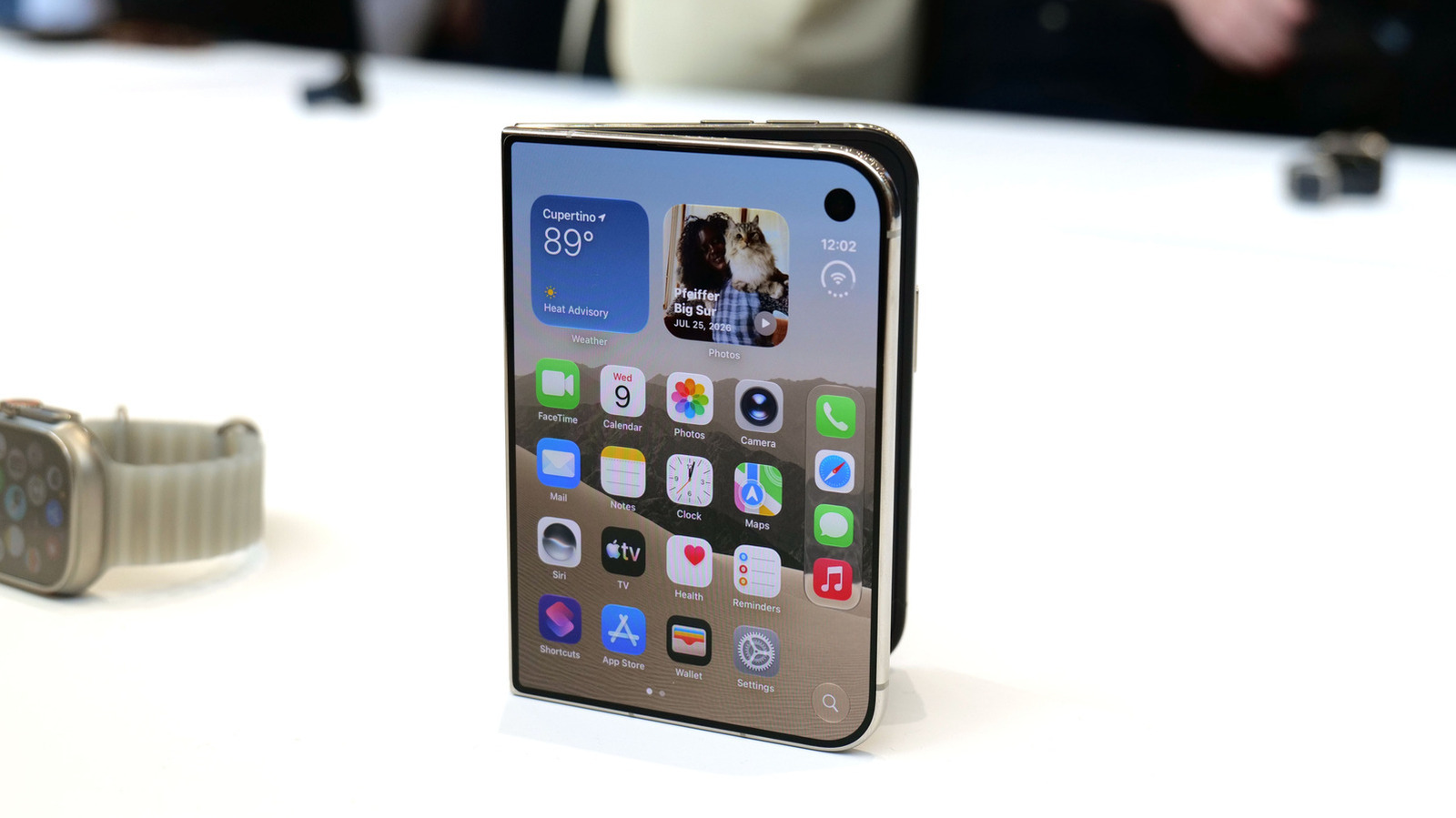
Apple's highly anticipated iPhone Duo, priced at $2,000, has gone on pre-order. While hailed as "Apple's most exciting device in a decade" for its innovative foldable design and immersive display, it comes with significant drawbacks like the absence of FaceID and a premium camera.
Tesla Unveils Thruster-Equipped Roadster, 2028 Production Targeted
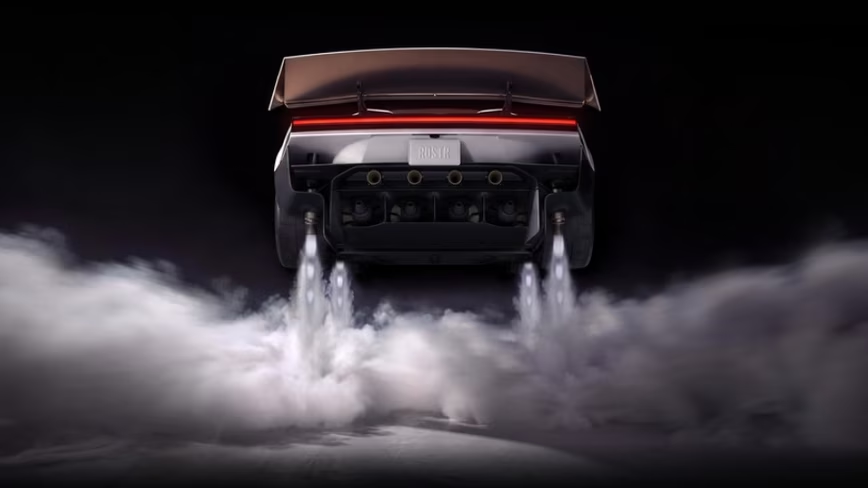
Tesla has unveiled its second-generation Roadster, featuring cold-gas thrusters co-developed with SpaceX, enabling it to jump and flip. The electric sports car demonstrated 0-60mph in an astonishing 0.81 seconds, with production targeted for 2028. This highly anticipated reveal also serves as a key recruitment tool for Tesla's ambitious AI and robotics initiatives.
KDE Plasma 6.8: A Future-Focused 30th Anniversary Update
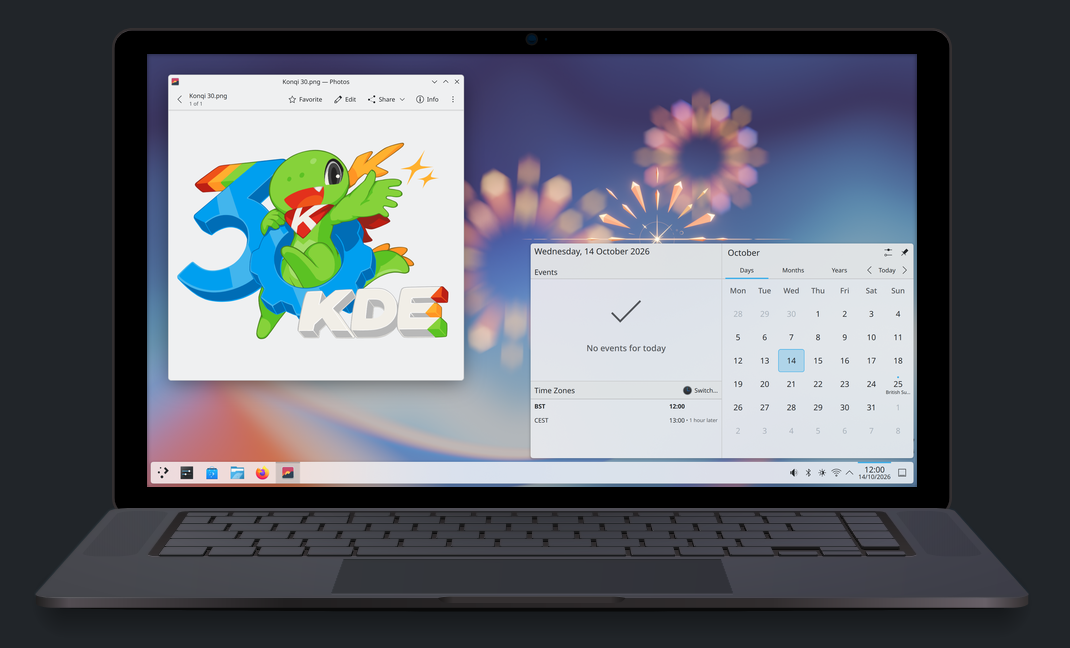
Quick Verdict KDE Plasma 6.8, arriving as the "30th Anniversary Edition," is a pivotal release that decisively pushes the desktop environment into the future. With a definitive farewell to native X11 sessions and a