
Silo's Bold Leap in Season 3 Unearths a Deeper Mystery
Silo Season 3 on Apple TV makes a bold pivot, incorporating prequel elements that open up its world while deepening its terrifying mysteries. It balances claustrophobic bunker drama with glimpses of the past, offering a richer, more ambitious narrative.
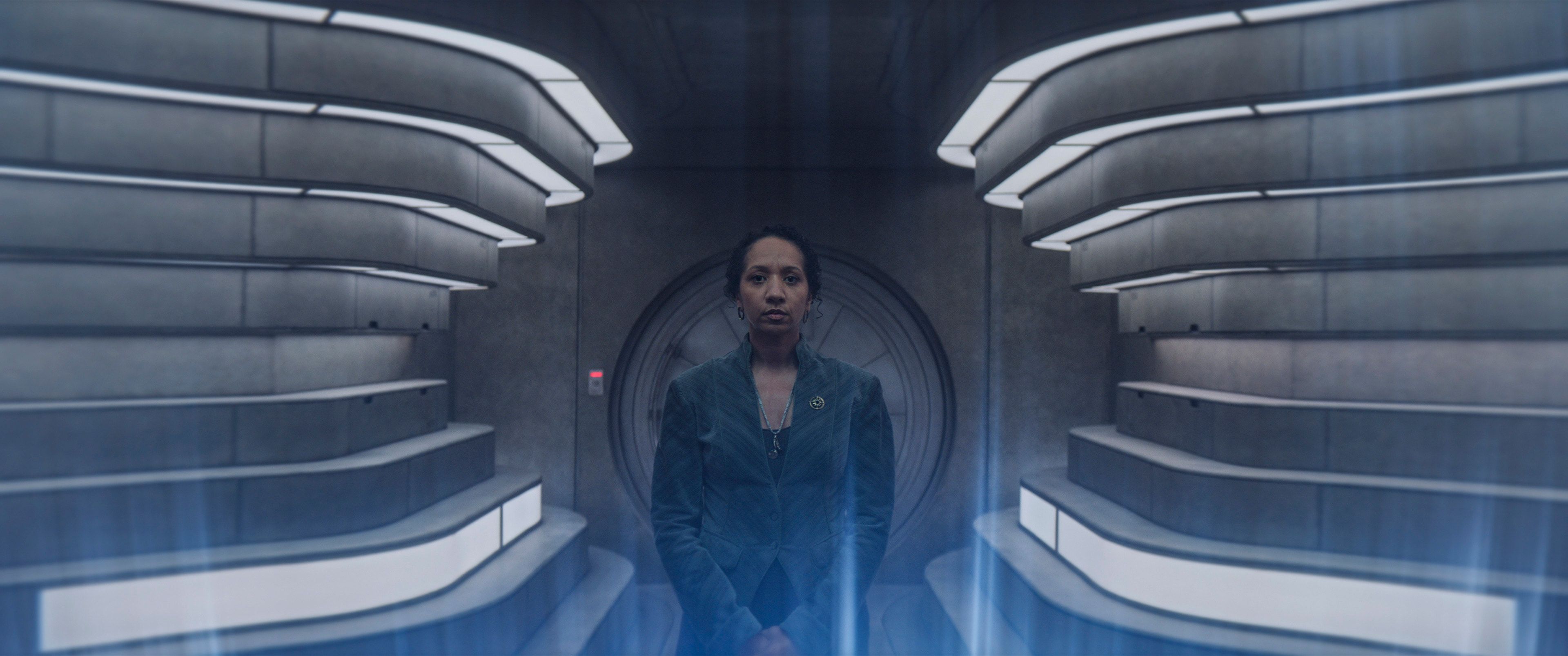
Silo Season 3: Apple's Scariest Sci-Fi Show Makes a Bold Pivot That Totally Pays Off
Apple TV has carved out an impressive niche for top-tier science fiction, but few shows hit as uncomfortably close to home as Silo. Graham Yost's adaptation of Hugh Howey's acclaimed novels has consistently delivered a chilling, claustrophobic vision of humanity's future after a devastating catastrophe. We've spent two seasons trapped alongside Juliette Nichols and the inhabitants of the titular underground bunker, piecing together fragments of a horrifying truth. But with Silo season 3, debuting July 3 exclusively on Apple TV, the show makes a daring narrative pivot that not only expands its world but deepens its terrifying implications.
Rather than simply continuing the confined saga, Yost and executive producer Fred Golan bravely weave in elements from Shift, Howey's prequel novel. This isn't just a side story; it's a fundamental re-framing of the show's central mystery, balancing the known unease of the silo with glimpses of the world that led to its creation. What emerges is Silo's brightest and, ironically, least claustrophobic season yet – without ever sacrificing the suffocating tension that makes it utterly addictive.
Stepping Out of the Shadows (Literally)
The most striking change in Silo season 3 is its willingness to pan the camera away from the familiar dark, industrial interiors. By integrating flashbacks and prequel sequences, the show opens up, offering glimpses of the world before the silos. This means we're introduced to new characters like Daniel Keene (Ashley Zukerman), a disillusioned U.S. congressman, and Helen Drew (Jessica Henwick), a Washington, D.C. journalist on the cusp of a world-altering scoop. Initially, these sequences might feel like a distraction, pulling you away from Juliette's immediate peril. However, as the season progresses, they become literal breaths of fresh air, providing crucial context and a stark visual contrast.
Director Graham Yost explains it best, aiming "to make every effort to make the world that we see outside beautiful, so that we're reminded of what's been lost." This thematic weight gives the outside world a tragic beauty, making its inevitable fate all the more poignant. The overarching mystery of Silo doesn't disappear in these moments; it merely hides in plain sight, slowly revealing its monstrous scale.
Nichols' New Nightmare: Chaos in the Bunker
While the outside world expands, the intensity within the silo remains palpable, perhaps even heightened. Juliette Nichols (Rebecca Ferguson) finds herself in a whirlwind of confusion and paranoia. Grappling with memory loss and the sudden, untimely passing of Bernard Holland (Tim Robbins), she’s thrust into the unexpected role of mayor. This isn’t a promotion to be celebrated; it's a new form of confinement, forcing her to question everyone, even those she should trust implicitly. The series expertly crafts a sense of isolation for Nichols, making her journey to piece together what's truly happening a compelling, nail-biting experience for the audience as well.
Unexpected Heroes and Evolving Loyalties
With Bernard's absence, other characters step into the spotlight, gaining significant depth. Robert (Common) and Camille Sims (Alexandria Riley) receive substantial screen time, revealing a dynamic far more intricate than previously assumed. Common, in particular, delivers some of his strongest material yet. His character, long defined by his unwavering loyalty and duty as the silo's enforcer, has layers peeled back to reveal a complex individual, challenging the audience's preconceived notions. We see heartwarming moments between him and his son, adding a deeply human touch to a character previously seen as purely antagonistic. Meanwhile, engineers Shirley Wilkins (Remmie Milner) and Knox (Shane McRae) become crucial figures, battling a slew of obstacles as they strive to reconnect with Nichols and keep the dream of freedom alive.
The Cost of Truth and a Slower Burn
Every bold pivot comes with a trade-off, and for Silo season 3, it's occasionally at the expense of its relentless momentum. The expanded scope, which dedicates time to laying crucial narrative foundations both inside and outside the silo, means some episodes might feel a touch slower than the breakneck pace of Season 2. Viewers accustomed to constant, immediate payoffs might initially find themselves wishing certain storylines accelerated. However, patience is undeniably rewarded. The slower build-up serves a purpose, enriching the narrative with historical weight and context that retroactively enhances everything that came before. Despite this minor dip in immediate urgency, the show's core power remains intact; you'll still be desperate for the next episode the moment the credits roll.
Ultimately, Silo season 3 never loses sight of its defining themes: systems built on secrecy, ordinary people burdened by extraordinary truths, and the profound consequences of compromising for survival. If previous seasons asked if the truth was worth uncovering, Season 3 confronts the haunting question of what happens once there's no turning back from that truth – and if you can truly live with the aftermath. This season's ambition, trading some of its signature claustrophobia for a broader, more tragic perspective, pays off in spades, proving Silo has far more to offer than just an intriguing central mystery.
FAQ
Q: What is the main change in Silo Season 3? A: The biggest change is a narrative pivot that incorporates prequel elements and flashbacks from the Shift novel, expanding the show's scope beyond the silo's walls to explore the events leading to its creation. This offers a broader, more tragic perspective while maintaining tension.
Q: Will the show still be claustrophobic and tense, despite the expanded world? A: Absolutely. While the prequel elements provide a "breath of fresh air," the storyline within the silo remains intensely claustrophobic and fraught with paranoia, particularly with Juliette Nichols' memory loss and her new, challenging role as mayor. The show's signature uneasiness is as nail-biting as ever.
Q: What platform is Silo Season 3 available on, and when does it release? A: Silo Season 3 premieres on July 3, exclusively on Apple TV.
Related articles

TCG Pocket Responds: A Much-Needed Pace Shift for Pokémon Fans
Pokémon TCG Pocket is rolling out a major update for its second anniversary, primarily addressing player concerns about overwhelming content releases by shifting to a six-week set schedule. This aims to curb player decline and improve overall engagement by giving trainers more time to collect and strategize. The update also adds new collection methods, improved deck-building features, and enhanced trading functionality.

Amazon Prime Video Launches AI-Powered Prime 360 for NBA Coverage
Amazon Prime Video is elevating its NBA coverage with the introduction of Prime 360, an AI-powered replay system offering immersive, 'fly through' views of the action. Kicking off its second season, Prime Video also adds Yahoo fantasy integration and gains exclusive Eastern Conference Finals rights, expanding its tech-driven sports broadcast. The new features aim to deliver a unique and interactive viewing experience for basketball fans.

Kojima Compares Divisive New Film 'Digger' to MGS2's Prescient Vision
Gaming icon Hideo Kojima has praised the divisive 2026 film *Digger*, drawing intriguing parallels to his own prophetic game, *Metal Gear Solid 2*. Both works, he explains, uniquely explore the dangers of misinformation and a fragmented digital reality, anxieties he shares with *Digger*'s director, Alejandro González Iñárritu.

Ubisoft Proposes German Studio Workforce Reduction Amidst
Ubisoft is planning a voluntary departure program for about 100 employees across its Düsseldorf, Berlin, and Mainz studios in Germany. This move is part of a larger, ongoing cost-reduction and restructuring effort by the publisher, aiming to better position its studios for future projects.

TGS 2026: These Forward-Looking Cosplays Are Already Living in the
Tokyo Game Show 2026 showcased incredible cosplay, with many fans embodying characters from unreleased games like *Blast Blade* and *Mononoke No Kuni*. This gallery highlights the community's foresight, alongside debut *Palworld* cosplay and refreshed takes on classics. It’s a testament to the passion that brings gaming's future to life.

Beyond the Bugs: Conquering Studio Headaches in Indie Dev
This guide, part three in a series on running an indie studio, tackles the crucial but often overlooked aspect of dealing with non-development related issues. It introduces creating a shared 'studio backlog' for collective problems and using the IDS (Identify, Discuss, Solve) framework to address them constructively. The core message is to build powerful habits that keep studios from getting quietly derailed by lingering challenges.