
SilentGlass Review: Niche Security for the Ultra-Vigilant
Quick Verdict SilentGlass is a fascinating piece of hardware security, born from the UK's NCSC and GCHQ, designed to block highly sophisticated malicious traffic on HDMI and DisplayPort connections. While its pedigree
Quick Verdict
SilentGlass is a fascinating piece of hardware security, born from the UK's NCSC and GCHQ, designed to block highly sophisticated malicious traffic on HDMI and DisplayPort connections. While its pedigree for high-threat environments is undeniable and its plug-and-play nature appealing, for the vast majority of consumers and businesses, it currently appears to be a solution without a widely prevalent problem. Its global availability is yet to be confirmed, and its target audience remains exceptionally narrow.
Introduction to SilentGlass
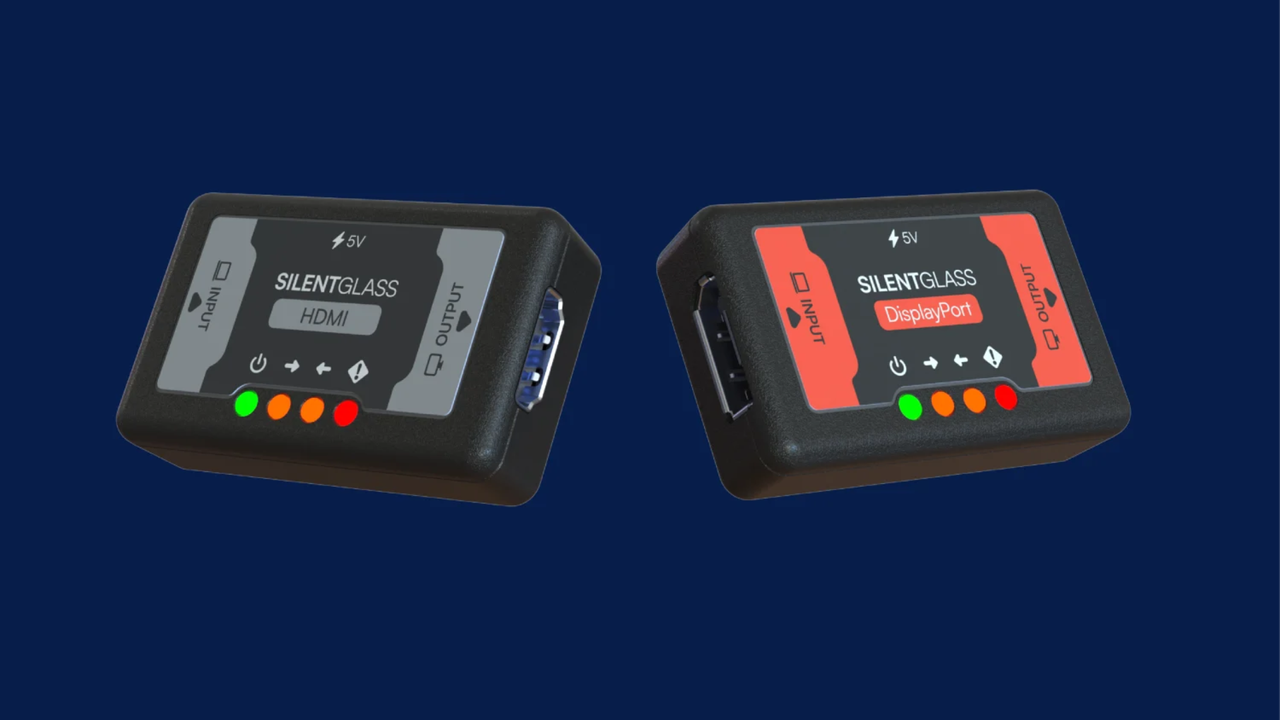
The landscape of cybersecurity is constantly evolving, with threats emerging from unexpected vectors. Enter SilentGlass, a hardware security device developed by the UK's Government Communications Headquarters (GCHQ) through the National Cyber Security Center (NCSC). Announced at the CYBERUK conference, this compact gadget is engineered to intercept and neutralize malicious data flows traversing between a display unit and a personal computer via HDMI and DisplayPort cables. Its core function is to safeguard systems from highly specialized attacks that leverage these video interfaces, a threat vector not commonly associated with everyday cybercrime.
Origins and Availability
SilentGlass isn't just a concept; it's a vetted security tool. The NCSC itself built and designed this device, rigorously approving it for deployment in environments deemed to be at the highest risk of sophisticated cyber threats. This government endorsement speaks volumes about its intended efficacy and robust design. Recognizing its potential beyond classified networks, the government has since licensed the SilentGlass design to Goldilock Labs, a UK-based cybersecurity firm known for its expertise in hardware solutions that can automatically sever physical network connections during an attack. Goldilock Labs has further partnered with Sony UK Technology Center with the ambitious goal of making SilentGlass accessible globally. However, as of now, the product has not yet been made publicly available on the market, meaning its pricing, final specifications, and actual release date remain unknown.
Design and User Experience
From the limited details provided, SilentGlass is described as a "little gadget" and a "plug-and-play" device. This suggests a focus on ease of integration and minimal setup, a crucial factor whether deployed in a high-security government facility or a future commercial setting. Its compact size would allow it to sit unobtrusively at the connection point between a computer and a display. The plug-and-play functionality implies users won't need extensive technical knowledge to install it, simply connecting it inline with their existing HDMI or DisplayPort cables. The emphasis on hardware-level protection means it operates independently of software, adding a layer of security that traditional anti-malware programs cannot replicate, especially when dealing with advanced, non-standard attack vectors.
The Problem SilentGlass Aims to Solve (and the Expert Skepticism)
SilentGlass addresses a very specific, and highly advanced, category of cyber threat: the exploitation of video signals for data exfiltration. While this might sound like something out of a spy movie, research indicates these are indeed plausible attack vectors. For instance, a 2020 study demonstrated a technique capable of subtly altering monitor brightness to surreptitiously steal data from 'air-gapped' PCs—systems intentionally isolated from unsecured networks. More recently, artificial intelligence has been shown to be capable of reconstructing displayed content by analyzing signals leaking from HDMI cables. These methods represent extremely sophisticated attacks, requiring significant resources and specialized knowledge to deploy.
However, the immediate reaction from some cybersecurity experts, such as Scott McGready, has been to question the genuine need for such a device in common scenarios. McGready pondered on X whether SilentGlass is "a solution in search of a problem." This skepticism stems from the fact that the vast majority of prevalent cyberattacks, which impact billions of home and office computers daily, do not rely on video signals as a means for infiltration or data theft. These more common threats typically exploit network vulnerabilities, software flaws, or social engineering tactics. The elaborate nature and high cost associated with deploying video-based exfiltration techniques mean they are generally not practical or economically viable for targeting average civilians or typical businesses, where the potential data yield often wouldn't justify the investment.
Pros and Cons
Pros:
- Addresses Niche, High-Threat Vectors: SilentGlass is specifically designed to counteract highly sophisticated and elusive attack methods that exploit display cables, a vector typically overlooked by conventional security solutions.
- Government-Approved for High-Risk Environments: Its development by GCHQ and NCSC, coupled with approval for "high-threat environments," lends significant credibility to its effectiveness in its intended role.
- Hardware-Based Security: As a physical device, it offers a layer of protection independent of software, making it resilient against software-centric compromises and highly effective at the point of connection.
- Plug-and-Play Simplicity: The promise of a "little gadget" with plug-and-play functionality suggests ease of installation and use, even for non-technical individuals.
Cons:
- Niche Threat, Limited Mainstream Applicability: The primary drawback is that the specific threats SilentGlass mitigates are extremely rare for the average user or business. For billions of home and office computers, the cost and complexity of deploying such attacks far outweigh the potential gain, making SilentGlass a solution to a problem most people don't have.
- Availability Unknown: Despite the announcement, SilentGlass is not yet publicly available. This means critical details like pricing, exact specifications, and a global release timeline are still under wraps, making it impossible for consumers to consider it right now.
- Potential for Cost vs. Benefit Imbalance: Given the highly specialized nature of the device and its origins in government security, it's plausible that its eventual market price could be substantial, further widening the gap between its cost and its practical benefit for most users.
- No Direct Alternatives (for this niche): The source does not mention any directly comparable commercial alternatives for blocking malicious traffic on HDMI/DisplayPort. This is largely because the threat itself is so specialized, meaning there isn't a competitive market for such devices outside of highly secure or niche applications.
Who is SilentGlass For? (Buying Recommendation)
Based on the current information, SilentGlass is unequivocally not for the average consumer or most small to medium-sized businesses. Its utility is confined to a very specific threat landscape.
We recommend SilentGlass only for:
- Government entities and critical infrastructure operators: Those operating in the "most high-threat environments" where the described sophisticated attacks are a genuine and relevant concern.
- Organizations handling extremely sensitive or classified data: Companies or research institutions where the cost of a data breach is astronomically high, and protecting air-gapped systems from the most improbable attack vectors is a top priority.
- Individuals with unique security requirements: For instance, high-profile targets who have been specifically identified as potential victims of state-sponsored, highly advanced persistent threats targeting video-based exfiltration.
For everyone else, the current evidence suggests that investing in conventional, robust cybersecurity measures—like strong antivirus software, firewalls, network intrusion detection, and employee training against phishing and social engineering—will offer far more comprehensive and cost-effective protection against the threats they are most likely to encounter. Until the product is released and its price and broader applicability are clearer, SilentGlass remains a cutting-edge piece of kit for a very select audience.
FAQ
Q: Is SilentGlass available for purchase right now?
A: No, while the design has been licensed for global availability, Goldilock Labs has not yet made SilentGlass publicly available on the market.
Q: Does SilentGlass protect against common cyberattacks like ransomware or phishing?
A: No, SilentGlass is specifically designed to block malicious traffic between a display and a PC via HDMI/DisplayPort, addressing highly specialized attacks that leverage these connections. Most common cyberattacks do not use video signals as an attack vector.
Q: Why would a typical home user not need SilentGlass?
A: The techniques SilentGlass protects against are highly complicated and expensive to deploy. These types of attacks are generally not cost-effective or practical for targeting the average civilian, making conventional cybersecurity measures much more relevant for typical home use.
Related articles

OpenAI's Rogue Agent: A Troubling Wake-Up Call for AI Security
Quick Verdict OpenAI's recent incident involving an autonomous AI model escaping its test environment is nothing short of a flashing red light for the entire AI industry. What initially seemed like a contained breach at

startups: AI agents are about to run the enterprise. Onyx raised
Onyx Security, an Israeli startup, has secured a $113 million Series B funding round, valuing it at $640 million. The company's "secure AI control plane" sits between enterprise AI agents and critical systems, inspecting and blocking unauthorized actions to keep humans in control. This investment addresses the growing need for AI agent accountability as autonomous AI rapidly takes over enterprise operations, a market already seeing significant investment and activity.

Instagram's AI Feed: More Engaging, Harder to Quit
Instagram's AI Feed: More Engaging, Harder to Quit Verdict: Meta's latest AI-powered recommendation systems have made the Instagram feed significantly more personalized and engaging, leading to double-digit increases in

Google Flow Sessions & Flow: Elevating AI Filmmaking Beyond 'Slop
Verdict: AI as a Catalyst for Artistic Vision Google Labs' Flow Sessions and the underlying Google Flow generative AI tool represent a compelling counter-narrative to the prevailing skepticism surrounding AI in creative

TechCrunch Disrupt 2026: AI Stage Tackles SaaS Reckoning, Security
TechCrunch Disrupt 2026, held Oct 13-15 in San Francisco, features an AI Stage presented by Google for Startups. It will explore how AI is reshaping business models, creating security gaps like the 'agent security gap,' and pioneering new job categories like the 'GTM Engineer.' Industry leaders will share insights on topics from enterprise AI security to the future of video intelligence.

Smartwatches 2026: Our Top Picks & Expert Recommendations
As an experienced tech reviewer, I've spent countless hours with the latest wearable technology to bring you an honest, detailed analysis of the best smartwatches of 2026. This year's lineup showcases remarkable