
Samsung Galaxy Z Fold8 & Z Fold8 Ultra Review: The Right Shape
The Samsung Galaxy Z Fold8 and Z Fold8 Ultra represent Samsung's most refined foldables yet, with the standard Fold8's new wider, shorter shape being a game-changer for usability despite the Ultra's superior camera. Both offer top-tier performance.
-and-Z-Fold8-(right)-SOURCE-Julian-Chokkattu.jpg)
For nearly a decade, Samsung has been iterating on its foldable smartphone vision. With the latest Galaxy Z Fold8 and Z Fold8 Ultra, it seems the company has finally landed on a design that feels purpose-built for the foldable experience, especially with the standard Fold8 model. After weeks of testing both devices, it's clear the shape shift introduced in the Galaxy Z Fold8 makes it the true tablet-phone hybrid many have been waiting for, earning both devices a solid 8/10 rating.
The Breakthrough in Foldable Design
Historically, Samsung's Fold devices have mirrored the long, narrow 'candy bar' form factor of traditional smartphones. However, the new Galaxy Z Fold8 breaks this mold, adopting a shorter and wider shape that fundamentally changes the user experience. The Fold8 Ultra, while also new, adheres more closely to the familiar taller, slimmer foldable design.
My time began with the Galaxy Z Fold8, and the difference in usability compared to the Ultra was immediately apparent and surprisingly significant. The Fold8’s redesigned hinge makes it considerably easier to open, reducing the friction that often made me default to the Ultra's narrower cover screen. The Ultra's taller outer display, while resembling a standard smartphone, required more hand acrobatics to navigate, leading to less frequent use of its expansive inner screen. The Fold8, by contrast, beckoned me to unfold it constantly, whether for reading in portrait or viewing content in landscape on its 7.6-inch internal display. It’s a subtle but impactful change, akin to choosing a more comfortable layout in a software application – you might see slightly less content at a glance, but the overall interaction is far more pleasant.
The Fold8’s 5.5-inch cover screen also benefits from a 10:16 aspect ratio, which significantly reduces the 'letterboxing' often seen on the Ultra's display, even for full-screen apps like Instagram Reels. While the Fold8’s hinge is less stiff, meaning it can't hold as many half-open angles as the Ultra, I found it perfectly capable of propping up for tabletop viewing at a near-90-degree angle, which served most of my needs.
Both devices showcase a noticeable improvement in the screen crease; it’s significantly less obvious and feels smoother when fingers glide across the display. This refinement enhances the premium feel of the foldables. However, a persistent design flaw on both models is the protruding camera module on the back. This causes the phones to rock annoyingly when placed on a flat surface, a problem that even a protective case doesn't fully resolve. It’s a design oversight that competitors like Google and Apple have addressed with different camera bar approaches.
The Fold8 also excels in multi-tasking. Its wider inner screen makes split-screen mode feel less cramped, offering more 'breathing room' for applications and even allowing three apps to be displayed side-by-side comfortably.
Performance and Battery Life: Uncompromised Power
Despite the $200 price difference, both the Galaxy Z Fold8 and Z Fold8 Ultra deliver identical, top-of-the-line performance, powered by the Qualcomm Snapdragon 8 Elite Gen 5 chip. This ensures a consistently buttery-smooth experience across all applications and demanding games, leaving no room for complaint regarding speed or responsiveness.
Battery life sees a slight advantage for the Ultra, which houses a larger 5,000-mAh battery compared to the Fold8's 4,800-mAh capacity. Both devices feature Samsung’s new silicon-carbon battery technology. In my testing, the Fold8 Ultra consistently achieved over six hours of screen-on time, while the Fold8 provided a respectable five to six hours. It’s worth noting that my use of the Ultra’s larger inner display was less frequent due to its less convenient shape, which could skew the comparison slightly. Heavy users of the inner screen on either model will likely see a proportional increase in battery consumption.
Capturing Moments: The Camera Systems
The primary differentiator in specifications between the two models lies in their camera systems. The standard Galaxy Z Fold8 features a robust setup with a 50-megapixel primary sensor and a 50-megapixel ultrawide lens, complemented by two 10-megapixel selfie cameras on its outer and inner screens. Photos taken with the Fold8 are generally impressive, offering decent exposure in challenging dark and bright scenes, strong detail, and a reliable portrait mode. While not my personal favorite mobile camera system due to some minor color exaggeration in skin tones, it will undoubtedly satisfy most users.
The Fold8 Ultra justifies its higher price with a more advanced camera array, boasting a 200-megapixel main sensor that delivers superior overall performance in varied lighting conditions. Crucially, the Ultra also includes a 10-megapixel 3X optical zoom lens. This zoom capability is a significant advantage over the Fold8, which lacks a dedicated zoom camera. As someone who values zoom photography, the absence of this feature on the Fold8, given its premium price, is a notable drawback. While the Ultra's 3X optical zoom is good, I wish Samsung had pushed further, perhaps matching the 5X optical zoom found on alternatives like the Pixel 11 Pro Fold.
One minor grievance shared by both devices pertains to Samsung’s native software: the built-in keyboard is rather poor, and its voice typing feature is even less effective.
The Verdict: Which Fold is the Right Fold?
For years, Samsung's Flip phones have served as the more accessible entry point into the foldable market, thanks to their familiar form factor, obvious pocketability, and lower price. However, with the Galaxy Z Fold8, Samsung has finally delivered a book-style foldable that genuinely feels like the 'right shape' – a true tablet-phone combination that mainstream consumers with an interest (and the budget) should seriously consider.
While the Galaxy Z Fold8 Ultra offers a superior camera system, particularly with its optical zoom, the standard Fold8's ergonomic improvements in shape, ease of opening, and overall user experience make it the more appealing device for daily use. The $200 price difference becomes less of a sting at this premium tier, but it's important to weigh whether the Ultra's camera advantages outweigh the Fold8's more comfortable design. Both are incredibly expensive, especially in the current economic climate, but the Fold8 stands out as the most refined and user-friendly iteration of Samsung's large-screen foldable yet.
FAQ
Q: Is the Samsung Galaxy Z Fold8 worth its price?
A: The Galaxy Z Fold8 is a highly innovative and refined foldable, offering a unique tablet-phone experience with top-tier performance and a significantly improved design. While its price tag of $1,900 is substantial, it offers a premium experience, especially for those seeking a cutting-edge device with a versatile form factor.
Q: What is the main difference between the Galaxy Z Fold8 and the Galaxy Z Fold8 Ultra?
A: The primary differences lie in their physical shape and camera systems. The Fold8 is shorter and wider, offering a more comfortable grip and easier access to its inner screen. The Fold8 Ultra maintains a taller, slimmer profile similar to previous Folds. Camera-wise, the Ultra boasts a more powerful 200-megapixel main sensor and a 10-megapixel 3X optical zoom lens, which the standard Fold8 lacks.
Q: Is the camera on the Galaxy Z Fold8 good enough without a zoom lens?
A: The Galaxy Z Fold8's camera system, with its 50-megapixel main and ultrawide sensors, delivers pretty great photos with strong detail and decent exposure for most situations, including solid portrait shots. While the lack of an optical zoom lens is a drawback for zoom photography enthusiasts, the overall quality is more than satisfactory for the average user. If zoom is a critical feature for you, the Ultra is the better choice.
Related articles
Android 17 QPR2 Beta 7.1: The Performance Relief You've Been Waiting
Android 17 QPR2 Beta 7.1: Finally Fixing the QPR1 Performance Woes Verdict: Android 17 QPR2 Beta 7.1 is a crucial and highly anticipated software update for Google Pixel users, specifically targeting and resolving the

DJI Solo Video Setups: Smart Choices for Lone Creators
This review delves into DJI's recommended solo video setups, highlighting the Osmo Pocket 3 Creator Combo as a top pick for its integrated camera, gimbal, and mic. It also covers stabilizers like the Osmo Mobile 8 and RS 4, and the DJI Mic Mini series for enhanced audio, providing honest pros, cons, and clear buying advice.

Mark Wahlberg on using AI in film ‘the right way’ and being open to
Actor Mark Wahlberg believes AI has a place in filmmaking if used responsibly for enhancement, not script generation or actor replacement. At TechCrunch Disrupt, he expressed openness to an AI likeness carrying on his legacy, managed by his family, and emphasized storytelling.

Ars Technica's Rocket Report: Your Essential Space Industry Briefing
Quick Verdict Ars Technica's Rocket Report, presented by veteran space reporter Stephen Clark, offers an invaluable and meticulously organized weekly (or similar frequency, implied by "Edition 9.15") digest of the most

Apple iPhone Duo: A Daring Debut with Notable Compromises
Apple's highly anticipated iPhone Duo, priced at $2,000, has gone on pre-order. While hailed as "Apple's most exciting device in a decade" for its innovative foldable design and immersive display, it comes with significant drawbacks like the absence of FaceID and a premium camera.
Amazon Prime Video Launches AI-Powered Prime 360 for NBA Coverage
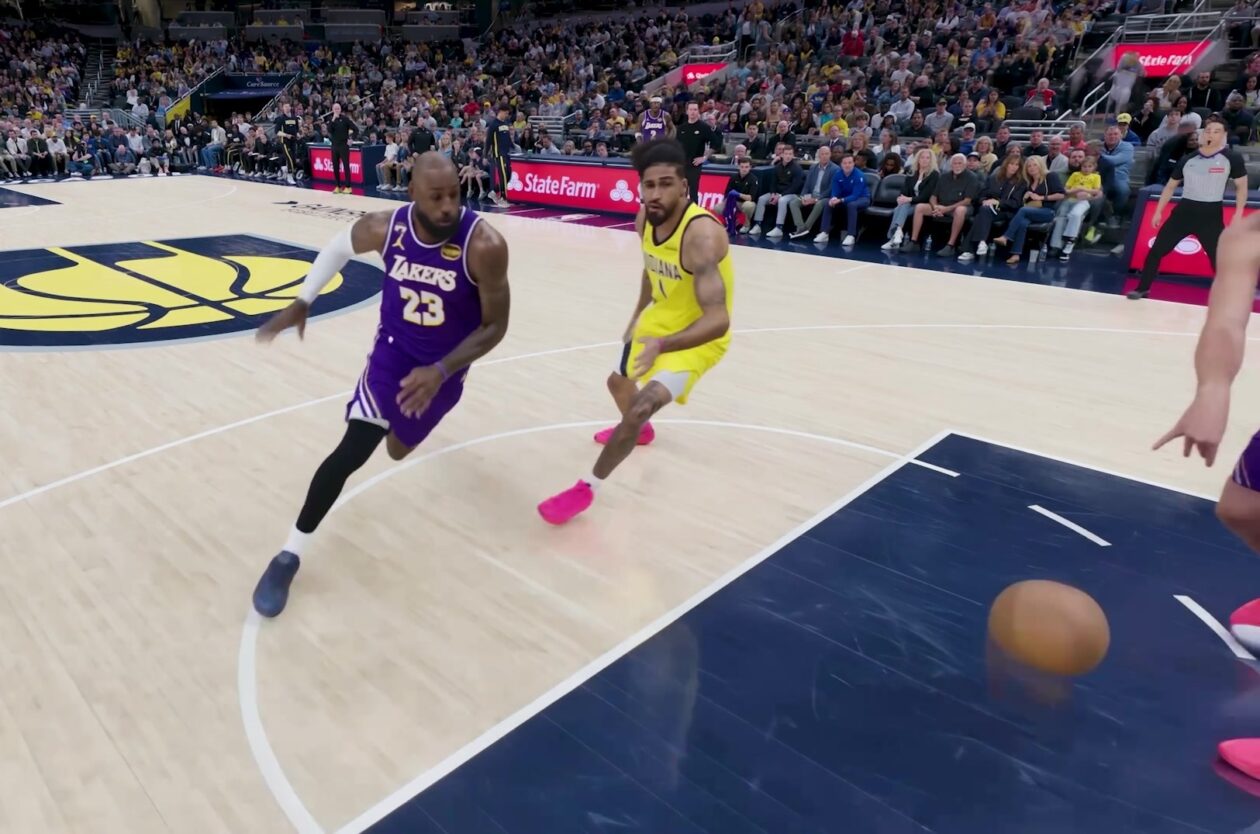
Amazon Prime Video is elevating its NBA coverage with the introduction of Prime 360, an AI-powered replay system offering immersive, 'fly through' views of the action. Kicking off its second season, Prime Video also adds Yahoo fantasy integration and gains exclusive Eastern Conference Finals rights, expanding its tech-driven sports broadcast. The new features aim to deliver a unique and interactive viewing experience for basketball fans.