
reviews: Microsoft Researchers Figure Out How to Store Data Inside
Microsoft researchers have reportedly achieved a breakthrough in data storage, using lasers to store digital information inside glass. This novel method promises exceptional longevity, with researchers claiming data could be retrieved from the glass after an astonishing 10,000 years. This development holds significant implications for long-term archiving and digital preservation.

Microsoft Researchers Figure Out How to Store Data Inside Glass Using Lasers
Key takeaways
- Microsoft researchers are developing a novel method for data storage.
- This approach involves storing information within glass.
- Lasers are utilized to inscribe data into the material.
- A key characteristic is extreme longevity, with data potentially retrievable after 10,000 years.
What happened
A new development in long-term data archiving has been reported by Microsoft. Researchers affiliated with the technology company have reportedly found a way to store digital information directly within glass. This innovative technique employs lasers as the primary mechanism for inscribing data into the material. The most notable attribute of this storage, as reported by CNET, is its extraordinary durability: researchers suggest stored data could potentially be retrieved from the glass after 10,000 years.
This achievement represents an exploration into non-traditional data storage mediums, moving beyond limitations of conventional magnetic or optical storage. While specific scientific principles or methodology are not detailed in the provided information, the core focus is clearly on leveraging glass as a stable and enduring substrate for information. The involvement of lasers implies precise manipulation of the glass structure, likely at a microscopic level, to encode digital data points. This foundational capability marks an interesting advancement in the persistent search for more resilient and sustainable data preservation.
Why it matters
The challenge of creating data storage solutions with exceptionally long lifespans is critical in the digital age. Existing enterprise and archival storage technologies often present issues related to finite durability, environmental footprint, and the perpetual necessity for data migration. The reported capability to retrieve data from glass after an estimated 10,000 years offers a potential answer to these challenges, introducing longevity far beyond current industry norms. Traditional storage media often necessitate refresh cycles within decades, making the prospect of millennial-scale preservation profoundly impactful.
Such a development holds significant implications, particularly for "cold storage" scenarios—data that requires preservation over extremely long periods but is accessed infrequently. This could encompass the archival of historical documents, critical scientific datasets, cultural heritage materials, or foundational human knowledge, safeguarding them against the effects of time and technological obsolescence for thousands of years. It suggests a pathway to significantly reduce the energy and resource demands currently associated with the long-term maintenance and migration of digital assets, offering a potentially more sustainable paradigm for digital preservation.
Key details / context
The core elements of this reported innovation are straightforward: Microsoft researchers are leading the effort, the chosen storage medium is glass, the method of data encoding utilizes lasers, and the projected retrieval period is an exceptional 10,000 years. This remarkable longevity claim, specifically attributed to the researchers and reported by CNET, stands as the most compelling detail available.
However, the provided source material does not elaborate on the specific technical aspects of this breakthrough. Information regarding the exact type of glass employed, the precise specifications of the lasers used (such as wavelength or power), or the mechanism by which data points are rendered stable and retrievable within the glass structure is not detailed. Furthermore, specifics like the potential storage capacity per unit volume of glass, the speeds at which data can be written or read, or the physical form factor of these potential storage solutions are not disclosed. This information indicates a research project, suggesting it is likely in an early phase, with many technical and engineering hurdles still to be addressed.
What happens next
The provided source content does not offer any information regarding the future plans for this research or its potential commercialization timeline. Typically, after a significant research announcement of this nature, especially within a major technology firm like Microsoft, the subsequent phases involve extensive validation and development.
This would generally include rigorous testing and optimization of the data inscription and retrieval processes to enhance efficiency, density, and reliability. Researchers would also likely focus on comprehensively verifying the long-term stability of the data under various environmental stressors to substantiate the 10,000-year claim. Efforts would also be directed towards understanding scalability and exploring potential manufacturing pathways. Any eventual progression toward a commercial product would involve a multi-year development cycle, requiring substantial engineering, standardization, and economic feasibility assessments. For the immediate future, this remains a notable advancement in the realm of advanced data storage research.
Related articles
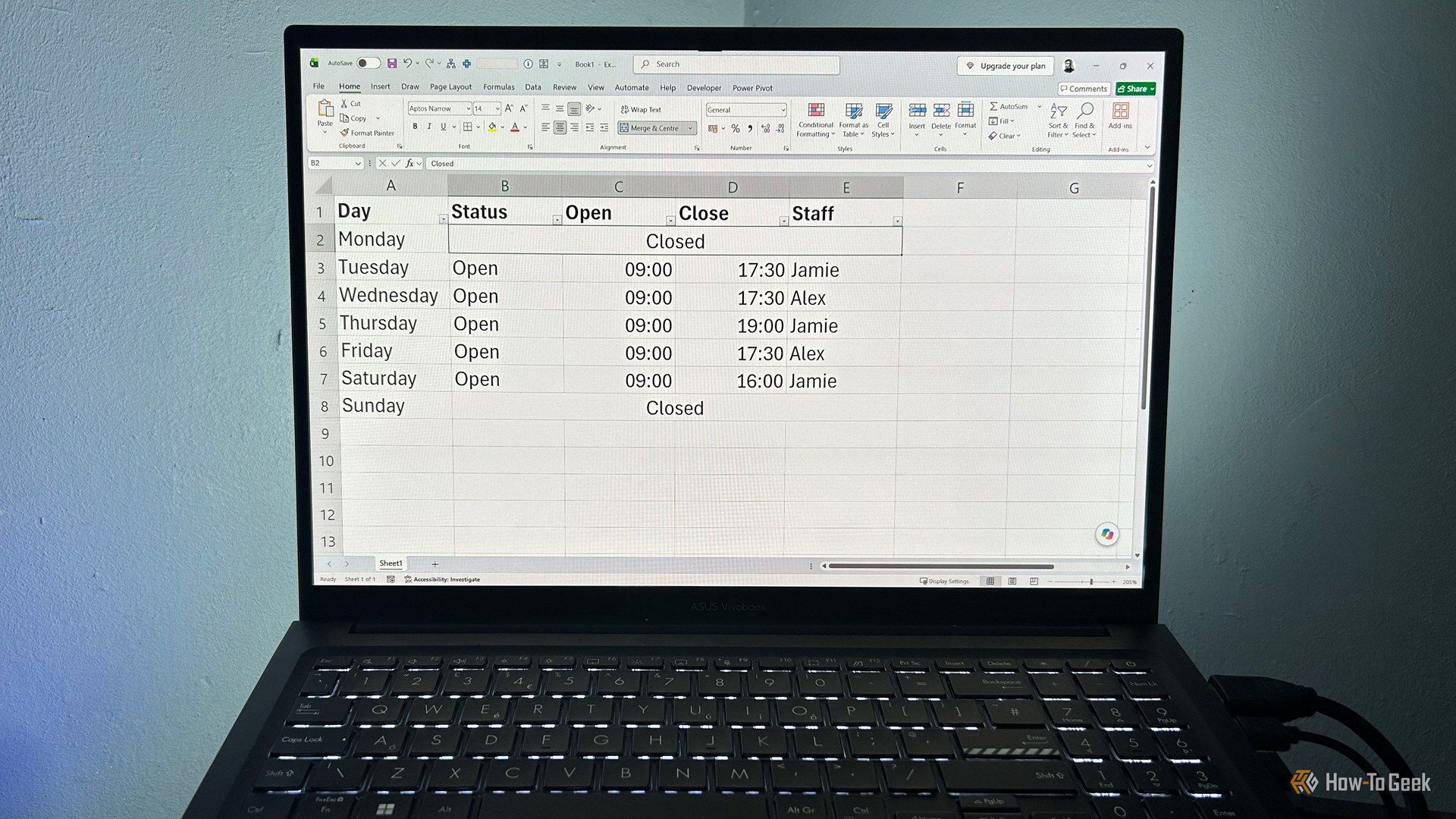
Ditch Merge & Center: The Better Way to Align Text in Excel
Learn to use Excel's "Center Across Selection" to align text across cells without merging, avoiding common data manipulation issues. This guide provides steps to utilize this newly accessible feature and add it to your Quick Access Toolbar.

AI's Confidence vs. Formal Methods' Rigor: Design Flaws & Verification
While AI accelerates code generation, formal methods remain critical for ensuring system correctness. Languages like TLA+ and tools like Quint enable developers to model and verify system designs before coding, catching subtle flaws. Quint makes formal methods more accessible with developer-friendly syntax and executability. This approach is vital for verifying AI-generated code through trace validation and model-based testing, ensuring reliability against real-world data.
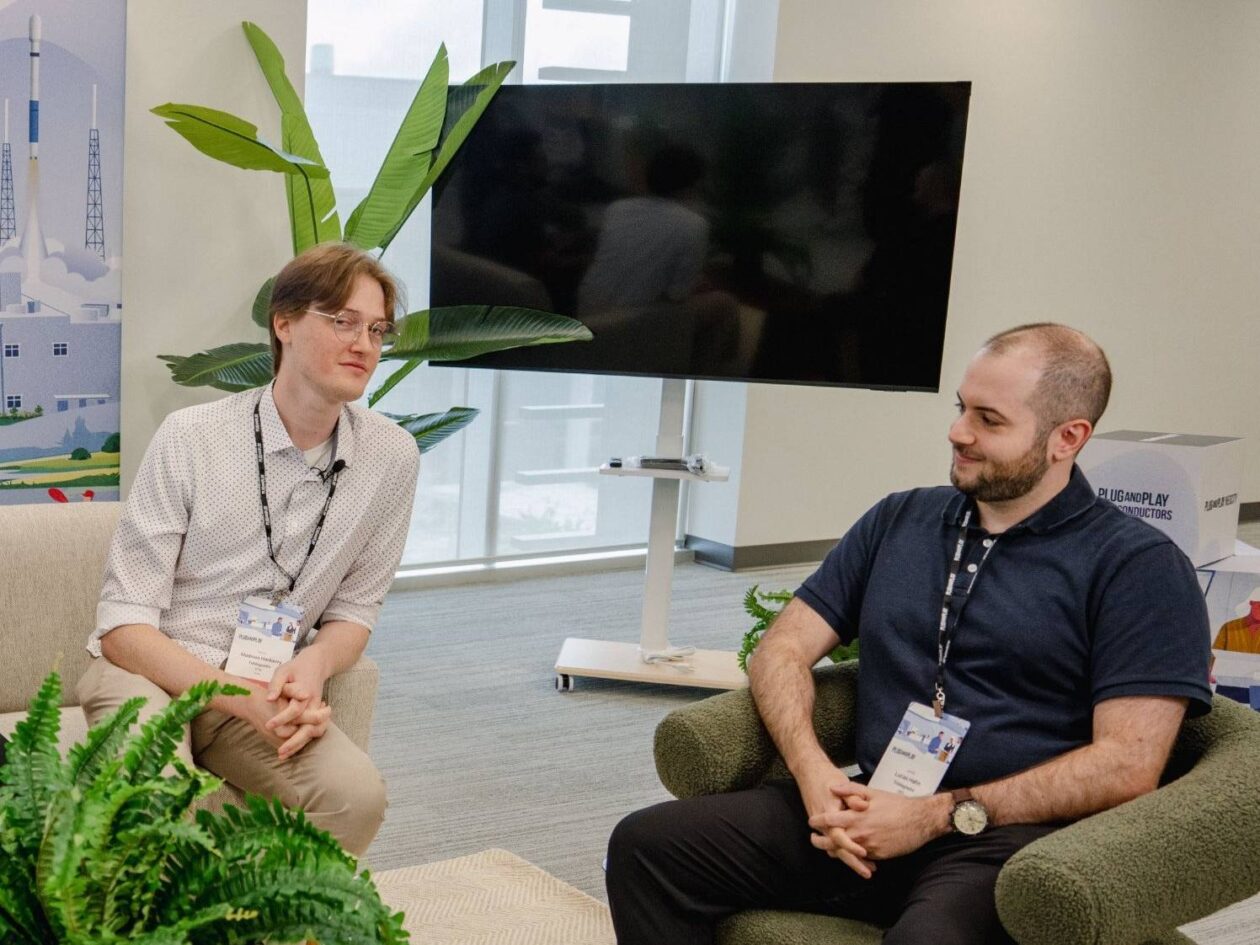
regional: A two-person Seattle startup lands $1M to reinvent
Seattle startup TriMagnetix has secured $1 million to develop semiconductor chips that consume 800 times less energy and are radiation-resistant. The two-person company, leveraging nanomagnetic technology, is targeting space applications and data centers. With new funding and key partnerships, TriMagnetix aims for commercial sales within a year.

Ephemeral PR Preview Environments on GKE: A Deep Dive
Every development team eventually grapples with the limitations of shared staging environments. The familiar scenario: multiple features deployed simultaneously, database migrations clashing, and the phrase "it works on

Windows October Update: A Must-Have Security Overhaul
Microsoft's October 2026 Windows update delivers a critical security overhaul, patching over 1,400 vulnerabilities including two zero-days, one already exploited. It's essential for all users, especially with several Windows 11 versions reaching end of support.
Nvidia's RTX 5090 Reportedly Scrapped: Is AI Eating Our Flagship GPUs
Nvidia has reportedly halted production of the GeForce RTX 5090, with leaked factory notices suggesting its core chip will be repurposed for AI and data center cards. This move positions the RTX 5080 24GB as the new flagship gaming GPU in the 50-series. The decision is linked to an industry-wide memory shortage, heavily influenced by surging AI demand, impacting consumer tech across the board.