
Research Roundup: A Glimpse into Tomorrow's Tech and Science
This comprehensive review dives into six fascinating scientific breakthroughs, from revived battery tech and smart wearable sensors to AI deciphering ancient games and lab-grown brain cells playing Doom. We explore the innovation, potential impact, and current limitations of these cutting-edge developments, offering a peek into the future of science.

Quick Verdict: A Riveting Collection of Scientific Frontiers
This month's "Research Roundup" from Ars Technica delivers a captivating cross-section of scientific inquiry, presenting six disparate yet equally fascinating stories. From a revived battery concept to lab-grown brain cells mastering video games, this collection offers an honest and detailed look at innovations poised to reshape our understanding of the world. While many are early-stage research, their implications for renewable energy, health, astronomy, and AI make this a must-read for anyone with an eye on the future of technology and discovery.
https://www.youtube.com/embed/yRV8fSw6HaE?start=0&wmode=transparent
Introduction: Unearthing Hidden Gems in the Scientific Landscape
Scientific discovery constantly yields intriguing developments that often go unnoticed. This roundup highlights six "almost missed" stories, offering raw glimpses into the cutting edge of science. These aren't consumer products, but foundational works paving the way for future advancements across various fields. Let's explore each breakthrough.
Edison's Battery Revival: A Sustainable Power Solution?
Details: Revisiting Thomas Edison’s nickel-iron battery concept, scientists have created a new version inspired by natural protein scaffolding. Using beef byproduct proteins and graphene oxide, they formed an aerogel-like structure embedding nickel and iron clusters under 5 nanometers.
Performance & Potential: This prototype recharges in mere seconds and endures over 12,000 cycles (around 30 years). However, its storage capacity is currently lower than lithium-ion batteries.
Pros: Exceptionally fast recharging; very long lifespan. Cons: Lower energy storage capacity compared to current EV batteries. Recommendation: Ideal for grid-scale renewable energy storage, such as buffering solar farm output, offering a durable and sustainable solution, rather than direct EV applications.
The Vanishing Star: A New Class of Black Hole Formation
Details: A massive star in the Andromeda galaxy brightened in 2014, then mysteriously dimmed and "vanished" by 2016, detectable only in mid-infrared. This challenges the usual supernova collapse. Astronomers propose a "direct collapse" where the core’s shockwave isn't strong enough to expel material, leading to a "silent" black hole.
Scientific Impact: This confirms a long-hypothesized theory from the 1970s, indicating a new class of celestial objects. The unique convective processes explain the faint mid-infrared glow, providing a new signature for detecting these elusive black holes.
Pros: Confirms a novel black hole formation mechanism; aids in detecting previously hidden objects. Cons: These objects are harder to spot due to the lack of a supernova and a faint afterglow. Recommendation: A critical astronomical discovery expanding our understanding of stellar evolution and guiding future telescopic searches for these unique black holes.
Smart Undies: Revolutionizing Gut Health Diagnostics
Details: Physicians lack reliable data on daily gas production, hindering diagnoses for conditions causing excessive flatulence. University of Maryland researchers developed "smart underwear" with snap-on electrochemical sensors to continuously track farts, even during sleep.
User Experience & Data: This device found healthy adults pass gas 32 times daily, much higher than prior self-reports (14 times). The "Human Flatus Atlas" invites volunteers to correlate these patterns with diet and microbiome, aiming to establish a healthy baseline.
Pros: Provides objective, continuous data; more reliable than previous methods; crucial for establishing diagnostic baselines in gut health. Cons: Still in research; requires volunteer participation; continuous wear might be a user consideration. Recommendation: A groundbreaking diagnostic tool for gastroenterology, poised to transform the understanding and treatment of gut health issues through quantitative data.
The Kuiper Belt's Snowmen: Unpacking Planetesimal Formation
Details: Beyond Neptune, about 10% of Kuiper Belt planetesimals are "contact binaries"—two connected spheres. Previous theories struggled to explain their prevalence. Michigan State University researchers used new computational simulations to model their formation.
Mechanism & Significance: Their simulations, which retained objects' strength (unlike fluid models), showed that orbiting planetesimals spiral inward due to gravity and fuse. The Kuiper Belt's sparse environment then protects these formations from breaking apart.
Pros: Offers a robust, common explanation for the numerous contact binaries; refines our understanding of early solar system formation. Cons: A theoretical model based on simulations, awaiting further observational confirmation. Recommendation: An elegant solution to an astronomical puzzle, significantly improving models of planetary formation and the dynamics of the early solar system.
AI Deciphers Ancient Roman Board Game Rules
Details: Archaeologists often find ancient board games without knowing their rules. Researchers now use AI to potentially decipher a previously unknown Roman game. A flat stone in the Roman Museum, Heerlen, with a distinctive geometric pattern and wear, hinted at a game board.
Methodology & Findings: Using AI agents, Walter Crist and his team simulated thousands of "games" with varied rules from known ancient games. This identified nine potential "blocking games," where players aim to impede opponents. They named this discovery "Ludos Coriovalli."
Pros: Demonstrates AI's power in archaeological interpretation; potentially uncovers new cultural insights. Cons: Rules remain hypothetical; definitive confirmation is difficult without additional identical finds. Recommendation: A fascinating AI application bridging technology and archaeology, offering a glimpse into ancient pastimes and showcasing AI's potential as a historical detective.
Brain Cells in a Dish Play Doom: Advancing Biocomputing
Details: Building on teaching "DishBrain" (lab-grown brain cells) to play Pong in 2022, Cortical Labs has now enabled these neural networks to play Freedoom (an open-source Doom version). This involved neurons on an electrode dish and a new Python interface for faster programming.
Performance & Implications: DishBrain played Doom within a week, a major improvement over the years needed for Pong, and learned faster than conventional silicon-based machine learning. While not human-level, it highlights biological neurons' unique information processing capabilities as a "material that can process information in very special ways."
Pros: Demonstrates rapid learning in biological neural networks; offers a new paradigm for biocomputing; significantly improved development speed. Cons: Still rudimentary compared to human intelligence; early-stage research; ethical considerations. Recommendation: A monumental step in understanding and harnessing biological computation, potentially leading to new forms of AI and information processing.
Overall Impression: A Testament to Scientific Ingenuity
This collection highlights the incredible breadth of modern scientific inquiry. From repurposing historical inventions for future energy to using living cells for digital challenges, each story offers a unique perspective on innovation. While not all concepts are consumer-ready, they collectively depict a future where scientific understanding continually pushes boundaries, impacting everything from the cosmos to our health.
FAQ
Q: Who is this research roundup for?
A: This roundup is ideal for anyone keenly interested in cutting-edge scientific discovery, emerging technologies, and the future potential across fields like energy, health, astronomy, archaeology, and AI. It's for those who appreciate seeing the foundational work behind tomorrow's innovations.
Q: Are these technologies and discoveries available to consumers or for practical application now?
A: Most breakthroughs here are in early research. Edison's battery is a prototype, smart underwear is part of a research program, and DishBrain is a lab experiment. While impactful, direct consumer availability or widespread practical application is generally years away.
Q: Which of these discoveries has the most immediate or widespread potential impact?
A: While all are significant, Edison's nickel-iron battery for renewable energy storage and the smart underwear for gut health diagnostics appear to have the most direct and widespread potential to address major global challenges – clean energy and public health – in the near to mid-term, given further development.
Related articles

Ars Technica's Rocket Report: Your Essential Space Industry Briefing
Quick Verdict Ars Technica's Rocket Report, presented by veteran space reporter Stephen Clark, offers an invaluable and meticulously organized weekly (or similar frequency, implied by "Edition 9.15") digest of the most
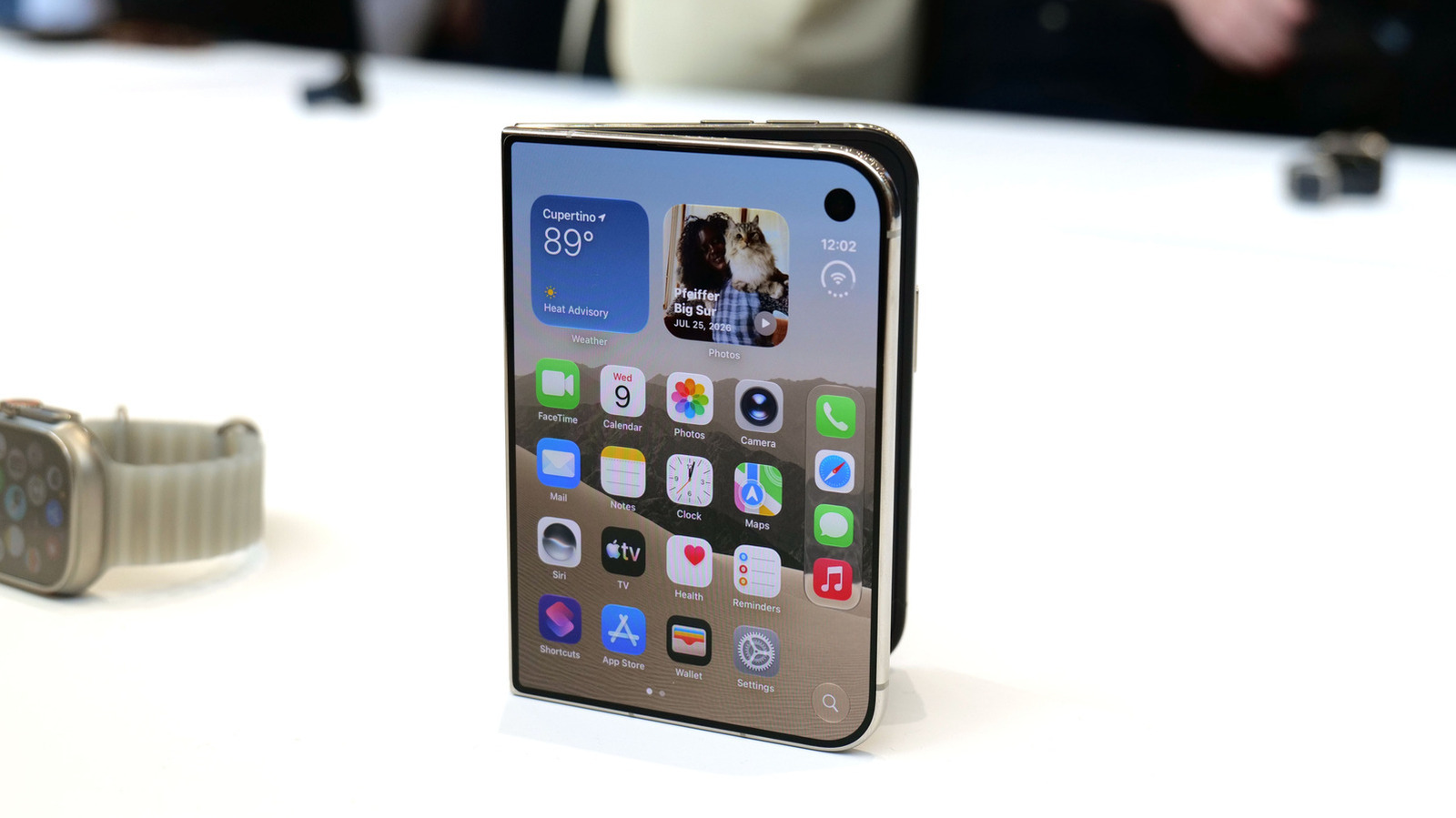
Apple iPhone Duo: A Daring Debut with Notable Compromises
Apple's highly anticipated iPhone Duo, priced at $2,000, has gone on pre-order. While hailed as "Apple's most exciting device in a decade" for its innovative foldable design and immersive display, it comes with significant drawbacks like the absence of FaceID and a premium camera.
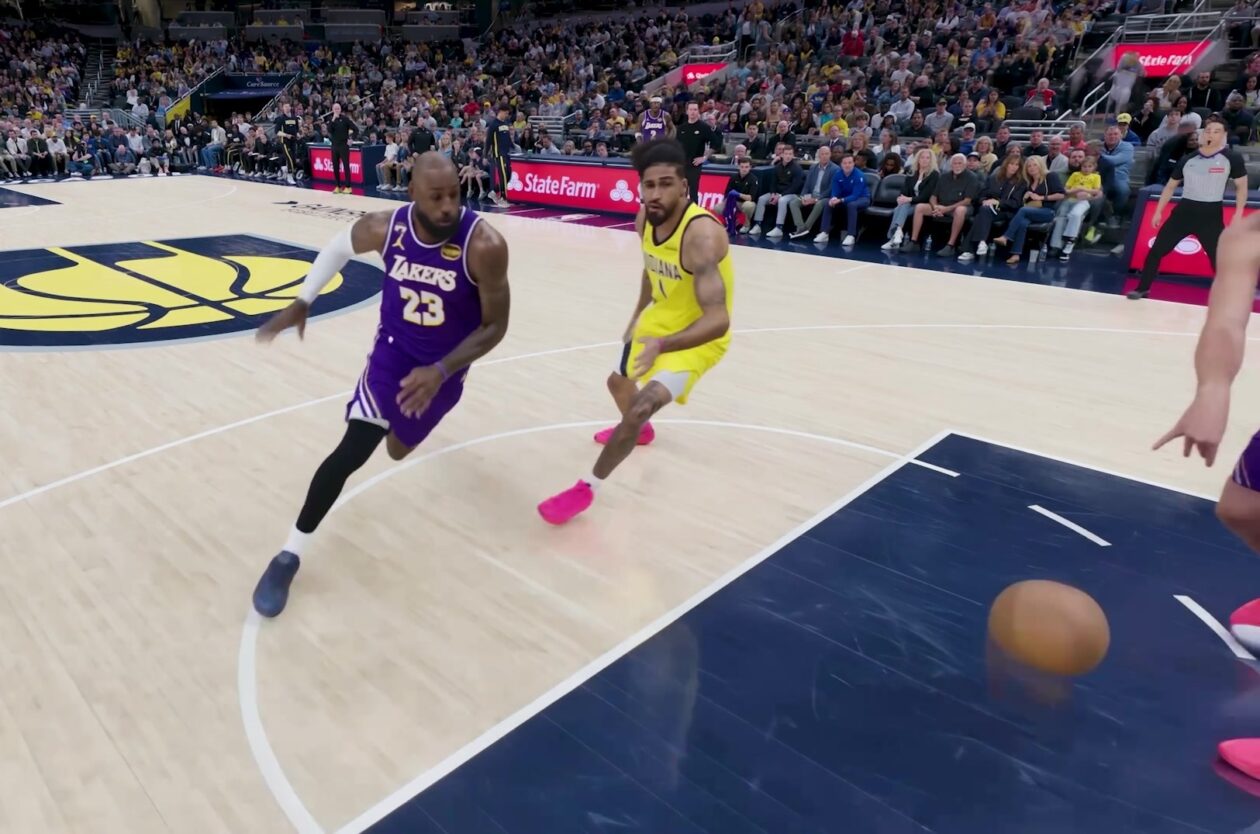
Amazon Prime Video Launches AI-Powered Prime 360 for NBA Coverage
Amazon Prime Video is elevating its NBA coverage with the introduction of Prime 360, an AI-powered replay system offering immersive, 'fly through' views of the action. Kicking off its second season, Prime Video also adds Yahoo fantasy integration and gains exclusive Eastern Conference Finals rights, expanding its tech-driven sports broadcast. The new features aim to deliver a unique and interactive viewing experience for basketball fans.
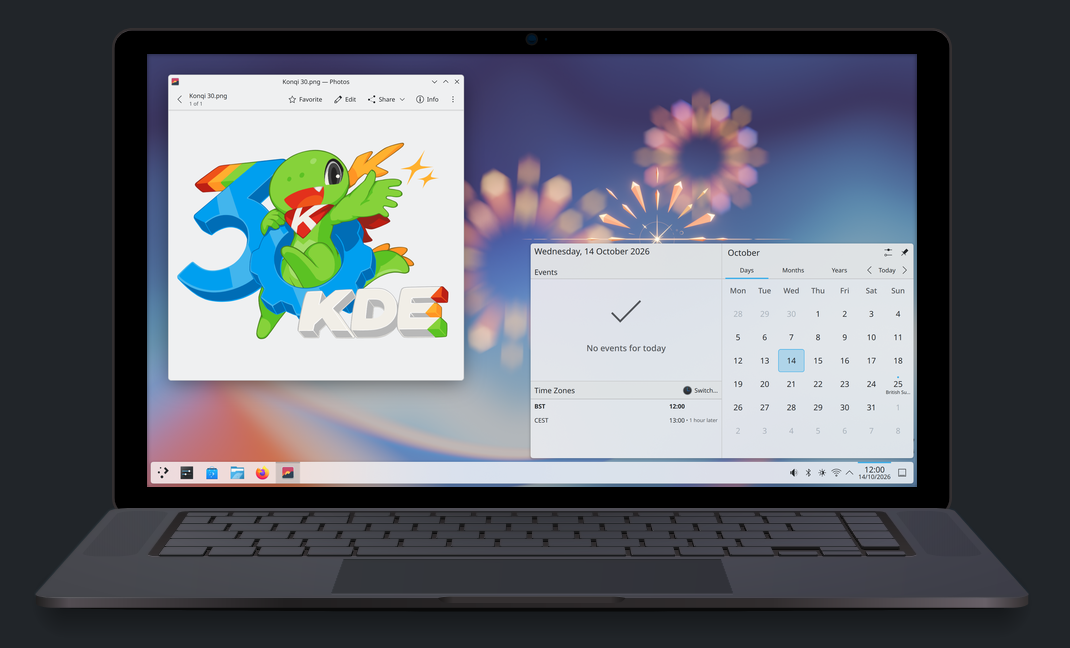
KDE Plasma 6.8: A Future-Focused 30th Anniversary Update
Quick Verdict KDE Plasma 6.8, arriving as the "30th Anniversary Edition," is a pivotal release that decisively pushes the desktop environment into the future. With a definitive farewell to native X11 sessions and a
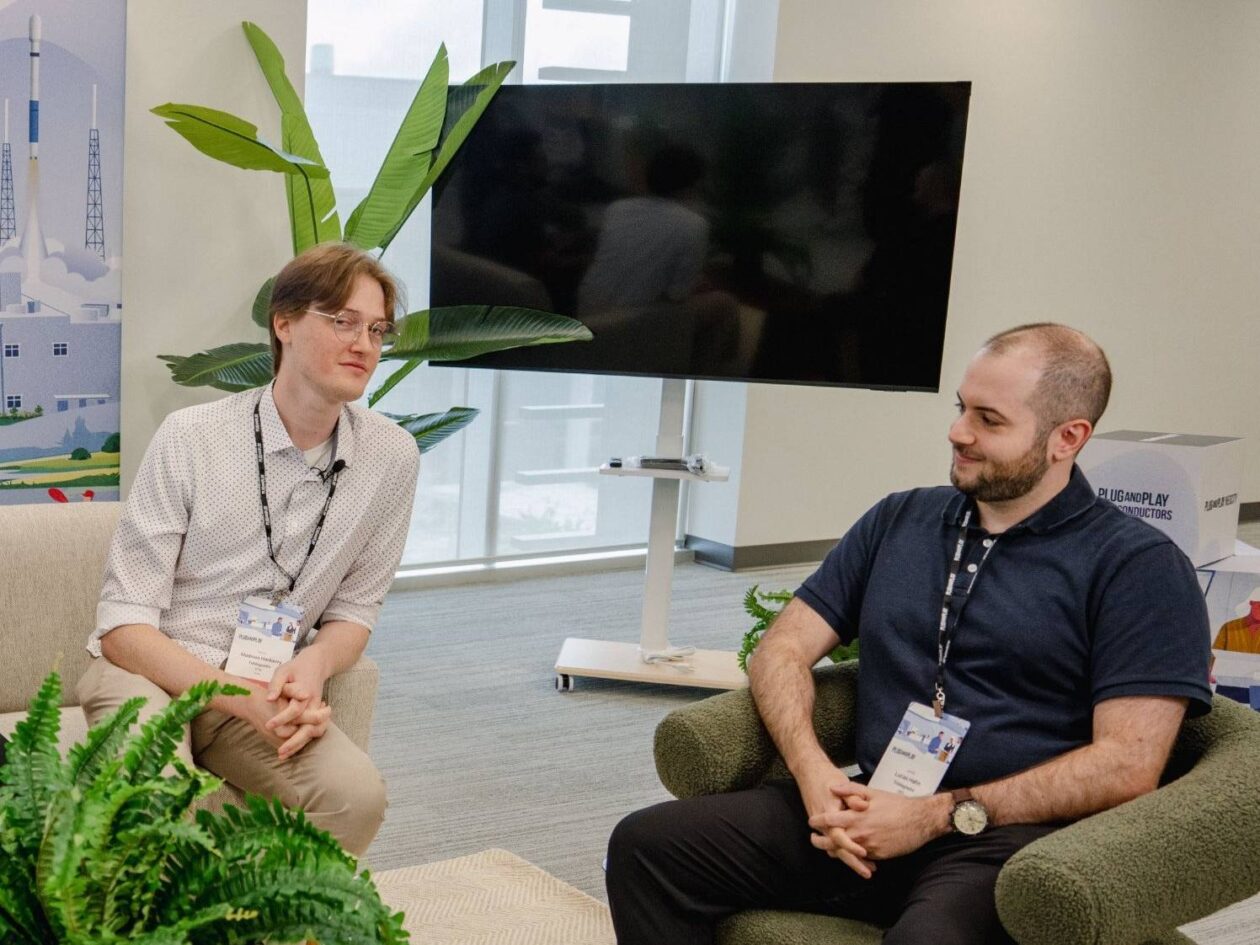
regional: A two-person Seattle startup lands $1M to reinvent
Seattle startup TriMagnetix has secured $1 million to develop semiconductor chips that consume 800 times less energy and are radiation-resistant. The two-person company, leveraging nanomagnetic technology, is targeting space applications and data centers. With new funding and key partnerships, TriMagnetix aims for commercial sales within a year.
Galaxy Watch One UI 9 Beta: Promising Progress, But Patience Needed
Galaxy Watch 8, Watch Ultra, and Watch 7 are receiving a new One UI 9 Watch beta build with bug fixes and a security patch. Active development signals progress, but a stable release date remains elusive.