
regional: NASA completes a smooth rehearsal for historic Artemis 2
NASA successfully completed a comprehensive wet dress rehearsal for its Artemis 2 moon mission, bringing the countdown to T-minus 29 seconds. This critical test, involving the Space Launch System rocket and Orion capsule, is a major step towards the first crewed lunar mission in over 50 years. Mission managers will now review the data to approve the final go-ahead, with March 6 targeted for liftoff.

NASA completes a smooth rehearsal for historic Artemis 2 moon launch
Key takeaways
- NASA successfully completed a full wet dress rehearsal for the Artemis 2 moon mission, bringing the countdown to T-minus 29 seconds.
- This critical two-day test at Kennedy Space Center involved fully fueling the 322-foot Space Launch System (SLS) rocket and Orion crew capsule.
- The rehearsal is a significant step towards the first crewed lunar mission in over five decades, preparing for a 10-day trip around the moon.
- Despite earlier challenges and minor issues during the current run-through, NASA officials reported an overall positive assessment, noting minimal hydrogen leakage.
- Mission managers will now review the data to give the final go-ahead, with a target liftoff date of March 6.
What happened
NASA successfully conducted a comprehensive wet dress rehearsal at Launch Complex 39B, Kennedy Space Center in Florida, for its upcoming Artemis 2 moon mission. This crucial two-day simulation involved filling the propellant tanks of the 322-foot Space Launch System (SLS) rocket and its Orion crew capsule, culminating in a countdown that reached T-minus 29 seconds.
The rehearsal served as a vital checkout for the SLS rocket, Orion spacecraft, and associated ground support systems. This was the second attempt, following an initial rehearsal on February 2 that was halted at approximately T-minus 5 minutes due to a liquid hydrogen leak. Engineers subsequently made necessary repairs at the launch pad, including replacing hydrogen seals, to prepare for this replay.
During the recent rehearsal, the launch team encountered some communication problems at the pad and a "booster avionics system voltage anomaly" in the final minutes of the countdown. The count was initially paused at T-minus 33 seconds and recycled to T-minus 10 minutes. After about an hour spent reconfiguring the rocket's fueling system, NASA's team executed an even smoother second countdown, achieving the target stopping point of T-minus 29 seconds.
Charlie Blackwell-Thompson, Artemis 2’s launch director, confirmed that the maximum hydrogen leak rate during fueling was 1.6%, well below NASA's 16% limit, indicating "really no leakage to speak of." John Honeycutt, chair of Artemis 2’s Mission Management Team, echoed this positive sentiment, stating, "Overall it was a good day for us." Although the crew was in Florida for the rehearsal, Commander Reid Wiseman monitored the proceedings from NASA’s Launch Control Center.
Why it matters
The successful wet dress rehearsal for Artemis 2 marks a pivotal milestone for NASA's lunar exploration ambitions. This mission represents the first crewed journey around the moon since the Apollo era, more than half a century ago. It is designed to send astronauts on a figure-8 route, taking them as far as 4,600 miles beyond the far side of the moon — a greater distance than any human has traveled before.
Beyond its inherent historical significance, Artemis 2's primary objective is to prepare the groundwork for Artemis 3. Artemis 3 aims to achieve the monumental feat of landing humans on the lunar surface, a mission not undertaken since Apollo 17 in 1972. The successful completion of this rigorous rehearsal demonstrates NASA's readiness to proceed with crewed missions, validating the systems and procedures essential for returning humanity to the moon.
Key details / context
The Artemis 2 mission is planned as a 10-day trip around the moon and back. The crew consists of NASA astronauts Reid Wiseman (commander), Christina Koch, and Victor Glover, along with Canadian astronaut Jeremy Hansen. Following this week's rehearsal, the four crew members are scheduled to begin their quarantine in Texas.
The Space Launch System (SLS) rocket, which stands 322 feet tall, made its inaugural flight with the uncrewed Artemis 1 mission in 2022. The Orion crew capsule, an integral part of the mission, relies on thrusters built by L3Harris (formerly Aerojet Rocketdyne) at its Redmond, Washington, facility. Furthermore, Seattle-area aerospace companies play a role in the broader Artemis program. Jeff Bezos' Blue Origin, based in Kent, is developing its Blue Moon lander, intended to carry Artemis crews to the lunar surface starting in 2030. Blue Origin's New Glenn rocket is also anticipated to send an uncrewed cargo version of its lander to the moon within the next few months.
Lori Glaze, acting associate administrator for NASA’s Exploration Systems Development Mission Directorate, conveyed the agency's excitement, noting, "Every night I look at the moon, and I see it, and I get real excited because I can really feel she’s calling us. And we’re ready."
What happens next
With the wet dress rehearsal successfully concluded, NASA mission managers will now thoroughly review the extensive data collected during the two-day process. This evaluation will determine whether to grant final approval for the Artemis 2 crew's historic journey.
While the space agency is targeting March 6 for liftoff, this date remains contingent on the comprehensive review of the rehearsal results. The ultimate goal of Artemis 2 is to pave the way for Artemis 3, which is officially scheduled for no earlier than mid-2027, though industry experts anticipate potential schedule adjustments for the lunar landing mission.
FAQ
Q: What was the main purpose of the Artemis 2 wet dress rehearsal? A: The rehearsal tested the Space Launch System rocket, Orion crew capsule, and ground support systems by fully fueling the rocket and conducting a simulated countdown.
Q: Who are the astronauts assigned to the Artemis 2 mission? A: The crew includes NASA astronauts Reid Wiseman, Christina Koch, Victor Glover, and Canadian astronaut Jeremy Hansen.
Q: How far will the Artemis 2 mission travel beyond the moon? A: Artemis 2 is designed to take its crew as far as 4,600 miles beyond the far side of the moon, exceeding any previous human deep-space journey.
Related articles
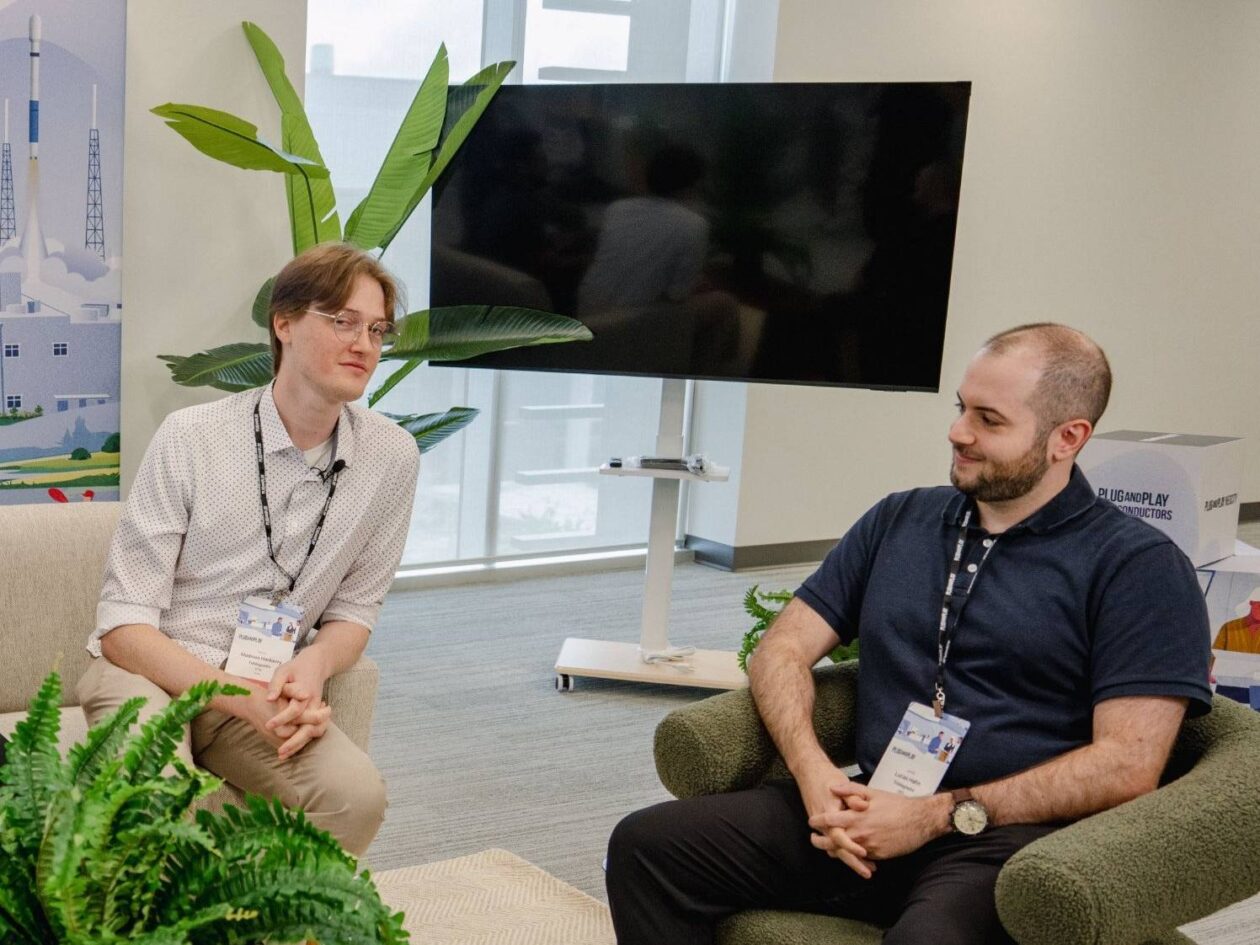
regional: A two-person Seattle startup lands $1M to reinvent
Seattle startup TriMagnetix has secured $1 million to develop semiconductor chips that consume 800 times less energy and are radiation-resistant. The two-person company, leveraging nanomagnetic technology, is targeting space applications and data centers. With new funding and key partnerships, TriMagnetix aims for commercial sales within a year.
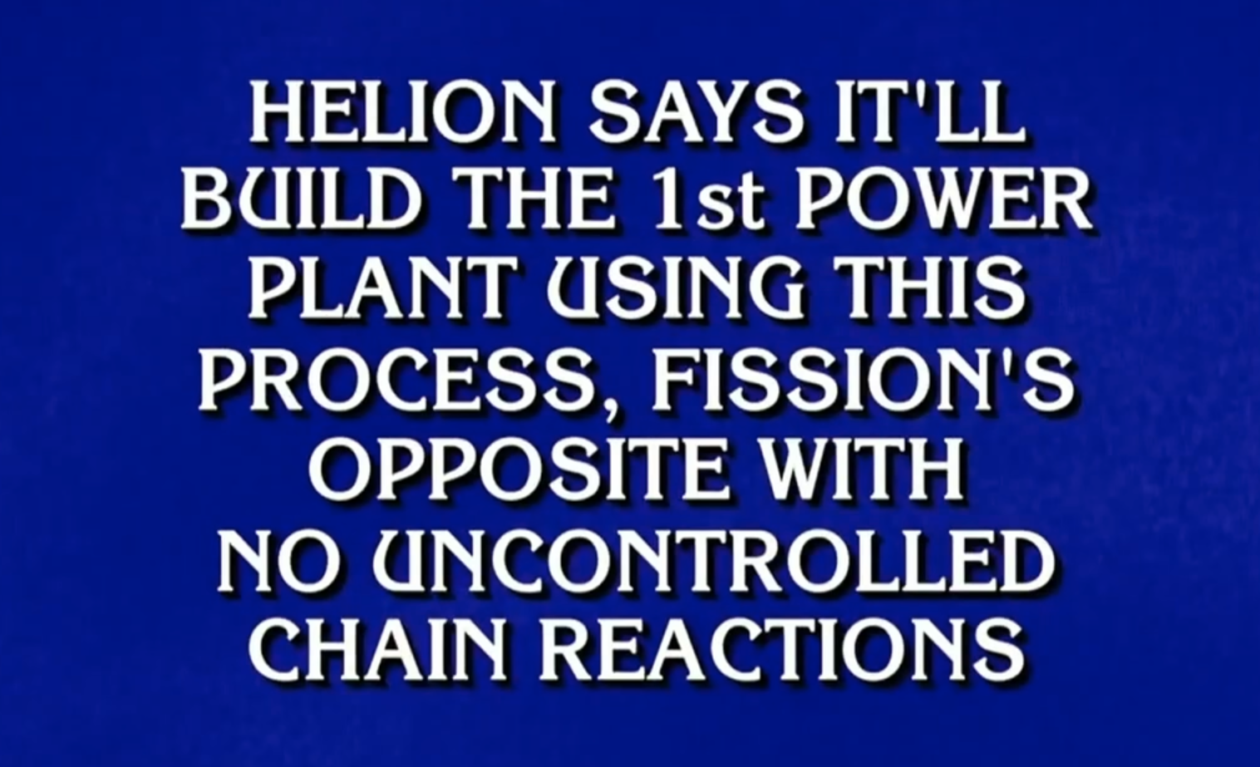
regional: ‘What is fusion?’ Helion Energy harnesses the power of
Helion Energy, the Everett-based fusion startup, gained mainstream attention this week after being featured as a clue on the popular game show "Jeopardy!". The $800 clue, part of a "Y Combinator" category, highlighted Helion's mission to build the first fusion power plant, bringing the concept of clean energy to a wider audience. CEO David Kirtley celebrated the "surreal" moment as a sign that reliable clean power is becoming more accessible.
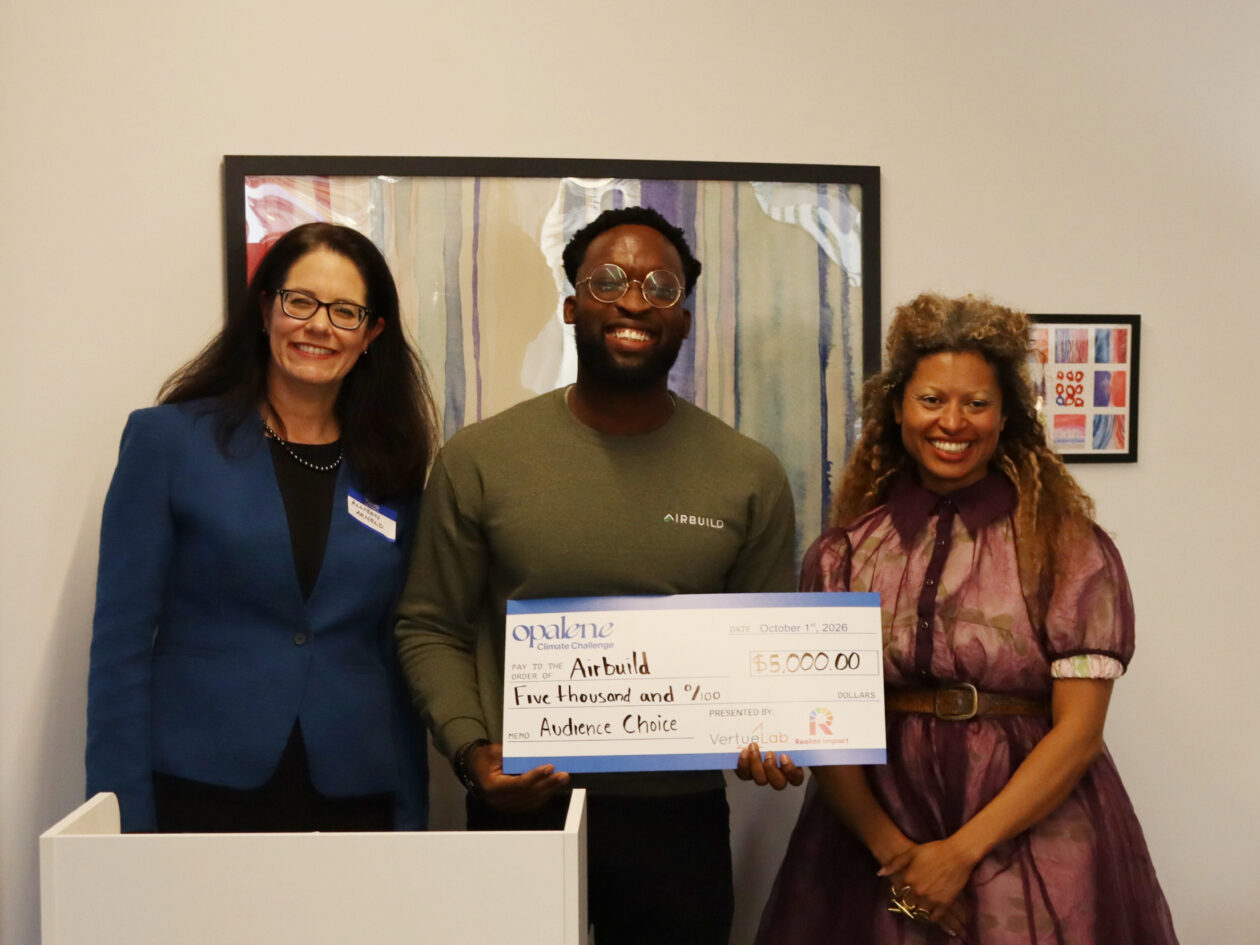
regional: Washington climate tech founders score funding as AI boom
Washington's climate tech sector secured vital funding for six startups through the Opalene Climate Challenge, a VertueLab initiative. This capital injection addresses a critical gap as the AI boom diverts investor cash, making it harder for sustainability innovations to scale.
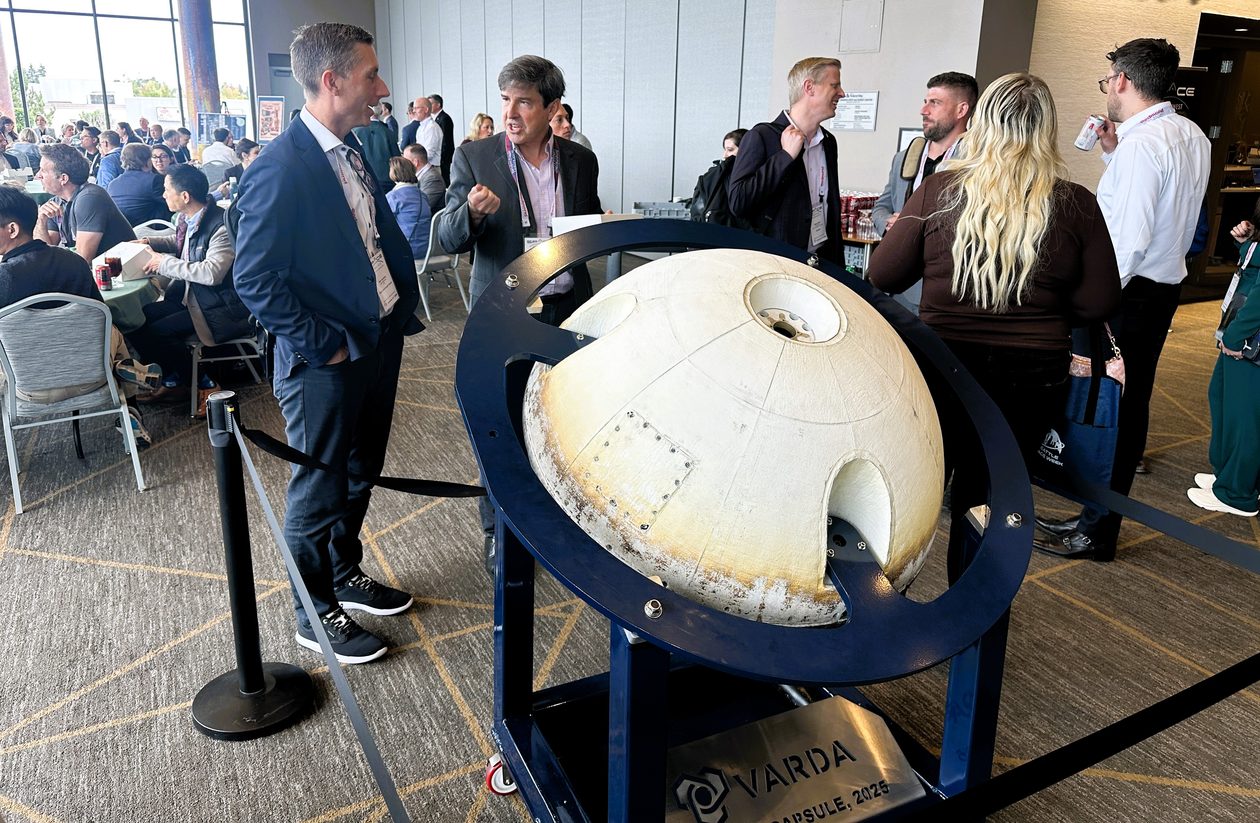
regional: Seattle Space Week shines a light on eight problems and
Seattle Space Week highlighted significant growth in Washington's space industry, alongside critical challenges like a launch crisis and workforce shortages. Leaders discussed four problems and four prospects, including securing local funding, competing with rival states, and the potential for new launchers and even a homegrown launchpad. State initiatives, like Governor Ferguson's Space Council, aim to foster public-private partnerships and retain key businesses.

regional: Startup Spotlight: Porchlight uses AI to help foster human
Porchlight, a new AI-powered tool by Patrick Donahue, aims to bridge the gap between senior care residents and staff by capturing life stories. It generates 'Know Your Resident' briefings for caregivers and private audio feeds for families, fostering deeper human connection in assisted living and memory care communities. The platform uses AI to transcribe and summarize memories, ensuring personal histories are preserved and shared.

in-depth: Scientists Detect Radio Signals from an Exoplanet for the
Scientists have achieved a historic first, unequivocally detecting radio emissions from an exoplanet, Beta Pictoris b, 63 light-years away. This groundbreaking discovery, made by researchers using the MeerKAT radio telescope, is attributed to natural magnetic activity, not alien life. It paves the way for deeper insights into the magnetospheres and formation of distant worlds.