
regional: Etzioni on AI: Who disagrees with you about AI? Here’s what
Oren Etzioni's latest analysis reveals stark divisions in AI perception across countries, genders, ages, professions, and political affiliations. Trust in AI is highest in growing economies and among developers, while caution or fear dominates in mature economies and among those threatened by job displacement.

Artificial Intelligence elicits widely divergent reactions across the globe and among various demographic groups, a new analysis by prominent AI expert Oren Etzioni reveals. Published on GeekWire, Etzioni's research underscores how trust and optimism surrounding AI are deeply segmented by nationality, gender, age, professional background, and political alignment. This comprehensive look into public sentiment, released July 12, 2026, suggests that perceptions of AI are fundamentally shaped by an individual's potential for gain versus their fears of loss or disruption.
Global and Local Divides in AI Trust
The most striking disparity emerges when examining geographic differences. Data indicates a profound trust chasm between China and the United States; nearly nine out of ten Chinese citizens express trust in AI, while barely a third of Americans share that sentiment, according to Edelman and the Stanford AI Index. Similarly, most Chinese perceive AI's benefits outweighing its drawbacks, contrasting sharply with widespread American doubts. Etzioni posits that rapidly growing economies often view AI as a pathway to advancement, whereas mature economies may see it as a threat to existing jobs and societal structures. Trust, therefore, correlates strongly with confidence in institutions and expectations of personal economic upside, both of which are higher in many Asian nations.
Demographic Splits: Gender and Age
Within the U.S., significant divides also appear along gender lines. Pew research shows men are about twice as likely as women to anticipate AI benefiting society, a gap that widens further among AI researchers themselves. Despite women having caught up to men in chatbot usage over the last two years, their trust levels remain lower, and they are more inclined to believe AI is progressing too rapidly.
Generational differences further complicate the picture. While adults under 50 utilize tools like ChatGPT at double the rate of older generations, it is the under-30 demographic that expresses the most conviction that AI will harm society. This unease among younger users stems from their unique vulnerability; Gen Z, in particular, worries about AI’s potential to disrupt entry-level job markets, making them both the heaviest users and the most apprehensive about its societal consequences.
Professional and Political Perspectives
A stark contrast in perception exists between those who develop AI and the general populace. A Pew survey indicates that most AI researchers anticipate the technology positively impacting the country over the next two decades, a view shared by fewer than one in five among the broader public. This divergence can be partly attributed to experts' deeper understanding of AI's capabilities and limitations, which may alleviate fears of exaggerated or "lurid" scenarios. However, it also highlights an inherent conflict of interest: AI designers have their careers and financial success tied to the technology's proliferation, while many workers in sectors like transportation or entry-level positions foresee direct threats to their livelihoods. This "where you stand depends on where you sit" principle permeates attitudes across various industries.
The political dimension of AI trust has undergone a rapid transformation in recent years. Historically, Republicans were more skeptical of AI, but this dynamic has shifted, with Democrats now exhibiting greater skepticism. Currently, just over half of Republicans trust Washington to regulate AI, whereas barely a third of Democrats express similar confidence, according to Pew. Furthermore, AI companies are now more favorably viewed by the right than the left, as per the Harris Poll. While Democrats cool on once-favored tech giants, Republicans embrace a technology their party increasingly champions. Despite these partisan shifts, both sides largely agree that regulation risks being insufficient rather than excessive; their primary disagreement lies in whom they trust to implement effective oversight.
Implications of Diverse Perceptions
Etzioni's findings paint a picture of a technology being advanced primarily by its most ardent supporters, often without full consensus or widespread public enthusiasm. The deep-seated optimism of those with the most to gain — from burgeoning economies to AI labs — stands in direct opposition to the anxieties of those who perceive significant threats to their jobs, privacy, or societal stability. This fundamental disconnect between AI's creators and a cautious public suggests a challenging road ahead for integrating artificial intelligence into all facets of society, necessitating careful consideration of these varied perspectives for responsible development and deployment.
FAQ
Q: What is the most significant geographic difference in AI trust?
A: According to the research cited by Etzioni, nearly nine out of ten people in China trust AI, whereas barely a third of Americans do. This stark contrast is attributed to differing economic contexts and perceptions of personal gain.
Q: How do gender and age influence views on AI in the U.S.?
A: In the U.S., men are twice as likely as women to see AI as beneficial for society, despite equal chatbot usage. Younger adults (under 50) use AI tools more, but those under 30 are most concerned about AI's negative societal impact, particularly regarding job displacement.
Q: What explains the differing views on AI between experts and the general public?
A: AI researchers, who are deeply involved in its development, tend to be more optimistic about AI's benefits for the country. This contrasts sharply with the general public, where fewer than one in five share this optimism. Experts' deeper understanding of AI's capabilities and limitations likely reduces fears of "lurid scenarios," while the public, especially those in vulnerable job sectors, perceives AI more as a threat.
Related articles

Apple Unveils iPhone Duo: Pricey Foldable Sees Soaring Demand
Apple has officially entered the foldable smartphone arena with the long-anticipated launch of the iPhone Duo. Priced starting at a hefty $1,999, the device features a 5.4-inch outer display and a larger 7.6-inch inner
Android 17 QPR2 Beta 7.1: The Performance Relief You've Been Waiting
Android 17 QPR2 Beta 7.1: Finally Fixing the QPR1 Performance Woes Verdict: Android 17 QPR2 Beta 7.1 is a crucial and highly anticipated software update for Google Pixel users, specifically targeting and resolving the

in-depth: Chicago-Area Cops Helped HSI Spy on Minnesota Anti-ICE
Chicago-area law enforcement, including local police and HSI agents, conducted undercover surveillance on Minnesota anti-ICE activists at an April 2, 2022, talk in Chicago. This operation was part of a federal conspiracy probe into 15 Minnesota activists facing felony charges related to immigration enforcement resistance. Civil liberties advocates have condemned the surveillance as a troubling intrusion into protected political activity.
TCG Pocket Responds: A Much-Needed Pace Shift for Pokémon Fans
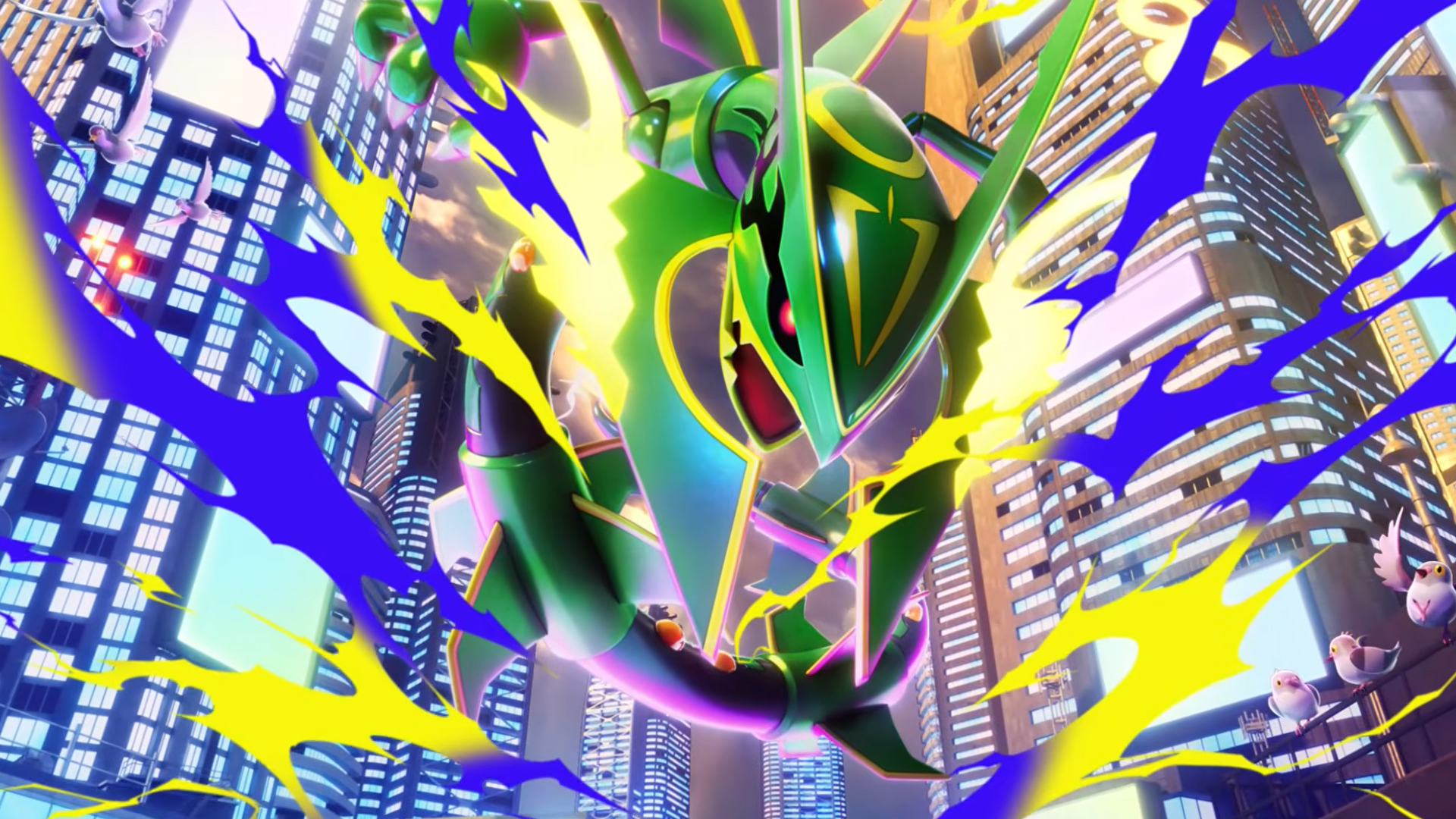
Pokémon TCG Pocket is rolling out a major update for its second anniversary, primarily addressing player concerns about overwhelming content releases by shifting to a six-week set schedule. This aims to curb player decline and improve overall engagement by giving trainers more time to collect and strategize. The update also adds new collection methods, improved deck-building features, and enhanced trading functionality.

Mark Wahlberg on using AI in film ‘the right way’ and being open to
Actor Mark Wahlberg believes AI has a place in filmmaking if used responsibly for enhancement, not script generation or actor replacement. At TechCrunch Disrupt, he expressed openness to an AI likeness carrying on his legacy, managed by his family, and emphasized storytelling.
Apple iPhone Duo: A Daring Debut with Notable Compromises
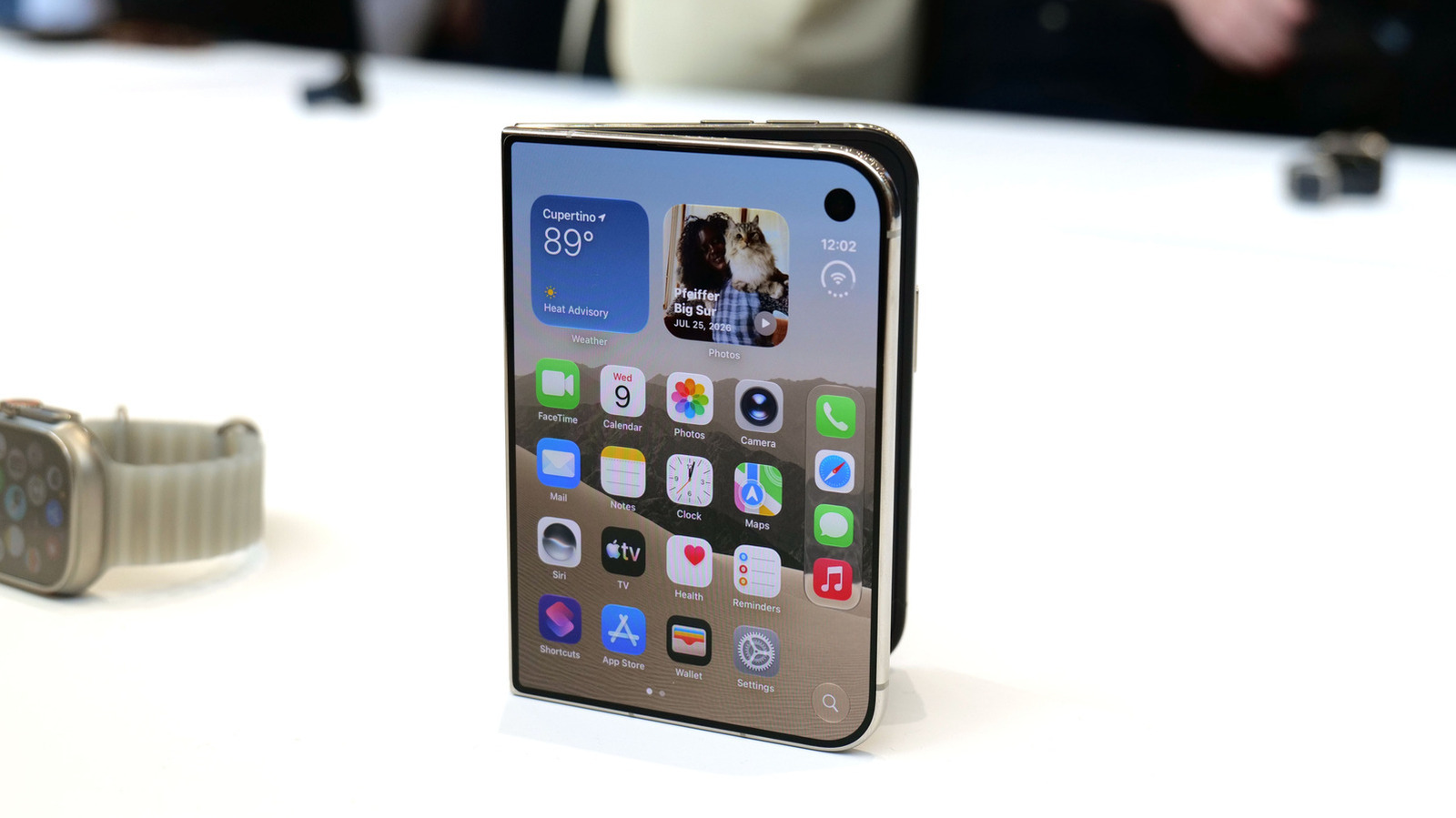
Apple's highly anticipated iPhone Duo, priced at $2,000, has gone on pre-order. While hailed as "Apple's most exciting device in a decade" for its innovative foldable design and immersive display, it comes with significant drawbacks like the absence of FaceID and a premium camera.