
Reggie Reveals Nintendo Cut Amazon Ties Over Alleged Illegal Request
Former Nintendo of America President Reggie Fils-Aimé recently dropped a bombshell: Nintendo ceased selling directly to Amazon in the late 2000s after Amazon allegedly asked them to engage in illegal practices to undercut other retailers. This revelation sheds light on the long-standing friction between the two giants.
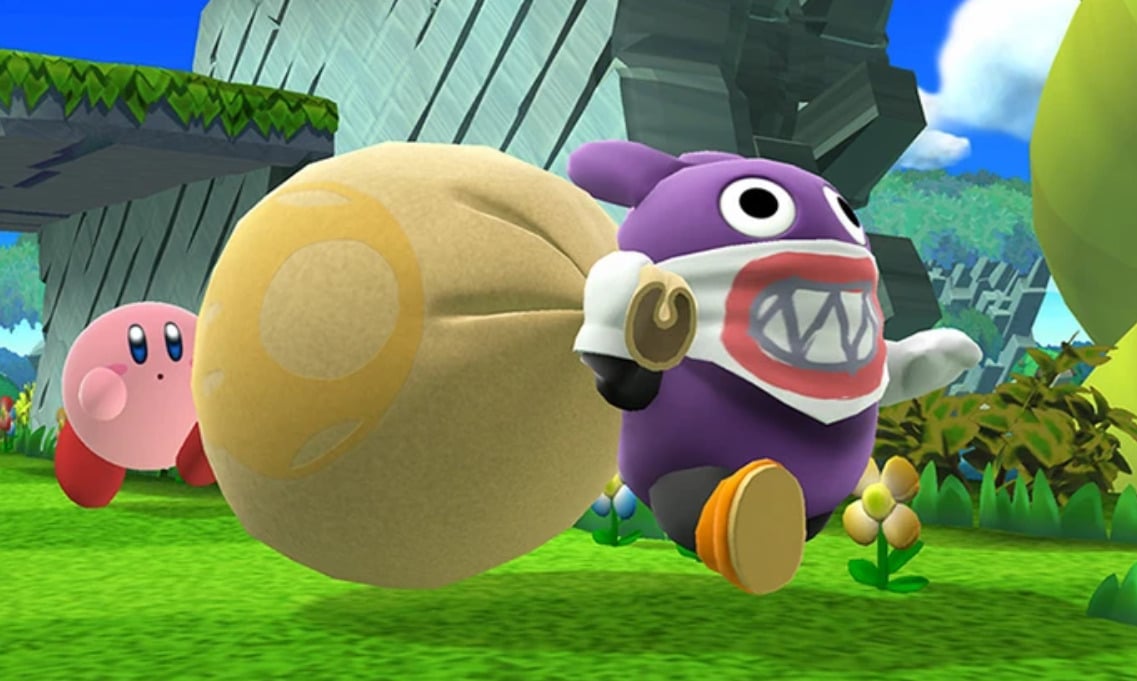
Reggie Reveals Nintendo Cut Amazon Ties Over Alleged Illegal Request!
Hold onto your power-ups, folks, because a legendary figure in gaming has just dropped a serious bombshell! Former Nintendo of America President, the one and only Reggie Fils-Aimé, recently pulled back the curtain on a long-held mystery regarding Nintendo's famously frosty relationship with Amazon. Speaking at an NYU lecture, Reggie divulged a wild tale from the late 2000s – a period when the Nintendo DS and Wii were dominating the gaming world. Turns out, the e-commerce titan wasn't always the sprawling retail behemoth we know today, and their ambition led to an alleged request that Nintendo found not just unpalatable, but outright illegal.
The DS Era: Amazon's Bold, Illegal Gambit
Rewind to a time when Amazon was rapidly expanding beyond books, aiming to become a universal storefront for, well, everything. This was prime time for Nintendo, with the DS and Wii racking up historic sales figures. Amazon, eager to dominate the burgeoning video game market, approached Nintendo with a specific demand. According to Fils-Aimé, Amazon's "mentality back then is they wanted to have the lowest price out in the marketplace, even lower than Walmart." But how did they propose achieving this seemingly innocuous goal? By demanding what Reggie described as an "obscene amount of support, financial support," from Nintendo. The implication was clear: Nintendo should subsidize Amazon's price-cutting efforts, allowing them to systematically undercut rival retailers. A move that, in Reggie's eyes, crossed a serious line.
Reggie's Unwavering Stance: "You Know That's Illegal, Right?"
Facing this audacious proposition, Reggie Fils-Aimé didn't mince words. He famously recounted telling the Amazon executive, "You know that’s illegal, right? I can’t do that." And he wasn't kidding. Offering preferential financial support to one retailer to enable them to consistently beat competitor prices can indeed run afoul of anti-trust and fair competition laws, designed to prevent monopolies and protect market fairness. For Nintendo, a company built on strong partnerships with a diverse array of retailers, such a move would not only be unlawful but also deeply damaging to those crucial relationships. Reggie's principled refusal marked a pivotal moment, shaping the future of Nintendo's retail strategy.
The Fallout: A Decade-Long Retail Rift
The consequences of that fateful meeting were immediate and long-lasting. "Literally we stopped selling to Amazon," Reggie confirmed. This wasn't just a minor disagreement; it was a complete severing of direct ties. And the effects, as any keen-eyed Nintendo fan knows, persist to this very day. Just last year, when the much-anticipated Switch 2 was launching, pre-orders mysteriously surfaced on every major competing retailer – except Amazon. It’s been a recurring theme, with many first-party Nintendo titles either absent from Amazon's virtual shelves or seeing pre-orders unceremoniously canceled. For years, gamers speculated about the cause, often pointing to issues with third-party sellers or Amazon undercutting Nintendo's own pricing. Now, thanks to Reggie's candid remarks, we have a definitive origin story for this enduring retail tension, dating all the way back to the DS era.
Amazon's Wobbly Forays into Gaming
While Amazon has always been a colossal force in e-commerce, its journey into the gaming industry has been, to put it kindly, a bit of a train wreck. Their attempts at game development have swallowed vast resources without producing a breakout hit, often leading to significant layoffs. Leadership in their gaming division seems to be a revolving door, with key figures departing recently. And then there's Luna, their cloud gaming service, which just last month unceremoniously sundowned, leaving subscribers without access to purchased games and, insultingly, offering no refunds. This pattern of missteps and struggles within the gaming space makes Nintendo's early decision to keep Amazon at arm's length appear almost prophetic. It highlights a fundamental difference in how these two giants approach the nuanced and community-driven world of video games.
Respect Earned: Why Nintendo Drew the Line
For Reggie, Nintendo's firm stance was about more than just legal compliance; it was about establishing boundaries and upholding brand integrity. "I wasn’t going to do something illegal. I wasn’t going to do something that would put at risk the relationship we have with other retailers," he stated. But beyond that, he emphasized the strategic importance of the refusal: "it also set the stage to say, look, you’re not going to push me around. This is the way we do business. And so that’s how over time you build respect." It's a powerful statement from a company known for marching to the beat of its own drum. In an industry increasingly dominated by mega-corporations and aggressive market tactics, Nintendo's willingness to walk away from a deal, even with a rising giant like Amazon, speaks volumes about their commitment to their values and their long-term vision. This revelation not only explains past retail oddities but also paints a clearer picture of Nintendo's enduring corporate character.
FAQ
Q: When did this alleged incident between Nintendo and Amazon occur? A: According to Reggie Fils-Aimé, the conversation took place in the late 2000s, during the highly successful era of the Nintendo DS and Wii consoles.
Q: What exactly did Amazon ask Nintendo to do that was deemed illegal? A: Amazon reportedly sought "obscene" financial support from Nintendo. The goal was to allow Amazon to offer Nintendo products at prices lower than any other retailer, including major competitors like Walmart, which Reggie identified as an illegal practice that could harm market competition and other retail relationships.
Q: What was the immediate outcome of Nintendo's refusal? A: Reggie Fils-Aimé stated that Nintendo "stopped selling to Amazon" directly following the incident. This decision initiated the long-standing, often strained relationship between the two companies, manifesting in issues like limited Nintendo product availability and pre-order problems on Amazon.
Related articles

DJI Solo Video Setups: Smart Choices for Lone Creators
This review delves into DJI's recommended solo video setups, highlighting the Osmo Pocket 3 Creator Combo as a top pick for its integrated camera, gimbal, and mic. It also covers stabilizers like the Osmo Mobile 8 and RS 4, and the DJI Mic Mini series for enhanced audio, providing honest pros, cons, and clear buying advice.

in-depth: Chicago-Area Cops Helped HSI Spy on Minnesota Anti-ICE
Chicago-area law enforcement, including local police and HSI agents, conducted undercover surveillance on Minnesota anti-ICE activists at an April 2, 2022, talk in Chicago. This operation was part of a federal conspiracy probe into 15 Minnesota activists facing felony charges related to immigration enforcement resistance. Civil liberties advocates have condemned the surveillance as a troubling intrusion into protected political activity.
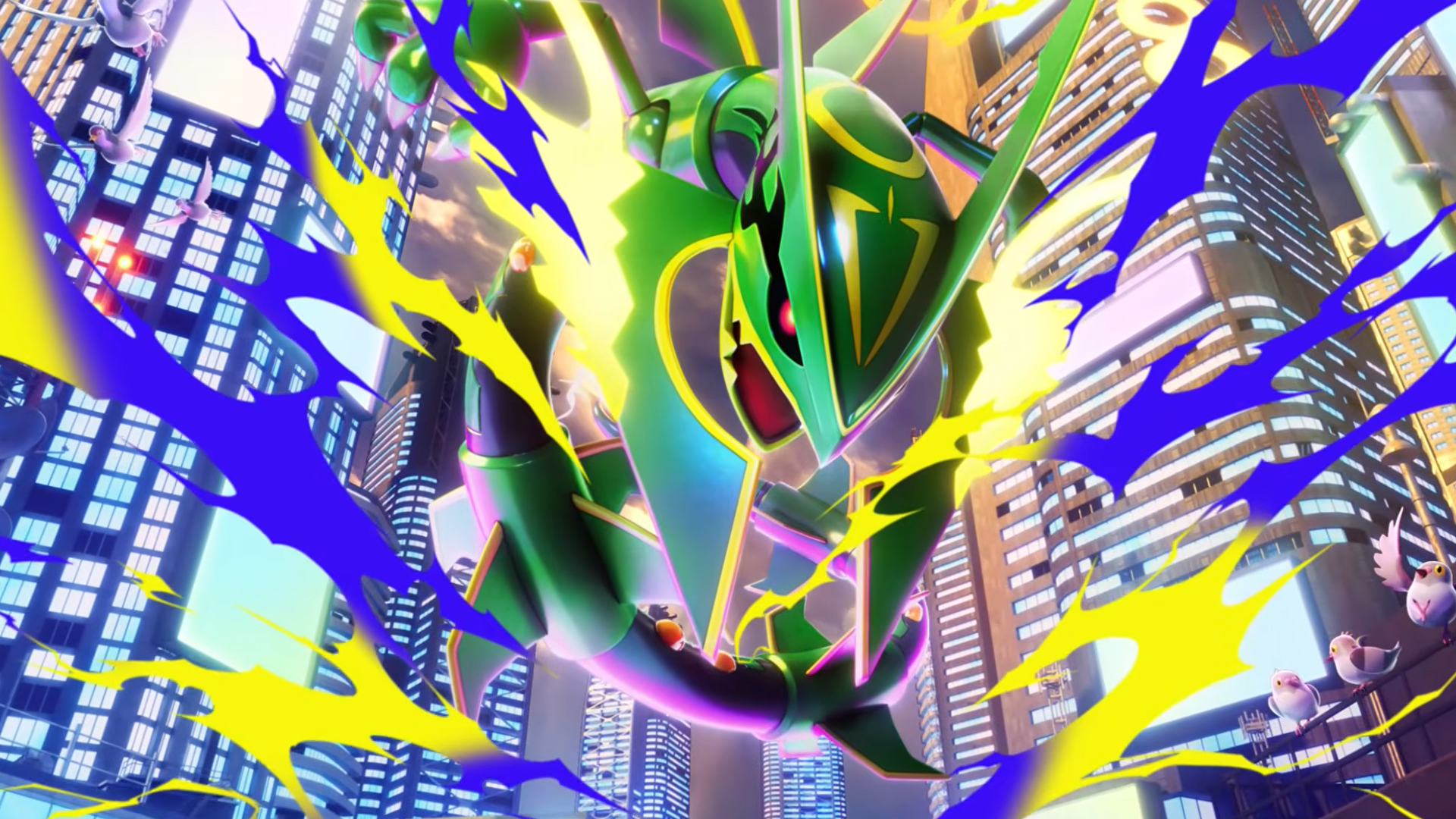
TCG Pocket Responds: A Much-Needed Pace Shift for Pokémon Fans
Pokémon TCG Pocket is rolling out a major update for its second anniversary, primarily addressing player concerns about overwhelming content releases by shifting to a six-week set schedule. This aims to curb player decline and improve overall engagement by giving trainers more time to collect and strategize. The update also adds new collection methods, improved deck-building features, and enhanced trading functionality.
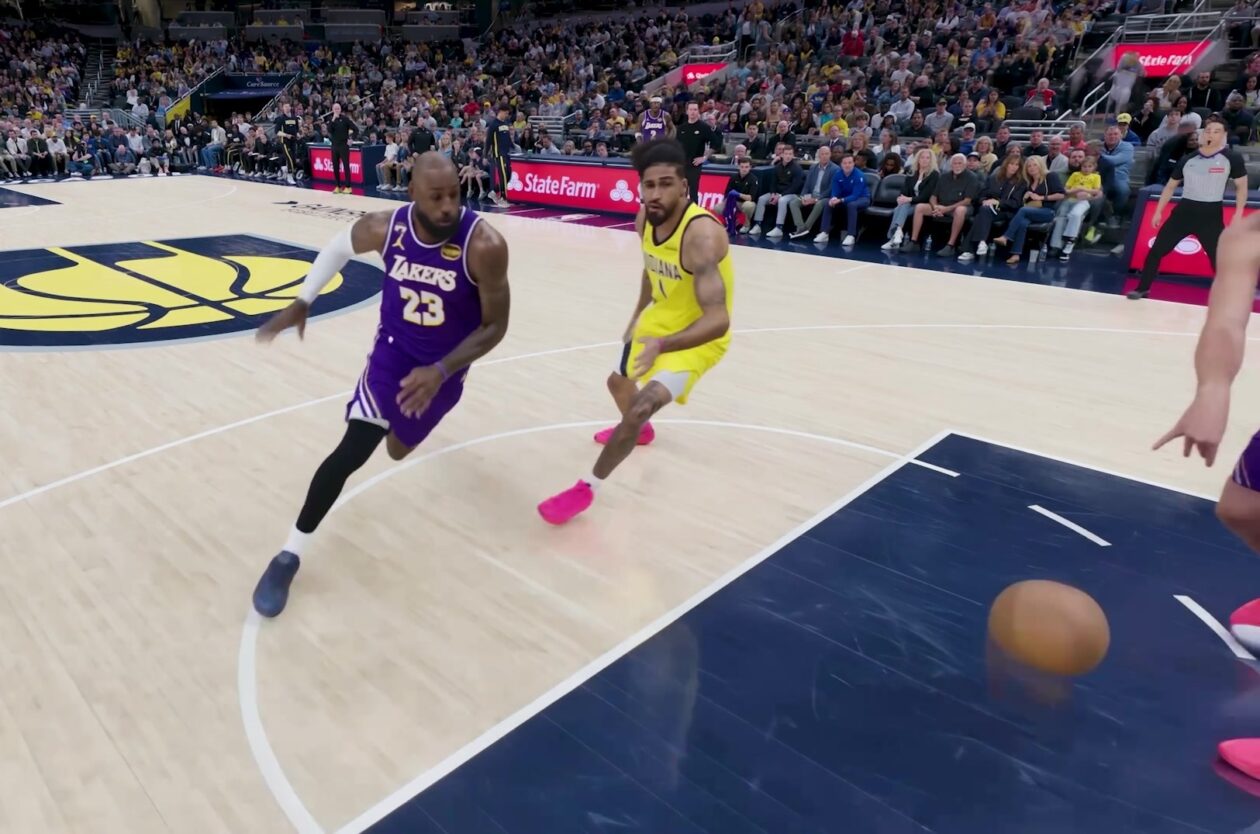
Amazon Prime Video Launches AI-Powered Prime 360 for NBA Coverage
Amazon Prime Video is elevating its NBA coverage with the introduction of Prime 360, an AI-powered replay system offering immersive, 'fly through' views of the action. Kicking off its second season, Prime Video also adds Yahoo fantasy integration and gains exclusive Eastern Conference Finals rights, expanding its tech-driven sports broadcast. The new features aim to deliver a unique and interactive viewing experience for basketball fans.
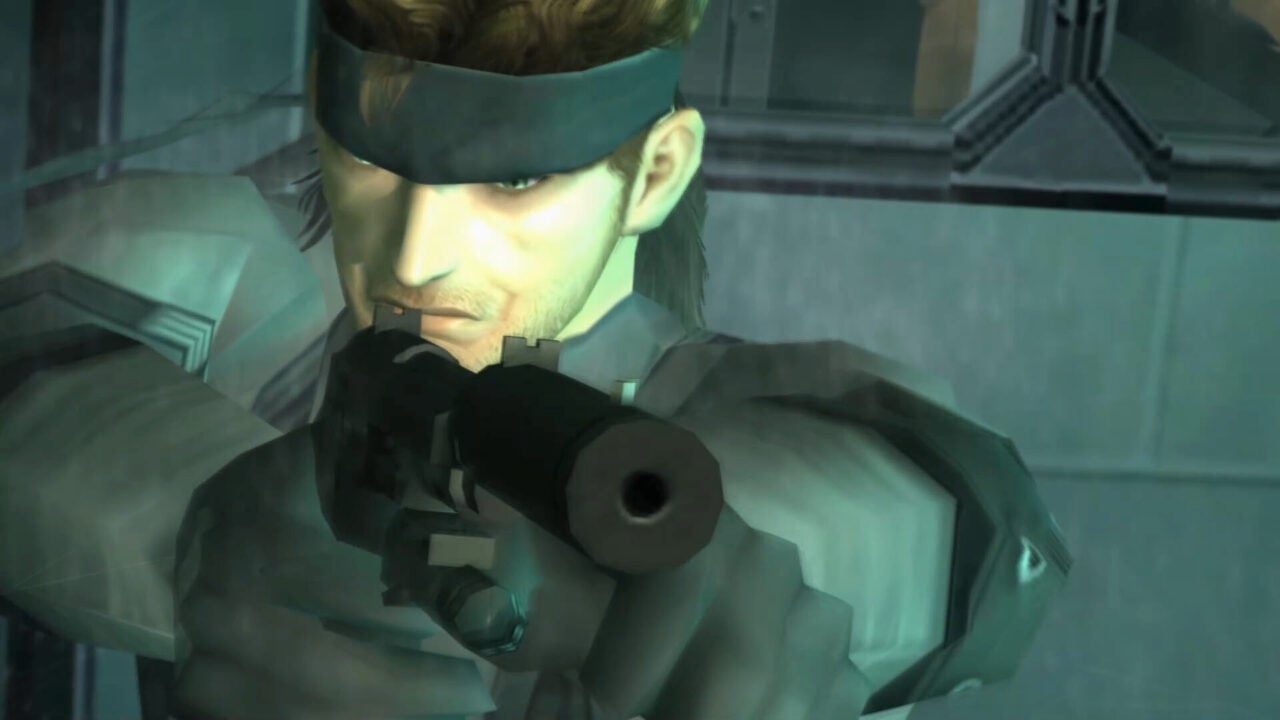
Kojima Compares Divisive New Film 'Digger' to MGS2's Prescient Vision
Gaming icon Hideo Kojima has praised the divisive 2026 film *Digger*, drawing intriguing parallels to his own prophetic game, *Metal Gear Solid 2*. Both works, he explains, uniquely explore the dangers of misinformation and a fragmented digital reality, anxieties he shares with *Digger*'s director, Alejandro González Iñárritu.
Ubisoft Proposes German Studio Workforce Reduction Amidst
Ubisoft is planning a voluntary departure program for about 100 employees across its Düsseldorf, Berlin, and Mainz studios in Germany. This move is part of a larger, ongoing cost-reduction and restructuring effort by the publisher, aiming to better position its studios for future projects.