
Power Station Strategy: Your Home's Unsung Hero or Overkill
Verdict: A Proactive Approach to Uninterrupted Power For anyone heavily reliant on an internet connection, committed to smart home functionality, or simply determined to safeguard perishables, the strategy of

Verdict: A Proactive Approach to Uninterrupted Power
For anyone heavily reliant on an internet connection, committed to smart home functionality, or simply determined to safeguard perishables, the strategy of permanently connecting key devices to a power station offers significant peace of mind. While it requires an upfront investment and some consideration of space, the benefits of continuous connectivity, security, and food preservation during unexpected outages make this 'always-on' approach a surprisingly practical and robust solution for modern living.
Introduction: Beyond Emergency Backup
Portable power stations are typically seen as tools for emergencies or off-grid adventures – devices you pull out when the lights go out or you head camping. However, a growing number of tech-savvy individuals are integrating these powerful batteries into their daily lives, transforming them into continuous, uninterruptible power supplies (UPSs) for critical home infrastructure. This review delves into the rationale behind this proactive strategy, examining which devices benefit most and the practical implications for consumers.
The traditional approach of reserving power stations for clutch moments carries inherent risks: discovering a drained battery, misplaced cables, or losing essential services like Wi-Fi. By keeping certain devices permanently connected, users can bypass these potential pitfalls, ensuring readiness and maintaining functionality when it matters most. As a smart home tech reviewer, the author of the source material highlights how this strategy evolved from testing numerous power stations, leading to a more integrated use, particularly for smaller units.
The Always-On Advantage: Core Benefits
Adopting an always-on strategy for power stations offers several compelling advantages, moving beyond simple backup to a state of perpetual readiness:
- Eliminating Surprises: No more scrambling to find a charged power station or the right cables during an unexpected blackout. Your critical devices are already powered and ready.
- Uninterrupted Connectivity: For those working from home, losing internet access can be disastrous. A continuous power supply to networking gear ensures work continuity and maintains access to essential online services.
- Smart Home Resilience: Many smart home systems rely on a consistent internet connection for remote control and optimal operation. Keeping the network alive allows continued management of integrated home systems, even during grid failures.
- Device Longevity and Safety: While not explicitly stated as a primary benefit in the source, a UPS can protect sensitive electronics from power surges and brownouts by providing clean, stable power.
- Maximizing Investment: Instead of sitting idle, power stations are consistently providing value, making the initial outlay more justifiable.
The Critical Trio: Devices to Keep Connected
The source identifies three types of devices that are prime candidates for permanent power station connection:
1. Modem and Router
In an age where remote work is commonplace, an uninterrupted internet connection is paramount. Unexpected Wi-Fi loss can bring productivity to a halt and strain mobile networks with sudden congestion. The article's author notes that modern devices like laptops, tablets, and phones are portable, but the home network remains a single point of failure.
- Power Requirements: Modems and routers have a low power draw. A modest 1kWh battery can sustain Wi-Fi for several days. Specifically, an EcoFlow River 3 Plus with 286Wh capacity can power a modem and router for a full workday. For extended outages, an Anker Solix C1000, boasting a 1,056kWh capacity, could power these devices for three times as long.
- User Experience: The ability to stay online for work and maintain kids' device access during an outage is invaluable. Furthermore, for smart home users, retaining internet connectivity is crucial for remote system control, as illustrated by a scenario where the author couldn't remotely monitor their dog due to a lost connection.
2. Refrigerator
Food spoilage is a significant concern during power outages. Modern refrigerators are surprisingly efficient, typically using between 1-2kWh a day. They draw 100W to 300W when the compressor runs, with surges potentially reaching 600W to 1,500W.
- Power Requirements: For a refrigerator, a minimum capacity of 2,000Wh is recommended to provide an adequate buffer for longer outages. The EcoFlow Delta 3 Max Series, with its 2,048Wh capacity and 3,000W output, or the Anker Solix C2000, offering the same 2,048Wh capacity and a 2,400W output, are cited as ideal options. Both can keep a full-size refrigerator running for up to three days. A smaller 1,024W battery (likely 1,024Wh) could power one for up to 16 hours.
- Savings Potential: Beyond emergency use, the article notes that using a solar-charged portable battery for a refrigerator could save $8-$20 monthly, highlighting an everyday financial benefit.
3. Security Cameras and Systems
Power outages often bring a sense of uncertainty, making home security more critical than ever. A security system that goes dark during a blackout undermines its very purpose.
- Power Requirements: While many battery-powered cameras exist, they still rely on a consistent network connection. The key is to back up the central hub or base station, a PoE switch for wired cameras, or an NVR (Network Video Recorder). A smaller battery, such as an EcoFlow River 3 with its 245Wh capacity and a significant 3,000W output (as stated in the source), is suggested to keep a hub like Eufy's HomeBase 3 online. This ensures continuous footage recording, motion detection, and remote access.
- User Experience: Maintaining surveillance provides peace of mind, allowing homeowners to check on properties, monitor for storm damage, or ensure family members' safe arrival during uncertain times.
Power Station Recommendations & Comparison
The source mentions several specific power stations across different capacity ranges, making them suitable for varied applications within this strategy. Here's a comparative look:
| Model | Capacity (Wh/kWh) | Output (W) | Primary Recommended Use | Notes |
|---|---|---|---|---|
| EcoFlow River 3 | 245Wh | 3,000W | Security camera hub | Notably high output for its capacity (as stated in source) |
| EcoFlow River 3 Plus | 286Wh | N/A | Modem & Router | Powers modem/router for a full workday |
| Anker Solix C1000 | 1,056kWh | N/A | Modem & Router | Provides three times the run time for modem/router compared to River 3 Plus |
| Anker Solix C2000 | 2,048Wh | 2,400W | Refrigerator | Powers refrigerator for up to three days |
| EcoFlow Delta 3 Max Series | 2,048Wh | 3,000W | Refrigerator | Powers refrigerator for up to three days, higher output |
Note: Output power for EcoFlow River 3 Plus and Anker Solix C1000 not specified in source for comparison. The Anker Solix C1000's capacity of "1,056kWh" is presented as stated in the source content, though it is typically listed as "1,056Wh" for portable power stations. Similarly, the EcoFlow River 3's "3,000W output" for a 245Wh unit is reported as per the source.
Pros and Cons of This Power Strategy
Pros:
- Always Prepared: Critical devices remain powered and operational through outages, eliminating last-minute setup.
- Enhanced Connectivity: Ensures uninterrupted internet access for work, communication, and smart home control.
- Food Security: Prevents spoilage by keeping refrigerators running for days.
- Continuous Surveillance: Maintains home security monitoring when power fails.
- Maximizes Value: Power stations are consistently utilized rather than sitting idle.
Cons:
- Initial Investment: Acquiring suitable power stations, especially larger ones for appliances like refrigerators, can be costly.
- Space & Placement: Power stations, particularly higher-capacity models, can be bulky and require dedicated space near the devices they power.
- Charging Management: While always connected, users must still ensure the power stations themselves are kept charged, especially if not linked to a whole-home backup or solar array.
- Potential for Overkill: For homes in areas with extremely rare and short power outages, the constant connection and investment might be seen as excessive.
Buying Recommendation
This strategy is highly recommended for households where continuous internet access is critical (e.g., remote workers), those who prioritize smart home functionality during outages, or individuals in areas prone to frequent or prolonged power disruptions. It's also an excellent approach for anyone looking to truly get their money's worth from a power station by integrating it into daily operations rather than relegating it to emergency-only status. However, if your budget is extremely tight, your power outages are practically non-existent, or you're comfortable with minimal tech dependency during blackouts, a more traditional on-demand backup approach might suffice. For maximum peace of mind and resilience, especially with a smart home, this always-on configuration is a compelling upgrade.
FAQ
Q: Is it safe to keep devices permanently connected to a power station? A: Yes, modern portable power stations are designed with safety features that allow them to function as pass-through power sources, meaning they can charge themselves while simultaneously powering connected devices. This effectively turns them into an uninterruptible power supply (UPS).
Q: What capacity power station do I need for my refrigerator? A: The source recommends a minimum of 2,000Wh capacity for a refrigerator to provide enough power for several days of operation, considering its daily power consumption of 1-2kWh and potential surge draws.
Q: Will this strategy work if I have a complex smart home system? A: Absolutely. By ensuring your modem and router remain powered, your smart home's internet connectivity is preserved. This allows remote control and continued functionality of smart devices that rely on an active network, even when the main power grid is down. The article specifically highlights the benefit for security camera systems, ensuring their hubs and cameras stay online.
Related articles
Android 17 QPR2 Beta 7.1: The Performance Relief You've Been Waiting
Android 17 QPR2 Beta 7.1: Finally Fixing the QPR1 Performance Woes Verdict: Android 17 QPR2 Beta 7.1 is a crucial and highly anticipated software update for Google Pixel users, specifically targeting and resolving the

DJI Solo Video Setups: Smart Choices for Lone Creators
This review delves into DJI's recommended solo video setups, highlighting the Osmo Pocket 3 Creator Combo as a top pick for its integrated camera, gimbal, and mic. It also covers stabilizers like the Osmo Mobile 8 and RS 4, and the DJI Mic Mini series for enhanced audio, providing honest pros, cons, and clear buying advice.
Ditch Merge & Center: The Better Way to Align Text in Excel
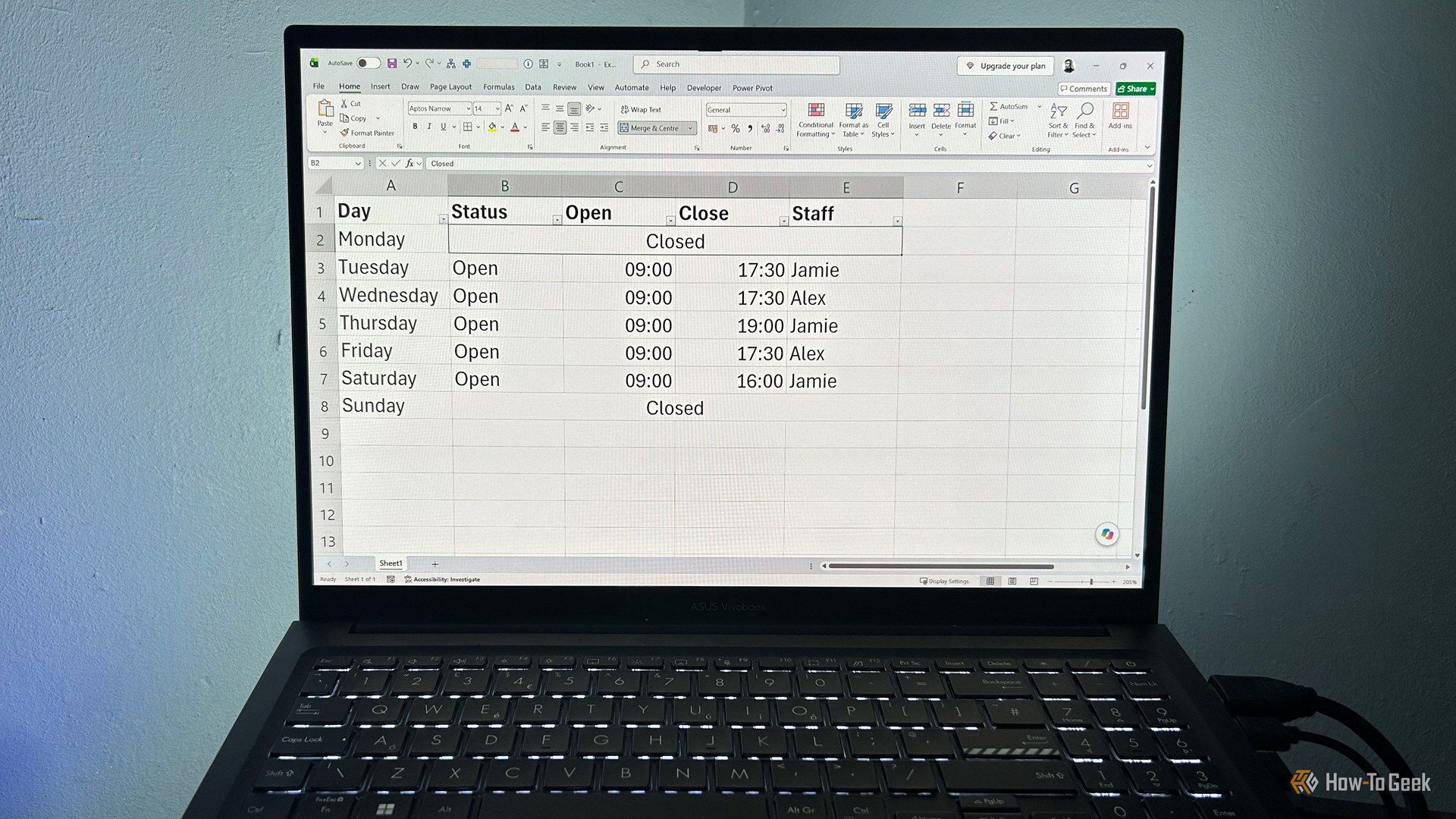
Learn to use Excel's "Center Across Selection" to align text across cells without merging, avoiding common data manipulation issues. This guide provides steps to utilize this newly accessible feature and add it to your Quick Access Toolbar.

Ars Technica's Rocket Report: Your Essential Space Industry Briefing
Quick Verdict Ars Technica's Rocket Report, presented by veteran space reporter Stephen Clark, offers an invaluable and meticulously organized weekly (or similar frequency, implied by "Edition 9.15") digest of the most

Apple iPhone Duo: A Daring Debut with Notable Compromises
Apple's highly anticipated iPhone Duo, priced at $2,000, has gone on pre-order. While hailed as "Apple's most exciting device in a decade" for its innovative foldable design and immersive display, it comes with significant drawbacks like the absence of FaceID and a premium camera.

Amazon Prime Video Launches AI-Powered Prime 360 for NBA Coverage
Amazon Prime Video is elevating its NBA coverage with the introduction of Prime 360, an AI-powered replay system offering immersive, 'fly through' views of the action. Kicking off its second season, Prime Video also adds Yahoo fantasy integration and gains exclusive Eastern Conference Finals rights, expanding its tech-driven sports broadcast. The new features aim to deliver a unique and interactive viewing experience for basketball fans.