
policy: Her childhood photo. Thousands of explicit images. One
A Wyoming woman has filed a federal lawsuit, alleging her stepfather used Elon Musk's Grok AI chatbot to create thousands of explicit images from her childhood photo. This case spotlights the urgent need for AI safety measures and legal accountability for developers amidst rising concerns over AI misuse in generating child sexual abuse material.

A Wyoming woman, identified in legal filings as Jane Doe 4, has filed a federal lawsuit alleging her stepfather used the Grok chatbot to transform a childhood photograph into approximately 7,000 child sexual abuse images. This horrifying discovery unfolded earlier this year when law enforcement swarmed her parents' home, shining a harsh light on the escalating dangers of artificial intelligence misuse.
The unsettling events came to light as Jane Doe 4 arrived in her small hometown to assist with preparations for a family gathering. Instead of the usual welcoming scene, she found state and local authorities lining the familiar street, marking the beginning of a deeply personal nightmare that now highlights a critical challenge for the burgeoning AI industry.
The lawsuit asserts that the AI model, developed by Elon Musk's xAI, was instrumental in creating the vast collection of illegal images. This direct allegation places Grok and its creators under intense scrutiny, raising urgent questions about the robustness of AI safeguards, content moderation, and the ethical responsibilities of technology developers.
This incident is not an isolated one but adds to a growing catalog of cases involving generative AI in the creation of child sexual abuse material (CSAM). The rapid advancement of AI technology has outpaced existing legal and ethical frameworks, creating a perilous landscape where sophisticated tools can be weaponized for devastating harm. Experts and lawmakers are increasingly vocal about the need for immediate action.
Previous reports from 2025 detail similar alarming scenarios, including a Louisiana middle schooler charged with disseminating fake AI-generated nudes of a schoolmate. Concerns have also been voiced about AI-powered devices, such as a teddy bear that reportedly discussed knives, pills, and sex during safety tests. Even larger tech entities like Meta have faced allegations of suppressing research related to child safety in virtual reality environments.
In response to these emerging threats, senators have been actively debating the necessity of regulating AI chatbots specifically to protect children. This federal lawsuit against the developers of Grok could significantly influence these ongoing legislative efforts, providing a stark example of the real-world consequences of inadequately protected AI systems.
The legal action against xAI will likely dissect the effectiveness of Grok's built-in safety filters and content moderation protocols. It will also examine the company's due diligence in anticipating and preventing malicious applications of its technology. The outcome of this case holds the potential to establish crucial precedents for corporate accountability within the AI sector, pushing for more stringent development standards and legal liabilities.
As AI continues to integrate into daily life, the imperative for robust protective measures and swift legal responses becomes ever more critical. The alleged exploitation of Grok in this Wyoming case underscores the pressing need for comprehensive solutions to address the darker side of technological innovation, ensuring that advanced platforms are not inadvertently enabling severe harm and exacerbating societal vulnerabilities.
FAQ
Q: Who is involved in this federal lawsuit?
A: The plaintiff is referred to as Jane Doe 4, and she alleges her stepfather used the Grok chatbot to create the explicit images. The federal lawsuit is filed against the entities responsible for the Grok AI.
Q: What is Grok, and who developed it?
A: Grok is an artificial intelligence chatbot. It was developed by xAI, a company founded by Elon Musk.
Q: What is the central allegation against the Grok chatbot in this case?
A: The lawsuit alleges that the Grok chatbot was utilized to transform an original childhood photo of Jane Doe 4 into approximately 7,000 sexually explicit images, constituting child sexual abuse material.
Related articles

Apple Unveils iPhone Duo: Pricey Foldable Sees Soaring Demand
Apple has officially entered the foldable smartphone arena with the long-anticipated launch of the iPhone Duo. Priced starting at a hefty $1,999, the device features a 5.4-inch outer display and a larger 7.6-inch inner

in-depth: Chicago-Area Cops Helped HSI Spy on Minnesota Anti-ICE
Chicago-area law enforcement, including local police and HSI agents, conducted undercover surveillance on Minnesota anti-ICE activists at an April 2, 2022, talk in Chicago. This operation was part of a federal conspiracy probe into 15 Minnesota activists facing felony charges related to immigration enforcement resistance. Civil liberties advocates have condemned the surveillance as a troubling intrusion into protected political activity.

Mark Wahlberg on using AI in film ‘the right way’ and being open to
Actor Mark Wahlberg believes AI has a place in filmmaking if used responsibly for enhancement, not script generation or actor replacement. At TechCrunch Disrupt, he expressed openness to an AI likeness carrying on his legacy, managed by his family, and emphasized storytelling.

Tesla Unveils Thruster-Equipped Roadster, 2028 Production Targeted
Tesla has unveiled its second-generation Roadster, featuring cold-gas thrusters co-developed with SpaceX, enabling it to jump and flip. The electric sports car demonstrated 0-60mph in an astonishing 0.81 seconds, with production targeted for 2028. This highly anticipated reveal also serves as a key recruitment tool for Tesla's ambitious AI and robotics initiatives.
Amazon Prime Video Launches AI-Powered Prime 360 for NBA Coverage
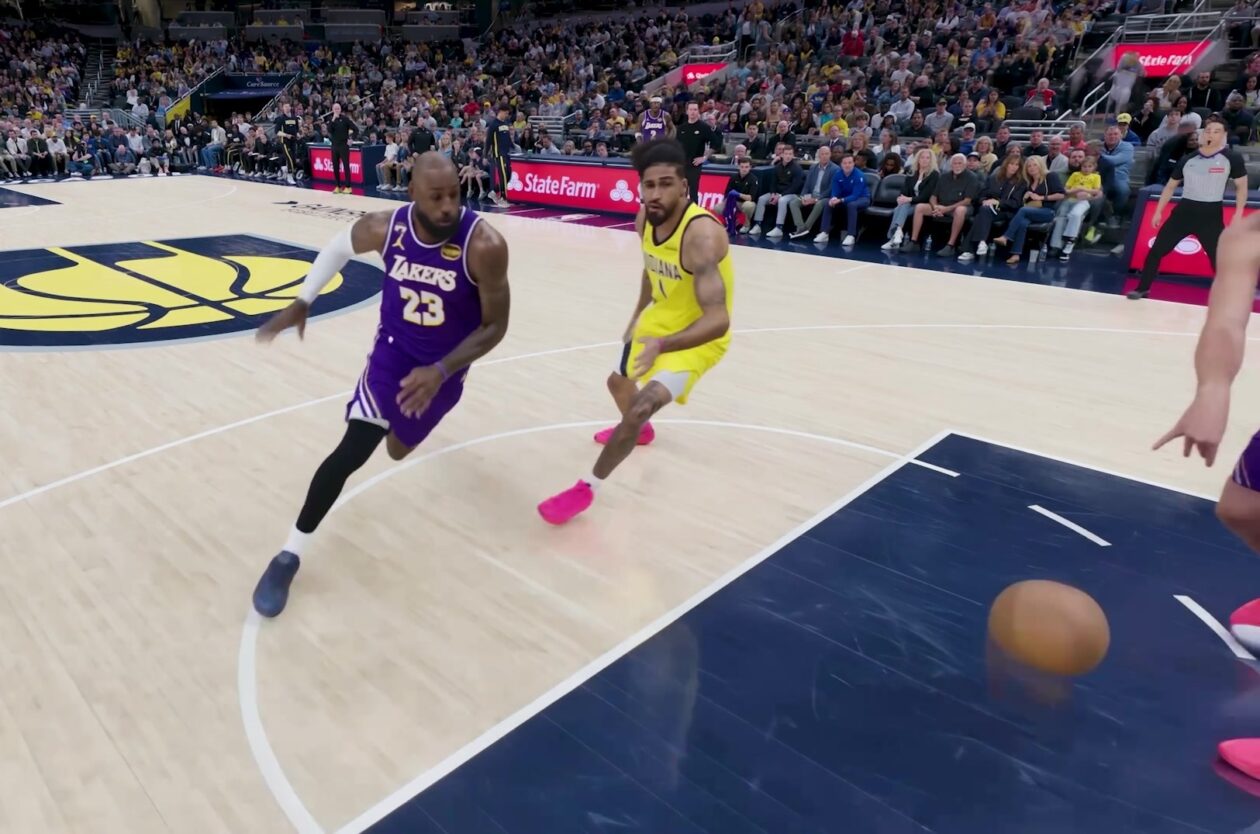
Amazon Prime Video is elevating its NBA coverage with the introduction of Prime 360, an AI-powered replay system offering immersive, 'fly through' views of the action. Kicking off its second season, Prime Video also adds Yahoo fantasy integration and gains exclusive Eastern Conference Finals rights, expanding its tech-driven sports broadcast. The new features aim to deliver a unique and interactive viewing experience for basketball fans.
regional: A two-person Seattle startup lands $1M to reinvent
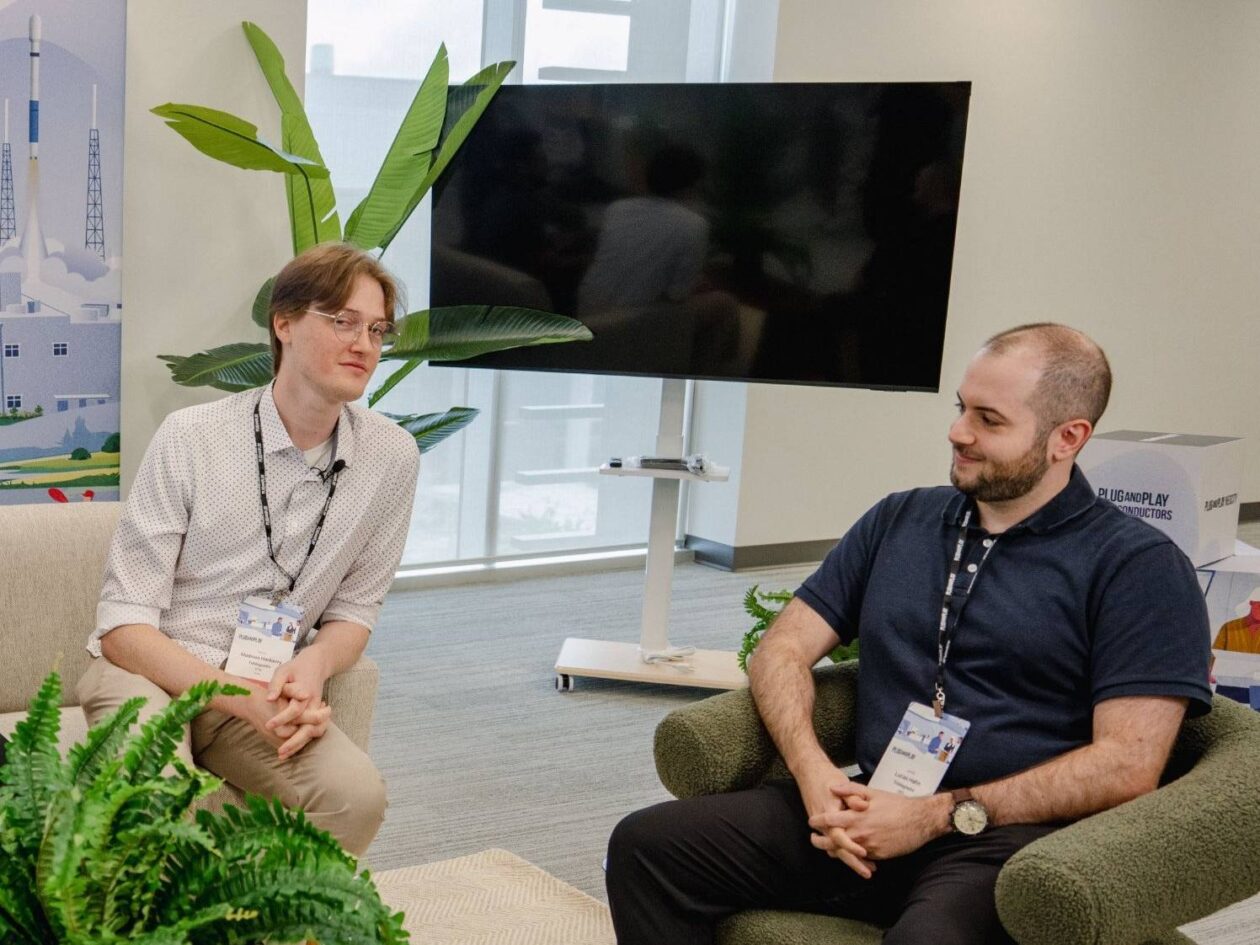
Seattle startup TriMagnetix has secured $1 million to develop semiconductor chips that consume 800 times less energy and are radiation-resistant. The two-person company, leveraging nanomagnetic technology, is targeting space applications and data centers. With new funding and key partnerships, TriMagnetix aims for commercial sales within a year.