
policy: Heat wave do’s and don’ts for your phone: phone safety — Key
As a significant heat wave approaches, tech experts advise on protecting phones and electronics. Key tips include safe cooling methods for overheating devices, ensuring charged power banks for outages, signing up for emergency alerts, and reducing household appliance use to mitigate heat and grid strain.

As a significant heat wave prepares to grip much of the United States around the upcoming July 4th holiday weekend, technology experts are issuing crucial advice for protecting electronic devices and ensuring personal safety. Extreme temperatures pose a considerable threat to smartphone performance and longevity, while the heightened risk of power outages necessitates proactive measures to keep essential communication tools operational. This comprehensive guide outlines key do's and don'ts to help consumers safeguard their tech and stay connected during the sweltering conditions.
Protecting Your Devices from Overheating
When your phone displays an overheating warning, immediate action is required, but it’s vital to choose the right cooling method. Contrary to instinct, placing your device in a refrigerator or freezer can introduce condensation, potentially causing severe internal damage. A safer and more effective approach involves using a cold pack, or even a bag of frozen vegetables, wrapped in a dish towel. Placing your phone on this makeshift cool surface for approximately one minute, and repeating if necessary, allows for gradual and safe temperature reduction until the device resumes normal operation.
Beyond active cooling, preventative measures are paramount. Never leave your smartphone, tablet, or other electronics in a parked vehicle, even for short periods. The interior of a car, including the trunk or glove compartment, can quickly reach blistering temperatures that far exceed safe operating limits, leading to battery degradation, component failure, or even fire risks. Direct exposure to sunlight should also be rigorously avoided.
Ensuring Power During Outages
The threat of power outages during a heat wave makes preparedness critical, especially for maintaining communication. Keeping all essential devices, particularly your smartphone, fully charged should be a top priority. Investing in a high-quality external battery pack is a smart move, providing a reliable backup power source. Recommended brands include Anker, Belkin, and Nimble, with Wirecutter also offering well-researched recommendations.
Before purchasing, verify the battery pack's compatibility with your phone's charging port and ensure you have the appropriate charging cables. Furthermore, regularly checking and recharging your external battery is crucial; a monthly reminder on your phone can help ensure it’s ready when an emergency strikes. For broader home resilience, resources are available for those considering a home generator.
Staying Informed and Monitoring Air Quality
Your smartphone is an indispensable tool for receiving critical information during emergencies. To ensure you're fully informed about heat advisories, cooling centers, and other vital services, search online for your local county's "emergency alerts" and sign up for text or app notifications. While some emergency alerts are automatically pushed to all devices, opting in for local notifications guarantees you receive comprehensive and timely updates specific to your area.
Extreme heat often coincides with other environmental hazards, such as smoke from wildfires or localized air pollution from events like July Fourth fireworks. These can significantly degrade air quality. The Environmental Protection Agency’s AirNow website serves as an invaluable, free resource for monitoring real-time outdoor air conditions. For improving indoor air safety, consider high-quality air purifiers, with models recommended by Consumer Reports and House Fresh capable of making a substantial difference.
Minimizing Household Heat Generation
Beyond personal devices, household electronics and appliances also contribute to indoor heat, potentially making your home less comfortable and stressing the local electrical grid. Large electronics, including television sets, desktop computers, and even kitchen appliances like dishwashers, emit heat, sometimes continuously even when in standby mode or turned off. During periods of extreme heat, consciously limiting their use or unplugging them when they are not actively needed can offer a dual benefit.
This simple practice helps to keep your living space cooler, reducing the workload on your air conditioning system. Moreover, by decreasing overall energy consumption, you contribute to minimizing strain on the electrical grid, potentially preventing wider power disruptions. Consider cooking alternatives like no-cook recipes or grilling outdoors to avoid adding heat to your kitchen. Furthermore, while tempting, avoid excessively cranking down your air conditioning; studies indicate that maintaining indoor temperatures around 77 degrees Fahrenheit can still provide adequate comfort while significantly conserving energy.
FAQ
Q: Why shouldn't I put my overheating phone in the refrigerator? A: Placing an overheating phone directly into a cold environment like a refrigerator can cause rapid temperature changes, leading to condensation forming inside the device. This moisture can severely damage internal components and void warranties, making a gradual cooling method (like a cold pack wrapped in a towel) much safer.
Q: What are the best ways to prepare my phone for a potential power outage during a heat wave? A: The most important step is to keep your phone fully charged. Additionally, invest in a reliable external battery pack and make sure it is also fully charged and compatible with your device. Setting a monthly reminder to check and recharge your power bank ensures it's ready when needed.
Q: How can my electronic devices impact the temperature of my home during a heat wave? A: Many large electronic devices and appliances, such as TVs, computers, and dishwashers, generate and emit heat, even when turned off or in standby mode. During extreme heat, their operation can cumulatively raise your indoor temperature, making your home less comfortable and increasing the load on your cooling systems and the electrical grid. Limiting their use or unplugging them can help keep your home cooler.
Related articles

Apple Unveils iPhone Duo: Pricey Foldable Sees Soaring Demand
Apple has officially entered the foldable smartphone arena with the long-anticipated launch of the iPhone Duo. Priced starting at a hefty $1,999, the device features a 5.4-inch outer display and a larger 7.6-inch inner

in-depth: Chicago-Area Cops Helped HSI Spy on Minnesota Anti-ICE
Chicago-area law enforcement, including local police and HSI agents, conducted undercover surveillance on Minnesota anti-ICE activists at an April 2, 2022, talk in Chicago. This operation was part of a federal conspiracy probe into 15 Minnesota activists facing felony charges related to immigration enforcement resistance. Civil liberties advocates have condemned the surveillance as a troubling intrusion into protected political activity.
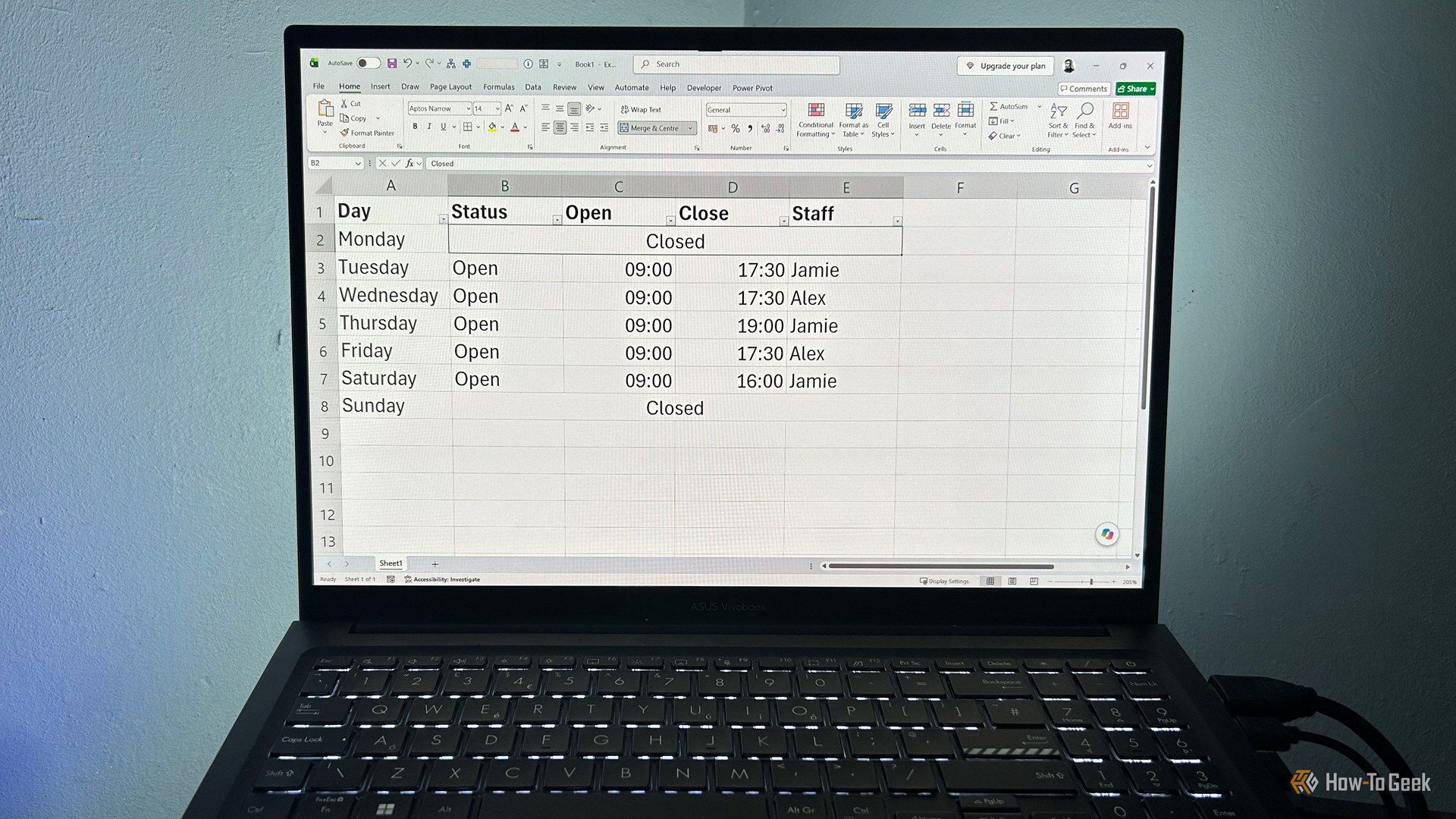
Ditch Merge & Center: The Better Way to Align Text in Excel
Learn to use Excel's "Center Across Selection" to align text across cells without merging, avoiding common data manipulation issues. This guide provides steps to utilize this newly accessible feature and add it to your Quick Access Toolbar.

Mark Wahlberg on using AI in film ‘the right way’ and being open to
Actor Mark Wahlberg believes AI has a place in filmmaking if used responsibly for enhancement, not script generation or actor replacement. At TechCrunch Disrupt, he expressed openness to an AI likeness carrying on his legacy, managed by his family, and emphasized storytelling.

Ars Technica's Rocket Report: Your Essential Space Industry Briefing
Quick Verdict Ars Technica's Rocket Report, presented by veteran space reporter Stephen Clark, offers an invaluable and meticulously organized weekly (or similar frequency, implied by "Edition 9.15") digest of the most

Apple iPhone Duo: A Daring Debut with Notable Compromises
Apple's highly anticipated iPhone Duo, priced at $2,000, has gone on pre-order. While hailed as "Apple's most exciting device in a decade" for its innovative foldable design and immersive display, it comes with significant drawbacks like the absence of FaceID and a premium camera.