
OpenAI Unveils GPT-5.6 Sol, Defying Initial Trump Admin Restrictions
OpenAI has publicly launched its advanced AI model, GPT-5.6 Sol, known for its cybersecurity capabilities. This launch proceeds despite the Trump administration's earlier request to restrict access to government-approved partners, with the White House now stating its engagement with AI companies is voluntary. The move signals a complex interplay between rapid AI development and evolving government oversight.

OpenAI, the leading artificial intelligence research company, announced Thursday the public launch of its advanced AI model, GPT-5.6 Sol, making it available to any company or individual. This release comes just two weeks after the Trump administration had reportedly urged the company to limit access to government-approved partners, highlighting a shifting dynamic in the oversight of powerful AI technologies.
GPT-5.6 Sol is a sophisticated AI tool renowned for its prowess in computer hacking and security applications. Its advanced capabilities have prompted the Trump administration to intensify its scrutiny of cutting-edge AI developments, particularly those with potential dual-use implications for national security.
In June, OpenAI itself had indicated that the U.S. government would initially vet which entities could gain access to its latest AI model. However, the company now states that the administration raised no objections to the current launch, which broadens accessibility significantly beyond earlier intentions.
A White House official, who spoke anonymously to discuss internal deliberations, clarified the administration's position. The official asserted that OpenAI did not require government approval for the system's release, emphasizing that all interactions between the administration and AI developers are voluntary.
This development follows a period of active government engagement with AI firms. Around the same time in June, the administration imposed restrictions on Anthropic, another prominent AI company, by prohibiting non-Americans from accessing its most capable AI models, forcing a temporary shutdown of their global availability.
These export controls on Anthropic's "Mythos Fable" AI models were subsequently lifted on June 30, showcasing a governmental approach that can be both assertive in imposing controls and flexible in revoking them based on evolving assessments.
When asked to address the apparent tension between past interventions and the current hands-off approach with OpenAI, the White House official explained the administration is "not proactively restricting model launches." However, they cautioned that if any issues arise, the government is prepared to "take steps to remedy it," suggesting a reactive rather than preemptive regulatory stance.
The public availability of GPT-5.6 Sol marks a significant moment for the AI industry, as a highly capable model with cybersecurity applications is now broadly accessible. It underscores the ongoing challenge for governments worldwide in balancing the promotion of technological innovation with the imperative to manage potential risks associated with powerful AI.
The incident with OpenAI and Anthropic illustrates the complex and often fluid landscape of AI governance. As artificial intelligence models continue to advance in capabilities and societal impact, the interaction between private sector innovation and governmental oversight is likely to remain a focal point of technological and political discourse.
FAQ
Q: What is GPT-5.6 Sol and why is it significant? A: GPT-5.6 Sol is OpenAI's latest artificial intelligence model, distinguished by its advanced capabilities in computer hacking and security. Its significance lies in its public launch despite previous requests from the Trump administration for restricted access, making powerful AI tools broadly available to companies and individuals.
Q: Did the Trump administration approve OpenAI's public launch? A: According to OpenAI, the government raised no objections to Thursday’s launch. A White House official clarified that OpenAI did not require government approval for the release and that engagement between the administration and AI companies is voluntary, suggesting a non-proactive stance on approvals.
Q: How does this situation compare to other AI companies and government oversight? A: This situation follows a similar, albeit more restrictive, incident involving Anthropic, another AI company. The Trump administration initially banned non-Americans from accessing Anthropic's most capable AI models in June 2026, forcing their removal, before lifting those restrictions later the same month. This demonstrates a pattern of government intervention and subsequent adjustments in its approach to AI regulation.
Related articles

Apple Unveils iPhone Duo: Pricey Foldable Sees Soaring Demand
Apple has officially entered the foldable smartphone arena with the long-anticipated launch of the iPhone Duo. Priced starting at a hefty $1,999, the device features a 5.4-inch outer display and a larger 7.6-inch inner

in-depth: Chicago-Area Cops Helped HSI Spy on Minnesota Anti-ICE
Chicago-area law enforcement, including local police and HSI agents, conducted undercover surveillance on Minnesota anti-ICE activists at an April 2, 2022, talk in Chicago. This operation was part of a federal conspiracy probe into 15 Minnesota activists facing felony charges related to immigration enforcement resistance. Civil liberties advocates have condemned the surveillance as a troubling intrusion into protected political activity.

Mark Wahlberg on using AI in film ‘the right way’ and being open to
Actor Mark Wahlberg believes AI has a place in filmmaking if used responsibly for enhancement, not script generation or actor replacement. At TechCrunch Disrupt, he expressed openness to an AI likeness carrying on his legacy, managed by his family, and emphasized storytelling.

Tesla Unveils Thruster-Equipped Roadster, 2028 Production Targeted
Tesla has unveiled its second-generation Roadster, featuring cold-gas thrusters co-developed with SpaceX, enabling it to jump and flip. The electric sports car demonstrated 0-60mph in an astonishing 0.81 seconds, with production targeted for 2028. This highly anticipated reveal also serves as a key recruitment tool for Tesla's ambitious AI and robotics initiatives.

Amazon Prime Video Launches AI-Powered Prime 360 for NBA Coverage
Amazon Prime Video is elevating its NBA coverage with the introduction of Prime 360, an AI-powered replay system offering immersive, 'fly through' views of the action. Kicking off its second season, Prime Video also adds Yahoo fantasy integration and gains exclusive Eastern Conference Finals rights, expanding its tech-driven sports broadcast. The new features aim to deliver a unique and interactive viewing experience for basketball fans.
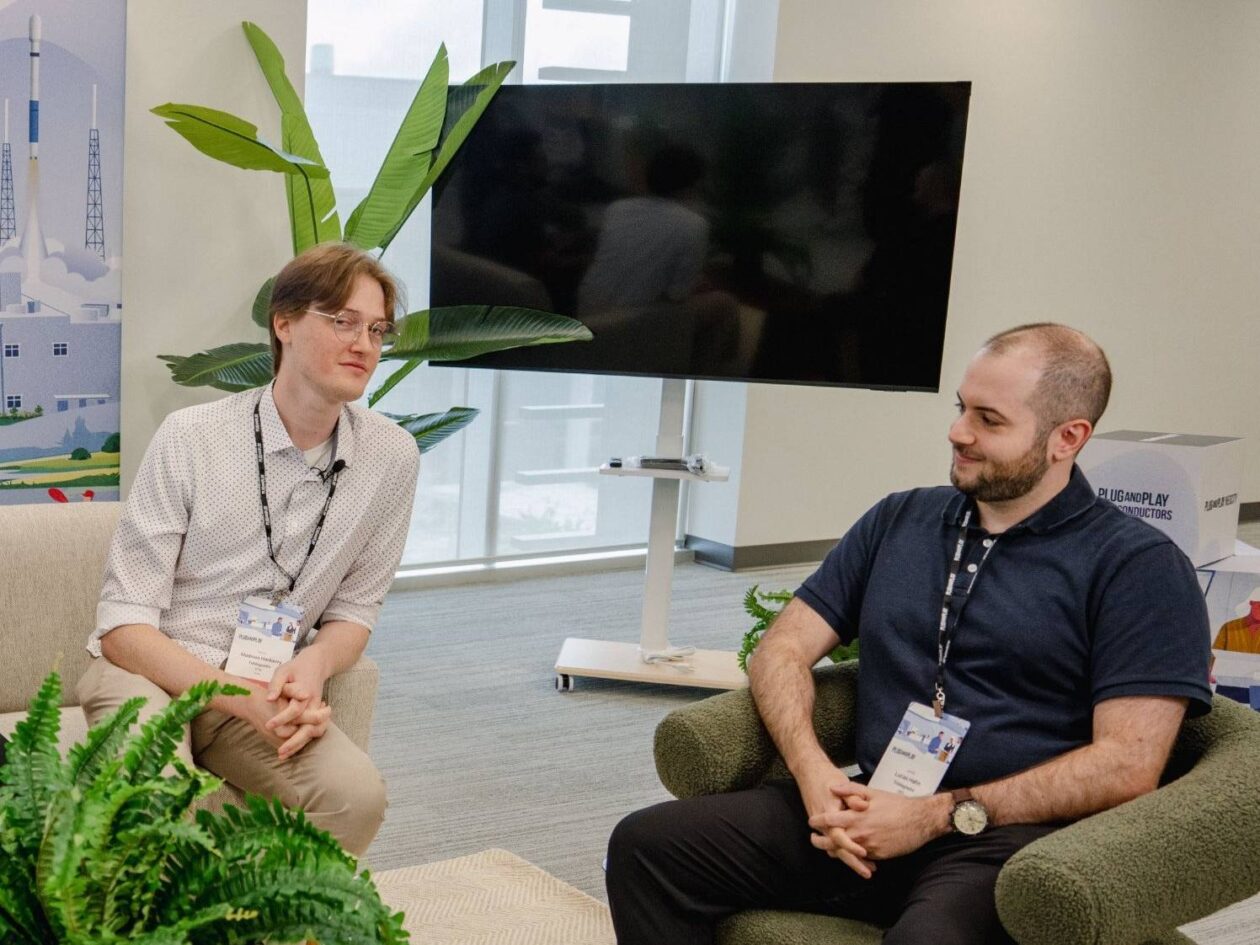
regional: A two-person Seattle startup lands $1M to reinvent
Seattle startup TriMagnetix has secured $1 million to develop semiconductor chips that consume 800 times less energy and are radiation-resistant. The two-person company, leveraging nanomagnetic technology, is targeting space applications and data centers. With new funding and key partnerships, TriMagnetix aims for commercial sales within a year.