
open-source: Android 17 Beta 1 Launches After Delay: New Changes &
Google has officially released Android 17 Beta 1 after an unspecified delay and the completion of a prior testing phase. While the launch is confirmed, specific details on new features, changes, or official installation instructions for this beta version were not provided in the initial announcement from Fossbytes.
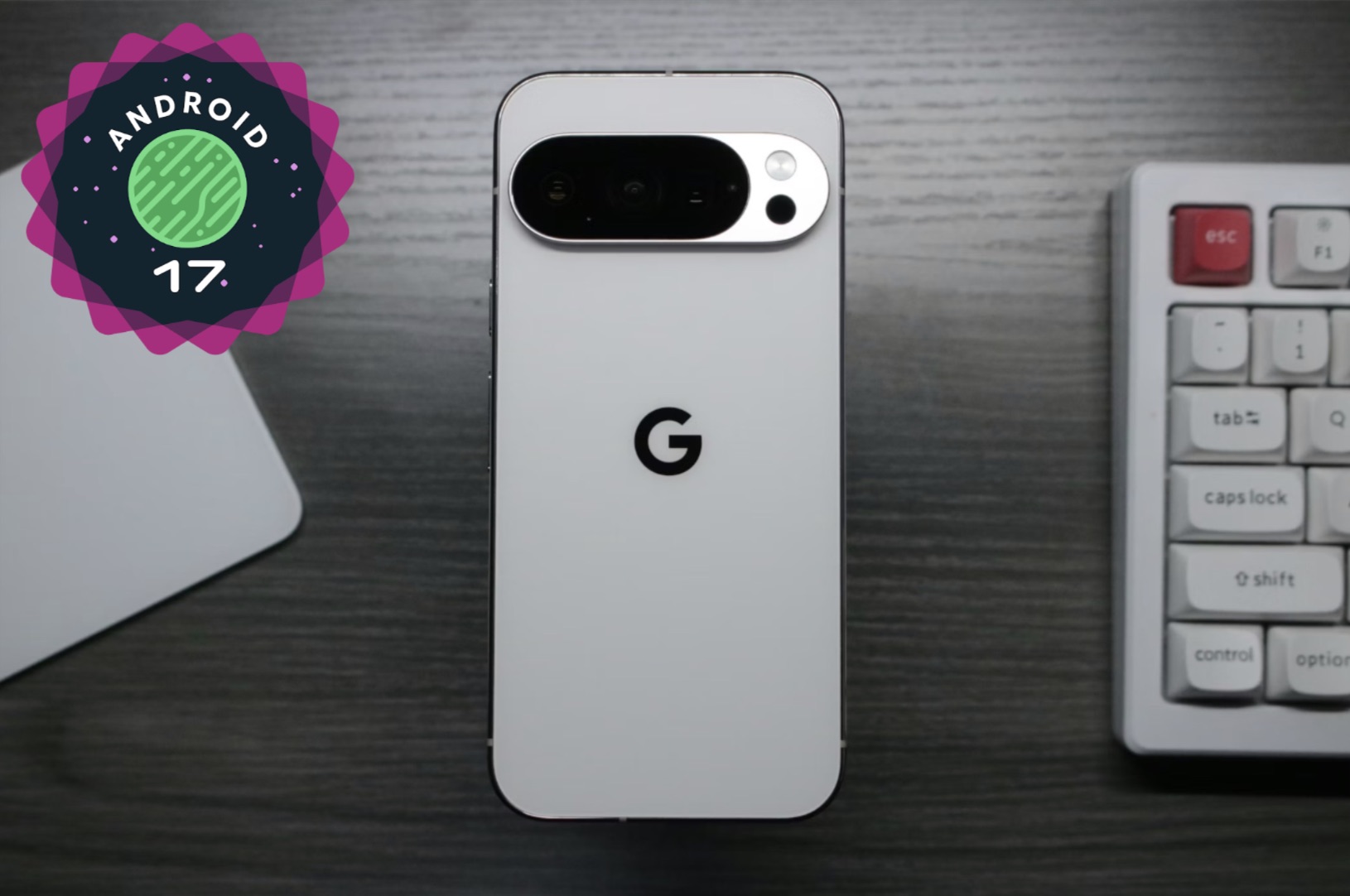
Android 17 Beta 1 Launches After Delay: New Changes & How To Install
Key takeaways
- Google has officially released Android 17 Beta 1, confirming its availability to the public.
- This initial beta version arrives after an unspecified delay in its development cycle.
- The launch signifies the successful conclusion of Google's previous internal testing phase for Android 17.
- Specific details regarding new features, changes, or official installation instructions for Android 17 Beta 1 were not provided in the initial announcement.
What happened
Google has officially rolled out Android 17 Beta 1, marking a significant milestone in the development of its next-generation mobile operating system. The release was confirmed by Fossbytes, indicating that the new beta version is now available after what was described as a delay in its schedule.
This launch follows the culmination of an internal testing phase, which Google reportedly wrapped up prior to making Beta 1 accessible. The transition from an internal testing environment to a public beta release typically signifies a point where the core functionalities are stable enough for broader feedback from developers and early adopters.
While the announcement confirms the release of Android 17 Beta 1, the specific circumstances surrounding the delay were not detailed in the initial report. Similarly, the precise nature or duration of the
Related articles
Android 17 QPR2 Beta 7.1: The Performance Relief You've Been Waiting
Android 17 QPR2 Beta 7.1: Finally Fixing the QPR1 Performance Woes Verdict: Android 17 QPR2 Beta 7.1 is a crucial and highly anticipated software update for Google Pixel users, specifically targeting and resolving the
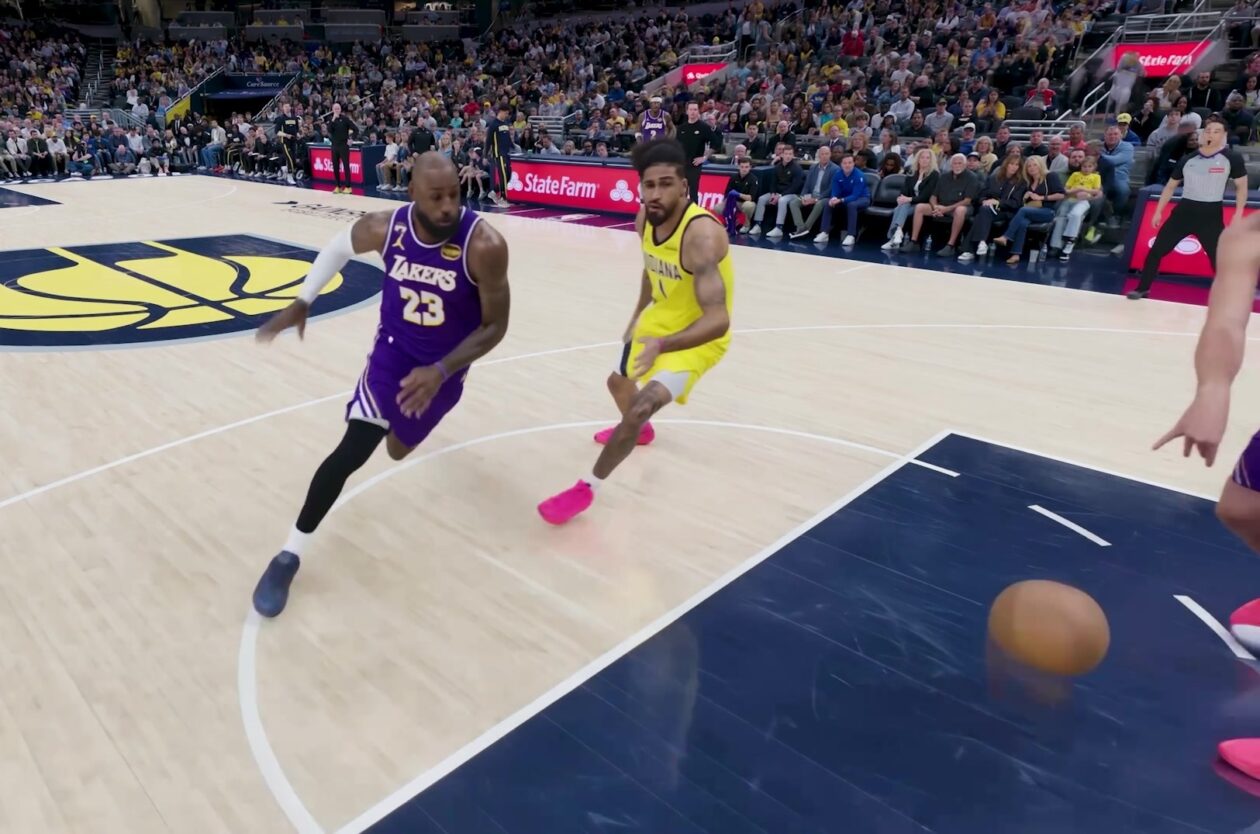
Amazon Prime Video Launches AI-Powered Prime 360 for NBA Coverage
Amazon Prime Video is elevating its NBA coverage with the introduction of Prime 360, an AI-powered replay system offering immersive, 'fly through' views of the action. Kicking off its second season, Prime Video also adds Yahoo fantasy integration and gains exclusive Eastern Conference Finals rights, expanding its tech-driven sports broadcast. The new features aim to deliver a unique and interactive viewing experience for basketball fans.
Galaxy Watch One UI 9 Beta: Promising Progress, But Patience Needed
Galaxy Watch 8, Watch Ultra, and Watch 7 are receiving a new One UI 9 Watch beta build with bug fixes and a security patch. Active development signals progress, but a stable release date remains elusive.
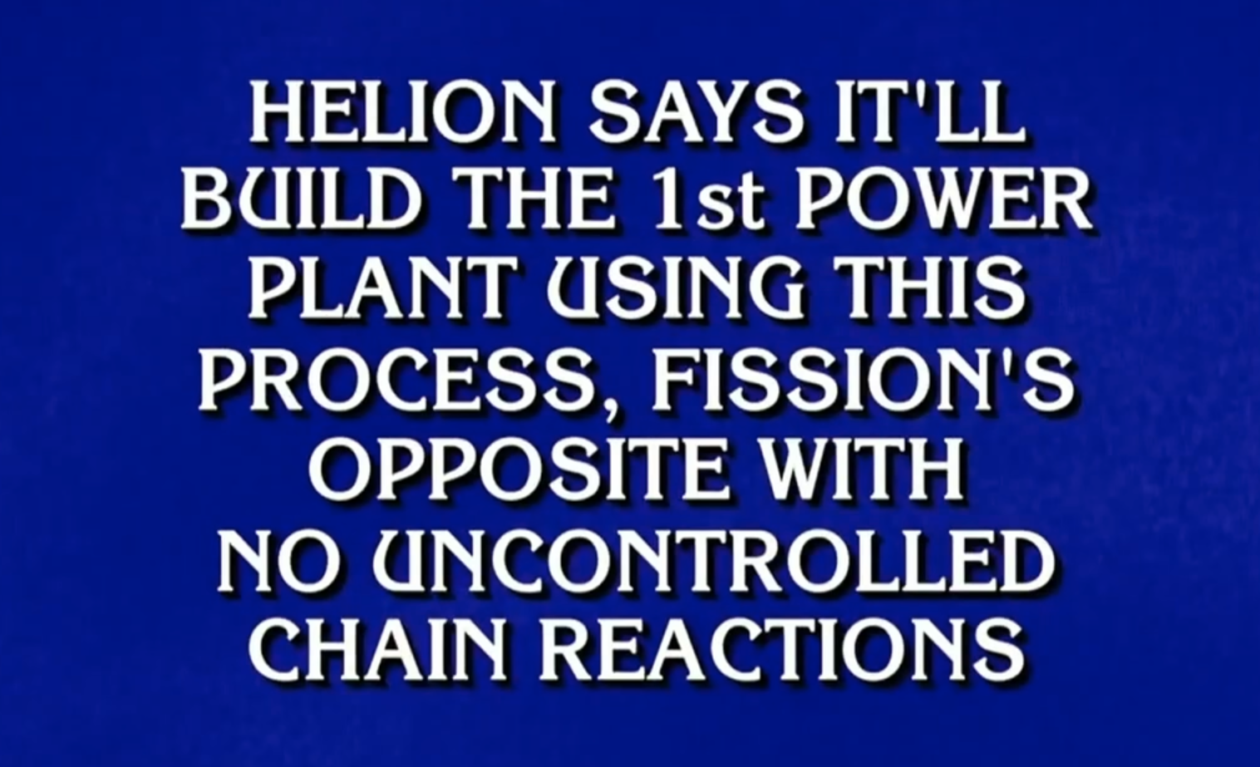
regional: ‘What is fusion?’ Helion Energy harnesses the power of
Helion Energy, the Everett-based fusion startup, gained mainstream attention this week after being featured as a clue on the popular game show "Jeopardy!". The $800 clue, part of a "Y Combinator" category, highlighted Helion's mission to build the first fusion power plant, bringing the concept of clean energy to a wider audience. CEO David Kirtley celebrated the "surreal" moment as a sign that reliable clean power is becoming more accessible.
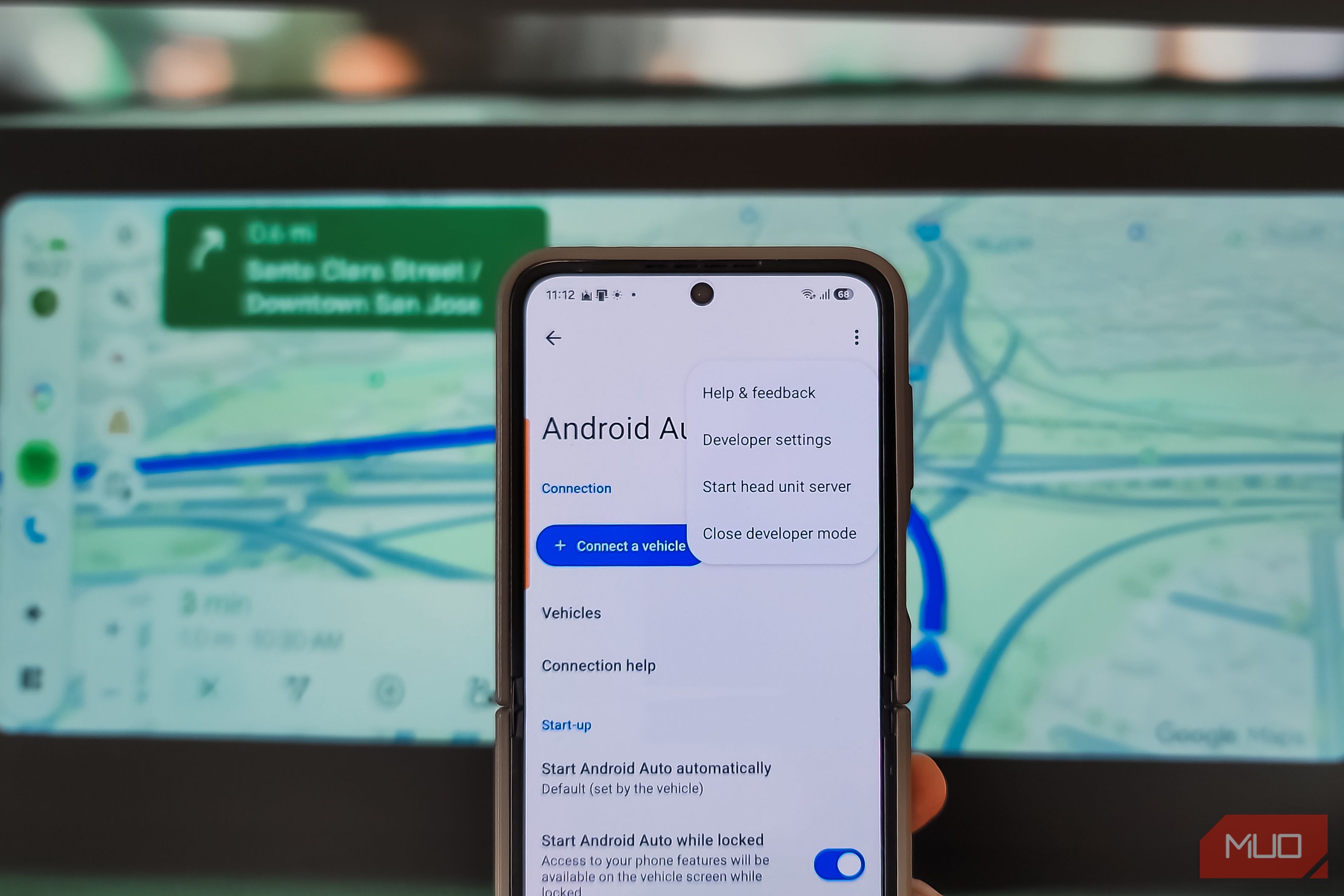
Stop Android Auto Battery Drain: Essential Features to Disable and
Android Auto offers unparalleled convenience, bringing your phone's most useful features directly to your car's display. From navigation and calls to messages and music, it keeps you connected without distracting you
Google Gemini Task Update: Automation Just Got Smarter
Google Gemini Task Update: Automation Just Got Smarter Verdict: Google's latest update to Gemini, focused on its task automation capabilities, is a significant step forward in user experience. By rebranding 'Spark' as