
Nvidia's NVPAC: Tech Giant Ventures into Policy Shaping
Nvidia's plan to establish an employee-funded Political Action Committee (NVPAC) signals a deepening involvement of tech companies in US policy, aiming to influence legislation particularly concerning the future of AI and data center development amidst public opposition.
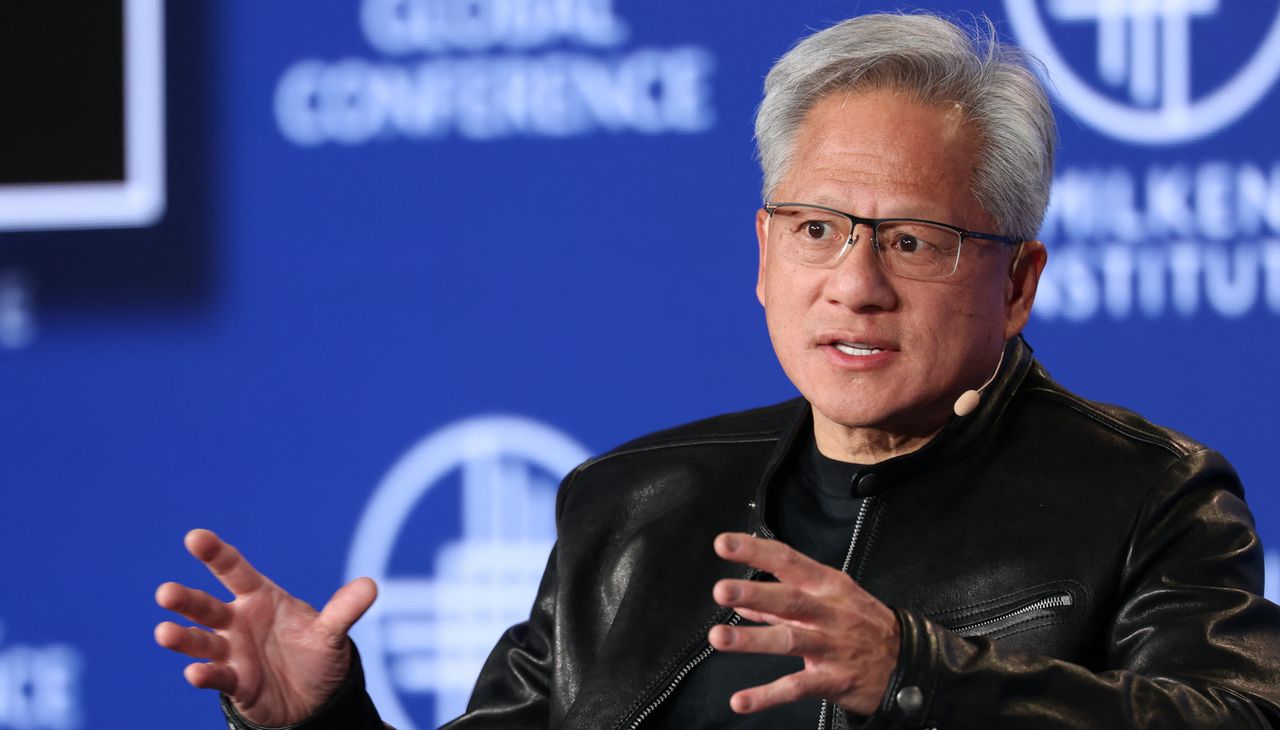
In a significant move reflecting the escalating intersection of big tech and US governance, GPU powerhouse Nvidia is reportedly moving to establish an employee-funded political action committee, tentatively named NVPAC. While the company has not officially commented, this initiative highlights a strategic shift towards more direct involvement in shaping US policy, impacting AI, infrastructure development, and the democratic process.
Quick Verdict: Nvidia's Strategic Play in Policy
Nvidia's reported initiative to form NVPAC represents a proactive measure to safeguard and advance its substantial business interests within the dynamic AI sector. As a leading supplier of AI GPUs, Nvidia faces growing scrutiny concerning data center expansion. This PAC would establish a direct channel for influencing US policy, anticipating and responding to potential regulatory challenges and signaling that AI's future will be profoundly shaped by political engagement.
The NVPAC: What It Is and How It Works
Political Action Committees (PACs) are established mechanisms for organizations to channel financial contributions into political campaigns. They collect funds, in this case from Nvidia's employees, and allocate resources to candidates whose interests align with the committee's objectives. These tax-exempt contributions fund campaign activities, designed to support the election of preferred politicians. NVPAC would empower Nvidia's workforce to collectively contribute to a fund aimed at influencing legislation beneficial to the company’s technological interests.
Why Nvidia Needs a PAC: AI, Data Centers, and Political Headwinds
Nvidia's explosive growth, driven by the AI boom, places its hardware at the core of AI ecosystems. However, critical data center infrastructure expansion has met significant resistance. Public and local opposition across the US has led to approximately $130 billion worth of AI data center projects being cancelled or delayed in Q1 2026. This creates a political tightrope walk: the Trump administration advocates for US AI leadership, yet many supporters oppose local data center construction. Polling data suggests over half of Americans are concerned about AI, and most prefer nuclear power plants over data centers. This friction, as seen with politicians like Texas Gov. Greg Abbott, highlights the challenging environment compelling Nvidia to seek direct policy influence.
The Broader Implications for Tech and Public
The emergence of NVPAC carries significant ramifications for the intersection of technology and governance. For Nvidia, the intent is clear: to foster a regulatory environment conducive to its growth and innovation. For the broader public, this intensifies discussions about corporate influence in policy-making. It highlights the inherent tension between national strategic goals (like AI leadership) and local community concerns (over data center impact). When powerful tech entities formalize political funding, it raises questions about the democratic process and whether policy can truly serve public interest while navigating substantial corporate financial contributions, which reached a record $646 million in the 2026 midterm elections.
NVPAC: A Balanced Look at Its Impact
Pros (from Nvidia's strategic viewpoint):
- Direct Advocacy: Provides a legitimate platform to advocate for policies directly supporting Nvidia’s AI and data center development, ensuring its voice is heard.
- Business Stability: Aims to mitigate risks from adverse legislation or local opposition, securing long-term growth and investment.
- Industry Leadership: Reinforces Nvidia's role in shaping the future regulatory landscape for AI, influencing standards and strategic directions.
Cons (from a societal perspective):
- Influence Imbalance: Contributes to concerns about corporate financial power unduly influencing democratic processes, potentially overshadowing public interests.
- Ethical Scrutiny: While employee-funded, such initiatives can prompt ethical questions about the voluntary nature of contributions within corporate structures.
- Public Perception Risk: May generate negative public sentiment if perceived as attempts to bypass legitimate local concerns for commercial gain.
A Familiar Path: Nvidia in Context with Other Tech Giants
Nvidia is not alone in its pursuit of political influence; it joins a growing cohort of tech companies actively engaging in US policy. The precedent for corporate lobbying is long-standing. More recently, significant contributions from tech figures, such as Elon Musk's reported $242 million donation to Donald Trump for 2025, and collective $1 million donations from Meta, Amazon, Google, Broadcom, and Nvidia to Trump’s Inaugural Committee Fund, illustrate this trend. NVPAC represents a further formalization of these efforts, moving beyond episodic donations to a more structured and sustained political engagement, positioning Nvidia alongside other industry titans.
Our Recommendation: Engage with Informed Awareness
As consumers and stakeholders, our "buying recommendation" shifts from traditional product advice to urging vigilance regarding the evolving relationship between technology and governance. It's crucial to stay informed about how powerful companies like Nvidia influence policy. Scrutinize legislative developments concerning AI, data centers, and corporate lobbying. Recognizing these intertwined dynamics is key to a more informed public discourse on tech's growing political influence.
FAQ
Q: What is the primary goal of Nvidia's proposed NVPAC?
A: The primary goal is to shape US policy in Nvidia's favor, particularly concerning regulations, infrastructure development, and public perception related to AI and data centers.
Q: Is it common for tech companies to fund political action committees?
A: Yes, the source indicates that many companies, including major tech firms like Meta, Amazon, and Google, are increasingly involved in electoral donating and funding, making Nvidia's move part of a broader industry trend.
Q: How might NVPAC address public opposition to data centers?
A: By influencing policymakers, NVPAC aims to mitigate legislative hurdles and potentially shift the narrative around data center development, addressing the significant public and local opposition that has delayed or canceled projects.
Related articles
Android 17 QPR2 Beta 7.1: The Performance Relief You've Been Waiting
Android 17 QPR2 Beta 7.1: Finally Fixing the QPR1 Performance Woes Verdict: Android 17 QPR2 Beta 7.1 is a crucial and highly anticipated software update for Google Pixel users, specifically targeting and resolving the

DJI Solo Video Setups: Smart Choices for Lone Creators
This review delves into DJI's recommended solo video setups, highlighting the Osmo Pocket 3 Creator Combo as a top pick for its integrated camera, gimbal, and mic. It also covers stabilizers like the Osmo Mobile 8 and RS 4, and the DJI Mic Mini series for enhanced audio, providing honest pros, cons, and clear buying advice.

in-depth: Chicago-Area Cops Helped HSI Spy on Minnesota Anti-ICE
Chicago-area law enforcement, including local police and HSI agents, conducted undercover surveillance on Minnesota anti-ICE activists at an April 2, 2022, talk in Chicago. This operation was part of a federal conspiracy probe into 15 Minnesota activists facing felony charges related to immigration enforcement resistance. Civil liberties advocates have condemned the surveillance as a troubling intrusion into protected political activity.

Mark Wahlberg on using AI in film ‘the right way’ and being open to
Actor Mark Wahlberg believes AI has a place in filmmaking if used responsibly for enhancement, not script generation or actor replacement. At TechCrunch Disrupt, he expressed openness to an AI likeness carrying on his legacy, managed by his family, and emphasized storytelling.

Ars Technica's Rocket Report: Your Essential Space Industry Briefing
Quick Verdict Ars Technica's Rocket Report, presented by veteran space reporter Stephen Clark, offers an invaluable and meticulously organized weekly (or similar frequency, implied by "Edition 9.15") digest of the most

Apple iPhone Duo: A Daring Debut with Notable Compromises
Apple's highly anticipated iPhone Duo, priced at $2,000, has gone on pre-order. While hailed as "Apple's most exciting device in a decade" for its innovative foldable design and immersive display, it comes with significant drawbacks like the absence of FaceID and a premium camera.