
Nvidia Jetson EOL Acceleration: A Challenging Shift for Developers
Nvidia is accelerating the end-of-life (EOL) for several of its older Jetson AI processor modules, specifically those based on the TX2 and Xavier architectures. This decision, driven by a global shortage of LPDDR4
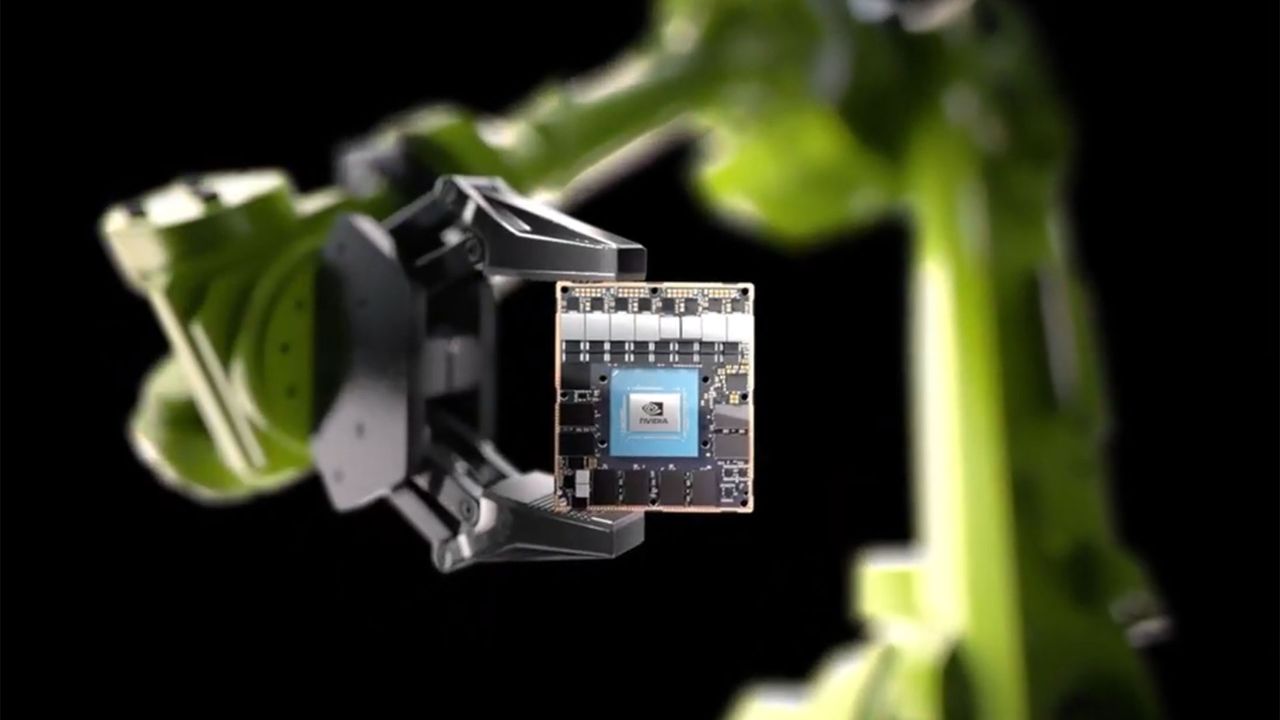
Nvidia is accelerating the end-of-life (EOL) for several of its older Jetson AI processor modules, specifically those based on the TX2 and Xavier architectures. This decision, driven by a global shortage of LPDDR4 memory, dubbed the “RAMpocalypse,” poses a significant challenge for developers and integrators still relying on these platforms. While newer Orin and Thor modules are unaffected due to their use of LPDDR5, this move signals a critical juncture for the embedded AI ecosystem, necessitating immediate migration planning for many projects.
The Shifting Sands of AI Development
Nvidia’s Jetson platform has long been a staple for embedded AI and edge computing, enabling a wide range of innovative projects. However, the recent announcement of accelerated EOL timelines for select modules has sent ripples through the developer community. This isn't a simple product refresh; it’s a direct consequence of a complex market dynamic where LPDDR4, the memory type foundational to these older Jetson modules, is becoming increasingly scarce and expensive. Connect Tech, a prominent Canadian supplier and system integrator, has confirmed that Nvidia has moved these devices to Non-Cancelable, Non-Returnable (NCNR) status, a clear signal of imminent supply constraints.
Affected Modules and Critical Timelines
Among the specific Jetson devices impacted are the Jetson TX2 NX, all SKUs of the Jetson TX2i, the Jetson AGX Xavier 32GB Industrial variant, and both the 8GB and 16GB versions of the Jetson Xavier NX. Importantly, the supplier notes that Nvidia has marked all TX2 and Xavier models as NCNR. For those still planning to purchase these modules, the window is rapidly closing: final purchase orders must be submitted by July 1st. Existing purchase orders will convert to NCNR status on July 15th, and the absolute last date for shipping any orders containing these products is July 15th of next year.
Understanding the "RAMpocalypse"
This accelerated EOL isn't an isolated incident; it's part of a broader phenomenon affecting memory supply. While DDR5 has certainly faced its own pressures, the LPDDR4 situation highlights a different facet of the global memory crunch. The issue isn't merely a shortage in the traditional sense, but rather a strategic reallocation of manufacturing capacity. Memory vendors are increasingly prioritizing higher-margin components, particularly High Bandwidth Memory (HBM) for high-end AI accelerators and newer DDR5 modules. This shift in focus diverts production capacity away from older legacy nodes responsible for LPDDR4, leaving embedded platforms that rely on it in a precarious position. These platforms, unlike consumer electronics, typically demand long lifecycle guarantees, which become untenable when core components are no longer a manufacturing priority.
Impact on Developers and Existing Projects
For developers and integrators with ongoing projects built around LPDDR4-based Jetson modules, this announcement translates into immediate and significant challenges. The NCNR status is often the first visible sign of tightening supply, forcing a rapid re-evaluation of current designs and future procurement strategies. What was once a stable, long-term platform now has a definitive, and expedited, expiration date. This necessitates not just a performance upgrade consideration, but a fundamental reassessment of long-term project viability. The user experience here isn't about a product's interface, but the disruption to development workflows, supply chain management, and project timelines. It underscores the importance of staying abreast of component availability and planning for inevitable hardware refreshes, even if they arrive sooner than anticipated.
The Path Forward: Embracing Orin
Fortunately, Nvidia offers a clear migration path to its newer, LPDDR5-based Jetson Orin and Thor modules, which remain available despite some price increases. For those using the older Xavier NX platform, the Orin NX presents a compelling and relatively seamless transition. It’s designed to be a close to drop-in replacement, maintaining a similar form factor and power envelope, although specialized I/O configurations will require careful validation. Moving from an AGX Xavier to an AGX Orin is even more straightforward, as both share the same 699-pin connector family, simplifying the hardware interface. However, validating power delivery and thermal management for the new module will still be crucial.
Pros:
- Clear Migration Path: Nvidia provides newer LPDDR5-based Orin modules as direct upgrade options, with some designed for near drop-in replacement.
- Performance Upgrade: Migrating to Orin modules inherently brings performance improvements and access to newer AI acceleration capabilities.
- Long-Term Viability: Orin and Thor platforms, using LPDDR5, are not currently impacted by the LPDDR4 shortage, ensuring longer supply availability.
Cons:
- Unexpected Disruption: The accelerated EOL creates unplanned development work, potential re-engineering, and supply chain adjustments for existing projects.
- Time-Sensitive Procurement: Developers have a limited window to secure final LPDDR4-based Jetson modules, adding urgency and pressure.
- Potential Re-validation: While migration can be straightforward, verifying I/O, power, and thermal solutions on new hardware still requires engineering effort.
Buying Recommendation
If your current or planned projects are utilizing Nvidia Jetson TX2 or Xavier modules, it is imperative to act quickly. Your options are twofold: either place final purchase orders for the affected modules by July 1st to secure a limited, last-time supply, or, more advisable for long-term viability, initiate a migration strategy to the newer Jetson Orin modules immediately. For new projects, the recommendation is unequivocally to design with Orin or Thor from the outset, avoiding the EOL platforms entirely to ensure stable supply and future-proof your development.
FAQ
Q: Which specific Jetson modules are affected by this accelerated EOL? A: The accelerated EOL primarily impacts LPDDR4-based modules, including the Jetson TX2 NX, all Jetson TX2i SKUs, the Jetson AGX Xavier 32GB Industrial variant, and the 8GB and 16GB versions of the Jetson Xavier NX. Nvidia has marked all TX2 and Xavier models as NCNR.
Q: What are the key deadlines for securing these older Jetson modules? A: Final purchase orders for affected modules must be submitted by July 1st. Any existing purchase orders will convert to NCNR status on July 15th. The absolute last date for Nvidia to ship any orders featuring these products is July 15th of next year.
Q: What is the recommended upgrade path for developers currently using affected Jetson modules? A: Nvidia recommends migrating to its newer, LPDDR5-based Jetson Orin modules. The Orin NX is a near drop-in replacement for the Xavier NX, and the AGX Orin offers a straightforward upgrade path for AGX Xavier users, leveraging the same 699-pin connector family. This migration not only secures long-term supply but also provides a performance upgrade.
Related articles
Android 17 QPR2 Beta 7.1: The Performance Relief You've Been Waiting
Android 17 QPR2 Beta 7.1: Finally Fixing the QPR1 Performance Woes Verdict: Android 17 QPR2 Beta 7.1 is a crucial and highly anticipated software update for Google Pixel users, specifically targeting and resolving the

DJI Solo Video Setups: Smart Choices for Lone Creators
This review delves into DJI's recommended solo video setups, highlighting the Osmo Pocket 3 Creator Combo as a top pick for its integrated camera, gimbal, and mic. It also covers stabilizers like the Osmo Mobile 8 and RS 4, and the DJI Mic Mini series for enhanced audio, providing honest pros, cons, and clear buying advice.

TCG Pocket Responds: A Much-Needed Pace Shift for Pokémon Fans
Pokémon TCG Pocket is rolling out a major update for its second anniversary, primarily addressing player concerns about overwhelming content releases by shifting to a six-week set schedule. This aims to curb player decline and improve overall engagement by giving trainers more time to collect and strategize. The update also adds new collection methods, improved deck-building features, and enhanced trading functionality.

Ars Technica's Rocket Report: Your Essential Space Industry Briefing
Quick Verdict Ars Technica's Rocket Report, presented by veteran space reporter Stephen Clark, offers an invaluable and meticulously organized weekly (or similar frequency, implied by "Edition 9.15") digest of the most

Apple iPhone Duo: A Daring Debut with Notable Compromises
Apple's highly anticipated iPhone Duo, priced at $2,000, has gone on pre-order. While hailed as "Apple's most exciting device in a decade" for its innovative foldable design and immersive display, it comes with significant drawbacks like the absence of FaceID and a premium camera.

AI's Confidence vs. Formal Methods' Rigor: Design Flaws & Verification
While AI accelerates code generation, formal methods remain critical for ensuring system correctness. Languages like TLA+ and tools like Quint enable developers to model and verify system designs before coding, catching subtle flaws. Quint makes formal methods more accessible with developer-friendly syntax and executability. This approach is vital for verifying AI-generated code through trace validation and model-based testing, ensuring reliability against real-world data.