
Noctua's Cooler Clearance Study: A Wake-Up Call for PC Builders
Noctua's detailed analysis reveals over 50% of PC cases misstate CPU cooler clearances, with errors ranging from -3.5mm to +10mm, causing potential fitment issues or missed upgrade opportunities for PC builders.
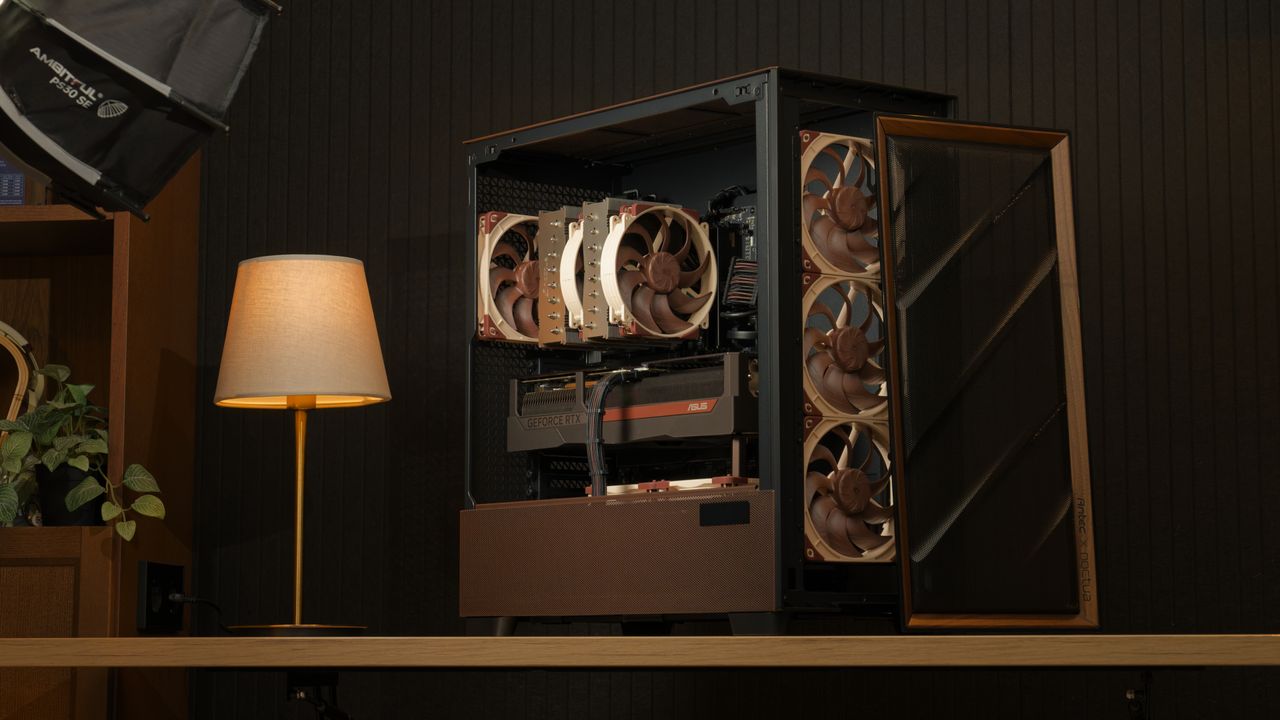
The Unsettling Truth: CPU Cooler Clearances Are Often Wrong
For years, PC builders have meticulously checked specification sheets, trusting manufacturers' listed dimensions for critical components like CPU cooler clearance. It's a fundamental step to ensure all parts fit together harmoniously. However, a recent, comprehensive investigation by Noctua – a brand renowned for its high-end cooling solutions – has unveiled a concerning reality: over half of the PC cases they tested misstate their CPU cooler clearances. This isn't a minor oversight; the errors range significantly, from a restrictive -3.5mm to a surprisingly generous +10mm, fundamentally impacting the building experience.
Noctua's internal compatibility team undertook the arduous task of manually measuring over a hundred PC cases. Their findings, detailed in a recent blog post, directly address discrepancies noted by some PC DIYers between Noctua's own compatibility database and official manufacturer specs. The results underscore a systemic issue within the industry that demands attention from both case manufacturers and consumers alike. This isn't just about a small deviation; it’s about a lack of precision that can turn an exciting build into a frustrating ordeal.
The Double-Edged Sword of Inaccurate Specs
The misstatements identified by Noctua present two distinct scenarios, each with its own implications for PC enthusiasts:
Cases That Are Bigger Than Advertised: A Missed Opportunity
Surprisingly, many cases offer more clearance than their official specifications suggest. While this might seem like a welcome bonus, Noctua highlights it as a missed opportunity. If a manufacturer lists a maximum cooler height of, say, 75mm, and a builder adheres to that, they might select a smaller, less powerful cooler when a larger, more effective one could have easily fit. For example:
- NZXT H2 Flow: Listed at 75mm max CPU cooler height, but Noctua's measurements found it could actually accommodate a cooler up to 79mm – an extra 4mm of space.
- Thermaltake TR100: This case was found to be 2.7mm larger than its stated dimensions.
- Corsair Frame 4000D: This popular chassis offered a significant 10mm of additional clearance beyond what was advertised.
In these instances, while a purchased cooler will undoubtedly fit, builders are potentially leaving cooling performance on the table. It's a testament to the fact that trusting official numbers can sometimes limit your options for optimal thermal management.
Cases That Are Smaller Than Advertised: A Builder's Nightmare
Far more problematic are the cases where actual clearance is less than what's listed. This scenario can lead to significant headaches, wasted time, and potential damage. If a builder selects a CPU cooler based on a manufacturer's stated maximum height, only to find the case is shorter in reality, the consequences can be severe:
- Asus Prime AP201: Found to be 1.7mm shorter than advertised.
- Lian Li B4-mATX: This case showed an even more critical discrepancy, being 3.5mm shorter than its listed specifications.
In such cases, components might physically touch the side panel, preventing it from closing properly, or worse, not fit into the case at all. This forces the builder into a frustrating cycle of returning either the incompatible cooler or the case, incurring additional shipping costs, delays, and general inconvenience. The margin for error in PC building, especially in compact form factors like Mini-ITX, is often razor-thin, making these seemingly small discrepancies critically important.
The Real-World Impact on PC DIYers
This widespread inaccuracy goes beyond mere inconvenience. It speaks to a lack of quality control and attention to detail from some case manufacturers. For the average PC builder, particularly those new to the hobby or those undertaking complex small form factor builds, relying on official specifications is paramount. When those specifications are untrustworthy, it erodes confidence and complicates the entire building process. Imagine planning a high-performance build around a specific air cooler only to find, mid-assembly, that the side panel won't close – it’s infuriating and entirely preventable with accurate data.
Navigating the Measurement Maze: Recommendations for Builders
So, what's a conscientious PC builder to do? Noctua's findings highlight the need for a more proactive approach:
-
Prioritize the Case: The safest and most reliable method is to purchase your PC case first. Once you have it physically in hand, take your own measurements for critical clearances, particularly for the CPU cooler height. This is especially crucial for smaller form factor builds, where every millimeter counts.
-
Leverage Noctua's Compatibility Database: Noctua has taken the initiative to verify the clearances of cases in its own extensive compatibility search database. While this tool primarily focuses on Noctua's coolers, its verified case measurements can serve as a valuable reference point, even if you opt for a cooler from another brand. It's a rare instance of a component manufacturer stepping up to provide critical, accurate data that benefits the entire DIY community.
-
Wider Implications? Noctua's study focused specifically on CPU cooler clearances. However, it naturally raises the question: are other critical component clearances, such as those for GPUs, PSUs, or even radiator support, also subject to similar inaccuracies across the industry? Unfortunately, Noctua's database doesn't cover these, meaning builders must remain vigilant and perhaps apply the same 'measure twice, buy once' principle to other components.
Conclusion: A Call for Industry-Wide Improvement
Noctua's investigation into CPU cooler clearance misstatements is a significant wake-up call for the PC case industry. While some discrepancies err on the side of generosity, others are detrimental, leading to compatibility issues and frustration for consumers. Moving forward, it's essential for case manufacturers to implement more stringent quality control and accurate measurement practices to ensure their published specifications reflect reality. For PC builders, the lesson is clear: verify, verify, verify. Relying solely on official spec sheets is no longer a guaranteed path to a smooth build. By taking the time to measure or consulting trusted, verified databases like Noctua's, you can save yourself considerable time, money, and headaches.
FAQ
Q: Why do PC case manufacturers misstate CPU cooler clearances? A: The source content doesn't explicitly state the why, but it implies a lack of precise measurement and quality control during the specification process. It could stem from variations in manufacturing tolerances, reliance on design blueprints over physical checks, or simply less stringent verification processes compared to component manufacturers like Noctua.
Q: Does this issue affect only CPU cooler clearances, or other components too? A: Noctua's study specifically focused on CPU cooler clearances. While the findings raise concerns about the accuracy of other measurements (like GPU, PSU, or radiator clearances), Noctua's compatibility database currently only provides verified data for CPU coolers. Builders should remain cautious and consider verifying other component clearances independently.
Q: What is the most reliable way to ensure a CPU cooler will fit in my chosen PC case? A: The most reliable method is to physically obtain the PC case first and measure the internal CPU cooler clearance yourself before purchasing the cooler. Alternatively, consult Noctua's official compatibility database, as their team has conducted hands-on verification of clearances for over a hundred cases, providing a more trustworthy data source than many manufacturer websites.
Related articles
Android 17 QPR2 Beta 7.1: The Performance Relief You've Been Waiting
Android 17 QPR2 Beta 7.1: Finally Fixing the QPR1 Performance Woes Verdict: Android 17 QPR2 Beta 7.1 is a crucial and highly anticipated software update for Google Pixel users, specifically targeting and resolving the

DJI Solo Video Setups: Smart Choices for Lone Creators
This review delves into DJI's recommended solo video setups, highlighting the Osmo Pocket 3 Creator Combo as a top pick for its integrated camera, gimbal, and mic. It also covers stabilizers like the Osmo Mobile 8 and RS 4, and the DJI Mic Mini series for enhanced audio, providing honest pros, cons, and clear buying advice.

Ars Technica's Rocket Report: Your Essential Space Industry Briefing
Quick Verdict Ars Technica's Rocket Report, presented by veteran space reporter Stephen Clark, offers an invaluable and meticulously organized weekly (or similar frequency, implied by "Edition 9.15") digest of the most

Apple iPhone Duo: A Daring Debut with Notable Compromises
Apple's highly anticipated iPhone Duo, priced at $2,000, has gone on pre-order. While hailed as "Apple's most exciting device in a decade" for its innovative foldable design and immersive display, it comes with significant drawbacks like the absence of FaceID and a premium camera.
KDE Plasma 6.8: A Future-Focused 30th Anniversary Update
Quick Verdict KDE Plasma 6.8, arriving as the "30th Anniversary Edition," is a pivotal release that decisively pushes the desktop environment into the future. With a definitive farewell to native X11 sessions and a
Galaxy Watch One UI 9 Beta: Promising Progress, But Patience Needed
Galaxy Watch 8, Watch Ultra, and Watch 7 are receiving a new One UI 9 Watch beta build with bug fixes and a security patch. Active development signals progress, but a stable release date remains elusive.