
Nintendo to Cease Original Switch Sales in Europe Next Year
Nintendo will cease selling all original Switch models across Europe by mid-February 2027, driven by a new EU regulation requiring user-replaceable batteries. This move impacts the Switch, Switch Lite, and Switch OLED, as well as some accessories. The upcoming Switch 2 will also see a minor redesign to comply.
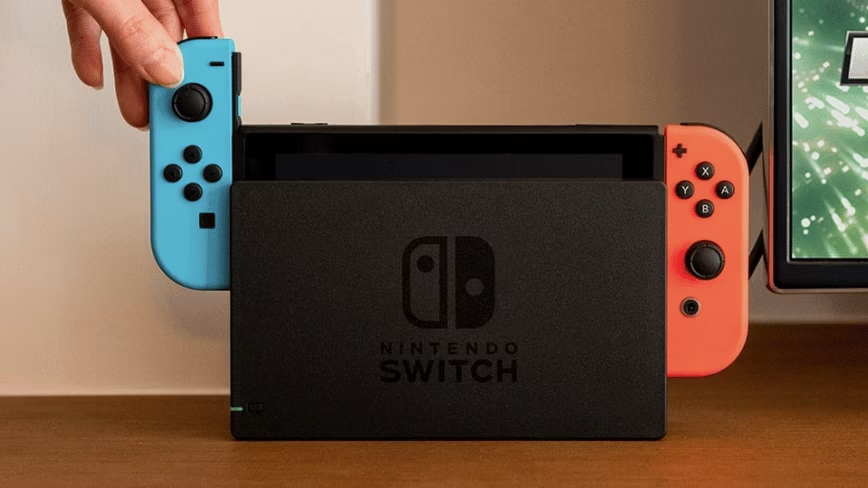
Nintendo is set to discontinue sales of all original Switch models – including the standard Switch, Switch Lite, and Switch OLED – across Europe by mid-February 2027. This pivotal decision, coming just weeks shy of the console's tenth anniversary, is driven not by the anticipated arrival of the Switch 2, but by a new European Union regulation that mandates user-replaceable batteries in portable electronic devices. The legislation, effective February 18, 2027, will also necessitate a minor redesign for the upcoming Switch 2 to comply with the new requirements.
EU Regulation Drives Strategic Shift
The impending EU regulation, officially set to take effect on February 18, 2027, is the unequivocal driver behind Nintendo's strategic shift, as initially reported by The Verge. This directive represents a significant push by the European Union towards greater sustainability and consumer rights, mandating that portable electronic devices sold within the bloc must feature batteries that users can easily replace themselves. This move is designed to extend device lifespans, reduce electronic waste, and empower consumers with greater control over their purchases.
To adhere to these new rigorous standards, Nintendo plans a phased approach. The company will cease sales of its current, non-compliant Switch models to retailers and directly through the Nintendo Store. Concurrently, it will introduce revised versions of the original Switch, Switch Lite, and Switch OLED, which will be equipped with user-replaceable batteries. These compliant models are expected to begin rolling out as early as this summer, with Nintendo reassuring consumers that there will be "no difference in functionality" in the updated hardware.
Impact on Switch 2 and Accessories
The upcoming next-generation console, tentatively known as the Switch 2, will not escape the regulatory mandate either. Even before its official launch, the new EU rules necessitate a design adjustment for Nintendo's successor system. As detailed by Engadget, a version of the Switch 2 featuring a user-replaceable battery is anticipated to reach store shelves in the autumn. This modification, while crucial for compliance, introduces minimal changes: the new battery will have a capacity of 5,172mAh, a marginal decrease from the original 5,220mAh (representing approximately a one percent reduction), and the console's weight will increase by about 10 grams. This ensures that even Nintendo’s newest hardware aligns with the EU’s forward-looking consumer protection and environmental policies.
The ripple effect of the regulation extends beyond the consoles themselves to a range of popular peripherals. Several key accessories are slated for permanent retirement from the European market without compliant successors. These include the original Switch Pro Controller, designed for enhanced gameplay, and the nostalgic Sega Mega Drive and SNES replica pads. Additionally, the Pokémon Go Plus+ accessory will also be discontinued. This highlights how deeply the new rules impact Nintendo’s entire product ecosystem in the region.
Broad Geographic Reach and Future Outlook
The comprehensive nature of the new regulation means it will be enforced across all 35 markets that fall under the jurisdiction of Nintendo of Europe. This vast geographical reach encompasses not only key Western European nations such as the United Kingdom and Germany but also extends to diverse territories including Saudi Arabia and South Africa. This broad application underscores the significant regional shift in Nintendo's operational and sales strategies.
While the immediate impact is confined to Europe, the broader implications for Nintendo's global strategy remain a subject of industry speculation. With the original Switch line nearing its tenth anniversary and the company focusing on the Switch 2, coupled with rising global manufacturing costs, Nintendo might find it strategically advantageous to discontinue production of the aging hardware worldwide. However, the original Switch continues to be a commercial powerhouse. It still enjoys robust support with fresh first-party game releases on the horizon, including titles like "Rhythm Heaven Groove" and "Tomodachi Life: Living the Dream," signifying that the console retains considerable life and a dedicated player base. This demonstrates Nintendo’s commitment to its existing user base even as it navigates evolving regulatory landscapes and prepares for its next hardware generation.
The EU's battery regulations were initially conceived as a measure primarily targeting portable devices like smartphones, aiming to foster a more repair-friendly and environmentally conscious consumer electronics market. Now, these rules will quietly draw a line under the availability of one of gaming's most iconic and best-selling consoles in its primary European market, illustrating how regulatory changes can profoundly reshape even deeply entrenched technological ecosystems.
FAQ
Q: Why is Nintendo stopping Switch sales in Europe?
A: Nintendo is discontinuing sales of the original Switch, Switch Lite, and Switch OLED in Europe from mid-February 2027 due to a new EU regulation. This rule mandates that portable devices sold in the bloc must feature user-replaceable batteries.
Q: Will the new Switch 2 console be affected by this regulation?
A: Yes, the upcoming Switch 2 will also be impacted. Nintendo is preparing a version with a user-replaceable battery, expected to be available in autumn, which will have a slightly smaller battery capacity and be marginally heavier due to the redesign.
Q: Are any accessories also being discontinued?
A: Yes, several accessories will be retired without compliant successors. These include the original Switch Pro Controller, the Sega Mega Drive and SNES pads, and the Pokémon Go Plus+ accessory.
Related articles

Apple Unveils iPhone Duo: Pricey Foldable Sees Soaring Demand
Apple has officially entered the foldable smartphone arena with the long-anticipated launch of the iPhone Duo. Priced starting at a hefty $1,999, the device features a 5.4-inch outer display and a larger 7.6-inch inner

in-depth: Chicago-Area Cops Helped HSI Spy on Minnesota Anti-ICE
Chicago-area law enforcement, including local police and HSI agents, conducted undercover surveillance on Minnesota anti-ICE activists at an April 2, 2022, talk in Chicago. This operation was part of a federal conspiracy probe into 15 Minnesota activists facing felony charges related to immigration enforcement resistance. Civil liberties advocates have condemned the surveillance as a troubling intrusion into protected political activity.

Mark Wahlberg on using AI in film ‘the right way’ and being open to
Actor Mark Wahlberg believes AI has a place in filmmaking if used responsibly for enhancement, not script generation or actor replacement. At TechCrunch Disrupt, he expressed openness to an AI likeness carrying on his legacy, managed by his family, and emphasized storytelling.

Tesla Unveils Thruster-Equipped Roadster, 2028 Production Targeted
Tesla has unveiled its second-generation Roadster, featuring cold-gas thrusters co-developed with SpaceX, enabling it to jump and flip. The electric sports car demonstrated 0-60mph in an astonishing 0.81 seconds, with production targeted for 2028. This highly anticipated reveal also serves as a key recruitment tool for Tesla's ambitious AI and robotics initiatives.
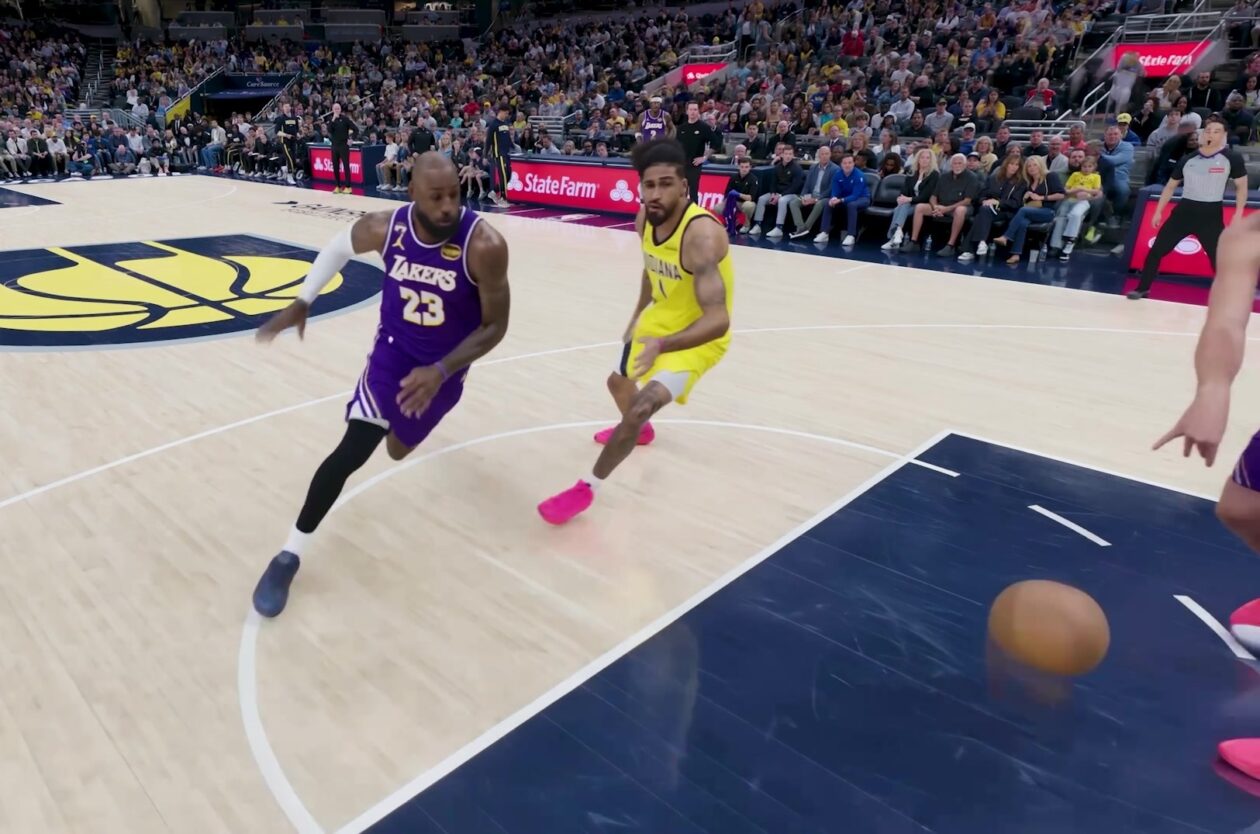
Amazon Prime Video Launches AI-Powered Prime 360 for NBA Coverage
Amazon Prime Video is elevating its NBA coverage with the introduction of Prime 360, an AI-powered replay system offering immersive, 'fly through' views of the action. Kicking off its second season, Prime Video also adds Yahoo fantasy integration and gains exclusive Eastern Conference Finals rights, expanding its tech-driven sports broadcast. The new features aim to deliver a unique and interactive viewing experience for basketball fans.

regional: A two-person Seattle startup lands $1M to reinvent
Seattle startup TriMagnetix has secured $1 million to develop semiconductor chips that consume 800 times less energy and are radiation-resistant. The two-person company, leveraging nanomagnetic technology, is targeting space applications and data centers. With new funding and key partnerships, TriMagnetix aims for commercial sales within a year.