
Nintendo's Digital Divide: Switch 2 Games Get Price Cut (Sort Of!)
Get ready, Nintendo fans! We've just received some seriously interesting news from the Big N regarding the future of game pricing on the Switch 2, and it’s a move that could shake up your buying habits. Starting in May
Get ready, Nintendo fans! We've just received some seriously interesting news from the Big N regarding the future of game pricing on the Switch 2, and it’s a move that could shake up your buying habits. Starting in May 2026, new Nintendo-exclusive titles for the Switch 2 in the US will see a distinct price difference between their digital and physical versions. And here’s the kicker: digital games are set to cost less than their boxed counterparts!
This isn't just a minor tweak; it's a strategic shift that Nintendo says "simply reflects the different costs associated with producing and distributing each format and offers players more choice in how they buy and play Nintendo games." For an enthusiast audience like us, this immediately sparks a ton of questions about what this means for our wallets, our collections, and the industry as a whole. Let's dive deep into the details and uncover the full story behind this significant announcement.
The Price is Right? Decoding Nintendo's New Strategy
The core of this announcement is simple yet impactful: from May 2026 onwards, brand-new Nintendo titles exclusive to the Switch 2 will have different Manufacturer's Suggested Retail Prices (MSRPs) depending on whether you pick up a digital download or a physical cartridge. While Nintendo clarified that retail partners ultimately "set their own prices for digital and physical games," the platform holder is setting a clear expectation: digital versions will have a lower MSRP than their physical equivalents.
It's important to stress that, according to Nintendo's statement to IGN, prices aren't actually going up across the board. Instead, the narrative here is that digital versions "will have an MSRP that is lower than their physical counterparts." This implies a strategic adjustment where the physical version might represent the 'standard' price point, and the digital version offers a slight discount. It’s a subtle but crucial distinction that changes how we might perceive this move – it's less about a price hike for physical games and more about a potential incentive for digital purchases.
Yoshi Leads the Charge: What This Means for Your Wallet
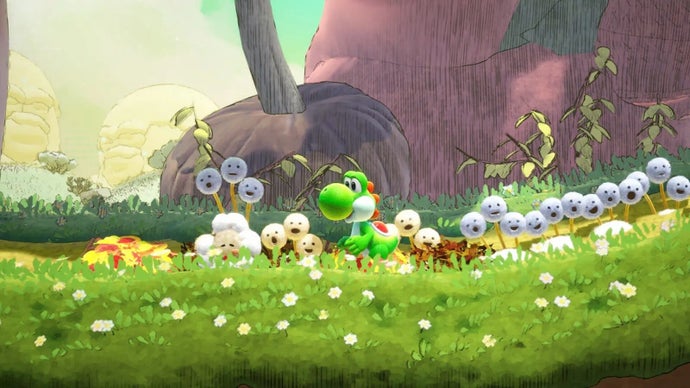
The first game set to demonstrate this new pricing model is none other than the charming "Yoshi and the Mysterious Book." Fans looking forward to Yoshi's latest adventure will find the digital version priced at $59.99, while the physical, boxed edition will retail for $69.99. That's a clear $10 difference right out of the gate, offering a tangible saving for those who prefer to go download-only.
Of course, not every game will be immediately affected. Titles already released prior to this May 2026 cutoff, such as the widely popular "Mario Kart World" and the action-packed "Donkey Kong Bananza," will retain their existing pricing structures. This change specifically targets new, exclusive Nintendo Switch 2 games launching from that date onward. So, while your current library is safe, future purchases will require a quick decision: convenience and savings, or the tactile joy of a physical cartridge and case?
Behind the Numbers: Navigating Economic Headwinds
While Nintendo frames this as a consumer choice and a reflection of production costs, it's impossible to ignore the broader economic context. The gaming giant has been grappling with significant production pressures for some time now, including escalating component costs and persistent US tariffs. These factors undoubtedly play a role in their strategic decisions.
In fact, before the Switch 2's June launch last year, Nintendo already announced an increase in accessory prices in the US, citing challenging market conditions. And it's not just accessories; Nintendo president Shuntaro Furukawa himself has openly discussed the possibility of future price increases for the console itself. He noted that an ongoing memory component shortage is putting "pressure on profitability" at a pace that has exceeded Nintendo's expectations. Furukawa has been careful to state that any decision to alter console pricing would be comprehensive, taking into account not just profitability, but also the platform's installed base, sales trends, and the overall market environment. This new pricing strategy for games feels like a direct response to these very pressures.
Shifting Gears in Production & Sales Figures
Adding another layer to this complex picture are recent reports suggesting that Nintendo has adjusted its Switch 2 production in the US following what Bloomberg described as "weak holiday sales." Initially, the platform holder reportedly aimed to produce six million hardware units for the current quarter but scaled that back to four million after console sales apparently fell short of internal expectations.
This comes despite the Switch 2 absolutely smashing US launch records last year, selling over 1.1 million units and dethroning the PlayStation 4's previous record, according to Circana data. It's a fascinating dichotomy: a record-breaking launch followed by production adjustments. Furukawa previously highlighted that hardware sales in Japan actually outpaced the rest of the market, particularly after the launch of a lower-priced domestic variant. This suggests a nuanced global market for the Switch 2, where regional strategies and pricing could be key to sustained success, making the US digital pricing shift all the more intriguing.
The Digital Divide: A Glimpse Into Gaming's Future
This move by Nintendo isn't just about a specific console or a few games; it’s a significant indicator of where the industry might be heading. As production and distribution costs for physical media continue to rise – from manufacturing cartridges and cases to shipping and retail shelf space – the inherent cost advantages of digital distribution become increasingly apparent. Other platforms have flirted with similar ideas, but Nintendo adopting this two-tiered pricing model for its first-party exclusives is a bold statement.
For us as gamers, this really does offer a genuine choice. Do you value the collectibility, resale potential, and tangible ownership of a physical cartridge, even if it means paying a bit more? Or do you prioritize immediate access, convenience, and a lower upfront cost that digital downloads provide? Nintendo is actively encouraging the latter through this pricing adjustment, potentially steering more players towards its eShop. It’s a fascinating evolution, and it will be compelling to see how this 'digital divide' impacts consumer behavior and the future of physical media on Nintendo platforms.
Conclusion: A Strategic Play for the Modern Gamer
Nintendo's decision to price digital Switch 2 games lower than their physical counterparts is a multi-faceted move. On one hand, it's a pragmatic response to the economic realities of rising production costs and market pressures. On the other, it's a clear embrace of digital convenience and an attempt to offer consumers more explicit choice, aligning with modern purchasing trends.
While the underlying financial pressures are evident, the end result for many gamers could be a welcome saving on their favorite new Nintendo titles. As we approach May 2026, the question for every Switch 2 owner will be clear: physical collection or digital convenience? Nintendo is betting that for many, the allure of a lower price will tip the scales towards the latter, shaping the future of how we experience their incredible games.
FAQ
Q: When do these price changes take effect?
A: The new pricing structure for digital vs. physical games will begin from May 2026 for new Nintendo titles exclusive to the Switch 2 in the US.
Q: Are existing Switch 2 games getting price changes?
A: No, titles released prior to this announcement, such as "Mario Kart World" and "Donkey Kong Bananza," will not be affected by these specific price adjustments.
Q: Why is Nintendo making digital games cheaper than physical ones?
A: Nintendo states this change "simply reflects the different costs associated with producing and distributing each format" and aims to offer players more choice in how they purchase and play their games.
Related articles

Apple Unveils iPhone Duo: Pricey Foldable Sees Soaring Demand
Apple has officially entered the foldable smartphone arena with the long-anticipated launch of the iPhone Duo. Priced starting at a hefty $1,999, the device features a 5.4-inch outer display and a larger 7.6-inch inner
TCG Pocket Responds: A Much-Needed Pace Shift for Pokémon Fans
Pokémon TCG Pocket is rolling out a major update for its second anniversary, primarily addressing player concerns about overwhelming content releases by shifting to a six-week set schedule. This aims to curb player decline and improve overall engagement by giving trainers more time to collect and strategize. The update also adds new collection methods, improved deck-building features, and enhanced trading functionality.

Apple iPhone Duo: A Daring Debut with Notable Compromises
Apple's highly anticipated iPhone Duo, priced at $2,000, has gone on pre-order. While hailed as "Apple's most exciting device in a decade" for its innovative foldable design and immersive display, it comes with significant drawbacks like the absence of FaceID and a premium camera.
Kojima Compares Divisive New Film 'Digger' to MGS2's Prescient Vision
Gaming icon Hideo Kojima has praised the divisive 2026 film *Digger*, drawing intriguing parallels to his own prophetic game, *Metal Gear Solid 2*. Both works, he explains, uniquely explore the dangers of misinformation and a fragmented digital reality, anxieties he shares with *Digger*'s director, Alejandro González Iñárritu.
Ubisoft Proposes German Studio Workforce Reduction Amidst
Ubisoft is planning a voluntary departure program for about 100 employees across its Düsseldorf, Berlin, and Mainz studios in Germany. This move is part of a larger, ongoing cost-reduction and restructuring effort by the publisher, aiming to better position its studios for future projects.
TGS 2026: These Forward-Looking Cosplays Are Already Living in the
Tokyo Game Show 2026 showcased incredible cosplay, with many fans embodying characters from unreleased games like *Blast Blade* and *Mononoke No Kuni*. This gallery highlights the community's foresight, alongside debut *Palworld* cosplay and refreshed takes on classics. It’s a testament to the passion that brings gaming's future to life.