
Navigating the FCC's Router Ban: What It Means for You
Understanding recent regulatory changes can feel overwhelming, especially when it concerns essential home technology like your internet router. The U.S. government, through the Federal Communications Commission (FCC),

Understanding recent regulatory changes can feel overwhelming, especially when it concerns essential home technology like your internet router. The U.S. government, through the Federal Communications Commission (FCC), has implemented a significant new regulation concerning consumer-grade routers. This guide will help you clearly understand what this ban entails, why it’s happening, and, most importantly, what it means for you and your home network.
By the end of this guide, you will have a clear grasp of the FCC's new router import ban, how it impacts your existing devices, and what considerations you should keep in mind for future router purchases or upgrades. You'll learn to confidently navigate this evolving landscape without unnecessary worry or confusion.
Understanding the FCC's Router Ban: The Essentials
To start, let's break down the core details of this new regulation. This isn't about targeting specific companies but rather the origin of manufacturing for new devices.
Step 1: Grasping the Core of the Ban
On Monday, March 24, 2026, the FCC officially added all consumer-grade routers produced outside the United States to its "Covered List." This list includes communications equipment deemed to pose an "unacceptable risk to the national security of the United States or the security and safety of United States persons." This action effectively bans the importation of these new routers into the U.S.
The FCC specifically referenced the exploitation of foreign-made routers in several cyberattacks, namely the Volt, Flax, and Salt Typhoon incidents, as key reasons for this regulatory move.
Step 2: What Exactly Does the Ban Cover?
This new order prohibits the import of "all consumer-grade routers produced in foreign countries." It's crucial to understand that this isn't a ban on a specific list of companies or devices, but rather a broad category based on manufacturing location. While there isn't a definitive list, estimates suggest that at least 60% of home routers sold in the U.S. currently originate from China. Very few consumer-grade routers are manufactured domestically, with Starlink's Wifi router being a notable exception.
Furthermore, the ban extends beyond devices directly made by foreign companies. It also covers routers that might be designed by U.S.-based companies but are manufactured overseas. This means the manufacturing location, not just the brand's headquarters, is the determining factor.
Step 3: What Isn't Affected by the Ban?
It's easy to assume the worst, but the FCC's action has distinct limitations, particularly regarding what you already own or what's currently available.
- Your Existing Router is Safe: The FCC's decision does not affect routers you currently own. If you have a foreign-made device, you can continue using it without any concerns or requirements to replace it. Your internet service will continue uninterrupted due to this ban.
- Current Retail Stock Remains Available: If you're currently planning to purchase a new router, there's no immediate urgency or rush. Retailers are still permitted to sell and import all routers that have previously received approval through the FCC's equipment authorization process. This means a wide array of foreign-made routers approved before the ban date will still be available for purchase until stock runs out.
Step 4: Preparing for Future Router Purchases and Upgrades
The real impact of this ban will be felt when you need to purchase a brand-new model that has just been released, or if you plan to upgrade to the latest technology from your preferred foreign manufacturer. Given that the ban covers the majority of companies that produce routers for U.S. consumers, your options for newly released devices from brands like TP-Link and Netgear will become more limited in the future.
However, there's a potential avenue for these manufacturers. The federal government may grant "conditional approval" to companies. To receive this, companies would need to provide detailed information about their operations, including corporate structure, manufacturing processes, and supply chains. Crucially, they would also need to present plans to either establish or expand their production capabilities within the United States. This conditional approval process is still developing, and its effectiveness or widespread adoption remains to be seen.
Step 5: How to Approach Your Next Router Choice
While the market is shifting, you don't need to panic. Here are some actionable tips:
- Evaluate Your Current Needs: Your existing router is likely perfectly functional. Don't feel pressured to upgrade unless your current device is truly failing or can't meet your internet demands.
- Don't Rush into Purchases: If you're in the market for a new router today, you still have access to a broad selection of FCC-approved devices. Take your time to research and choose a model that fits your needs and budget from the available stock.
- Stay Informed: Keep an eye on news from the FCC and technology outlets. The landscape around conditional approvals and potential U.S.-based manufacturing could evolve, introducing new options.
- Prioritize Security Features: Regardless of a router's origin, always prioritize models known for strong security protocols, frequent firmware updates, and robust privacy features. This is a best practice that transcends manufacturing bans.
- Look for Emerging Options: With fewer foreign-made options, domestic production or new market entrants might emerge. Be open to exploring different brands or models you might not have considered before.
This ban isn't the first time the U.S. government has taken steps to restrict devices from companies with foreign ties due to national security concerns. Past actions include proposed bans on certain TP-Link routers, as well as existing bans on Kaspersky Labs antivirus software and telecom equipment from Huawei and ZTE. The FCC has also recently banned foreign-made drones for similar security reasons.
By understanding these changes, you can make informed decisions about your home network and ensure your devices continue to meet your needs safely and effectively.
FAQ
Q: What exactly does the FCC router ban cover? A: The ban covers the importation of all new consumer-grade routers that are produced in foreign countries. This includes routers designed by U.S. companies if their manufacturing takes place overseas. It's a broad restriction based on the manufacturing location, rather than a specific list of companies or devices, though common foreign brands will be impacted for their new model releases.
Q: Does this ban mean I need to replace my current router? A: No, absolutely not. The FCC's action does not affect existing routers. If you already own a foreign-made router, you can continue to use it normally without any need for replacement or concern. The ban applies only to new imports.
Q: Will popular foreign brands like TP-Link or Netgear disappear from the market entirely? A: Not necessarily. Retailers can continue to sell their existing stock of routers that were approved by the FCC prior to the ban. However, for newly released models from these foreign manufacturers, they would need to obtain "conditional approval" from the FCC, which requires demonstrating plans to establish or expand U.S. production, among other details. So, while older models may be available for a time, new foreign-made models might become scarce without this approval.
Related articles
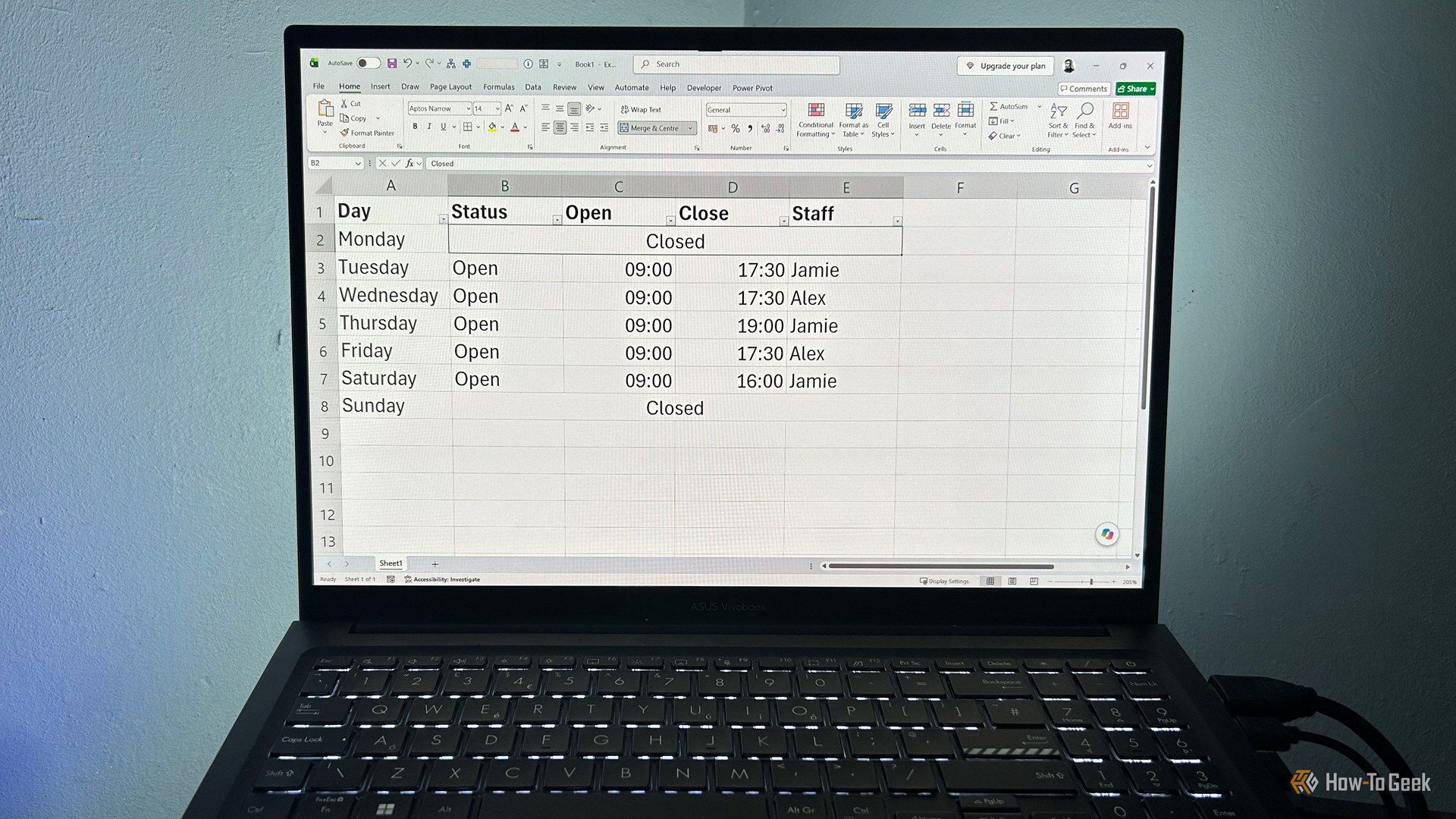
Ditch Merge & Center: The Better Way to Align Text in Excel
Learn to use Excel's "Center Across Selection" to align text across cells without merging, avoiding common data manipulation issues. This guide provides steps to utilize this newly accessible feature and add it to your Quick Access Toolbar.

Enterprise AI Beyond Chatbots: A Vision for Actionable Intelligence
Quick Verdict: Redefining Enterprise AI's Potential TechRadar Pro's opinion piece, "What it takes to move enterprise AI beyond the chatbot," delivers a refreshingly honest and vital perspective on the current state and

regional: ‘What is fusion?’ Helion Energy harnesses the power of
Helion Energy, the Everett-based fusion startup, gained mainstream attention this week after being featured as a clue on the popular game show "Jeopardy!". The $800 clue, part of a "Y Combinator" category, highlighted Helion's mission to build the first fusion power plant, bringing the concept of clean energy to a wider audience. CEO David Kirtley celebrated the "surreal" moment as a sign that reliable clean power is becoming more accessible.
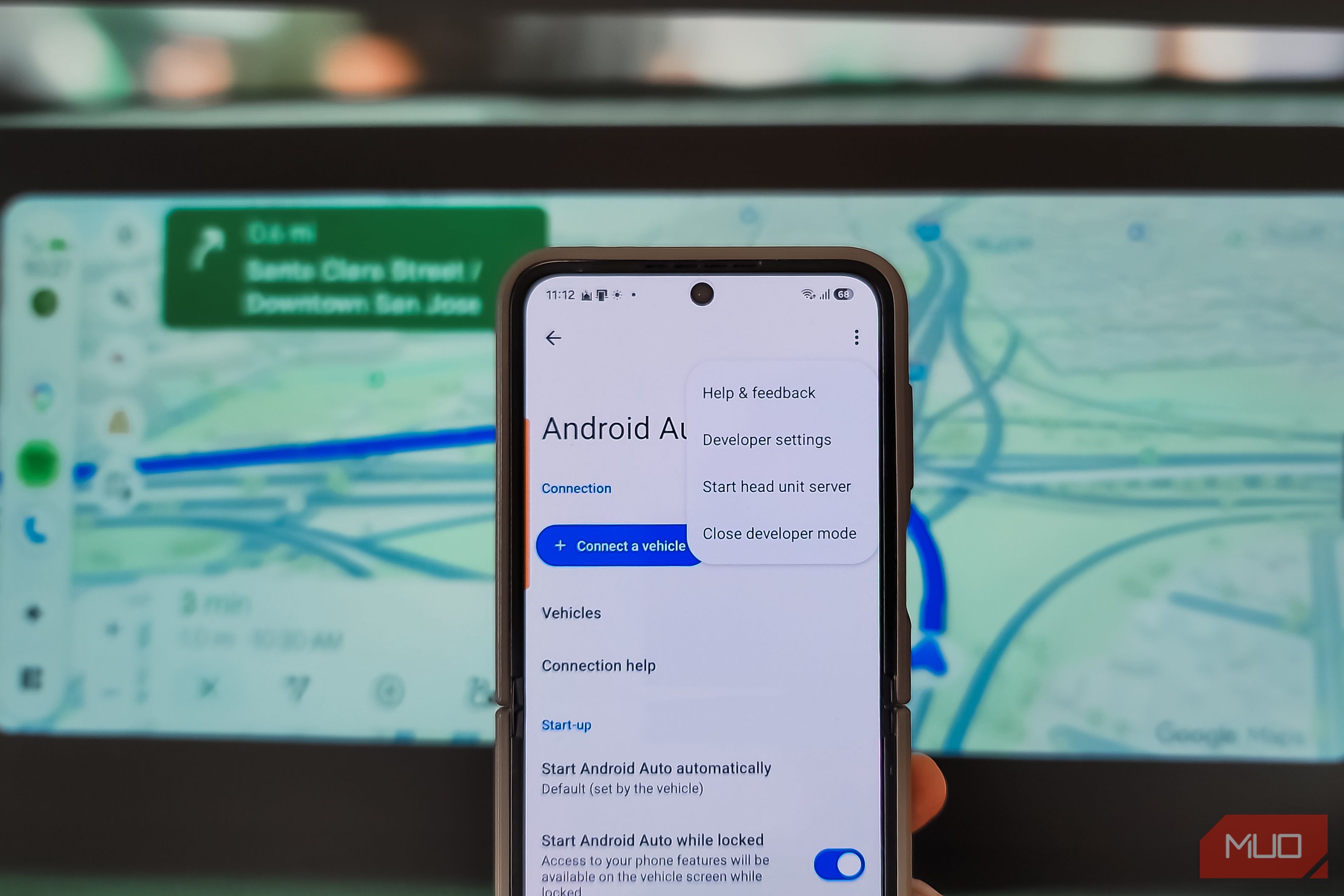
Stop Android Auto Battery Drain: Essential Features to Disable and
Android Auto offers unparalleled convenience, bringing your phone's most useful features directly to your car's display. From navigation and calls to messages and music, it keeps you connected without distracting you
Turn Your Android Phone into a Powerful Desktop Replacement
Learn how to transform your Android phone into a full-fledged desktop computer using external displays and accessories, providing a cost-effective and integrated alternative to new Googlebooks.
Android Auto 18 Beta: Glimpse into Google's Car Makeover
Verdict: A Sneak Peek at Tomorrow's Drive Android Auto 18.0 beta isn't the flashy, fully-realized redesign many might be hoping for, but it offers an invaluable look under the hood. What Google is signaling here,