
Nashville Data Center Dispute: A City Divided
Nashville finds itself at a critical juncture, wrestling with a contentious proposal for a data center adjacent to its beloved zoo, a dispute that has rapidly escalated into a broader debate about the future of tech
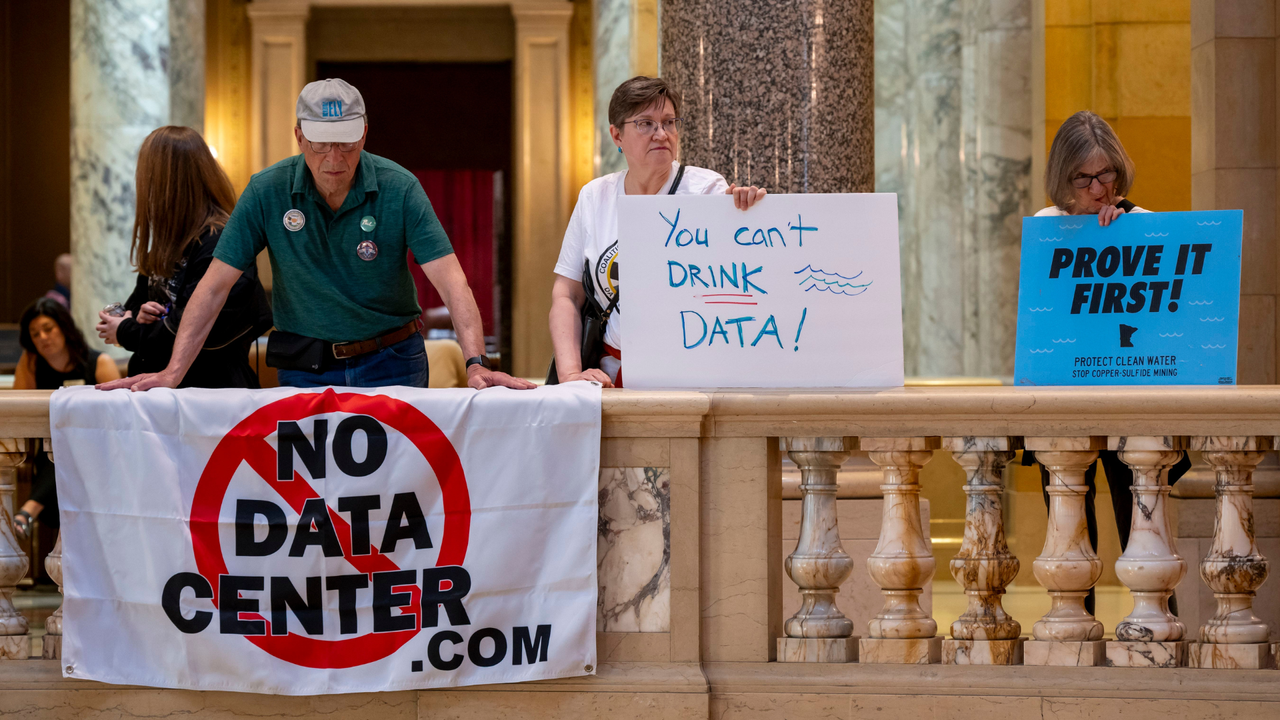
Nashville finds itself at a critical juncture, wrestling with a contentious proposal for a data center adjacent to its beloved zoo, a dispute that has rapidly escalated into a broader debate about the future of tech infrastructure within city limits. This isn't just a local zoning issue; it's a microcosm of a nationwide struggle, pitting technological expansion against environmental and community concerns. With celebrity involvement, a groundswell of public opposition, and the potential for groundbreaking legislation, Nashville is poised to set a significant precedent for how major U.S. cities manage the rapid growth of data centers.
The Heart of the Matter: DC BLOX vs. Nashville Zoo
At the core of the controversy is a proposed 69,220-square-foot data center by developer DC BLOX, slated for construction a mere 50 yards from the Nashville Zoo. This facility, projected to draw an estimated 50 MW from the local power grid, has become a flashpoint for environmental and community advocates. The Nashville Zoo has raised significant concerns, arguing that the inevitable noise and light pollution emanating from the data center could severely disturb vulnerable species, including the clouded leopards it is actively working to conserve. This concern for wildlife is not merely speculative; the zoo's land use attorney, Bill Herbert, a former Metro Codes Director, has formally filed a zoning appeal to overturn the permits previously approved for DC BLOX, underscoring the seriousness of their opposition.
DC BLOX, for its part, maintains that its project would not be an "AI factory placing a burden on local resources." A company spokesperson noted that the facility is planned for land that previously hosted a data center, suggesting a continuity of land use. Furthermore, the company asserts that the proposed site would utilize closed-loop or waterless cooling systems, addressing potential concerns about water consumption. However, the spokesperson could not specify the exact use of the new facility or confirm whether AI companies would be among its future customers, leaving some questions open regarding its ultimate impact and purpose.
A Citywide Response: Proposed Hyperscale Ban
The immediate dispute has catalyzed a much larger legislative effort. Metro Planning Commission is scheduled to hold a public hearing on new legislation, Bill BL2026-1391, which proposes sweeping changes to how data centers are regulated in Nashville. Filed by District 20 Councilmember Rollin Horton, this bill would establish Nashville’s first dedicated zoning rules for data centers, potentially setting some of the strictest siting regulations among major U.S. cities.
Key provisions of the proposed bill include:
- Outright Ban for Large Facilities: Data centers exceeding 500,000 square feet would be prohibited across Davidson County.
- Conditional Approval for Mid-Size Facilities: Those between 100,000 and 500,000 square feet would require Board of Zoning Appeals approval following a public hearing.
- Mandatory Closed-Loop Cooling: All data centers, regardless of size, would be required to implement closed-loop cooling systems that do not return water to the public supply.
- Buffer Zones: Smaller facilities would face significant buffer zone requirements: a half-mile distance from homes, schools, and zoos, and 100 to 500 feet from other sensitive areas like daycares, churches, parks, and even other data centers.
- Operational Restrictions: The bill reportedly seeks to restrict the use of backup generators to emergencies and testing only.
- Power Capacity Proof: Developers would be mandated to prove that Nashville Electric Service (NES) has sufficient capacity to support their facilities before receiving approval.
In parallel, state-level action has also emerged. Governor Bill Lee recently signed a separate state law last week, requiring data centers to cover the full cost of any grid infrastructure upgrades necessitated by their facilities. While the DC BLOX project itself falls well under the 500,000 square foot size that the city's bill seeks to ban, the half-mile buffer zone requirement from zoos would be a significant obstacle to its current location should the legislation pass.
Community & Celebrity Outcry
The opposition to the DC BLOX project has garnered widespread public attention and significant momentum. An online petition against the data center has already surpassed an impressive 331,000 signatures, indicating a substantial grassroots movement. Adding to the chorus of concern, Grammy-winning country music star Brad Paisley weighed in over the weekend, posting a video to Instagram where he described the proposed project as "an absolute nightmare scenario." This celebrity endorsement has undoubtedly amplified the visibility and urgency of the issue.
The public's sentiment in Nashville mirrors a broader national trend. A Gallup survey conducted last month revealed that a significant 70% of Americans oppose the construction of data centers near their homes, highlighting a widespread apprehension about these facilities. This opposition often stems from concerns about noise, visual impact, and resource consumption, particularly power and water.
The Broader Landscape: Nashville vs. Other Cities
Nashville's response to this data center dispute is indicative of a growing pattern of local opposition to new data center construction across the United States. Cities are increasingly grappling with how to balance economic development opportunities that data centers can bring with the environmental and community impacts. Seattle, for instance, is moving towards a different approach, set to pass a one-year moratorium on new AI data center construction. While a moratorium provides a temporary pause for cities to study and develop regulations, Nashville's proposed bill takes a more definitive and potentially permanent stance with outright bans and strict buffer zones.
If Councilmember Horton's bill is enacted, Nashville would distinguish itself with some of the most stringent siting rules for data centers among major U.S. cities. Notably, this comprehensive legislation is being developed in direct response to a facility – the DC BLOX project – that, by itself, is relatively small and perhaps insufficient for many of today's demanding AI workloads. This suggests that Nashville is looking beyond the immediate controversy to proactively shape its future urban and technological landscape.
Pros and Cons: Weighing the Impact
Pros of the Proposed Legislation and Opposition's Stance:
- Environmental Protection: The primary benefit is the potential safeguarding of vulnerable zoo species from noise and light pollution, aligning with broader conservation efforts.
- Community Well-being: Strict buffer zones could protect residential areas, schools, and other sensitive public spaces from the potential impacts of data center operations.
- Resource Management: Requirements for closed-loop cooling and proof of power capacity address concerns about water usage and strain on the local electrical grid, ensuring more sustainable development.
- Precedent Setting: Nashville could establish a new standard for responsible data center siting and regulation, encouraging other cities to adopt similar protective measures.
- Public Voice: The strong community and celebrity opposition demonstrate a responsive democratic process where citizen concerns are acknowledged and acted upon.
Cons of the Proposed Legislation and Opposition's Stance:
- Economic Impact: A sweeping ban on hyperscale data centers and stringent siting rules could potentially deter significant tech investment and job creation in Nashville's burgeoning tech sector.
- Industry Constraints: While aimed at environmental protection, overly restrictive regulations might make Nashville an unattractive location for future data center development, potentially pushing innovative tech companies elsewhere.
- Disproportionate Response: Some might argue that a broad ban is an overreaction to a specific, relatively small project, and that more nuanced, case-by-case regulations might be more appropriate.
- Legal Challenges: Such strict legislation could face legal challenges from developers or industry groups, leading to prolonged disputes.
Recommendation: Navigating Nashville's Tech Future
For consumers, residents, and stakeholders in Nashville, the ongoing data center dispute and the proposed legislative changes represent a critical moment of decision. The city is being forced to reconcile its aspirations for technological advancement with its commitment to environmental stewardship and community quality of life. The proactive stance of the Metro Council to introduce comprehensive zoning rules, rather than merely addressing the immediate project, is commendable for its foresight. However, striking the right balance will be key.
My recommendation is for Nashville to proceed with caution and deliberate consideration. While the proposed legislation introduces vital protections for sensitive areas and critical resources, it is important for city planners to also consider the long-term economic implications of such strict regulations. A robust framework that encourages sustainable and responsibly sited data centers, rather than an outright deterrent, could serve the city better in the long run. Engaging in continued dialogue with both environmental advocates and the tech industry will be crucial to developing rules that are both effective in protecting the city's unique character and conducive to smart growth. The path Nashville chooses will undoubtedly become a blueprint for other cities grappling with similar challenges.
FAQ
Q: What are the main concerns about the proposed DC BLOX data center near the Nashville Zoo?
A: The primary concerns revolve around the potential noise and light pollution from the 69,220-square-foot facility and its estimated 50 MW power draw. The Nashville Zoo specifically fears these disturbances could negatively impact vulnerable species, such as clouded leopards, that it is working to conserve.
Q: How would the proposed Nashville legislation (Bill BL2026-1391) impact future data center development?
A: The bill, if passed, would create Nashville's first zoning rules for data centers, including an outright ban on facilities over 500,000 square feet, requiring approval for mid-sized centers, implementing mandatory closed-loop cooling systems, and establishing significant buffer zones (e.g., half a mile from zoos, schools, and homes) to protect residential and natural areas.
Q: How does Nashville's approach compare to other cities addressing data center growth?
A: Nashville is considering a sweeping ban on hyperscale data centers and establishing some of the strictest siting rules in the U.S. This contrasts with cities like Seattle, which is exploring a one-year moratorium on new AI data center construction, providing a temporary pause rather than a permanent ban to develop regulations.
Related articles
Android 17 QPR2 Beta 7.1: The Performance Relief You've Been Waiting
Android 17 QPR2 Beta 7.1: Finally Fixing the QPR1 Performance Woes Verdict: Android 17 QPR2 Beta 7.1 is a crucial and highly anticipated software update for Google Pixel users, specifically targeting and resolving the

DJI Solo Video Setups: Smart Choices for Lone Creators
This review delves into DJI's recommended solo video setups, highlighting the Osmo Pocket 3 Creator Combo as a top pick for its integrated camera, gimbal, and mic. It also covers stabilizers like the Osmo Mobile 8 and RS 4, and the DJI Mic Mini series for enhanced audio, providing honest pros, cons, and clear buying advice.
Ditch Merge & Center: The Better Way to Align Text in Excel
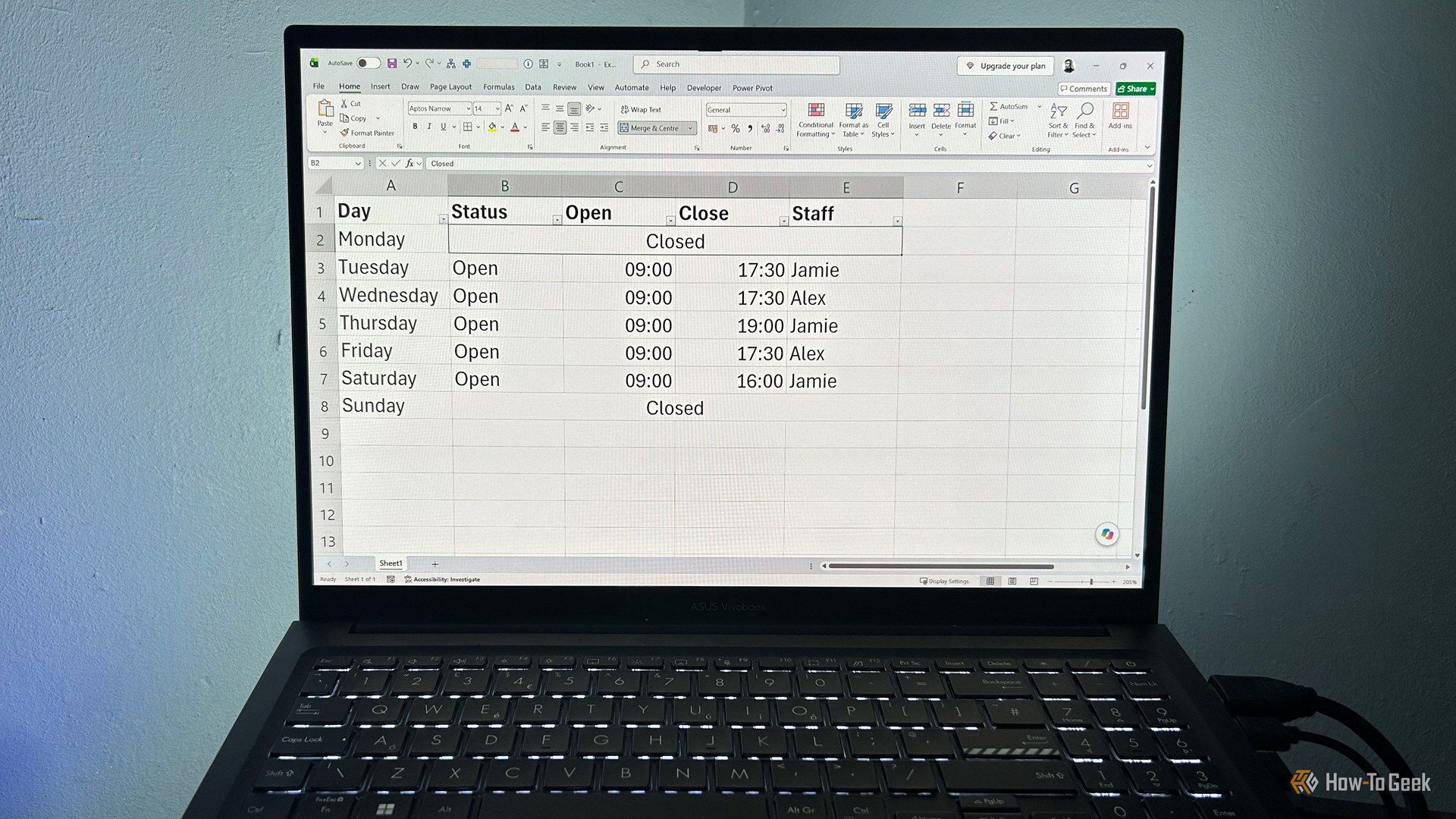
Learn to use Excel's "Center Across Selection" to align text across cells without merging, avoiding common data manipulation issues. This guide provides steps to utilize this newly accessible feature and add it to your Quick Access Toolbar.

Ars Technica's Rocket Report: Your Essential Space Industry Briefing
Quick Verdict Ars Technica's Rocket Report, presented by veteran space reporter Stephen Clark, offers an invaluable and meticulously organized weekly (or similar frequency, implied by "Edition 9.15") digest of the most

Apple iPhone Duo: A Daring Debut with Notable Compromises
Apple's highly anticipated iPhone Duo, priced at $2,000, has gone on pre-order. While hailed as "Apple's most exciting device in a decade" for its innovative foldable design and immersive display, it comes with significant drawbacks like the absence of FaceID and a premium camera.

AI's Confidence vs. Formal Methods' Rigor: Design Flaws & Verification
While AI accelerates code generation, formal methods remain critical for ensuring system correctness. Languages like TLA+ and tools like Quint enable developers to model and verify system designs before coding, catching subtle flaws. Quint makes formal methods more accessible with developer-friendly syntax and executability. This approach is vital for verifying AI-generated code through trace validation and model-based testing, ensuring reliability against real-world data.