
My Mii Island, My Tomodachi Life Korean Food Quest
Tomodachi Life: Living the Dream offers a surprising culinary journey with its abundant Korean food. This transforms the Mii simulator into a personal quest, engaging players despite picky Miis and rare dish hunts.
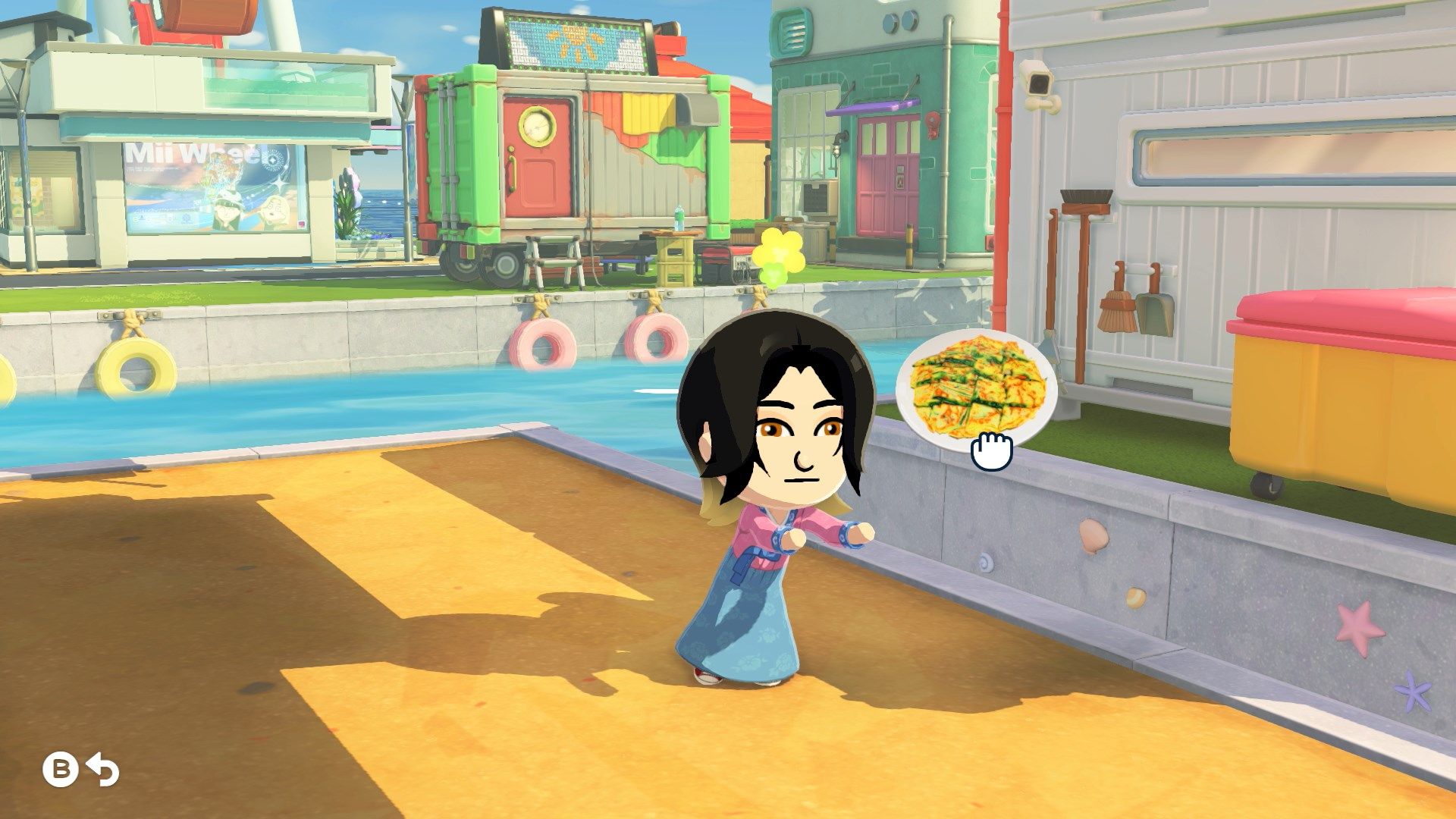
Tomodachi Life has always been a game of delightful absurdity, letting us manage the wacky lives of our Mii creations. But the latest iteration, Tomodachi Life: Living the Dream, has introduced a feature that has captured my heart (and stomach) in an unexpectedly profound way: an incredible array of Korean cuisine. As an avid gamer and food lover, I'm thrilled to dive into this culinary journey, even if it means confronting my own Mii's questionable taste.
From Regional Locks to Global Flavors
The original Nintendo 3DS version of Tomodachi Life, which I played more than a decade ago, had a unique approach to in-game food: it was largely region-locked. This meant that players in different parts of the world experienced local dishes relevant to their specific region. For example, the Korean version of the 3DS game naturally featured Korean dishes. However, with Living the Dream, that regional barrier has been broken, opening up a world of diverse global flavors to everyone, regardless of their game's origin. This is a game-changer for players like me, eager to explore new culinary horizons without needing a region-specific cartridge. It’s a welcome evolution for the series, making the Mii world feel much more interconnected and deliciously varied.
A Culinary Awakening: Discovering Tomodachi's Korean Pantry
Within mere days of starting my Living the Dream playthrough, a local shop on my island stocked buchimgae, a savory Korean pancake, filled with vegetables. My initial thought was a simple, "Whoa, Korean food! Neat!" Little did I know, this was just the tip of the iceberg. Soon after, yangnyeom chicken, a wonderfully sweet and spicy fried chicken dish (stylized as "yangnyeom chikin" in-game), made its appearance. The discoveries continued: sotteok sotteok, a delightful skewer combining rice cakes and sausages bathed in a sweet-spicy sauce; gim, the familiar dried, salted seaweed often known as nori; and even the hearty gamja-tang, a spicy pork bone soup. Each new culinary find prompted immediate shares with my group chat, feeling akin to a primordial discovery every single time. It's a genuinely exciting aspect of the game, turning routine shop visits into thrilling expeditions for flavor.
The Heartbreak of Mii Palates (and My Own)
Naturally, with such a bounty of Korean dishes, my priority became feeding them to my Miis – especially the Mii representation of myself. I eagerly offered her every Korean delicacy I found, anticipating her virtual delight. Yet, to my consistent disappointment, her reactions were often lukewarm, never quite hitting the mark of true appreciation. It’s a bit of a virtual heartbreak, honestly, to see her shrug off a meticulously prepared dish. Even more perplexing is that her current top-liked food is a tempura rice bowl, a dish I find perfectly acceptable but wouldn't necessarily seek out over other Japanese options, let alone my beloved Korean staples. None of the Korean dishes have managed to crack her top three preferences, leaving me baffled by her virtual taste buds and my own culinary expectations for my digital doppelganger.
The Great Korean Food Scavenger Hunt
This personal quest for my Mii to embrace Korean food has taken on a life of its own. I now consult online databases dedicated to Living the Dream's food items, frantically searching for what else I can get my hands on. Dishes like ganjang-gejang (raw crab marinated in soy sauce and garlic) or sangyeopsal (barbecued pork belly) are high on my wishlist, and I find myself frustrated when they haven't appeared on my island yet. I need to feed these to my Mii-self! However, in a somewhat cruel twist of the game's design, many of these foreign dishes are "half-locked." They aren't consistently available in the regular food store. Instead, they might pop up randomly in the daily marketplace or appear as rewards for helping Miis with their various problems. This adds an unexpected layer of rarity, transforming my casual playtime into a dedicated hunt, far more engaging than searching for shiny Pokémon. To complicate matters further, Tomodachi Life penalizes time travel. Attempting to manipulate the system by changing your console's clock results in shops failing to refresh, effectively thwarting any shortcuts to acquiring rare dishes faster. It's a genuine commitment!
More Than Just Meals: My Lasting Engagement
Despite the sometimes frustrating hunt for specific dishes, my daily check-ins on my island's residents continue over a month later. While my primary drive might be the hope of finding a new Korean dish (I'm still holding out for mul naengmyeon – cold buckwheat noodles in broth!), the ongoing Mii dramas provide plenty of entertainment. For instance, two of my real-life friends, who are happily married, consistently refuse to pair up in-game, instead falling head over heels for the iconic Tifa Lockhart from Final Fantasy VII – a choice I can surprisingly understand. This blend of personal culinary quests and unpredictable social simulations is precisely why Tomodachi Life: Living the Dream has captivated me in a way that even Animal Crossing: New Horizons hasn't. It's the unique combination of personal goals, quirky character interactions, and the thrill of the chase that keeps me coming back every single day, hungry for what's next.
A Spicy Verdict and My Ongoing Craving
Tomodachi Life: Living the Dream has carved out a special niche in my gaming routine, largely thanks to its delightful and surprising integration of Korean cuisine. While the game's mechanics sometimes make the pursuit of these dishes a challenging endeavor, and my own Mii’s bland preferences occasionally test my patience, the overall experience is one of pure, unadulterated joy. It's a testament to the game's charm that a simple food mechanic can become such a powerful driver for daily engagement, eclipsing even some bigger titles. The hunt continues, my virtual stomach rumbles, and my island remains a vibrant, ever-surprising home for Miis and tantalizing Korean flavors. I’m eager to see what culinary delights the next day will bring.
FAQ
Q: Is Tomodachi Life: Living the Dream available on the Nintendo 3DS?
A: No, Living the Dream is the newer iteration of the game. The predecessor, Tomodachi Life, was released on the Nintendo 3DS over a decade ago, featuring region-specific foods.
Q: How do I get foreign dishes like Korean food in Living the Dream?
A: Many foreign dishes are "half-locked." They don't regularly appear in the main food store. Instead, you'll need to look for them in the daily marketplace or earn them as rewards for helping Miis solve their problems.
Q: Can I time travel to get new food items faster?
A: Unfortunately, no. Tomodachi Life: Living the Dream punishes time travel. If you alter your console's clock, your in-game shops will not refresh, preventing you from acquiring new items more quickly.
Related articles

TCG Pocket Responds: A Much-Needed Pace Shift for Pokémon Fans
Pokémon TCG Pocket is rolling out a major update for its second anniversary, primarily addressing player concerns about overwhelming content releases by shifting to a six-week set schedule. This aims to curb player decline and improve overall engagement by giving trainers more time to collect and strategize. The update also adds new collection methods, improved deck-building features, and enhanced trading functionality.

Kojima Compares Divisive New Film 'Digger' to MGS2's Prescient Vision
Gaming icon Hideo Kojima has praised the divisive 2026 film *Digger*, drawing intriguing parallels to his own prophetic game, *Metal Gear Solid 2*. Both works, he explains, uniquely explore the dangers of misinformation and a fragmented digital reality, anxieties he shares with *Digger*'s director, Alejandro González Iñárritu.

Ubisoft Proposes German Studio Workforce Reduction Amidst
Ubisoft is planning a voluntary departure program for about 100 employees across its Düsseldorf, Berlin, and Mainz studios in Germany. This move is part of a larger, ongoing cost-reduction and restructuring effort by the publisher, aiming to better position its studios for future projects.

TGS 2026: These Forward-Looking Cosplays Are Already Living in the
Tokyo Game Show 2026 showcased incredible cosplay, with many fans embodying characters from unreleased games like *Blast Blade* and *Mononoke No Kuni*. This gallery highlights the community's foresight, alongside debut *Palworld* cosplay and refreshed takes on classics. It’s a testament to the passion that brings gaming's future to life.

Beyond the Bugs: Conquering Studio Headaches in Indie Dev
This guide, part three in a series on running an indie studio, tackles the crucial but often overlooked aspect of dealing with non-development related issues. It introduces creating a shared 'studio backlog' for collective problems and using the IDS (Identify, Discuss, Solve) framework to address them constructively. The core message is to build powerful habits that keep studios from getting quietly derailed by lingering challenges.

VisionQuest Cameo Insight: A Pragmatic Look at MCU TV Realities
VisionQuest Cameo Insight: A Pragmatic Look at MCU TV Realities Verdict: The news surrounding VisionQuest's initial creative discussions offers valuable, albeit potentially disappointing, insight into the realities of