
Musk mulled handing OpenAI to his children, Altman testifies: latest
OpenAI CEO Sam Altman testified this morning that Elon Musk once suggested passing control of a hypothetical for-profit OpenAI to his children. The dramatic revelation came during Altman's defense against Musk's lawsuit

OpenAI CEO Sam Altman testified this morning that Elon Musk once suggested passing control of a hypothetical for-profit OpenAI to his children. The dramatic revelation came during Altman's defense against Musk's lawsuit challenging the AI giant's corporate structure, highlighting long-standing clashes over control, safety, and the company's foundational mission.
Altman took the stand to address Musk's allegations that OpenAI's founders "stole a charity" by establishing a for-profit entity alongside its non-profit foundation. Altman countered, stating that the organization had created "one of the largest charities in the world," now boasting approximately $200 billion in assets, and dismissed Musk's framing as difficult to comprehend.
The testimony shed light on a pivotal period in 2017 when OpenAI's founders were grappling with how to secure the immense funding needed to develop advanced AI models. It was during these intense discussions that Musk's "specific plans on safety made me worry," according to Altman.
A 'Hair-Raising Moment' Over Control
Altman recounted a "particularly hair-raising moment" when the debate turned to the contingency of Musk's death while in control of a potential OpenAI for-profit. In Altman's telling, Musk proposed, "Maybe OpenAI should pass to my children." This suggestion deeply troubled Altman, as OpenAI's core ethos was to prevent advanced AI from being concentrated in the hands of a single individual.
Altman, drawing on his experience from Y Combinator, noted that founders who gain control rarely relinquish it. This focus on individual control from Musk conflicted directly with the collaborative and distributed governance principles OpenAI aimed to uphold from its inception.
Beyond control, Altman also criticized Musk's management approach, suggesting it was ill-suited for a research environment. "I don't think Mr. Musk understood how to run a good research lab," Altman stated, describing how Musk had "demotivated some of our most key researchers."
Clash Over Research Culture
Altman cited an instance where Musk allegedly required co-founders Greg Brockman and Ilya Sutskever to compile a list of researchers, rank their accomplishments, and then "take a chainsaw through a bunch." Altman testified that this directive inflicted significant and lasting damage to the organization's culture. He positioned himself as defending the "sweat equity" of Brockman and Sutskever, who were effectively managing OpenAI's operations while both Musk and Altman held other commitments.
The unresolved clash ultimately led to Musk's departure from OpenAI's board. Following his exit, Musk embarked on his own AI initiatives, including projects within Tesla and the launch of his AI startup, xAI. Despite the professional split, Altman maintained contact with Musk, providing updates on OpenAI's progress and even seeking his funding and advice, a detail OpenAI's lawyers highlighted to underscore Musk's prior engagement with the investments he now disputes.
OpenAI's legal team pointed out that Musk had been consistently informed and invited to participate in the very investments that form the basis of his current lawsuit, alleging they corrupted the non-profit's mission. Altman even characterized one discussion about a 2018 Microsoft investment as a "good vibes meeting," a rare occurrence in interactions with Musk, who reportedly spent a "long conversation showing us memes on his phone."
OpenAI's Financial Evolution
The court also heard testimony from OpenAI board chair Bret Taylor, who addressed the foundation's lack of full-time employees until earlier this year. Taylor explained that this was due to the significant challenge of converting OpenAI's equity to cash, a process that was only accomplished through the organization's most recent restructuring in 2025. This timeline helps contextualize the financial evolution of the foundation as its assets grew to substantial levels.
Altman's testimony paints a vivid picture of the early days of OpenAI, marked by intense debate over its future, safety protocols, and governance. The legal battle continues to expose the intricate dynamics between its visionary founders, particularly the stark differences in philosophy between Altman's collaborative vision and Musk's desire for centralized control.
FAQ
Q: What is Elon Musk's central allegation against OpenAI?
A: Musk alleges that OpenAI's founders "stole a charity" when they created a for-profit subsidiary to market AI products, claiming this diverged from the original non-profit mission and commitment to safety.
Q: What was the "hair-raising moment" Altman described in court?
A: Altman testified that during a discussion about control and safety in 2017, Elon Musk suggested that if he were to die while controlling a hypothetical for-profit OpenAI, the company "should pass to my children."
Q: How did Altman describe Musk's management style at OpenAI?
A: Altman stated that Musk's management tactics were not suited for a research lab, alleging that he demotivated key researchers and once demanded a "chainsaw" approach to ranking and cutting staff, which caused significant damage to the organization's culture.
Related articles

Apple Unveils iPhone Duo: Pricey Foldable Sees Soaring Demand
Apple has officially entered the foldable smartphone arena with the long-anticipated launch of the iPhone Duo. Priced starting at a hefty $1,999, the device features a 5.4-inch outer display and a larger 7.6-inch inner

in-depth: Chicago-Area Cops Helped HSI Spy on Minnesota Anti-ICE
Chicago-area law enforcement, including local police and HSI agents, conducted undercover surveillance on Minnesota anti-ICE activists at an April 2, 2022, talk in Chicago. This operation was part of a federal conspiracy probe into 15 Minnesota activists facing felony charges related to immigration enforcement resistance. Civil liberties advocates have condemned the surveillance as a troubling intrusion into protected political activity.

Mark Wahlberg on using AI in film ‘the right way’ and being open to
Actor Mark Wahlberg believes AI has a place in filmmaking if used responsibly for enhancement, not script generation or actor replacement. At TechCrunch Disrupt, he expressed openness to an AI likeness carrying on his legacy, managed by his family, and emphasized storytelling.
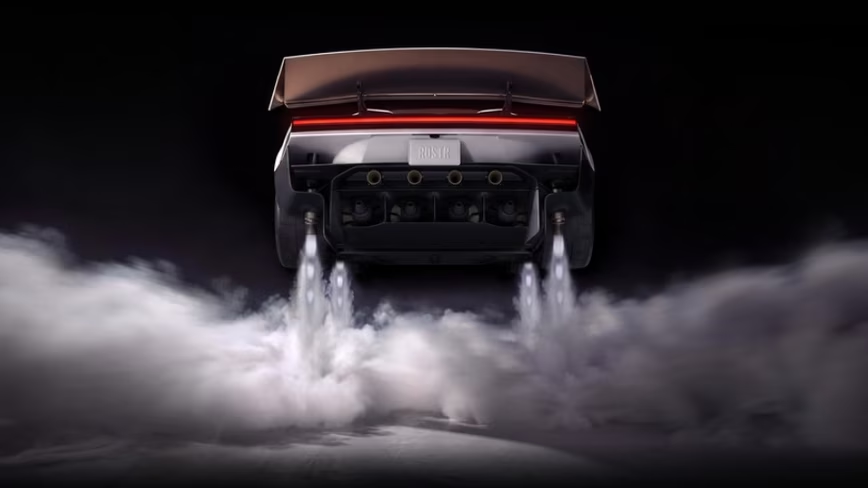
Tesla Unveils Thruster-Equipped Roadster, 2028 Production Targeted
Tesla has unveiled its second-generation Roadster, featuring cold-gas thrusters co-developed with SpaceX, enabling it to jump and flip. The electric sports car demonstrated 0-60mph in an astonishing 0.81 seconds, with production targeted for 2028. This highly anticipated reveal also serves as a key recruitment tool for Tesla's ambitious AI and robotics initiatives.

AI's Confidence vs. Formal Methods' Rigor: Design Flaws & Verification
While AI accelerates code generation, formal methods remain critical for ensuring system correctness. Languages like TLA+ and tools like Quint enable developers to model and verify system designs before coding, catching subtle flaws. Quint makes formal methods more accessible with developer-friendly syntax and executability. This approach is vital for verifying AI-generated code through trace validation and model-based testing, ensuring reliability against real-world data.
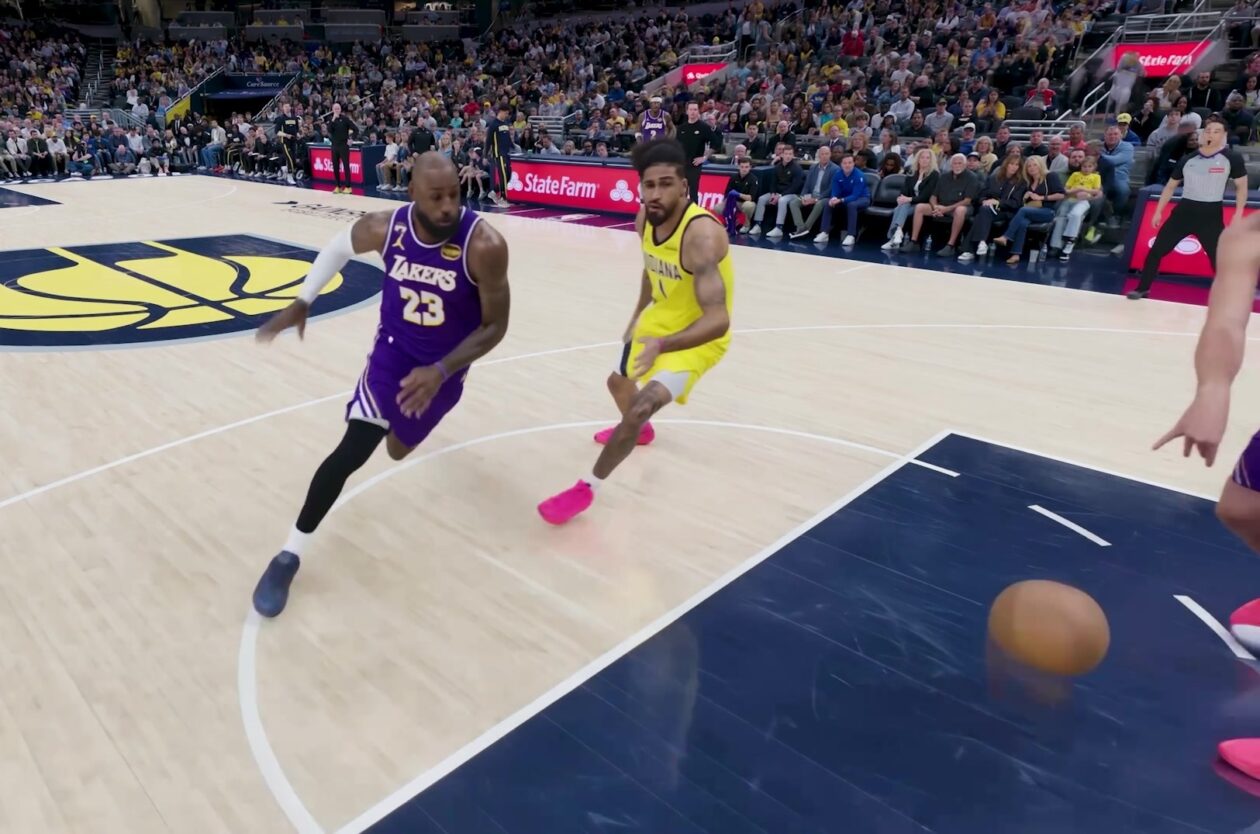
Amazon Prime Video Launches AI-Powered Prime 360 for NBA Coverage
Amazon Prime Video is elevating its NBA coverage with the introduction of Prime 360, an AI-powered replay system offering immersive, 'fly through' views of the action. Kicking off its second season, Prime Video also adds Yahoo fantasy integration and gains exclusive Eastern Conference Finals rights, expanding its tech-driven sports broadcast. The new features aim to deliver a unique and interactive viewing experience for basketball fans.