
mobile: Samsung’s ‘Wide’ Galaxy Z Fold might include a clever way to
Samsung's next Galaxy Z Fold may include a "Foreign Material Detection" feature. It would alert users if the foldable isn't fully closed, aiming to prevent screen damage and enhance durability.
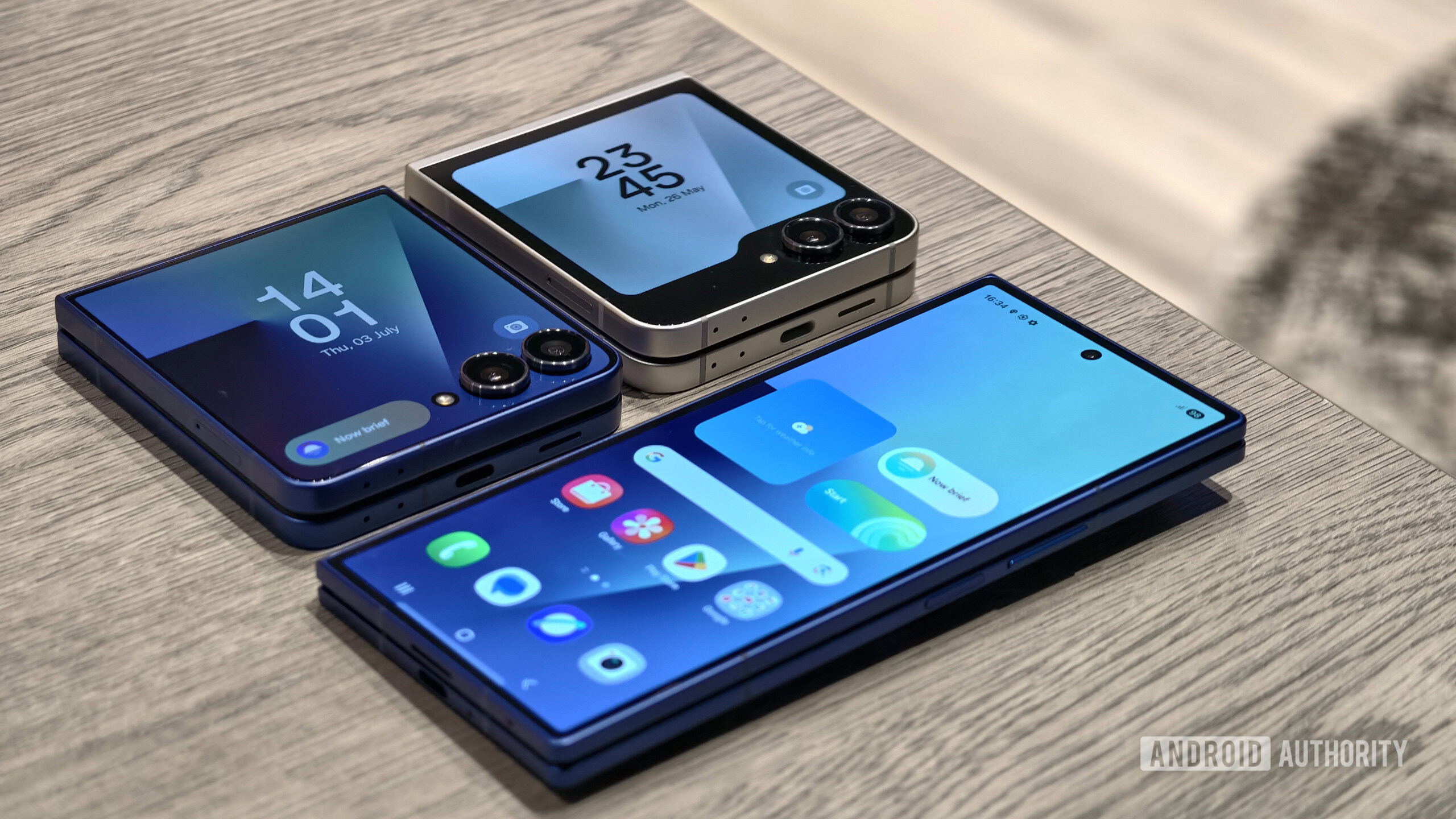
Samsung’s ‘Wide’ Galaxy Z Fold might include a clever way to save your screen from damage
Key takeaways
- Upcoming foldable devices, potentially including Samsung's Galaxy Z Fold series, could feature a new "Foreign Material Detection" system.
- This innovative feature is designed to alert users when an obstruction prevents their foldable device from fully closing.
- The primary objective of such a system is to mitigate the risk of damage to the sensitive internal display of foldable phones.
- By providing timely notifications, the technology aims to enhance device durability and user peace of mind.
What happened
According to a report by Android Authority, a significant enhancement for future foldable smartphones is on the horizon. The report indicates the potential introduction of a new "Foreign Material Detection" feature. This system is poised to play a crucial role in the preservation of foldable devices by actively monitoring their closure mechanism. Should an impediment be present, the technology is designed to notify the user, ensuring the device does not inadvertently incur damage.
The development underscores an industry focus on addressing the unique structural vulnerabilities inherent in the foldable form factor. While specific device models are not detailed in the source information, the context from the article title suggests this innovation could be relevant to forthcoming iterations of devices like Samsung’s ‘Wide’ Galaxy Z Fold.
Why it matters
The advent of foldable smartphones introduced a novel form factor but also new considerations regarding device durability. Unlike traditional slate phones, foldable devices possess a dynamic hinge mechanism and a flexible internal display, both of which are susceptible to damage from foreign objects. Even minuscule particles like dust, lint, or small debris, if caught between the two halves of the screen when closing, can exert significant pressure on the display or hinge structure.
A "Foreign Material Detection" feature directly addresses this vulnerability. By preemptively notifying users that their foldable isn't fully closed due to an obstruction, it offers a crucial layer of protection. This proactive alert system could prevent costly screen repairs, extend the lifespan of the device, and foster greater confidence among consumers in the long-term reliability of foldable technology. For a high-value device like a Galaxy Z Fold, protecting the core flexible display is paramount for the user experience and device longevity.
Key details / context
The core of this reported innovation lies in its ability to detect when a foldable smartphone "isn't fully closed." This implies a mechanism capable of sensing physical gaps or pressure points that would indicate the presence of an unwanted object. The precise technology behind this detection—whether it relies on sensors embedded in the display, the hinge, or other parts of the device—is not elaborated upon in the provided source information.
Similarly, the nature of the "notification" to the user remains unspecified. It could manifest as a visual alert on the screen, a haptic vibration, an audible chime, or a combination thereof. The objective, however, is clear: to draw the user's attention to a potential issue before the device is forced shut, which could otherwise lead to irreparable damage to the delicate folding screen or hinge components. This feature positions itself as a smart guardian for foldable phone owners.
What happens next
As of now, the "Foreign Material Detection" feature is described as a potential upcoming addition, indicating it may still be in development or under consideration for future foldable smartphone releases. The exact timeline for its integration into commercial products, such as upcoming models of the Samsung Galaxy Z Fold, remains undisclosed. Further details regarding its technical implementation, user interface integration, and specific device compatibility would typically emerge closer to a product's official launch.
Should this feature be implemented, it would represent a meaningful advancement in the intelligent design of foldable devices. It signals a move towards more resilient and user-friendly foldable technology, potentially setting a new standard for device protection in this evolving smartphone category. Consumers interested in the next generation of foldable phones will likely watch for official announcements detailing this and similar protective innovations.
Related articles

Apple Unveils iPhone Duo: Pricey Foldable Sees Soaring Demand
Apple has officially entered the foldable smartphone arena with the long-anticipated launch of the iPhone Duo. Priced starting at a hefty $1,999, the device features a 5.4-inch outer display and a larger 7.6-inch inner

DJI Solo Video Setups: Smart Choices for Lone Creators
This review delves into DJI's recommended solo video setups, highlighting the Osmo Pocket 3 Creator Combo as a top pick for its integrated camera, gimbal, and mic. It also covers stabilizers like the Osmo Mobile 8 and RS 4, and the DJI Mic Mini series for enhanced audio, providing honest pros, cons, and clear buying advice.

Apple iPhone Duo: A Daring Debut with Notable Compromises
Apple's highly anticipated iPhone Duo, priced at $2,000, has gone on pre-order. While hailed as "Apple's most exciting device in a decade" for its innovative foldable design and immersive display, it comes with significant drawbacks like the absence of FaceID and a premium camera.
Galaxy Watch One UI 9 Beta: Promising Progress, But Patience Needed
Galaxy Watch 8, Watch Ultra, and Watch 7 are receiving a new One UI 9 Watch beta build with bug fixes and a security patch. Active development signals progress, but a stable release date remains elusive.
regional: ‘What is fusion?’ Helion Energy harnesses the power of
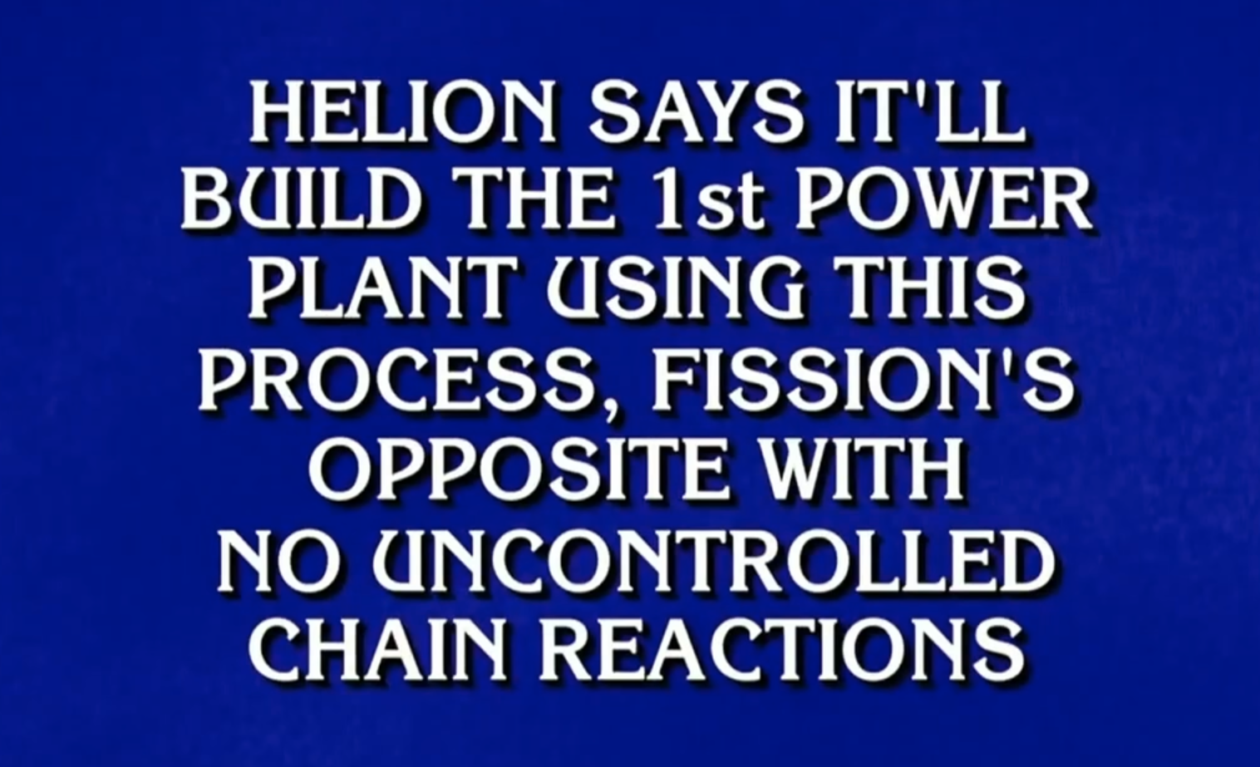
Helion Energy, the Everett-based fusion startup, gained mainstream attention this week after being featured as a clue on the popular game show "Jeopardy!". The $800 clue, part of a "Y Combinator" category, highlighted Helion's mission to build the first fusion power plant, bringing the concept of clean energy to a wider audience. CEO David Kirtley celebrated the "surreal" moment as a sign that reliable clean power is becoming more accessible.
Android Auto 18 Beta: Glimpse into Google's Car Makeover
Verdict: A Sneak Peek at Tomorrow's Drive Android Auto 18.0 beta isn't the flashy, fully-realized redesign many might be hoping for, but it offers an invaluable look under the hood. What Google is signaling here,