
Meta Quest 3 Battery Goes BOOM! Maine Homeowners Get a VR Reality
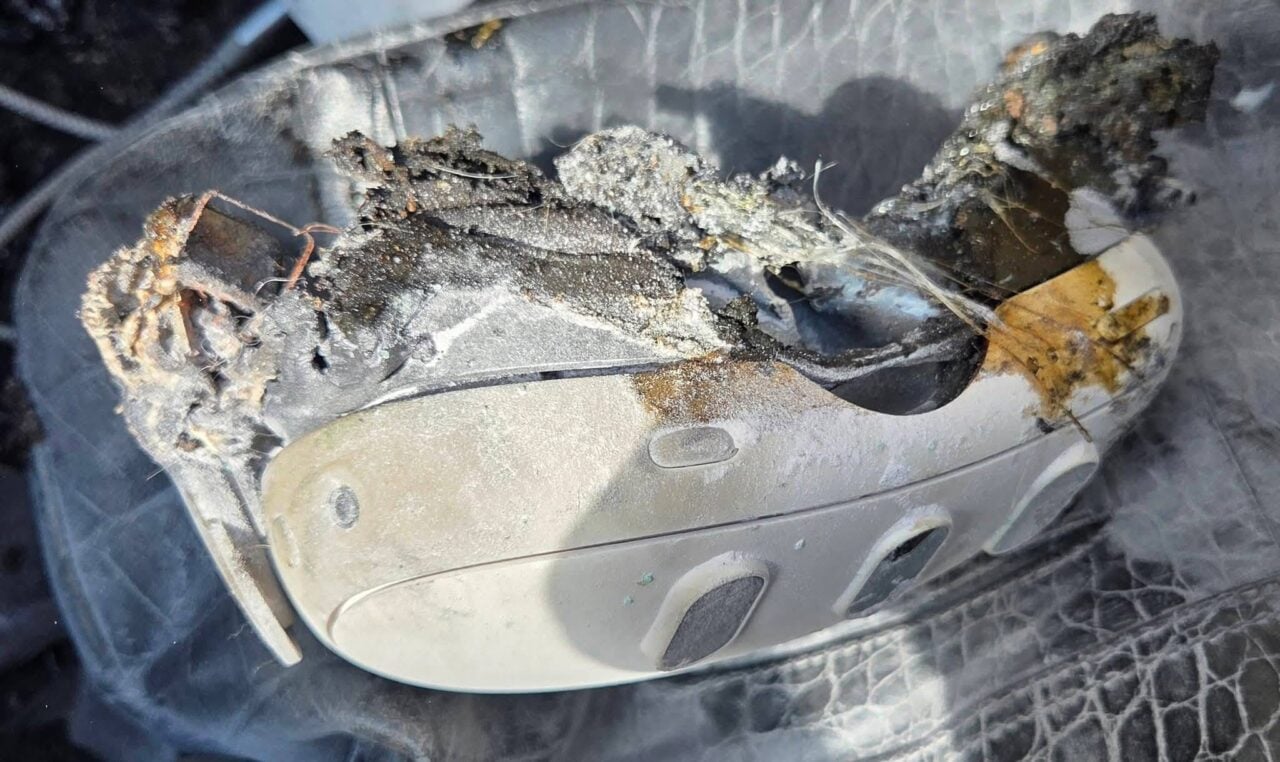
A Meta Quest 3 external battery explosion in a Maine home caused a small fire, with security footage capturing the aftermath including panicked dogs and flaming debris. Thankfully, no one was directly injured, but the incident highlights the inherent dangers of rechargeable batteries in consumer electronics. The Frankfort fire department is investigating and warns VR owners.
Meta Quest 3 Battery Goes BOOM! Maine Homeowners Get a VR Reality Check
Virtual reality promises immersion like no other, but usually, that means digital dragons, not actual fireballs. Gamers everywhere are buzzing about an incident in Frankfort, Maine, where a Meta Quest 3 external battery is suspected of causing a minor explosion and fire in a residential home. While thankfully no one was directly injured, the event serves as a stark reminder that even our favorite tech toys carry inherent risks, especially when it comes to unattended rechargeable batteries. Get ready for a story that proves VR can be too real.
When Reality Bites: An Unexpected Blast from the Metaverse
On June 11th, a typical day in Frankfort, Maine, took an unexpected turn for one resident. While enjoying the outdoors, a sudden, alarming noise echoed from inside their home. What they discovered, and what subsequent security footage revealed, was a scene straight out of a bizarre action game—only this was terrifyingly real. The culprit? An external battery, reportedly for a Meta Quest 3, left charging innocently on a nightstand. This wasn't a glitch in the Matrix; it was a physical manifestation of a serious, albeit rare, hardware malfunction. The Frankfort fire department has since issued a warning to “VR Goggles” owners, urging vigilance with their devices. It's a sobering thought: the very tech designed to transport us to fantastical worlds can, in rare instances, bring a little too much drama into our own.
The Evidence Unfolds: Dogs, Debris, and a Flaming Headset
The footage provided to local authorities paints a vivid, albeit indirect, picture of the incident. Security cameras on the home’s main floor captured red flashes of light originating from the bedroom above, followed by a distinct “pop.” The most heart-wrenching part? Four adorable, concerned dogs sprinted downstairs, clearly spooked, casting anxious glances back towards the source of the commotion. Moments later, a small fireball, described as a flaming chunk of Meta Quest debris, rolled down the stairs, sending the canine companions scattering even further. While the actual explosion wasn’t caught head-on, the Frankfort Volunteer Fire Department shared these clips to emphasize the potent danger these devices can unleash. They highlighted the sheer force involved, noting that the nightstand was about 14 feet from the stairs, which themselves were around 15 feet long, giving a chilling perspective on how far the flaming shrapnel traveled. It’s a stark visual reminder that consumer electronics, despite their convenience, demand respect.
Unpacking the Fiery Aftermath
Beyond the immediate shock, the incident left a tangible impact. The “small fire” indicates damage, and the extent of the debris scatter points to a significant energy release. While the exact battery type (internal vs. external, official vs. third-party) wasn't explicitly detailed for the explosion itself in the source, the mention of an “external battery charging on their nightstand” strongly implies it was a separate power pack designed to extend the Quest 3's playtime. This is a common accessory for VR enthusiasts, given the battery life limitations of many headsets. The incident underscores that while gaming offers an escape, the hardware powering that escape is firmly rooted in the physical world, subject to its laws and hazards. For many, the idea of their expensive, beloved VR hardware erupting in flames is almost unthinkable, making this event particularly unsettling for the enthusiast community.
The Hidden Dangers of Modern Power: Beyond VR
While a Meta Quest 3 battery explosion might sound like something out of a sci-fi thriller, the underlying issue—rechargeable battery fires—is a well-documented concern across various tech sectors. Our source reminds us that this isn’t an isolated phenomenon to VR. Valve, for instance, has explicitly cautioned Steam Deck modders about the inherent dangers of tampering with their handheld’s battery. Remember the PlayStation Portable? Many older units are now suffering from “hunchbacks” due to swollen batteries, a precursor to more severe failures. Even beyond personal electronics, the issue scales up dramatically: electric vehicles face growing concerns over vicious electrical fires, sometimes coupled with door glitches that can, horrifyingly, turn Teslas into “kill boxes.” These examples paint a broader picture: lithium-ion batteries, while powerful and essential for modern tech, require careful handling, proper charging, and an awareness of their potential risks.
What’s Next for the Investigation?
At present, the Meta Quest explosion remains actively under investigation. Local news outlets confirm that authorities are not only looking into the precise cause of the battery’s failure but also meticulously examining the home for any potentially harmful fumes resulting from the incident. Battery fires, particularly those involving lithium-ion cells, can release a variety of toxic gases, making a thorough inspection crucial for the residents’ long-term health and safety. This ongoing inquiry is vital, not just for the affected homeowner, but for the wider community of VR users. Understanding the specific circumstances and potential manufacturing or user errors could lead to important safety advisories or even hardware revisions down the line. For now, it’s a waiting game as experts piece together the puzzle of this very unwelcome “mixed reality” experience.
Keep Your Virtual World Safe: A Call for Caution
This incident is a sobering reminder that while we chase pixels and virtual horizons, real-world safety should always come first. Manufacturers often include warnings in their manuals about using official charging equipment, avoiding physical damage to batteries, and not leaving devices unattended while charging. It's easy to dismiss these as boilerplate, but events like the one in Maine highlight their critical importance. Whether it's your Quest 3, Steam Deck, or even your phone, treating rechargeable batteries with respect—and opting for official, reliable charging solutions—is paramount. The virtual world offers endless possibilities for adventure and escape, but let's make sure our real homes remain safe havens, free from unplanned pyrotechnics. Stay sharp, gamers, and keep those power packs in check!
FAQ
Q: Was anyone injured in the Meta Quest 3 battery explosion?
A: Thankfully, the source reports that there were no direct injuries to the resident or pets involved in the incident.
Q: What is believed to have caused the explosion?
A: The Frankfort fire department suspects an external battery, left charging on a nightstand, for a Meta Quest 3 headset, caused the explosion and subsequent small fire. The exact cause is still under investigation.
Q: Does this mean all Meta Quest 3 headsets or VR devices are dangerous?
A: While rechargeable batteries are a known fire hazard across various consumer electronics, explosions like this are uncommon. This incident serves as a reminder to be cautious with all rechargeable batteries, ensuring proper charging and avoiding unattended devices.
Related articles

The Party's Back! Tales from '85 Unleashes Season 2 on Netflix
Stranger Things: Tales from '85, the animated spin-off, returns to Netflix on September 17th with 10 new episodes. Set between seasons 2 and 3 of the original live-action series, Season 2 sees The Party facing ghostly apparitions and strange creatures around Valentine's Day. While it received mixed reactions initially, it retains the 80s vibe and core characters.

Blood of The Dawnwalker’s True Foes Lurk in the Wilds
_Blood of The Dawnwalker_ from Rebel Wolves is an RPG that unexpectedly challenges players with fierce wildlife, drawing comparisons to _Dragon Age: Inquisition_'s early zones. Its unique directional combat system, while engaging, can lead to players being overwhelmed by animal ambushes. Despite the high difficulty, these encounters add a fun, dynamic layer to the game.

Nscale Adds Former OpenAI Exec Fidji Simo to Board Ahead of IPO
Nscale, the U.K.-based AI data center startup, has appointed former OpenAI, Meta, and Instacart executive Fidji Simo to its board of directors. This high-profile addition comes as Nscale prepares for a potential IPO this fall, leveraging Simo's extensive experience in scaling major tech platforms and guiding a company through a successful public offering.

Unions Level Up: How Collective Power is Reshaping Game Dev
The gaming industry is seeing a massive shift as unionization rises globally, securing vital worker protections, better pay, and AI safeguards. This collective movement is empowering developers and fundamentally changing workplace dynamics. It's a win for workers, and ultimately, for the games we play.

Apple AirPods 5 Now Available for Preorder
Apple's AirPods 5 are now available for preorder, with an official launch date of September 18th. The new standard $129 model features active noise cancellation, a premium feature previously exclusive to higher-end AirPods. An upgraded $149 model offers wireless charging, longer battery life, and touch controls.
Pixel Connectivity: Battery Drain, Not Data Speed, Is the Real
Google's Pixel series has consistently offered a compelling Android experience, often earning a spot on recommendation lists for its clean software and camera prowess. However, a recurring shadow has loomed over the