
Meta Outage Analysis: Unpacking the Global Disruption
The digital world paused on a recent Friday morning as Meta's core platforms – Facebook, Instagram, Messenger, and WhatsApp – experienced a significant, widespread outage. As an experienced tech reviewer, this wasn't a

The digital world paused on a recent Friday morning as Meta's core platforms – Facebook, Instagram, Messenger, and WhatsApp – experienced a significant, widespread outage. As an experienced tech reviewer, this wasn't a product launch to celebrate, but a critical service disruption demanding a detailed, honest analysis. What went wrong, what was the impact, and what can users learn from such events?
The Quick Verdict
The Meta outage was a stark reminder of our collective reliance on these pervasive platforms. While service eventually resumed, the disruption highlighted vulnerabilities in highly centralized digital infrastructure and Meta's initial lack of transparent communication. Users faced widespread access issues, from login failures to completely unresponsive apps, underscoring the immediate need for reliable alternative communication channels and vigilance against opportunistic scammers.
The Scope of the Disruption
Reports of problems began flooding in around 10:15 am ET. It wasn't just one service, but a systemic issue affecting Facebook, Instagram, Facebook Messenger, and WhatsApp. This widespread impact, cutting across Meta's major consumer-facing apps, suggested a deep-seated problem within their shared infrastructure rather than an isolated glitch.
User experiences were varied but uniformly frustrating. Many reported being unable to log in, while others faced endless loading screens, blank pages, or error messages. Messenger users noted messages were slow to send and receive, barely functional. On Instagram, the app simply wouldn't load for some. The sheer volume of reports on platforms like Downdetector (which registered over 80,000 complaints for Facebook alone) painted a clear picture of a global incident, not just a regional hiccup.
Unpacking Potential Causes
At the time of ZDNET's reporting, Meta had not publicly explained the cause of the disruption. However, for platforms of this magnitude, outages typically stem from a few common culprits:
- Infrastructure Issues: Problems with Meta's vast server farms, networking equipment, or data centers could cripple services. This often points to a fundamental technical failure.
- Cloud Provider Problems: If Meta relies on external cloud providers for certain services, an issue on the provider's end could propagate.
- Botched Software Updates: A poorly deployed software update can inadvertently introduce bugs that bring down critical systems.
- Technical Failures: General hardware malfunctions or cascading system errors can lead to widespread downtime.
- Cyberattacks: While less common for such broad, simultaneous outages without immediate claims, a sophisticated cyberattack could potentially cause such disruption. The ZDNET article explicitly stated there was no evidence of a security issue, which is a crucial distinction.
Without Meta's official statement, the exact cause remained speculative. However, the multi-service impact strongly suggested an issue at a foundational level of Meta's operations.
Was it a Security Issue?
A critical question during any major tech disruption is whether user data is at risk. ZDNET's analysis, based on information available during the outage, confirmed there was no evidence that the Friday morning outage was tied to a security incident or cyberattack. This distinction is vital for user peace of mind. However, the article correctly warned that such outages can create fertile ground for scammers. Users were advised to be highly skeptical of any messages, emails, or posts promising to restore access and to always go directly to official app channels or websites.
The User Experience: A Test of Digital Dependence
The most significant aspect of this outage was the immediate and widespread impact on users. For many, Meta's platforms are not just social networks but essential tools for communication, business, and news. The disruption meant:
- Communication Breakdown: Friends and family unable to connect, groups unable to coordinate.
- Business Interruption: Small businesses relying on Facebook or Instagram for sales and marketing faced immediate financial losses.
- Information Silo: Many users turn to these platforms for news and updates, which were inaccessible.
This event served as a stark reminder of how deeply integrated these services are into daily life and how vulnerable that integration makes us when they fail. The varied symptoms – from login failures to slow messaging – indicated a service struggling to maintain basic functionality, leading to collective frustration and a scramble for alternative communication methods, often turning to X (formerly Twitter) to confirm the outage.
The Upsides and Downsides of a Digital Blackout
Pros (Lessons & Resilience)
- Prompt Reporting: Services like Downdetector and ZDNET quickly provided information, allowing users to confirm the outage and understand the scope, preventing individual panic and unnecessary troubleshooting.
- Community Support: Users quickly flocked to alternative platforms (like X) to share information and commiserate, creating a temporary digital support network.
- Digital Detox (Forced): For some, the outage offered an unexpected break from constant digital engagement, though this was rarely welcomed by those relying on the platforms for essential tasks.
Cons (Vulnerabilities & Failures)
- Widespread Critical Service Failure: The simultaneous collapse of multiple major platforms underscored a single point of failure within Meta's infrastructure, raising concerns about resilience.
- Lack of Immediate Official Communication: Meta's initial silence left users in the dark, fueling speculation and frustration. Clear, timely updates are crucial during such events.
- Economic Impact: Businesses heavily reliant on Meta's advertising and e-commerce tools faced immediate financial repercussions.
- Scam Opportunities: Outages create a vacuum of information that malicious actors can exploit, posing risks to unsuspecting users.
My Recommendation
While we can't 'buy' or 'recommend' an outage, we can adapt our digital habits. My advice to consumers is clear: diversify your digital life. Do not rely solely on one platform for critical communication or business. Have backup communication methods (email, SMS, other messaging apps, or even phone calls) readily available for important contacts. Be skeptical of unsolicited messages during an outage, and always verify information through trusted news sources or official company channels if they are still accessible.
For Meta, this incident serves as another critical test of their infrastructure and communication strategy during a crisis. Users expect and deserve reliability, and when that fails, transparency becomes paramount.
FAQ
Q: What should I do if my Meta apps are down? A: First, check reliable third-party status sites like Downdetector or trusted news outlets like ZDNET to confirm if it's a widespread outage. Avoid uninstalling and reinstalling apps, changing passwords, or clicking suspicious links, as these are unlikely to fix a widespread issue and could expose you to scams.
Q: How can I protect myself from scams during an outage? A: Be extremely cautious of any messages, emails, or social media posts that claim to offer a 'fix' for the outage, promise to restore your account, or ask for your login credentials. Always go directly to official app stores to update apps, and never share personal information or click on links from unverified sources, especially during a service disruption.
Q: Why do such widespread outages happen to major tech companies? A: Large-scale outages can result from a complex array of issues, including software bugs, hardware failures, networking problems, misconfigurations during updates, or even environmental factors affecting data centers. Due to the interconnected nature of modern digital infrastructure, a problem in one critical component can cascade and affect multiple services simultaneously.
Related articles
Android 17 QPR2 Beta 7.1: The Performance Relief You've Been Waiting
Android 17 QPR2 Beta 7.1: Finally Fixing the QPR1 Performance Woes Verdict: Android 17 QPR2 Beta 7.1 is a crucial and highly anticipated software update for Google Pixel users, specifically targeting and resolving the

DJI Solo Video Setups: Smart Choices for Lone Creators
This review delves into DJI's recommended solo video setups, highlighting the Osmo Pocket 3 Creator Combo as a top pick for its integrated camera, gimbal, and mic. It also covers stabilizers like the Osmo Mobile 8 and RS 4, and the DJI Mic Mini series for enhanced audio, providing honest pros, cons, and clear buying advice.
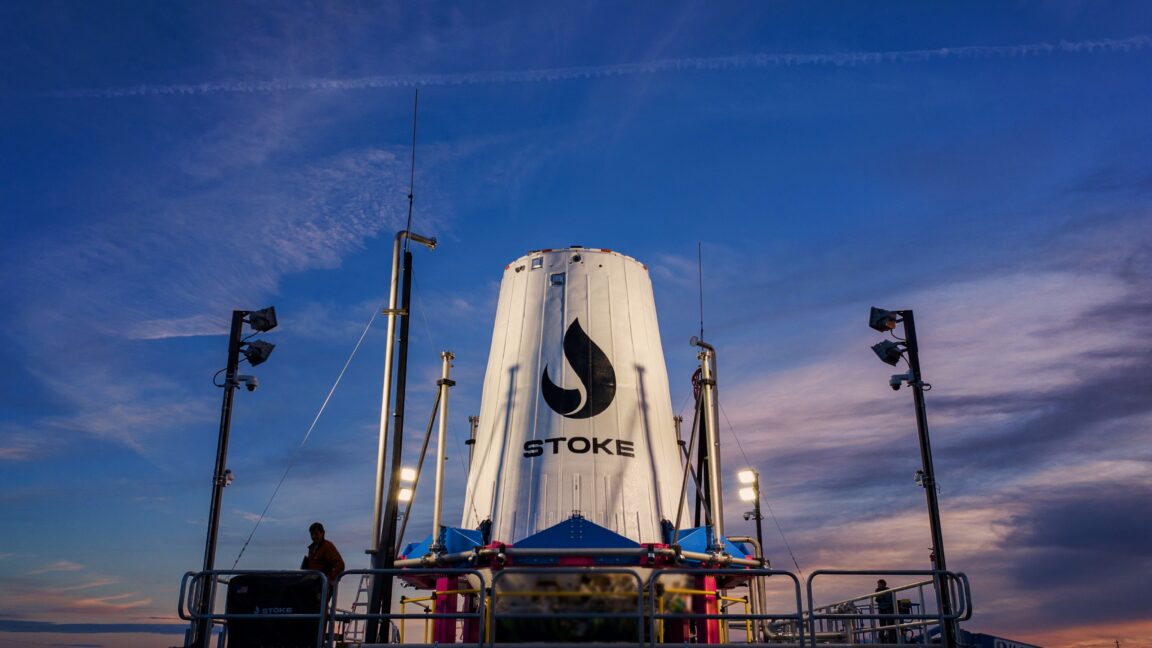
Ars Technica's Rocket Report: Your Essential Space Industry Briefing
Quick Verdict Ars Technica's Rocket Report, presented by veteran space reporter Stephen Clark, offers an invaluable and meticulously organized weekly (or similar frequency, implied by "Edition 9.15") digest of the most

Apple iPhone Duo: A Daring Debut with Notable Compromises
Apple's highly anticipated iPhone Duo, priced at $2,000, has gone on pre-order. While hailed as "Apple's most exciting device in a decade" for its innovative foldable design and immersive display, it comes with significant drawbacks like the absence of FaceID and a premium camera.
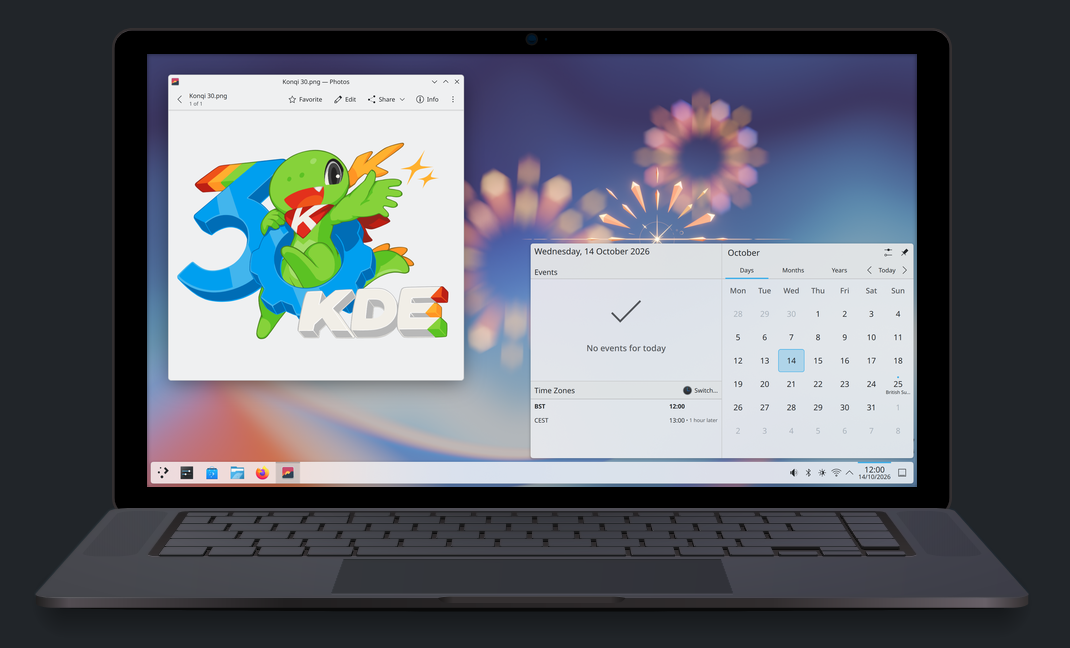
KDE Plasma 6.8: A Future-Focused 30th Anniversary Update
Quick Verdict KDE Plasma 6.8, arriving as the "30th Anniversary Edition," is a pivotal release that decisively pushes the desktop environment into the future. With a definitive farewell to native X11 sessions and a

Kojima Compares Divisive New Film 'Digger' to MGS2's Prescient Vision
Gaming icon Hideo Kojima has praised the divisive 2026 film *Digger*, drawing intriguing parallels to his own prophetic game, *Metal Gear Solid 2*. Both works, he explains, uniquely explore the dangers of misinformation and a fragmented digital reality, anxieties he shares with *Digger*'s director, Alejandro González Iñárritu.