
Memory Foam Ear Tips: An Affordable Upgrade for Your Earbuds
Quick Verdict If you're looking to elevate your earbud listening experience without breaking the bank, memory foam ear tips are a highly recommended, affordable upgrade. They dramatically improve comfort, provide a more
Quick Verdict
If you're looking to elevate your earbud listening experience without breaking the bank, memory foam ear tips are a highly recommended, affordable upgrade. They dramatically improve comfort, provide a more secure fit, and enhance sound quality – particularly bass response and noise isolation – by creating a superior seal compared to most stock silicone tips. Be prepared for a shorter lifespan and a bit more maintenance, but the sonic and comfort benefits are well worth the minor trade-offs.
The Common Earbud Conundrum
Since Apple's pivotal decision in 2016 to remove the 3.5mm headphone jack, truly wireless earbuds have exploded in popularity. Today, the market is saturated with high-quality options, many boasting advanced features like active noise cancellation (ANC), lossless audio support, and customizable EQ settings. With technology evening out across brands, the core deciding factors often boil down to comfort and seamless integration within a user's existing tech ecosystem.
However, a persistent issue for many users lies not with the earbuds themselves, but with the ear tips. Most earbuds arrive with standard silicone tips, which are inexpensive to produce and designed for broad compatibility, usually in a few varying sizes. The problem is that human ears are incredibly diverse – so unique, in fact, that a study involving over 1,400 individuals identified the ear as a reliable biometric identifier. This means that a 'one-size-fits-most' approach often falls short.
A poor fit from silicone ear tips isn't just a matter of discomfort; it directly compromises audio performance. Unlike over-ear headphones that create a wide seal, earbuds rely entirely on the ear tips to establish an acoustic seal within the ear canal. When this seal is insufficient, sound can escape, and external noise can intrude. The audible consequences are significant: diminished bass response and reduced effectiveness of any built-in noise cancellation.
The Memory Foam Solution
Enter memory foam ear tips – a simple yet profoundly effective solution to these common earbud woes. If you're familiar with memory foam mattresses or shoe insoles, you'll understand the core principle. Unlike static silicone tips, memory foam tips conform and expand to the unique contours of your ear canal, creating a much more complete and personalized seal.
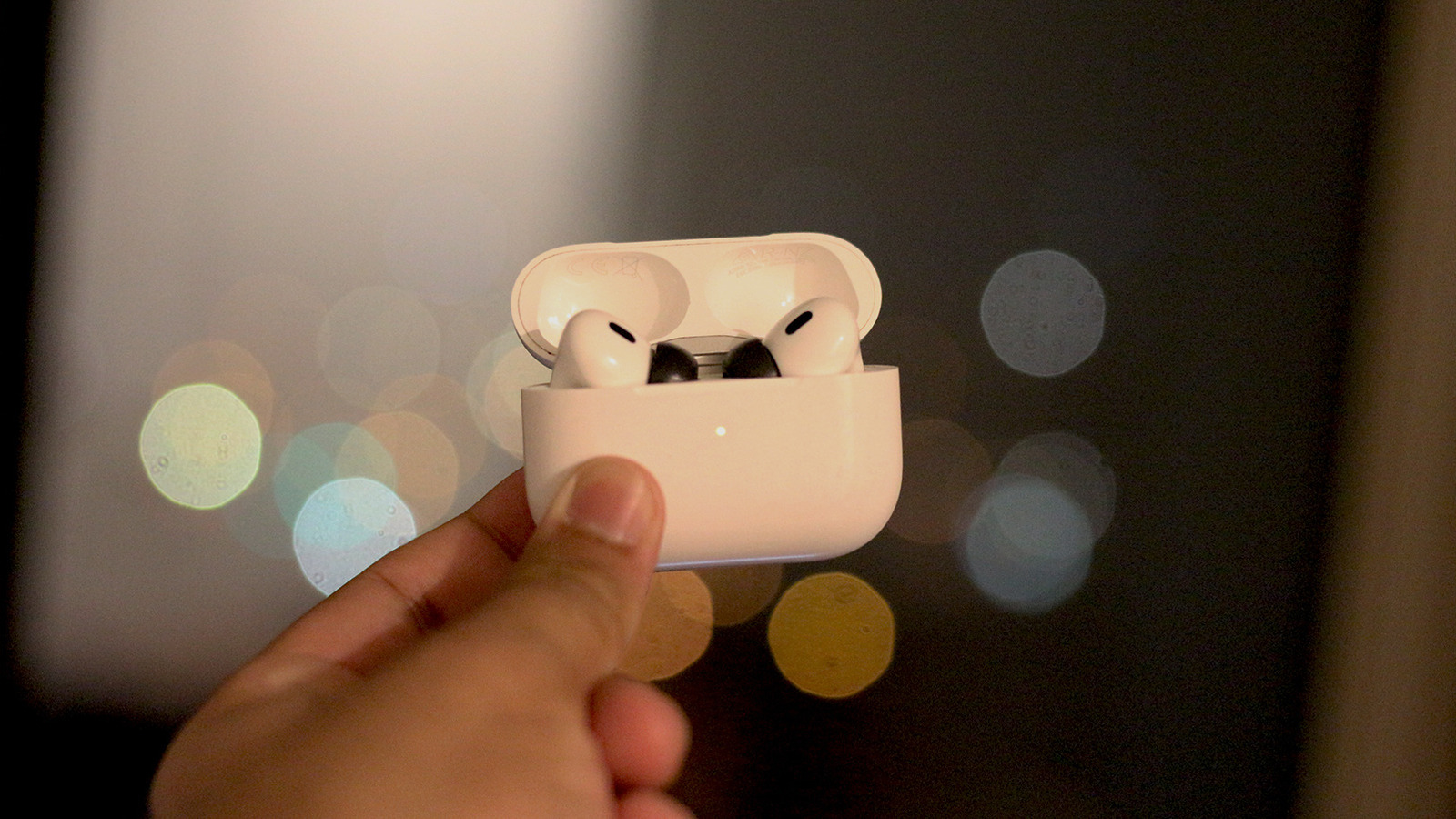
My personal experience with AirPods Pro 2 perfectly illustrates this. While I typically don't struggle with earbud fit, I opted to try memory foam alternatives. The immediate difference was striking: a markedly improved, secure fit meant I no longer found myself constantly adjusting the earbuds. The most impactful change, however, was the sound. The bass became noticeably more punchy and full. It's important to clarify that foam tips won't magically transform your earbuds into a high-fidelity sound system; rather, they optimize the existing sound by preventing leakage, allowing the audio to be delivered with its intended fullness and impact without needing to crank the volume.
Beyond sound fidelity, the enhanced seal dramatically boosts passive noise isolation. This means that even before engaging active noise cancellation, a significant amount of ambient noise is blocked. For earbuds equipped with ANC, this tighter seal only amplifies their performance, making the active noise cancellation even more effective and reducing the overall need to rely on it as heavily.
Choosing and Maintaining Your Foam Ear Tips
When considering foam ear tips, reputable brands like Comply and Sonicfoam are excellent places to start. However, compatibility is crucial. Some earbuds, such as AirPods, feature proprietary snap-fit mechanisms that require specific tip designs. While Engadget hasn't formally tested them, I can personally attest to the quality of Sonicfoam's memory foam ear tips, having used them consistently for over two years.
It's important to be aware of the trade-offs. Memory foam ear tips, while superior in performance, are less durable than their silicone counterparts. Daily users can expect a lifespan of roughly two to three months before they begin to lose their full expansion capabilities and overall effectiveness. They also tend to attract dust and dirt more readily than silicone, necessitating more frequent cleaning.
Pricing for foam tips typically ranges from $10 to $40, varying by brand and the number of tips in a package. Once you've identified your ideal size and brand, it's often more economical to look for refill packs containing only your preferred size, avoiding unused smaller or larger tips.
Recognizing when to replace them is straightforward: if pinching them no longer results in a robust expansion, or if you notice visible damage or deformation, it's time for a new pair. Regular cleaning is also vital. A quick wipe before each use can prevent the buildup of earwax and skin oils, which can lead to unpleasant odors over time.
Memory Foam vs. Silicone Ear Tips: A Comparison
| Feature | Silicone Ear Tips | Memory Foam Ear Tips |
|---|---|---|
| Fit & Seal | Preset sizes, often prone to imperfect seal | Conforms to ear canal, creates superior, personalized seal |
| Comfort | Varies; can be less secure for many users | Generally excellent, very secure fit, reduces adjustments |
| Sound Quality | Prone to sound leakage, weaker bass if fit is poor | Minimizes leakage, delivers fuller sound, punchier bass |
| Noise Isolation | Less effective passive isolation due to potential gaps | Dramatically improves passive noise isolation |
| ANC Performance | Can be hindered by poor seal | Enhances active noise cancellation effectiveness |
| Durability | Very long-lasting, often as long as the earbuds | Shorter lifespan (2-3 months with daily use) |
| Maintenance | Easier to clean, less prone to dirt | Attracts dust, gets dirty, requires regular cleaning |
| Cost | Typically included with earbuds, low manufacturing cost | $10-$40 per pack, recurring expense |
Buying Recommendation
If you find your current earbuds uncomfortable, frequently need adjustment, or lack the bass impact and noise cancellation you desire, investing in memory foam ear tips is a highly recommended and cost-effective upgrade. They address fundamental fit issues that often undermine an earbud's true audio potential. Just be mindful of their shorter lifespan and the need for regular cleaning. Always ensure you select tips specifically compatible with your earbud model to guarantee a proper fit and optimal performance.
FAQ
Q: How often do foam ear tips need to be replaced?
A: With daily use, memory foam ear tips typically last between two to three months. They should be replaced sooner if you notice they no longer expand fully when pinched, or if they show signs of visible damage or deformation, as their ability to create a tight seal will be compromised.
Q: Will foam ear tips improve the sound of any earbud?
A: Memory foam ear tips won't inherently make bad-sounding earbuds sound great, but they will significantly improve the sound quality by ensuring a proper seal. This minimizes sound leakage, leading to fuller audio, more impactful bass, and enhanced passive noise isolation, allowing your earbuds to perform to their best potential.
Q: Are foam ear tips difficult to clean?
A: While foam ear tips tend to attract dust and dirt more easily than silicone, they are not difficult to clean. A quick wipe before each use is recommended to remove any buildup of earwax or skin oils, helping to maintain their hygiene and prolong their effectiveness.
Related articles
Android 17 QPR2 Beta 7.1: The Performance Relief You've Been Waiting
Android 17 QPR2 Beta 7.1: Finally Fixing the QPR1 Performance Woes Verdict: Android 17 QPR2 Beta 7.1 is a crucial and highly anticipated software update for Google Pixel users, specifically targeting and resolving the

DJI Solo Video Setups: Smart Choices for Lone Creators
This review delves into DJI's recommended solo video setups, highlighting the Osmo Pocket 3 Creator Combo as a top pick for its integrated camera, gimbal, and mic. It also covers stabilizers like the Osmo Mobile 8 and RS 4, and the DJI Mic Mini series for enhanced audio, providing honest pros, cons, and clear buying advice.

Ditch Merge & Center: The Better Way to Align Text in Excel
Learn to use Excel's "Center Across Selection" to align text across cells without merging, avoiding common data manipulation issues. This guide provides steps to utilize this newly accessible feature and add it to your Quick Access Toolbar.

Ars Technica's Rocket Report: Your Essential Space Industry Briefing
Quick Verdict Ars Technica's Rocket Report, presented by veteran space reporter Stephen Clark, offers an invaluable and meticulously organized weekly (or similar frequency, implied by "Edition 9.15") digest of the most

Apple iPhone Duo: A Daring Debut with Notable Compromises
Apple's highly anticipated iPhone Duo, priced at $2,000, has gone on pre-order. While hailed as "Apple's most exciting device in a decade" for its innovative foldable design and immersive display, it comes with significant drawbacks like the absence of FaceID and a premium camera.

KDE Plasma 6.8: A Future-Focused 30th Anniversary Update
Quick Verdict KDE Plasma 6.8, arriving as the "30th Anniversary Edition," is a pivotal release that decisively pushes the desktop environment into the future. With a definitive farewell to native X11 sessions and a