
Master Your Ryobi Purchases: One Rule to Pick 18V or 40V
Are you a proud owner of Ryobi tools, perhaps navigating both the 18V ONE+ and 40V platforms? It might seem counterintuitive to invest in two separate battery ecosystems from the same brand, but with a clear strategy,
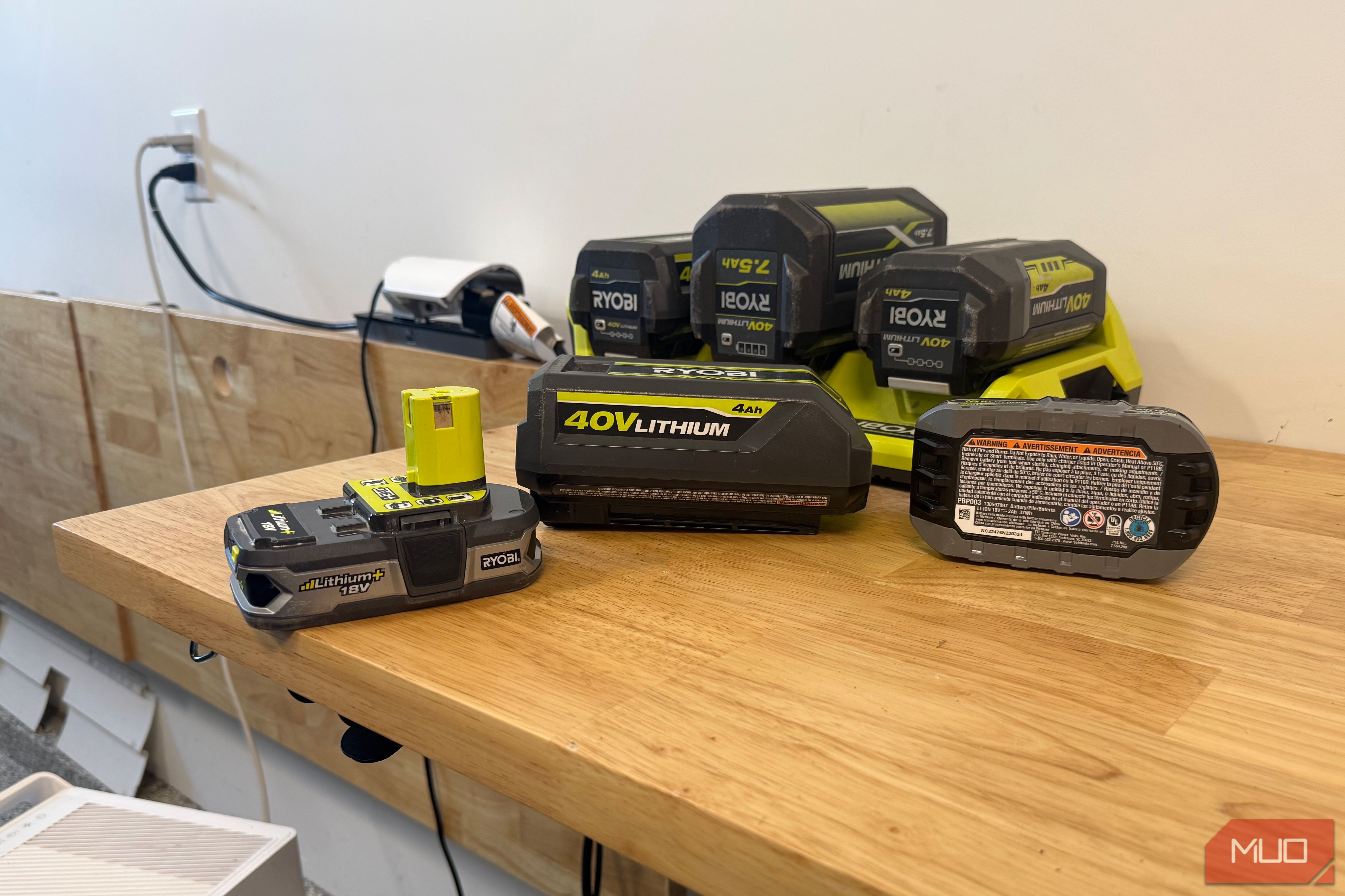
Are you a proud owner of Ryobi tools, perhaps navigating both the 18V ONE+ and 40V platforms? It might seem counterintuitive to invest in two separate battery ecosystems from the same brand, but with a clear strategy, it's not only manageable but also cost-effective. This guide will walk you through a simple yet powerful rule to confidently decide which Ryobi voltage platform deserves your money for any given tool, ensuring you get the right power for the job without overspending.
What You'll Accomplish
By the end of this guide, you will be able to:
- Understand the fundamental difference in application between Ryobi's 18V and 40V tools.
- Apply a single, easy-to-remember rule to determine the optimal voltage for any new Ryobi tool purchase.
- Make smarter buying decisions that prevent wasted money on mismatched tools and batteries.
- Effectively manage a dual-voltage Ryobi ecosystem, keeping it affordable and efficient.
Prerequisites
Before you dive in, ensure you:
- Own or are considering purchasing Ryobi 18V ONE+ and/or 40V tools.
- Have a basic understanding of common power tool applications (e.g., drilling, trimming, cutting).
- Are ready to streamline your tool-buying decisions for maximum value.
The "Trigger Time" Rule: Your Ultimate Decision Maker
The most straightforward way to decide between Ryobi's 18V and 40V platforms boils down to one critical question: How long will the tool's trigger be pulled continuously? This "trigger time" rule is the secret to making informed purchases, sorting tools into two distinct categories based on their operational demands.
Step 1: Identify "Burst Tools" for 18V ONE+
If a tool's motor will run for only a few seconds at a time, with pauses in between, then the 18V ONE+ platform is likely your best choice. These are what we call "burst tools." They operate intermittently, allowing the battery to rest and the motor to cool down between uses. The 18V platform is robust enough for these tasks, and opting for it often means a lower initial investment.
Examples of 18V Burst Tools:
- Drills: Used for short bursts to sink screws or bore holes, then paused.
- Impact Drivers: Drives fasteners in a couple of seconds per application.
- Circular Saws: Engages the battery only for the duration of a single cut.
- Heat Guns: Typically used in short sessions for specific tasks.
- Tire Inflators: Tops off a tire in under a minute, with breaks between tires.
- Spot Cleaners: Applied in quick passes across surfaces.
For these applications, the 18V ONE+ platform offers ample power and saves you money, especially since you can often buy tools without additional batteries or chargers if you already own some.
Step 2: Identify "Marathon Tools" for 40V
If a tool is designed to run wide open for extended periods without interruption, from start to finish, then the 40V platform is the smarter investment. These are "marathon tools" that demand continuous, high power output. Continuous operation generates more heat, causes greater voltage sag, and quickly drains smaller battery packs.
Ryobi's own catalog reflects this distinction, with the 40V line primarily featuring tools for sustained outdoor use.
Examples of 40V Marathon Tools:
- String Trimmers: Often run for 30-45 minutes continuously to cover an entire yard.
- Lawn Mowers: Require sustained power for the entire mowing duration.
- Chainsaws: Need consistent, high torque for cutting through wood.
- Leaf Blowers: Used for extended periods to clear large areas.
- Hedge Trimmers: Operate continuously to shape hedges and bushes.
- Snow Blowers: Demand significant power for prolonged periods in harsh conditions.
The Hard-Earned Lesson: Why the Rule Matters
This "trigger time" rule was born from an expensive mistake. Initially, the appeal of using existing 18V batteries for a string trimmer seemed logical and cost-saving. However, a wet spring quickly revealed the limitations. The 18V string trimmer struggled with even moderately tall grass, draining two battery packs just to finish a fence line. The tool itself wasn't faulty; it was simply mismatched to the demanding, continuous nature of yard work.
Switching to a Ryobi 40V Expand-It string trimmer immediately solved the problem. It handled the entire yard on a single charge, demonstrating that for continuous, high-demand outdoor tasks, the higher voltage platform is indispensable.
Tips for Affordable Dual-Platform Ownership
While running two battery systems might sound costly, following the "trigger time" rule actually makes it more affordable:
- Avoid Overlap: Ryobi manufactures tools like string trimmers, blowers, and hedge trimmers in both 18V and 40V. The rule helps you bypass the cheaper 18V versions for continuous tasks, preventing frustrating underperformance and eventual re-purchase.
- Leverage Bare Tools: For 18V burst tools, once you have a collection of batteries and chargers, you can frequently buy "tool-only" versions, significantly reducing the cost of expanding your collection.
- Optimize Performance: By selecting the appropriate voltage, you ensure your tools operate at their best, completing tasks efficiently and without excessive battery drain or motor strain.
- Conscious Spending: This rule acts as a filter, stopping impulse buys that lead to buyer's remorse and underutilized tools. You pay for the necessary headroom for continuous jobs and avoid overpaying for short-duration tasks.
Troubleshooting and Common Pitfalls
The primary pitfall is ignoring the "trigger time" rule in overlap categories (tools available in both voltages). It's tempting to save money upfront by choosing the 18V version of a continuous-run tool. However, this often leads to:
- Insufficient Power: The tool struggles, slows down, or gets bogged down, making the job harder and longer.
- Rapid Battery Drain: You'll need multiple battery swaps and frequent recharges to complete a task, diminishing productivity.
- Frustration and Eventual Upgrade: The initial savings are negated when you inevitably need to upgrade to the 40V version to achieve satisfactory performance.
For most homeowners with typical yard sizes, the 40V platform is essential for continuous outdoor tasks. Only those with very small city lots might find the 18V sufficient for light yard work.
Next Steps
Now that you're equipped with the "trigger time" rule, take a moment to:
- Review your existing Ryobi tool collection: Do your tools align with the rule? Identify any potential mismatches.
- Plan future purchases: Before adding any new green tool to your cart, apply the rule. Consider if it's a burst tool for your 18V collection or a marathon tool requiring 40V.
- Explore Ryobi's catalogs: Notice how Ryobi itself implicitly sorts its lineup along these lines, reinforcing the validity of the rule.
This simple rule will ensure your Ryobi investment serves you well, keeping your projects running smoothly and your budget in check.
FAQ
Q: Can I really save money by having two Ryobi battery systems?
A: Yes, absolutely. While it seems counterintuitive, adhering to the "trigger time" rule prevents expensive mistakes. You avoid buying underpowered 18V tools for demanding, continuous tasks that would require a 40V tool anyway, and you save money on 18V burst tools by only buying the bare tool once you have sufficient batteries.
Q: What if I have a very small yard or only do light outdoor tasks?
A: For a very small city lot or extremely light yard work, the 18V platform might suffice for some tools typically found in the 40V lineup (like a string trimmer). However, the rule still holds: if the tool needs to run continuously for more than a few minutes, the 40V will generally offer a much better experience, more consistent power, and longer runtime per charge.
Q: Are there any tools that genuinely overlap where either 18V or 40V could work?
A: Ryobi does offer tools like string trimmers, blowers, and chainsaws in both voltages. These are the "overlap categories." The decision in these cases is precisely where the "trigger time" rule is most crucial. Even in these categories, if the job requires continuous, sustained power for an extended duration, the 40V version will almost always perform better and be more satisfying in the long run. If your outdoor tasks are truly minimal (e.g., clearing a tiny patio with a blower for 30 seconds), an 18V version might be acceptable, but for anything more, 40V is the reliable choice.
Related articles

DJI Solo Video Setups: Smart Choices for Lone Creators
This review delves into DJI's recommended solo video setups, highlighting the Osmo Pocket 3 Creator Combo as a top pick for its integrated camera, gimbal, and mic. It also covers stabilizers like the Osmo Mobile 8 and RS 4, and the DJI Mic Mini series for enhanced audio, providing honest pros, cons, and clear buying advice.
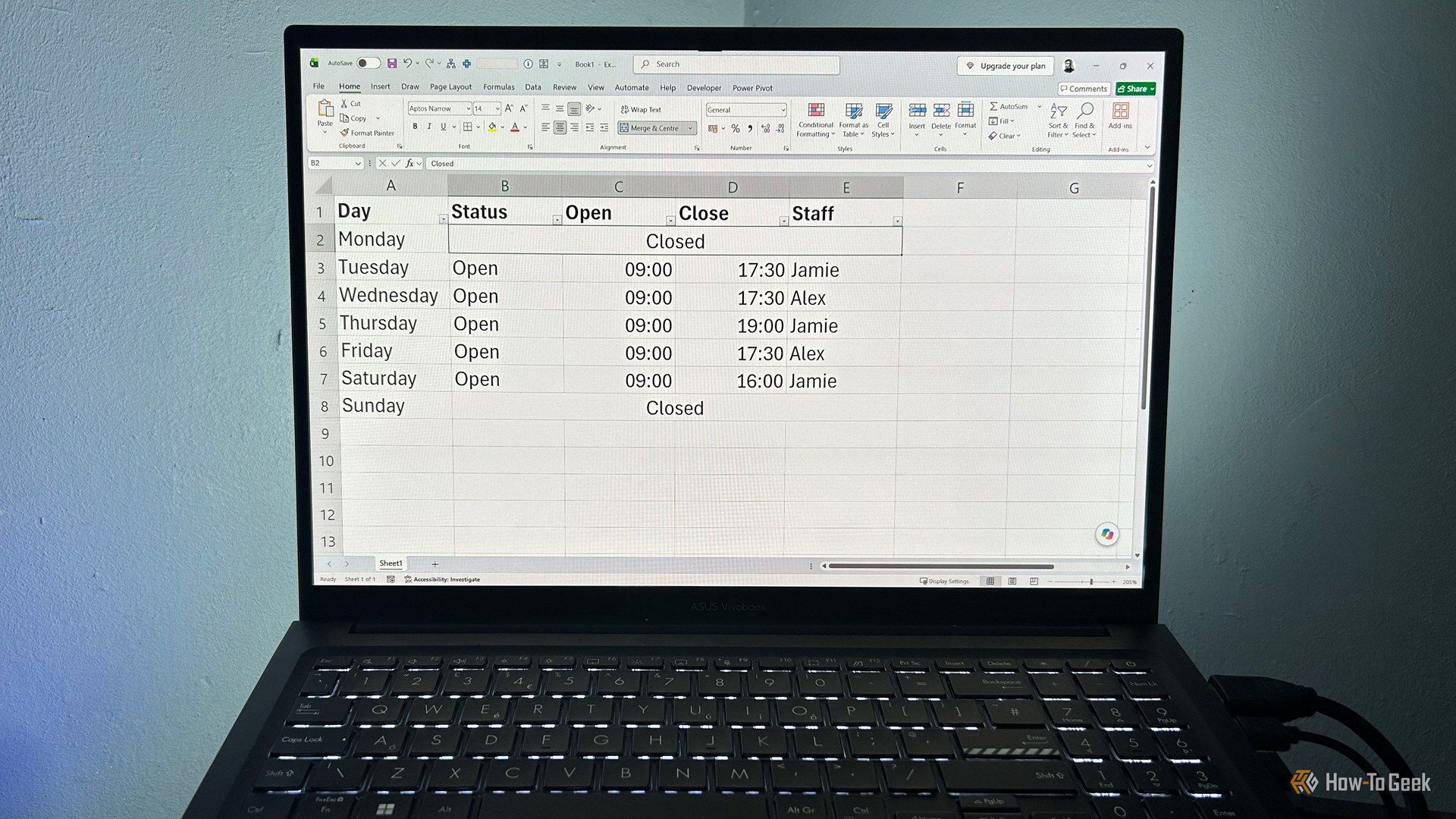
Ditch Merge & Center: The Better Way to Align Text in Excel
Learn to use Excel's "Center Across Selection" to align text across cells without merging, avoiding common data manipulation issues. This guide provides steps to utilize this newly accessible feature and add it to your Quick Access Toolbar.

Ars Technica's Rocket Report: Your Essential Space Industry Briefing
Quick Verdict Ars Technica's Rocket Report, presented by veteran space reporter Stephen Clark, offers an invaluable and meticulously organized weekly (or similar frequency, implied by "Edition 9.15") digest of the most

Prototype Racing 2030: A Unified Future Driven by Software
Prototype racing is heading towards a unified, LMDh-based rule set by 2030, promising greater stability, cost-effectiveness, and a focus on software-driven innovation for OEMs, despite current economic challenges.
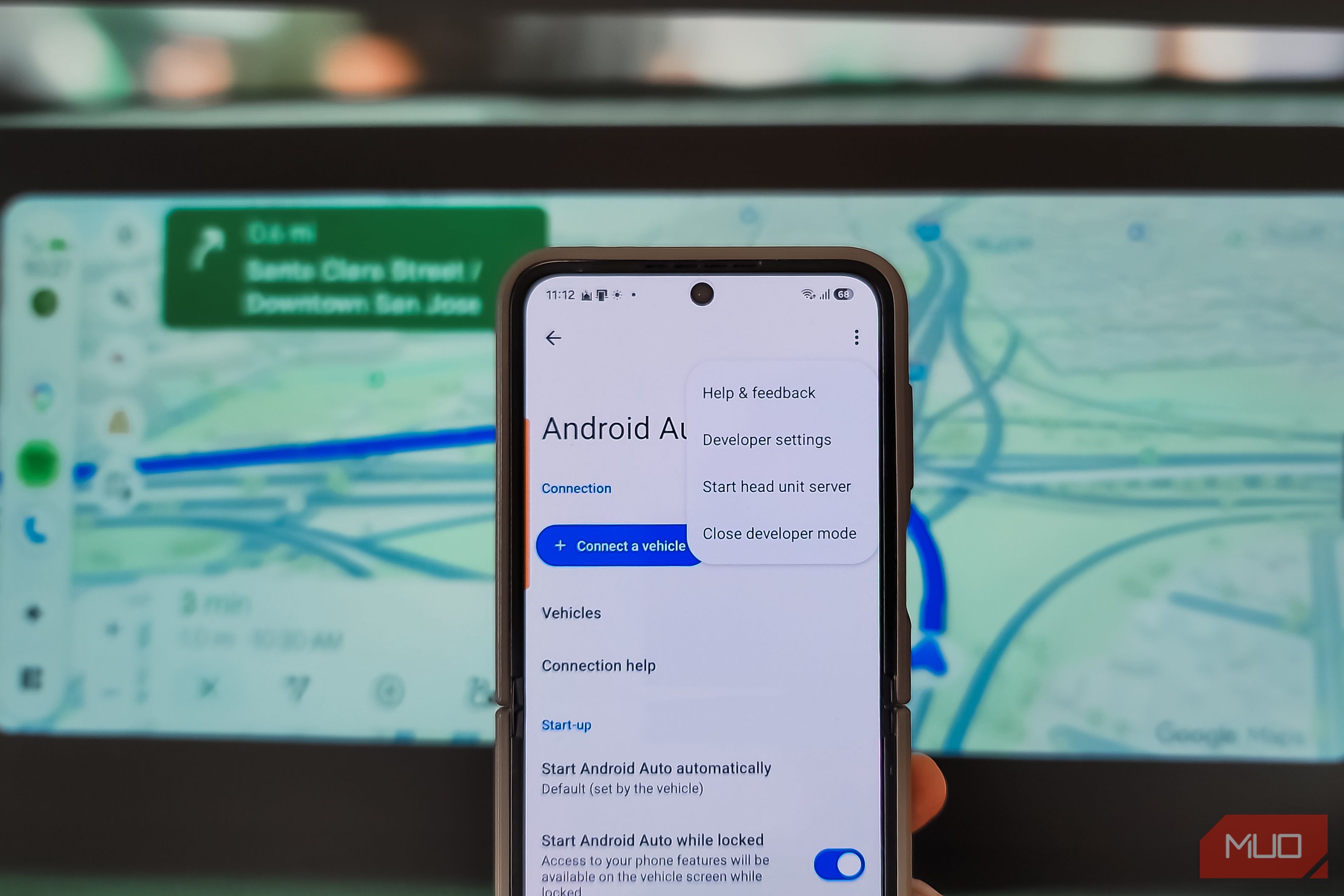
Stop Android Auto Battery Drain: Essential Features to Disable and
Android Auto offers unparalleled convenience, bringing your phone's most useful features directly to your car's display. From navigation and calls to messages and music, it keeps you connected without distracting you

Turn Your Android Phone into a Powerful Desktop Replacement
Learn how to transform your Android phone into a full-fledged desktop computer using external displays and accessories, providing a cost-effective and integrated alternative to new Googlebooks.