
Make Smarter Tool Buys: Leave These 4 Power Tool Myths Behind
Power tools are a significant investment and a very personal choice for many. With so much brand loyalty and personal preference in the mix, it's easy to fall prey to common myths that could lead you to buy the wrong
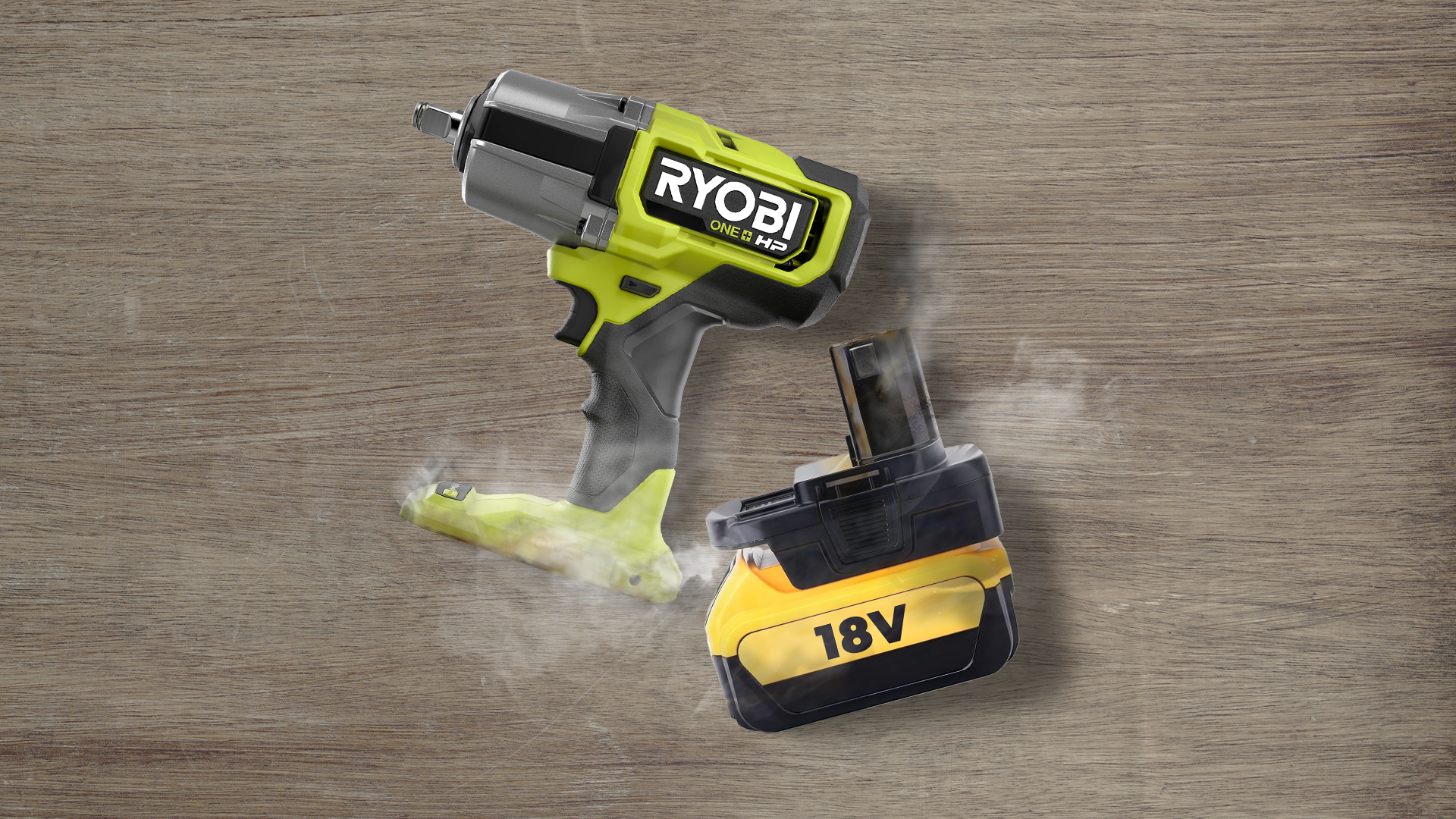
Power tools are a significant investment and a very personal choice for many. With so much brand loyalty and personal preference in the mix, it's easy to fall prey to common myths that could lead you to buy the wrong tool or spend more money than necessary. This guide will help you navigate the power tool market more intelligently by debunking four pervasive myths, empowering you to make choices based on facts rather than outdated assumptions.
What You'll Accomplish
By the end of this guide, you will be able to:
- Understand the true landscape of power tool brand ownership.
- Discern quality regardless of a tool's country of origin.
- Choose tools that perfectly match your needs, whether you're a professional or a DIY enthusiast.
- Appreciate the modern capabilities of cordless power tools.
- Make informed, cost-effective purchasing decisions for your next power tool.
Prerequisites
To get the most out of this guide, you'll need:
- An open mind and a willingness to question long-held beliefs.
- A general idea of the types of tasks you typically use power tools for.
- Your budget considerations for new tool purchases.
Step-by-Step Guide to Informed Power Tool Buying
Step 1: Uncover the Truth About Brand Ownership
The Myth: All major tool brands like DeWalt, Milwaukee, Ryobi, and Craftsman are independent companies fiercely competing against each other.
The Reality: While walking through a hardware store, you might see dozens of power tool brands, giving the impression of a diverse and competitive market. However, a significant number of these brands are actually owned by a small handful of large conglomerates. Many started as independent entities but were acquired and consolidated decades ago.
What This Means for You: The impact of this consolidation varies. Some brands, such as Milwaukee and Ryobi, have largely been allowed to maintain their distinct identity and innovation under new ownership. Others have seen changes in quality or innovation as parent companies sought to reduce costs. Therefore, simply relying on a brand name's historical reputation might be misleading.
Actionable Takeaway: Don't assume brand independence translates to unique innovation or quality across the board. Research individual tools and their current performance, rather than making assumptions based solely on the brand name's legacy.
Step 2: Re-evaluate "Made in China" Labels
The Myth: Any power tool labeled "Made in China" is inherently low-quality or junk.
The Reality: The perception that products made in China are inferior has persisted for a long time, partly due to a past influx of low-quality or counterfeit goods. However, this view is overly simplistic and no longer holds true across the board. China has become the world's primary manufacturing hub, capable of producing an enormous range of goods, from the cheapest items to highly precise, cutting-edge technology. Many reputable brands, including Milwaukee and Ryobi, have manufacturing facilities in China, alongside operations in the USA, Mexico, Vietnam, and Germany.
What This Means for You: The country of origin for a power tool is largely irrelevant to its quality. What truly matters are the design specifications, the quality control processes implemented during manufacturing, and the standards upheld by the brand. A tool manufactured in China can be just as high-quality, if not superior, to one made elsewhere, depending on the company's commitment to excellence.
Actionable Takeaway: Ignore geographical prejudices. When evaluating a tool, focus on its design, performance ratings, and the brand's reputation for quality control, rather than its country of manufacture.
Step 3: Distinguish Between "Pro" and "DIY" Tools Wisely
The Myth: Professional-grade power tools are always superior and the best choice, even for casual DIYers.
The Reality: It's true that tools marketed for professional use are generally designed to withstand harsher workloads, longer duty cycles, and daily job site abuse. However, this doesn't automatically make them the optimal choice for every user. Many professionals even opt for "DIY-grade" tools for specific tasks that won't involve heavy, continuous use, precisely to avoid unnecessary expense. Conversely, a DIY homeowner who uses a tool only a dozen times a year likely gains no real benefit from the added durability and cost of a professional-grade tool.
What This Means for You: Both professional and DIY tools can perform tasks equally well for typical home use. The main difference lies in their intended endurance. A pro-grade tool is built to last all day, every day, under demanding conditions, while a DIY-grade tool is designed for intermittent use. Spending more on professional tools for light, occasional use is often an unnecessary expenditure.
Actionable Takeaway: Rather than fixating on whether a tool is labeled "pro" or "DIY," assess its performance specifications and durability ratings. Match these characteristics to your actual needs and how frequently you intend to use the tool. Buy for your use case, not for bragging rights.
Step 4: Embrace Modern Cordless Technology
The Myth: Cordless power tools are inherently weaker and less capable than their corded counterparts.
The Reality: This myth once held true. Early cordless drills and saws were indeed underpowered, had short battery lives, and took ages to recharge, making corded tools the only viable option for serious performance. However, power tool technology has advanced dramatically. Innovations in lithium-ion battery technology, the development of brushless motors, and sophisticated power management systems have propelled cordless tools far beyond their old limitations.
What This Means for You: While corded tools might still offer an edge for heavy, continuous work, modern cordless systems are now powerful enough for the vast majority of jobs. The performance gap has significantly narrowed, making the convenience of cordless tools a major advantage. The ability to work without dragging extension cords around or needing a portable power source everywhere is a game-changer for flexibility and efficiency, especially for typical small to medium-sized tasks.
Actionable Takeaway: Don't let outdated perceptions deter you. Modern cordless power tools offer ample power for most applications and provide immense convenience. Consider a robust cordless system as a primary option for your tool kit, reserving corded tools only for specific, truly heavy-duty, continuous tasks.
Troubleshooting Tips
- Conflicting Information: If you encounter conflicting information about a tool's quality or origin, look for recent, unbiased reviews from multiple sources. Prioritize reviews that discuss performance, durability, and customer service rather than just brand loyalty.
- Unsure of Your Needs: If you're unsure whether a tool's specifications match your needs, consider borrowing a similar tool or renting one for a small project. This hands-on experience can help clarify your requirements before committing to a purchase.
Best Practices for Buying Power Tools
- Focus on the Product, Not Just the Brand: Brands change owners, and even historically good brands can release a subpar product. Evaluate each tool on its individual merits and current performance.
- Consider Your Actual Usage: Be honest about how often and for what kind of tasks you'll use the tool. This will prevent overspending on features or durability you don't need.
- Read Recent Reviews: Technology evolves quickly. What was true about a brand or tool type five years ago might not be true today. Look for reviews and comparisons published within the last year or two.
Next Steps
Now that you're equipped with a more realistic view of the power tool market, apply these insights to your next purchase. Research specific models, compare performance, and choose tools that truly fit your individual needs and budget. Continue to stay informed about technological advancements, as the industry is constantly evolving.
FAQ
Q: Should I completely ignore brand names when buying tools now?
A: Not entirely. While brand ownership is complex, established brands often still have certain quality standards and support systems in place. The key is to avoid blind brand loyalty. Use brand names as a starting point for your research, but then dive deeper into specific product reviews and specifications, understanding that a brand's reputation can fluctuate over time or vary by product line.
Q: How can I reliably check the quality control of a tool if "Made in China" doesn't tell the whole story?
A: Focus on independent product reviews, expert tests (from reputable magazines or websites), and user feedback on retailer sites. Look for consistent comments on durability, performance under stress, and reliability. Brands with good quality control will typically have positive and consistent reviews for their specific product lines, regardless of manufacturing location.
Q: For a DIYer, when would a corded tool still be a better choice than a modern cordless one?
A: A corded tool is generally better if you need to perform very heavy, continuous work for extended periods, such as cutting dense materials all day with a circular saw, running a high-power router for hours, or using a large, stationary bench tool where consistent maximum power is paramount and battery life would be a constant interruption. For typical, intermittent DIY tasks, modern cordless tools are often more than sufficient and offer unmatched convenience.
Related articles
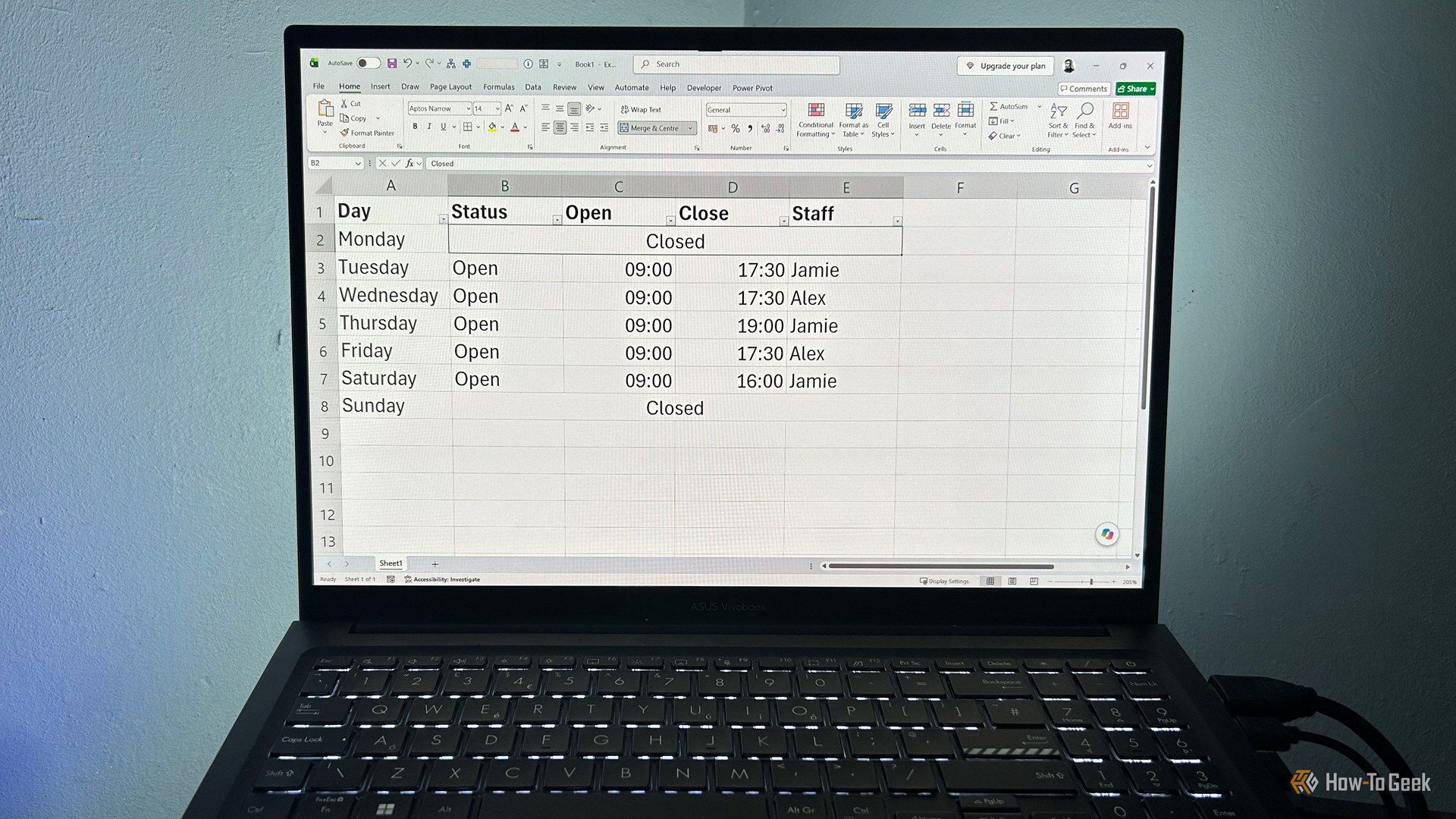
Ditch Merge & Center: The Better Way to Align Text in Excel
Learn to use Excel's "Center Across Selection" to align text across cells without merging, avoiding common data manipulation issues. This guide provides steps to utilize this newly accessible feature and add it to your Quick Access Toolbar.

Tesla Unveils Thruster-Equipped Roadster, 2028 Production Targeted
Tesla has unveiled its second-generation Roadster, featuring cold-gas thrusters co-developed with SpaceX, enabling it to jump and flip. The electric sports car demonstrated 0-60mph in an astonishing 0.81 seconds, with production targeted for 2028. This highly anticipated reveal also serves as a key recruitment tool for Tesla's ambitious AI and robotics initiatives.

AI's Confidence vs. Formal Methods' Rigor: Design Flaws & Verification
While AI accelerates code generation, formal methods remain critical for ensuring system correctness. Languages like TLA+ and tools like Quint enable developers to model and verify system designs before coding, catching subtle flaws. Quint makes formal methods more accessible with developer-friendly syntax and executability. This approach is vital for verifying AI-generated code through trace validation and model-based testing, ensuring reliability against real-world data.

Amazon Prime Video Launches AI-Powered Prime 360 for NBA Coverage
Amazon Prime Video is elevating its NBA coverage with the introduction of Prime 360, an AI-powered replay system offering immersive, 'fly through' views of the action. Kicking off its second season, Prime Video also adds Yahoo fantasy integration and gains exclusive Eastern Conference Finals rights, expanding its tech-driven sports broadcast. The new features aim to deliver a unique and interactive viewing experience for basketball fans.

Secure Internal API Access for AI Agents with MCP
AI agents accessing internal APIs directly pose significant risks, including identity loss, unrestricted queries, and security bypasses. The Model Context Protocol (MCP) offers a solution by defining explicit tools. A secure architecture involves an MCP server wrapping the API with strict input validation, coupled with a gateway that handles authentication, rate limiting, and audit logging, ensuring safe and accountable access.
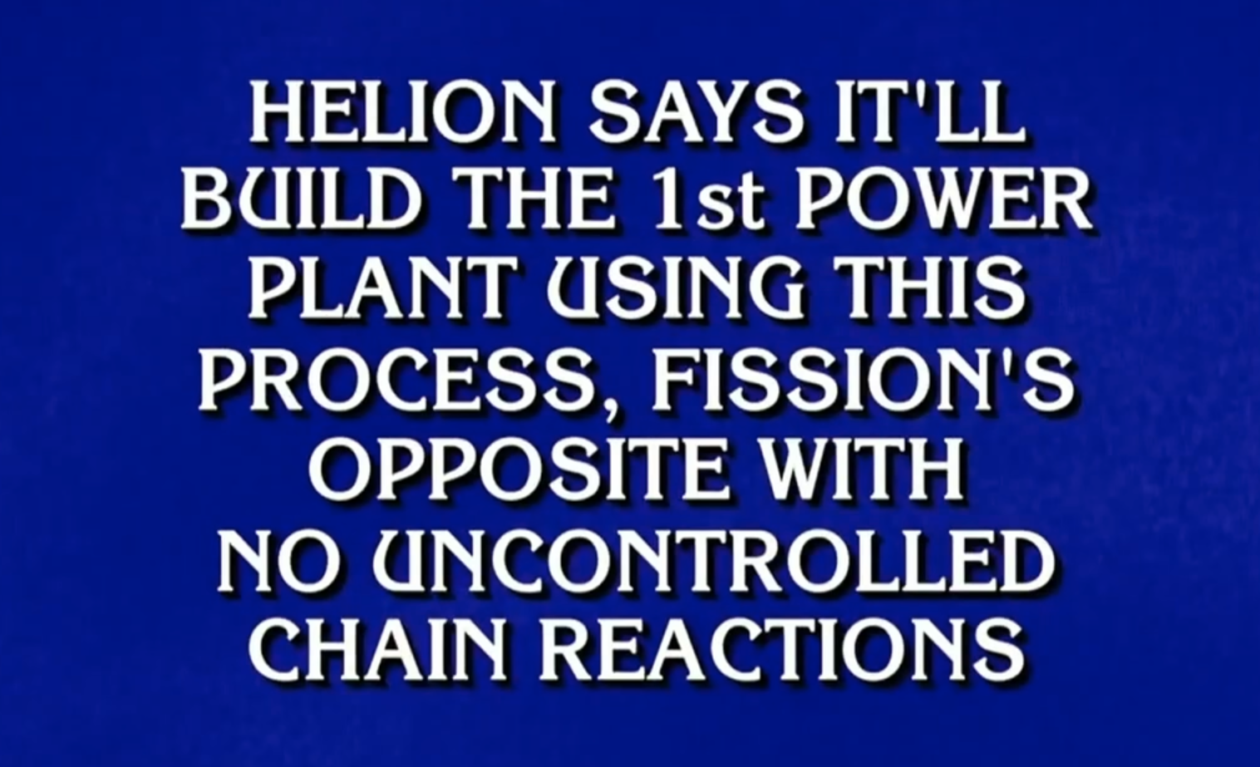
regional: ‘What is fusion?’ Helion Energy harnesses the power of
Helion Energy, the Everett-based fusion startup, gained mainstream attention this week after being featured as a clue on the popular game show "Jeopardy!". The $800 clue, part of a "Y Combinator" category, highlighted Helion's mission to build the first fusion power plant, bringing the concept of clean energy to a wider audience. CEO David Kirtley celebrated the "surreal" moment as a sign that reliable clean power is becoming more accessible.