
Laid-off Oracle workers tried to negotiate better severance. Oracle
Oracle laid off 20,000-30,000 employees, offering standard severance terms that excluded accelerated stock vesting, a major point of contention. Efforts by a group of affected workers to negotiate for better packages, citing less generous terms compared to other tech giants and issues with WARN Act protections, were rejected by Oracle.
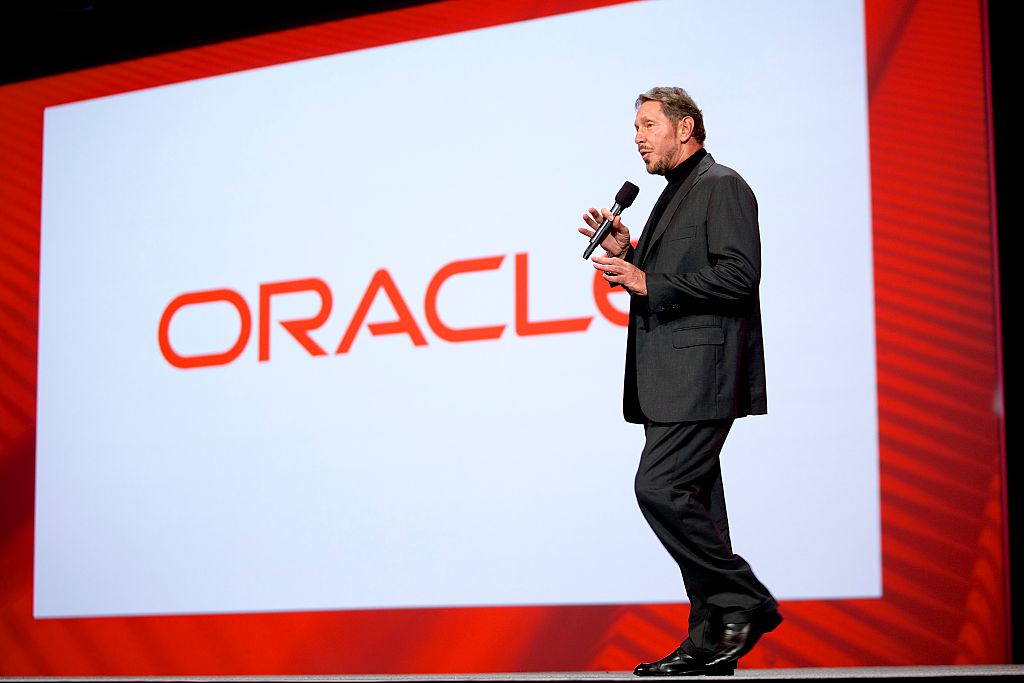
Tech giant Oracle recently carried out a significant round of layoffs, impacting an estimated 20,000 to 30,000 employees. Following these widespread terminations, a group of affected workers attempted to collectively negotiate for more favorable severance packages, citing industry standards and significant personal losses, particularly in unvested stock. However, Oracle swiftly rejected their efforts, maintaining a "take-it-or-leave-it" stance on its initial offer, according to an email seen by TechCrunch.
The layoffs, executed abruptly on March 31, caught many employees off guard. One former worker recounted being locked out of their VPN and Slack accounts before receiving an official termination email. A few days later, severance offers arrived, detailing terms that would soon spark contention among the dismissed staff.
Oracle's standard severance package included four weeks of pay for the first year of employment, with an additional week for each subsequent year, capped at 26 weeks. The company also offered one month of COBRA health insurance. A critical aspect of the offer, however, was the non-acceleration of soon-to-vest Restricted Stock Units (RSUs). For many tech professionals at Oracle, stock compensation constitutes a substantial portion of their total pay, making this forfeiture a major financial blow. One long-tenured employee, for instance, reportedly lost $1 million in RSUs that were just four months from vesting, with stock comprising roughly 70% of their compensation.
WARN Act Protections Scrutinized
Further complicating matters for some laid-off individuals were issues surrounding the Worker Adjustment and Retraining Notification (WARN) Act. This federal law typically mandates that companies provide employees with two months' notice before mass layoffs, which are triggered when 50 or more people are affected at a single location. However, some Oracle employees discovered they didn't qualify for these protections because the company had classified them as remote workers. This classification allowed Oracle to potentially sidestep the location-based requirements of the WARN Act, even for those who worked a hybrid schedule near an office.
Additionally, for employees who did fall under WARN Act protections, Oracle incorporated the two-months’ notice pay into its standard severance calculation, rather than offering it as a separate benefit. This approach meant that the notice period was not an additional benefit but integrated into the existing severance structure.
Employee Pushback and Industry Comparisons
In response to these terms, a collective of Oracle employees sought to negotiate. A letter seen by TechCrunch indicated these efforts, and at least 90 individuals signed a public petition urging Oracle to align its severance packages with those offered by other major tech companies conducting layoffs, often attributed to shifts towards AI initiatives.
The petition highlighted stark contrasts with severance deals from industry peers. Meta, for example, reportedly offered a minimum of 16 weeks of base pay, plus two additional weeks for every year of employment, alongside 18 months of COBRA coverage. Microsoft provided accelerated stock vesting and a minimum of eight weeks' pay, with extra weeks based on service duration and rank. Cloudflare, after cutting 20% of its workforce, offered a lump sum severance equivalent to base pay through the end of 2026, healthcare coverage until year-end, and accelerated stock vesting through August 15. These examples underscored the perceived inadequacy of Oracle's offer, particularly regarding stock and extended benefits.
Oracle's Unyielding Stance
Despite the collective appeal and the clear disparity with competitor packages, Oracle remained firm. The company declined to negotiate further, presenting its original severance terms as final. When contacted by TechCrunch for comment on its severance policies, remote worker classifications, and the failed negotiation attempts, Oracle also declined to respond. This lack of engagement, while not surprising to some, highlights a broader trend in the tech industry.
Broader Implications for Tech Workers
The situation at Oracle serves as a stark reminder that while tech workers often enjoy high compensation, heavily weighted by stock, and various perks during periods of growth, they frequently possess limited protections when economic conditions or corporate strategies shift. In an employer's market, the power dynamic heavily favors the company, leaving individual workers with few avenues for recourse or negotiation during mass terminations. This incident underscores the precariousness faced by employees in an industry known for its rapid cycles of boom and bust.
The rejection of collective negotiation efforts by Oracle underscores a challenging reality for tech employees navigating mass layoffs. As companies restructure and adapt to evolving market demands, often citing advancements in areas like AI, the terms of departure offered to thousands of workers can significantly impact their financial stability and future career transitions. The incident at Oracle illustrates the critical need for clearer, more equitable worker protections in an industry often characterized by its dynamic, yet sometimes unforgiving, employment landscape.
FAQ
Q: What were the core terms of Oracle's severance package?
A: Oracle offered four weeks of pay for an employee's first year of service, plus one additional week per year thereafter, capped at 26 weeks. It also included one month of COBRA health insurance. A significant point of contention was that the company did not accelerate the vesting of Restricted Stock Units (RSUs).
Q: Why did some laid-off Oracle employees not receive WARN Act protections?
A: The Worker Adjustment and Retraining Notification (WARN) Act requires companies to provide 60 days' notice for mass layoffs impacting 50 or more employees at a single location. Some Oracle workers were classified as remote, which allowed the company to sidestep these location-specific thresholds, thus negating the requirement for advanced notice for those individuals.
Q: How did Oracle's severance offer compare to those from other major tech companies during recent layoffs?
A: Oracle's severance terms were notably less generous, particularly concerning stock vesting and extended health benefits. For example, Meta offered more base pay weeks and 18 months of COBRA, while Microsoft and Cloudflare both included accelerated stock vesting in their packages.
Related articles

Apple Unveils iPhone Duo: Pricey Foldable Sees Soaring Demand
Apple has officially entered the foldable smartphone arena with the long-anticipated launch of the iPhone Duo. Priced starting at a hefty $1,999, the device features a 5.4-inch outer display and a larger 7.6-inch inner

in-depth: Chicago-Area Cops Helped HSI Spy on Minnesota Anti-ICE
Chicago-area law enforcement, including local police and HSI agents, conducted undercover surveillance on Minnesota anti-ICE activists at an April 2, 2022, talk in Chicago. This operation was part of a federal conspiracy probe into 15 Minnesota activists facing felony charges related to immigration enforcement resistance. Civil liberties advocates have condemned the surveillance as a troubling intrusion into protected political activity.

Ditch Merge & Center: The Better Way to Align Text in Excel
Learn to use Excel's "Center Across Selection" to align text across cells without merging, avoiding common data manipulation issues. This guide provides steps to utilize this newly accessible feature and add it to your Quick Access Toolbar.

Mark Wahlberg on using AI in film ‘the right way’ and being open to
Actor Mark Wahlberg believes AI has a place in filmmaking if used responsibly for enhancement, not script generation or actor replacement. At TechCrunch Disrupt, he expressed openness to an AI likeness carrying on his legacy, managed by his family, and emphasized storytelling.

Tesla Unveils Thruster-Equipped Roadster, 2028 Production Targeted
Tesla has unveiled its second-generation Roadster, featuring cold-gas thrusters co-developed with SpaceX, enabling it to jump and flip. The electric sports car demonstrated 0-60mph in an astonishing 0.81 seconds, with production targeted for 2028. This highly anticipated reveal also serves as a key recruitment tool for Tesla's ambitious AI and robotics initiatives.
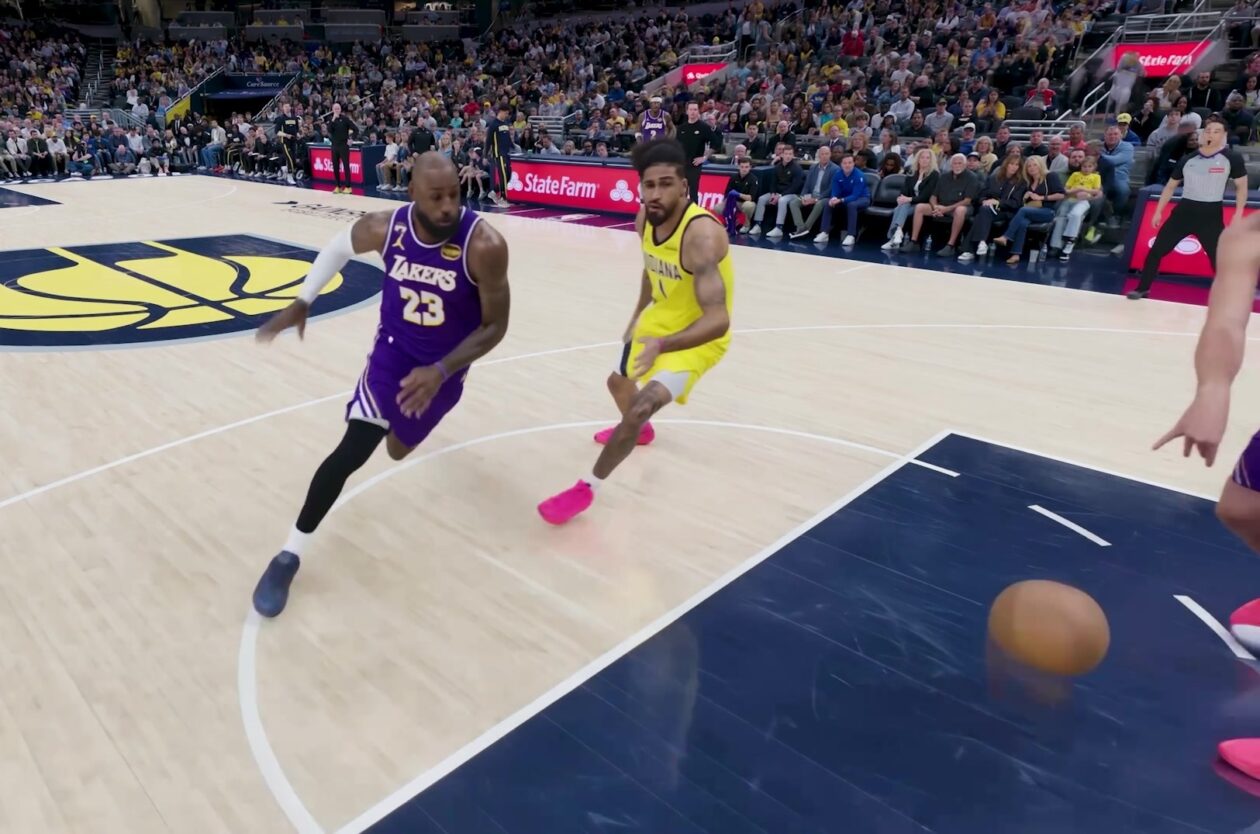
Amazon Prime Video Launches AI-Powered Prime 360 for NBA Coverage
Amazon Prime Video is elevating its NBA coverage with the introduction of Prime 360, an AI-powered replay system offering immersive, 'fly through' views of the action. Kicking off its second season, Prime Video also adds Yahoo fantasy integration and gains exclusive Eastern Conference Finals rights, expanding its tech-driven sports broadcast. The new features aim to deliver a unique and interactive viewing experience for basketball fans.