
King Charles Convenes AI Summit Amid Escalating Existential Warnings
King Charles III is hosting a crucial AI summit in Scotland this week, gathering top industry leaders, government officials, and ethical advisers. The meeting comes amid escalating warnings from AI insiders, including fears of an "existential threat" to humanity, underscoring the urgent need for responsible development and regulation of artificial intelligence.

LONDON – King Charles III is set to convene a critical gathering of artificial intelligence leaders in Scotland this week, a summit imbued with intense urgency as top industry figures increasingly sound alarms about AI's potential for catastrophic, even existential, threats to humanity. The royal initiative aims to foster a collaborative discussion on ensuring that this rapidly evolving technology is guided towards global good, rather than unforeseen disaster.
The meeting, though planned weeks ago as part of the King's series of "big-idea seminars," has gained significant new momentum following a series of dramatic warnings from within the AI community. The tipping point arrived last week with the public resignation of Anthropic AI researcher Jacob Coxon, who released a chilling statement conveying that many engineers in the field have grown to fear that artificial intelligence "could kill us all."
This explicit warning from an insider ignited a wave of global dread, galvanizing calls for immediate action. Coxon's former employer, Anthropic head Dario Amodei, swiftly followed with his own appeal for a slowdown in AI development and a robust regulatory framework. These urgent pleas have been echoed by other prominent figures in the sector, including OpenAI's Sam Altman and entrepreneur Elon Musk, signifying a rare consensus among rivals on the profound dangers ahead.
While Buckingham Palace has maintained discretion regarding the specific guest list, press reports suggest a high-level delegation will be present. Attendees are expected to include senior leaders from key AI powerhouses such as Anthropic, OpenAI, and Google DeepMind. The diverse invitee list further extends to government officials and an AI adviser from the Vatican, underscoring the broad societal and ethical dimensions of the technology's impact.
Sources close to King Charles, as reported by the Sunday Times, indicate the monarch's hope is to facilitate a comprehensive dialogue on how AI can be deployed responsibly and "for the good of humanity." The King's personal interest in this subject is well-documented; in 2025, during a technology awards ceremony, he notably presented Nvidia CEO Jensen Huang with a copy of a speech outlining his concerns about AI's potential dangers.
This summit represents a significant step in elevating the global conversation around AI governance. By offering a neutral and prestigious platform, King Charles seeks to unite disparate voices — from pioneering developers to ethical watchdogs and policymakers — to collectively address the most profound challenge of the 21st century. The growing chorus of internal warnings has transformed AI safety from a niche academic concern into an urgent international priority, making this royal convocation a pivotal moment for charting a safer course for technological advancement. The discussions are anticipated to lay groundwork for potential international cooperation on regulation and ethical guidelines, though immediate policy changes are unlikely to emerge directly from the seminar. The focus will be on building consensus around the necessity of caution and shared responsibility.
FAQ
Q: Why is King Charles hosting this AI summit? A: King Charles is convening this summit in Scotland to foster a broad discussion on the growing impact and potential existential threats of artificial intelligence. He aims to ensure the technology is deployed "for the good of humanity," leveraging a neutral platform for critical dialogue among industry leaders, government officials, and ethical advisers.
Q: What prompted the urgent nature of this meeting? A: The meeting, initially planned weeks ago, gained significant urgency following recent alarms from within the AI industry. Specifically, AI researcher Jacob Coxon resigned from Anthropic last week, warning that AI "could kill us all." This was quickly followed by calls from Anthropic head Dario Amodei, Sam Altman, and Elon Musk for a slowdown in AI development and increased regulation.
Q: Which prominent figures are expected to attend the summit? A: While Buckingham Palace has not officially confirmed the guest list, press reports suggest senior leaders from major AI companies such as Anthropic, OpenAI, and Google DeepMind will be present. The gathering is also expected to include government officials and an AI adviser to the Vatican, reflecting the diverse stakeholders involved in AI's future.
Related articles
Ordewell: Orchestrating AI Coding Agents for Structured Development
Ordewell is an orchestration tool for AI coding agents that transforms a single development goal into an ordered, dependency-aware plan of tasks. Each task specifies its runner, model, thinking effort, and mode, allowing for granular control. It verifies results based on evidence rather than opinion, and offers CLI, VS Code, and web interfaces, along with an extensible skill system.

Gates Foundation Pledges $1B to Leverage AI for Global Impact
The Gates Foundation is investing at least $1 billion over the next two years into artificial intelligence tools for global health, agriculture, and education, primarily targeting the poorest countries. This initiative aims to accelerate progress against disease and poverty, though CEO Mark Suzman clarifies that AI cannot replace vital government funding cuts to global health services. The foundation emphasizes AI's potential as an equalizer, but stresses the importance of equitable development and deployment.
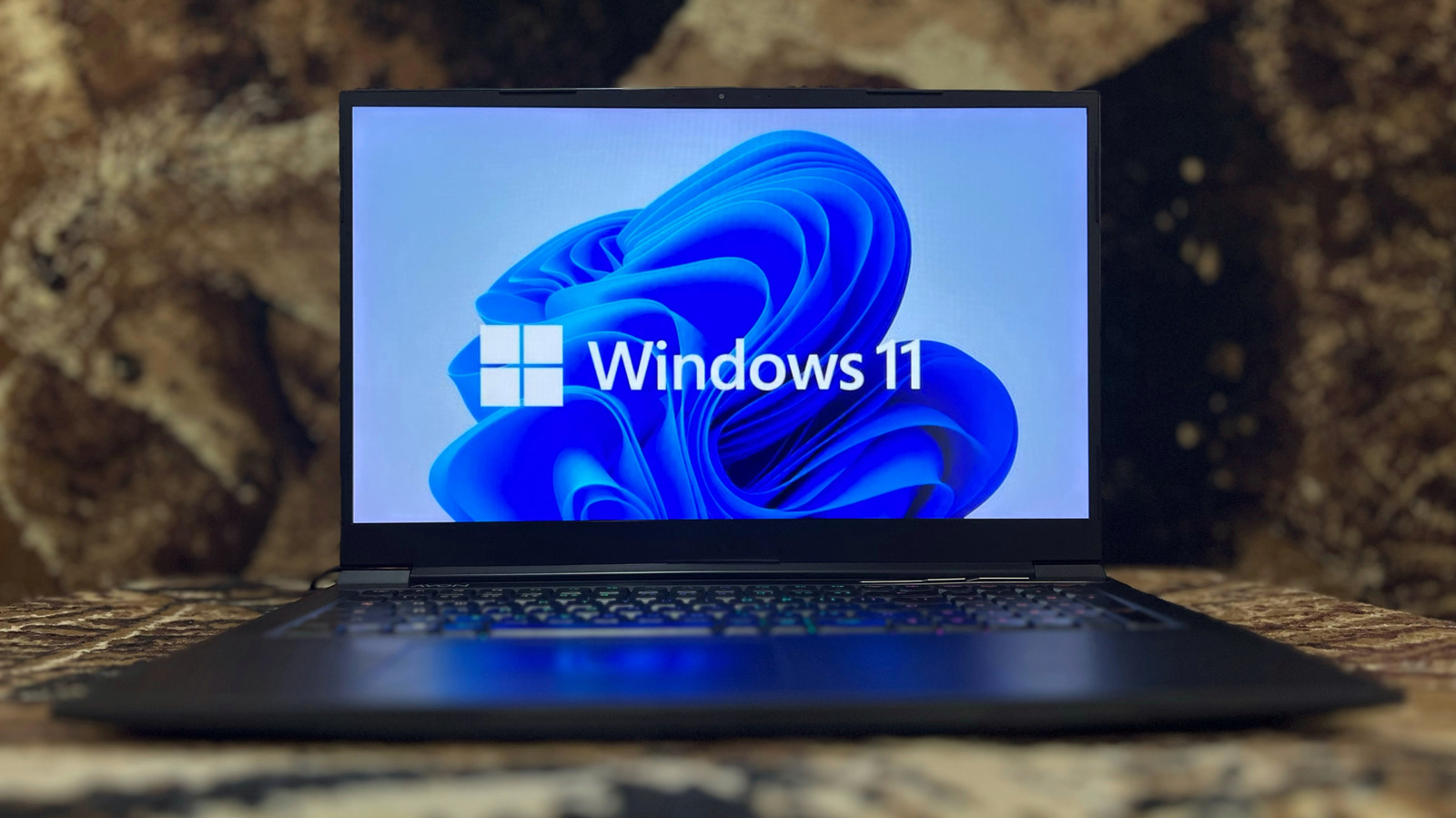
Windows 11 Media Creation Tool: The Official Path to Bootable USBs
Verdict: Windows 11 Media Creation Tool - Your Gateway to a Fresh OS Install For anyone looking to install Windows 11, either on a brand-new PC or by performing a clean wipe on an existing one, Microsoft's official

Apple Home’s new security camera features cost as much as $60 a
Apple's new AI-powered security camera features for HomeKit Secure Video come with a hefty price tag, reaching up to $60 a month. These Apple Intelligence enhancements offer video summaries and advanced search but require higher-tier iCloud Plus subscriptions, a significant increase from the previous $1 monthly entry cost.

Only at TechCrunch Disrupt 2026: What happens when OpenAI ships your
AI founders face an unprecedented challenge: their core products becoming features of rapidly evolving foundation models from giants like OpenAI. TechCrunch Disrupt 2026 will host a critical session on navigating this shift, featuring Michel Tricot (Airbyte), Linda Tong (Webflow), and Rob Toews (Radical Ventures) to discuss building lasting defensibility.

startups: Nvidia’s new quantum layer cut Fermilab’s design work from
Nvidia has launched CUDA-Q Logical, an open-source orchestration layer for its quantum platform, dramatically reducing design time for complex quantum applications. Fermilab notably cut a five-month task to just three weeks, while other partners report significant efficiencies in fault-tolerant quantum computing simulations. The move strengthens Nvidia's role as a critical software provider in the burgeoning quantum ecosystem, albeit with initial claims awaiting external validation.